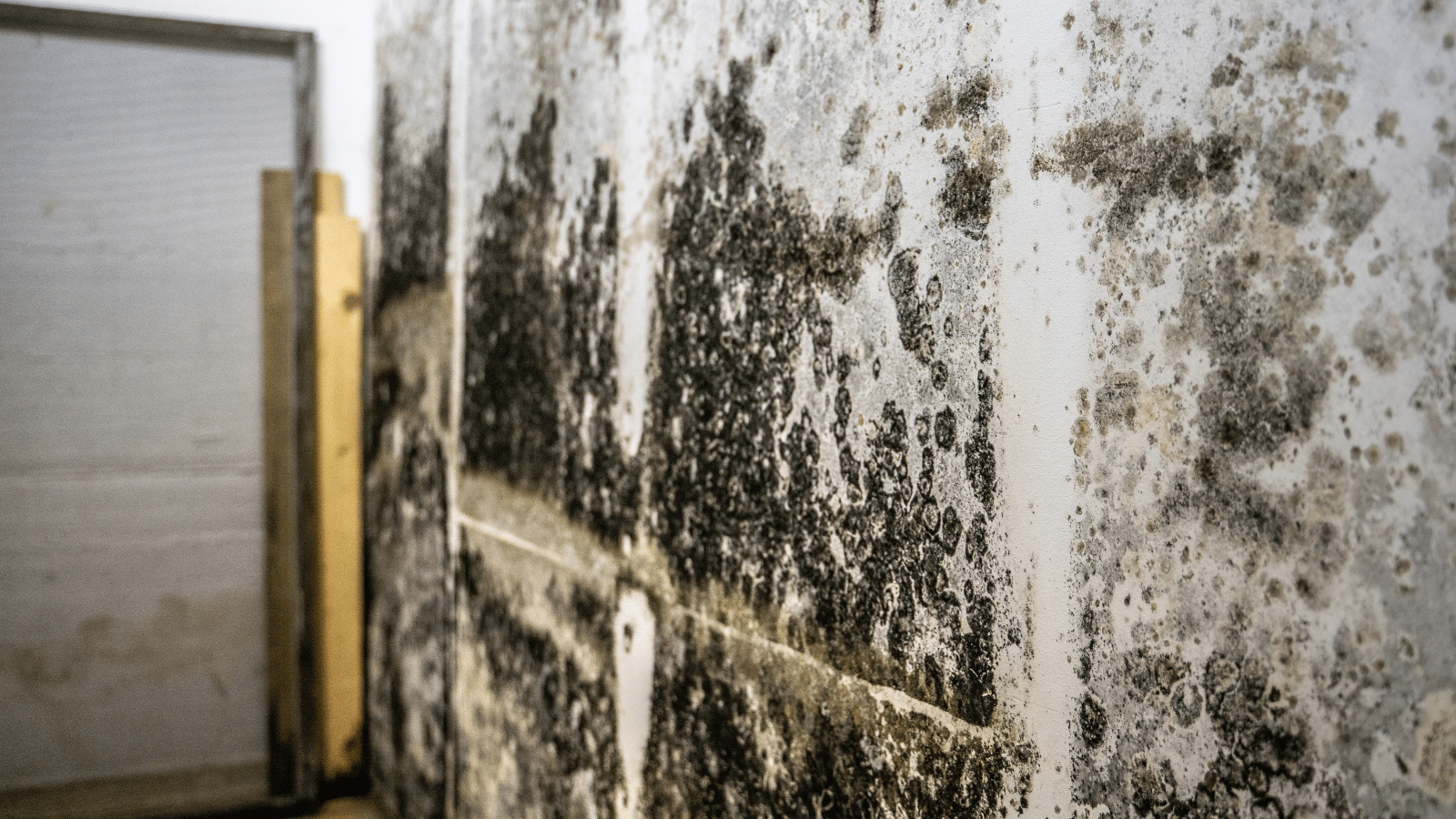
Could a sudden pipe burst save you thousands, or leave you paying out of pocket? That question matters when fungal growth appears after water damage in your home.
Homeowners often ask will insurance cover mold removal when a covered peril causes rapid water damage, like a broken water heater or a burst pipe. Policies sometimes pay to fix the resulting damage but exclude the failed appliance or slow leaks tied to neglect.
I’m Douglas Ray Whitehead, owner of Array of Solutions in Greenville, SC. We’ve done 1,000+ inspections and hundreds of remediation projects since 2007. You’ll deal with me personally on every call and email.
Call me at (864) 710-6413 or email scmoldremoval@gmail.com for a precise, transferable workmanship warranty and a plan that protects your home with minimal disruption.
We explain when a claim makes sense, how limits and endorsements affect mold coverage, and why filing can change your premiums. Read on to learn quick steps to document, mitigate, and decide whether to file a claim or pay directly.
Key Takeaways
- Rapid, accidental water events are likeliest to trigger a homeowners insurance payout.
- Slow leaks, floods, and neglect are common exclusions without special endorsements.
- Policies may pay for damage caused by fungal growth but not the failed system that started it.
- Average remediation costs hover near $2,235; compare that to your deductible before claiming.
- Contact Array of Solutions for local, warrantied air quality work—I answer every inquiry personally.
Understanding mold coverage today: what homeowners need to know
Policy rules about fungal damage hinge on how and when water entered your home. At Array of Solutions, we translate dense policy language into plain English for Upstate homeowners. That helps you see how homeowner protections apply to real moisture and air quality issues.
Generally, fungal issues are eligible under a homeowners insurance policy only if they result from a covered peril that is sudden and accidental, such as a burst pipe. Optional endorsements can expand coverage but often add premiums and sub‑limits.
- Cause matters: sudden accidental water events are treated differently than long‑term leaks.
- Coverage limits: many policies cap payouts and pay for resulting damage, not the failed part.
- Document everything: photos, maintenance records, and quick mitigation help when adjusters evaluate your claim.
High‑moisture areas like basements, kitchens, and bathrooms raise risk, but risk alone doesn’t create benefits under a policy. Read your declarations page closely and ask us for help preparing a clean claim package if you suspect qualifying damage.

Will insurance cover mold removal?
Fast, accidental water intrusion often sets the stage for a valid claim and timely repairs. When a sudden pipe burst, a frozen pipe failure, a broken water heater, or water used to fight a fire causes damage, many policies treat resulting fungal growth as part of the covered peril.
When mold is tied to a covered peril: sudden and accidental water damage
Insurers commonly evaluate whether the event was sudden and accidental. Rapid reporting, plumber reports, and dated photos help prove cause and timing.
Endorsements and limits: added mold coverage, caps, and deductibles
Mold coverage often sits behind endorsements or sub‑limits. That means higher deductibles or caps may apply specifically to mold damage and remediation.
What insurers may pay for versus the cause
- Companies typically pay to remove contaminated materials and restore affected finishes when tied to a covered peril.
- They usually exclude the failed appliance or system that caused the water loss (for example, the broken pipe or heater).
- Document timing, stop the water leak, and stabilize the space; this sequence supports a cleaner claim and less invasive remediation.
Common scenarios when homeowners insurance doesn’t cover mold
When moisture builds quietly over months, homeowners policies usually treat it as maintenance. That means many common situations result in denied claims rather than payouts.
Neglect and maintenance issues: Unfixed leaks, a failing roof, poor flashing, or inadequate ventilation lead to slow damage. Policies and adjusters often tag these as neglect, not a covered loss.
- Slow leaks behind walls or under floors create gradual fungal growth that policies exclude.
- Flood-related damage needs a separate flood insurance policy; homeowners policies do not apply to flood events.
- Sump pump failure or sewer backup usually requires a specific add‑on; without it, cleanup is typically not paid.
We counsel homeowners on maintenance and prevention because insurers frequently deny claims tied to long‑term issues. Even when coverage isn’t available, thorough documentation and a clear remediation plan help you protect the home and any future claim position.
- Inspect the roof, plumbing, and ventilation early.
- Fix leaks at discovery—delays can turn a sudden event into an excluded maintenance issue.
- Ask about endorsements that add water backup or hidden‑water benefits to your policy.
How to file a mold claim the right way
Act fast after a water event — how you respond in the first hours shapes claim outcomes and repair scope. I personally guide clients through evidence collection, adjuster coordination, and mitigation steps to protect health and coverage.
Stop the leak and stabilize the scene
Shut off the main valve if a pipe breaks. Fast action reduces further damage and supports the narrative of a sudden loss.
Document everything
Photograph and video every affected surface. Include close-ups of visible mold, water lines, and soaked materials.
Create a simple inventory of damaged items with approximate values to speed the adjuster’s review.
Notify your insurance company promptly
Call your insurer and file the claim without delay. Review your insurance policy for any caps, deductibles, or endorsements before approving major work.
Mitigate further damage
- Extract standing water, move wet items to dry areas, and run dehumidifiers and air movers.
- Make only temporary repairs after documenting and keep receipts for all rentals and supplies.
- If the source is unclear, we help locate and fix the leak and produce a remediation plan that aligns with policy requirements.
Keep every receipt and a clear timeline. That record supports your claim and helps us balance least-invasive remediation with occupant safety.
Should you file a claim for mold damage?
Deciding whether to file a claim often comes down to simple math: your deductible versus likely repair bills. We help clients run that math and weigh long‑term effects on premiums and home value.
Doing the math: deductible, remediation costs, and potential payout
Average mold remediation is about $2,235. If your deductible is near or above that number, a claim may produce little net benefit.
We provide clear estimates and scopes so you can compare projected remediation to your deductible before filing.
Premium impacts and when a claim makes financial sense
Filing a claim can affect your renewal rate. Companies differ in how single losses influence premiums.
- Compare deductible to realistic remediation costs to see if a claim delivers net value.
- If payout after deductible is small, paying out of pocket often keeps future premiums lower.
- Claims are more sensible when a sudden, covered event causes widespread damage across rooms or systems.
- Confirm mold caps and sub‑limits on your policy; low limits can shrink payouts even for qualifying losses.
Document everything. Photos, receipts, and timelines help whether you file now or later. If you decline a claim, we still prepare a safe, least‑invasive remediation plan to protect your home and budget.
Prevention that protects your home and your coverage
Small, routine actions often stop hidden moisture problems before they force major repairs. Early maintenance preserves materials, reduces health risks, and strengthens any claim position if a sudden water event happens.

Control moisture: fix leaks fast, manage gutters and downspouts
Fix small leaks immediately. Prompt repairs limit damage and strengthen the case for coverage if a sudden event follows.
Keep gutters and downspouts clear and directed away from the foundation to lower intrusion risk.
Manage humidity: ventilation, exhaust fans, dehumidifiers, and HVAC
Use exhaust fans in baths and kitchens. Run a dehumidifier in basements and damp spaces.
Maintain indoor relative humidity below 50% to slow mold growth and protect finishes.
High-risk areas and materials
Avoid carpeting in basements and bathrooms; choose hard, quick-dry surfaces. Replace aging appliance hoses before they burst.
Regular inspections: pipes, appliances, roof, and hidden water issues
- Inspect roofs, flashing, and attic ventilation every season for small defects.
- Check behind appliances, under sinks, and around windows for early signs of water damage.
- Service HVAC systems to ensure balanced airflow and drier surfaces.
We provide simple checklists and hands-on inspections to spot hidden risks early. Our prevention plans prioritize least-invasive steps—fast leak repairs, improved ventilation, and routine checks—to help homeowners avoid future remediation and protect eligibility for home insurance benefits.
Coverage add‑ons that may help: water backup, hidden water, and mold endorsements
Extra endorsements can fill gaps in a standard policy and reduce out‑of‑pocket risk for common household water events. We guide homeowners through the choices so coverage matches local plumbing and basement risks.
Water backup endorsements often pay for cleanup and remediation after a clogged sewer, backed‑up drain, or sump‑pump failure. They usually do not apply to groundwater seepage or overland flood, so confirm limits and exclusions before a loss.
Hidden water options are designed for behind‑the‑wall or under‑floor leaks that go unnoticed. These endorsements may include remediation for resulting mold damage and repair of affected finishes, but availability and sub‑limits vary by company.
- Check definitions: policies often pay for resulting damage, not the failed component.
- Mind the caps: mold endorsements can raise sub‑limits but add deductibles or per‑event caps.
- Flood is separate: flood insurance handles many flood‑related claims and has its own rules for mold and water damage.
- Compare companies: limits, language, and exclusions differ—choose endorsements that fit your home layout and history.
We help clients evaluate add‑ons and explain caps, deductibles, and exclusions in plain terms. Keep copies of endorsements with your emergency plan so you know what a given policy or endorsement may cover if water damage occurs.
Get local help in the Upstate: Array of Solutions
When a wet spot appears, getting local, expert help fast can save time and money. I’m Douglas Ray Whitehead, owner of Array of Solutions in Greenville, SC. I personally handle every inquiry and guide projects from inspection through final checks.
Expert mold inspection, remediation, and air quality solutions with a transferable warranty
We provide professional inspection and remediation services tailored to policy and adjuster needs. Our work includes containment, documentation, targeted removal, and industry-standard dry-out protocols.
Direct-to-owner service: Douglas Ray Whitehead, Expert Witness and former contractor/home inspector
I’ve lived in the Upstate over 20 years and founded Array of Solutions in 2007. As an Expert Witness in Greenville County Courts, I know what adjusters and an insurance company need to validate a qualifying loss.
Contact Array of Solutions
Call or email for owner-led support: (864) 710-6413 — scmoldremoval@gmail.com
- Speak directly with the owner—no call centers; I schedule, inspect, and oversee every job.
- Detailed inspection and testing when needed, followed by a clear remediation plan and scope.
- Least-invasive methods protect finishes while ensuring effective removal and clean, dry assemblies.
- Documentation packages—photos, moisture logs, and detailed invoices—make claims easier to review.
- Transferable warranty on workmanship to protect you and future homeowners.

Conclusion
Clear documentation and fast mitigation turn uncertainty into clarity when assessing whether policies may cover mold growth.
Insurance generally pays only when a covered peril causes sudden water damage. Gradual leaks, neglect, or roof failures usually fall outside policy limits. Floods need separate flood insurance and often carry different mold coverage rules.
Do the math: average mold remediation runs about $2,235, so compare expected payout to your deductible and premium impact before filing a claim. Strengthen any claim by photographing damage, noting dates, and stopping leaks fast.
Remember: Your safety is my future. Call Array of Solutions at (864) 710-6413 or email scmoldremoval@gmail.com for owner-led inspection, a written scope, and practical, least-invasive help.