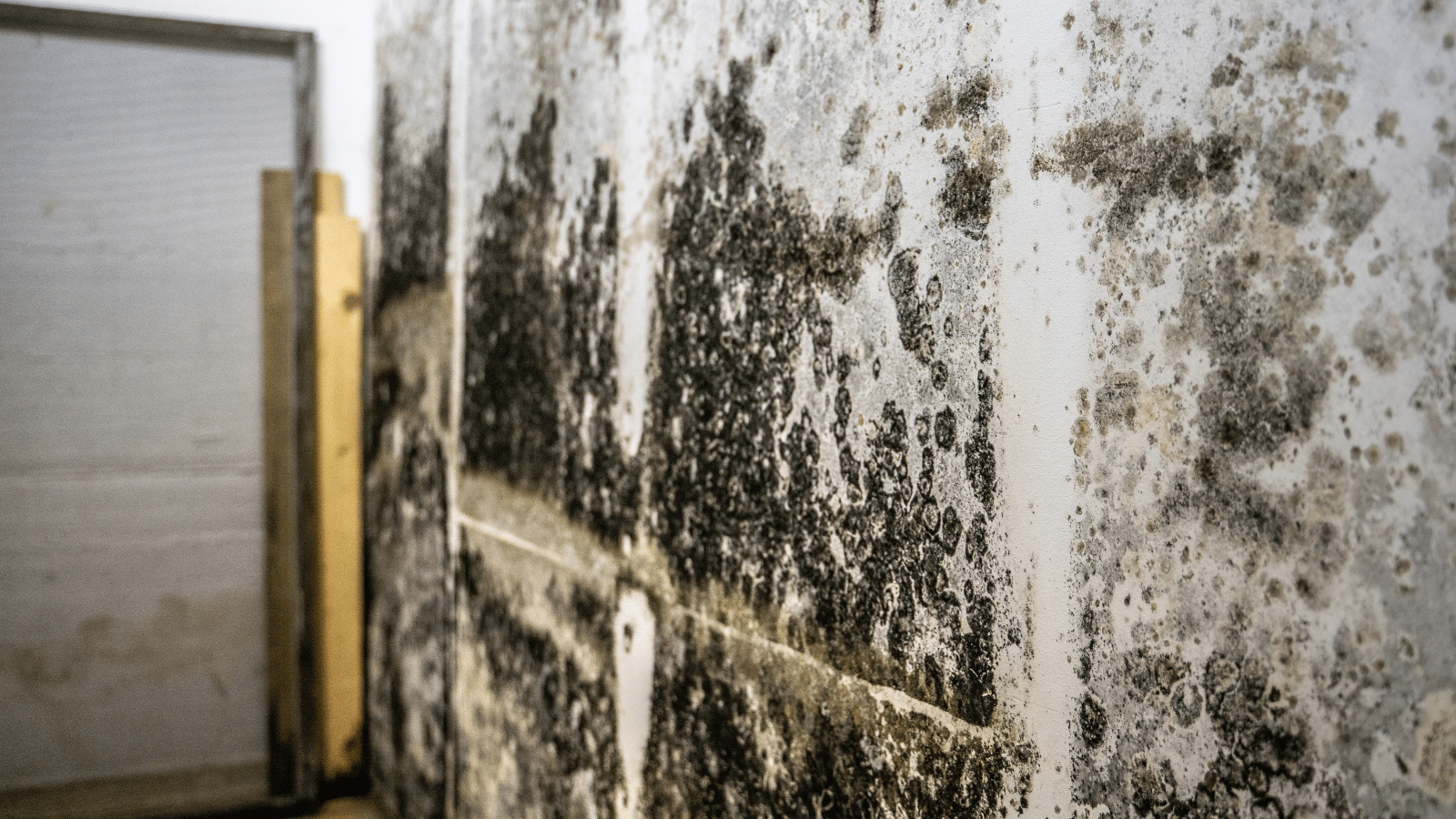
Have you ever wondered if a hidden contamination issue in your home could harm your family or savings?
I’m Douglas Ray Whitehead, owner of Array of Solutions in Greenville, SC. I personally answer calls, inspect homes, and guide each job with 17+ years of field experience. My goal is to deliver the least invasive, most effective air quality solutions while protecting your health and property.
We focus on stopping moisture at the source, containing affected areas, and restoring safe indoor levels. This work uses containment, negative air, HEPA filtration, and EPA-registered products so contamination doesn’t spread during cleanup.
Expect clear estimates tied to square footage, access, and materials affected. I back our workmanship with a transferable warranty and serve as an expert witness in Greenville County when needed. Fast, informed action reduces damage and cost, and gives you peace of mind.
Key Takeaways
- Array of Solutions offers owner-led inspections and personalized plans.
- Containment and HEPA filtration keep spores from spreading during work.
- Costs vary with size, access, and materials; quick fixes often save money.
- We aim to return indoor levels to normal without promising total spore elimination.
- Workmanship comes with a transferable warranty for lasting confidence.
Understanding the what is mold remediation process
Restoring healthy indoor conditions begins with a plan that targets sources, containment, and measured cleanup. I explain goals plainly: we aim to reduce airborne levels to normal, not chase total elimination. That distinction guides all decisions and keeps costs realistic.
Remediation vs. removal — remediation returns acceptable levels by fixing sources, isolating affected areas, and cleaning or replacing materials. Removal refers to the act of treating or discarding items. Both matter, but the goal is safe, usable space.
Common household types include Aspergillus, Penicillium, Cladosporium, Alternaria, Chaetomium, and Stachybotrys (sometimes called black). These species favor damp areas like bathrooms, basements, and kitchens. Past water events and hidden leaks often explain recurring growth.
- Why spores matter: when disturbed they can aerosolize and spread without containment.
- When to test: visible growth confirms a problem; testing helps document levels or clearance.
- Long-term protection relies on source control — fix leaks and reduce humidity to stop repeat growth.
Health, safety, and when to act fast
Early recognition and swift response reduce risk to people and property in affected areas.
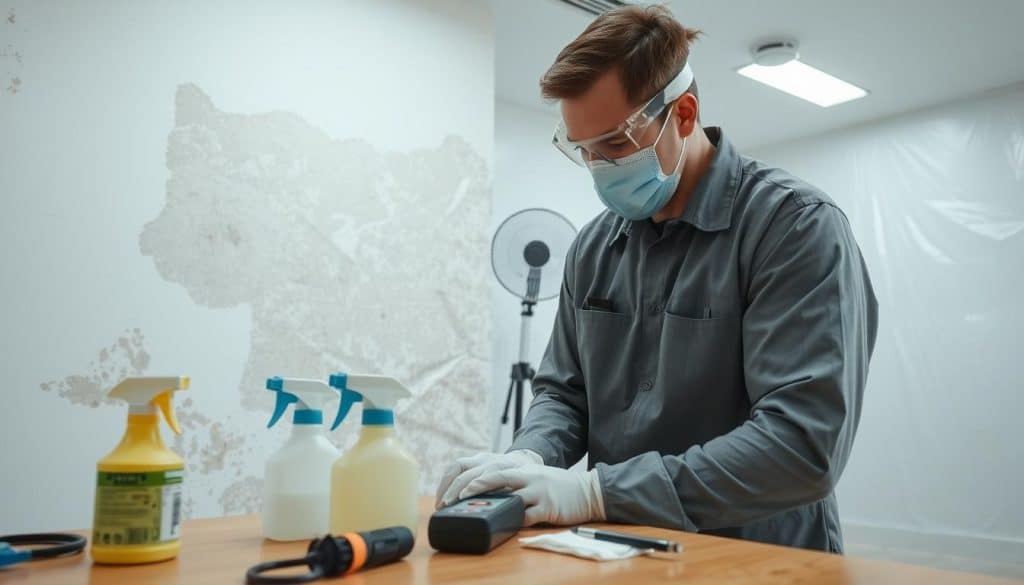
Watch for red flags: musty odors, visible staining, recurrent dampness, or new respiratory symptoms in the home. These signs point to active growth and rising health concerns.
Recognizing signs and high-risk areas
Bathrooms, basements, kitchens, and spaces near past leaks are most likely to host spores. Limited ventilation and persistent moisture make these rooms vulnerable.
Why some situations need professionals
Certain problems raise the stakes: large affected area, recent water damage, HVAC involvement, or suspected black growth. In those cases, containment with sealed plastic and controlled negative pressure prevents spread.
- Act fast: the longer moisture stays, the deeper colonization and greater the damage.
- Protect vulnerable people: children, older adults, and those with respiratory issues need priority attention.
- Safe interim steps: stop water intrusion, lower humidity, and isolate the room until a professional can assess.
I personally advise clients on urgency and next steps so you choose the right level of response and limit cost and disruption.
DIY or hire a pro: deciding based on size, location, and risk
Deciding whether to tackle a small household cleanup or call in experienced help starts with an honest look at size, location, and health risk. I’ll be candid: some spots are reasonable for a careful homeowner, while others need certified solutions to protect your home and family.
When a small, surface-level area may be DIY-safe
DIY generally fits a contained area under 10 square feet on non-porous or sealed surfaces like tile, painted drywall, glass, or metal.
Use full PPE, localized containment, and careful disposal to prevent spread. If you choose this route, call me first and I’ll help you decide and walk through safe steps.
Red flags: HVAC involvement, black mold, water damage, and health concerns
Call professionals when the affected area is larger than 10 square feet, an HVAC return or supply may be involved, previous flooding exists, or occupants are sensitive.
Porous materials such as unsealed drywall or carpet often need removal rather than surface cleaning to avoid recurring problems.
- Small savings from DIY can turn costly if hidden moisture remains.
- Professionals bring negative air, HEPA filtration, and moisture mapping for certainty.
- I always offer a quick phone consult to help you choose the safest, most cost-effective route.
Step-by-step remediation process inside your home
I personally walk you through each step so you always know the timeline, expected disruption, and final outcome. Our approach favors the least invasive route that still delivers effective results and carries a transferable workmanship warranty.
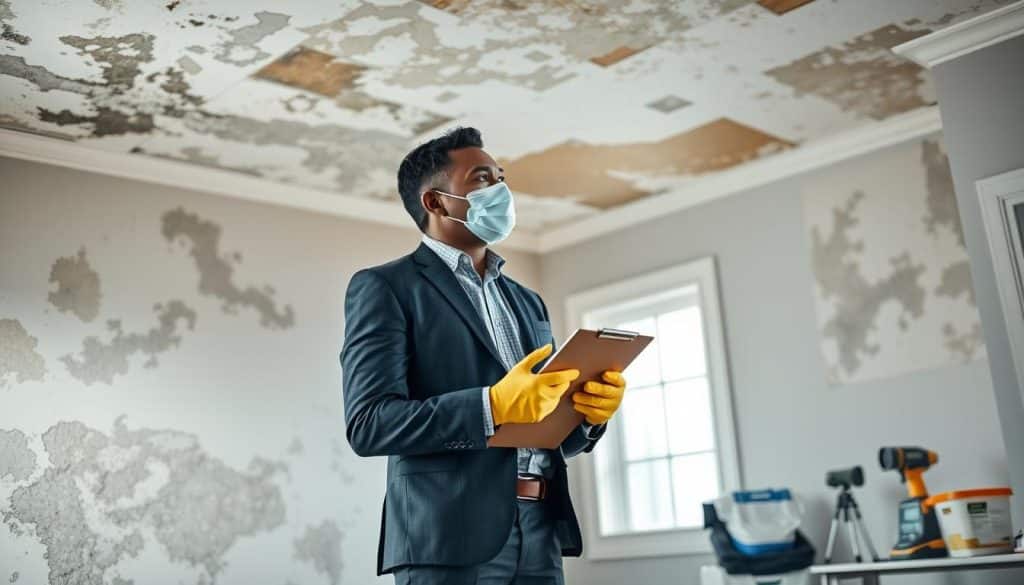
Professional remediation follows eight essentials. We start with assessment and testing and end with clearance air testing to confirm safety for re-occupancy.
- Assessment and testing: We map moisture with meters and thermal imaging and may collect indoor air samples to define the scope and the right remediation process for your home.
- Containment and ventilation: The affected area is isolated using plastic sheeting and sealed barriers. HEPA-filtered AFDs create negative pressure to keep spores from migrating to clean rooms.
- Source control: We locate and stop water and humidity drivers—leaks, poor ventilation, or condensation—so the problem won’t return after cleanup.
- Remove affected materials: Severely damaged porous items like drywall, insulation, carpet, and pad are cut, bagged, and removed to eliminate hidden reservoirs of growth.
- Cleaning and disinfection: We treat appropriate surfaces with EPA-registered agents to kill mold, then HEPA vacuum and wet-wipe walls, framing, and floors for thorough cleaning.
- Dry-out verification: Moisture levels are confirmed at target values before any sealing. Dehumidification and ventilation adjustments control humidity during this step.
- Encapsulation: On clean, dry walls and framing we apply an approved coating past the visible perimeter to seal microscopic residues and protect rebuilt surfaces.
- Final inspection and clearance: We re-check moisture, perform a visual review, and, when needed, run clearance air testing so the space is safe for restoration and re-occupancy.
Throughout the steps, we remove mold with disciplined containment and clear communication. I stay on-site and in contact so you always know the current step and what comes next.
Tools, equipment, and materials professionals use
The right tools let us control the work area and limit spread so your household stays livable. We use professional-grade equipment chosen to be least invasive and most effective. I explain each device we bring so you feel comfortable with the work.
Containment relies on heavy-duty plastic sheeting, zipper doors, and taped seals. Negative air machines and HEPA air scrubbers create directional airflow that pulls contaminants away from clean rooms.
- Air control: HEPA systems filter fine spores and exhaust cleaned air to reduce spread.
- Cleaning tools: EPA-registered biocides applied where appropriate, then HEPA vacuuming removes microscopic residues.
- Worker safety: Respirators, gloves, eye protection, and coveralls prevent carryover and protect occupants.
- Item handling: We bag and wipe contaminated items before removal to limit cross-contamination.
- Monitoring: Moisture meters and hygrometers verify conditions before we move to the next step.
Materials selection matters: tapes, filtration media, and placement protect finishes and reduce noise and disruption. I review placement and workflow so you understand how every tool supports a tested, careful remediation approach.
Costs, timelines, and what impacts both
Clear pricing and realistic timelines matter when a contaminated area affects your home and budget. I scope each job and explain line items so there are no surprises. I also stand behind our workmanship with a transferable warranty.
Typical ranges and per-square-foot pricing
Average cleanup often centers near $2,360, with many projects falling between $10 and $25 per square foot.
Prices rise when a larger area needs work, access is difficult, or HVAC systems require attention.
Restoration: drywall, flooring, and insulation
Water exposure and prolonged wet time increase material damage and extend the scope.
Sometimes thorough cleaning and encapsulation suffice. Other times removal and replacement of drywall, insulation, or flooring is necessary.
- Budget drivers: size of the area, severity of water damage, and access complexity.
- Timeline drivers: containment setup, multi-day drying, cleaning steps, and final inspection.
- Insurance help: we document moisture readings, photos, and steps to support claims.
I walk you through each line item—from materials and air filtration to labor—so you understand where costs come from and how we minimize disruption. Acting fast limits spores from spreading and often saves both time and money.
Prevent future mold: moisture control and ongoing maintenance
Simple daily steps and a few smart upgrades keep indoor moisture under control and protect your investment.
We favor the least invasive, most effective prevention plan—consistent habits plus targeted improvements that protect air quality and finishes. Fix leaks promptly and use exhaust fans in kitchens and baths to move humid air outdoors.
Ventilation, dehumidification, and fixing leaks promptly
Use dehumidifiers in basements and damp areas to hold relative humidity below about 50%. Managed ventilation helps tight, energy-efficient homes avoid condensation on windows and walls.
Daily habits in bathrooms, kitchens, basements, and around windows
Squeegee shower walls, hang wet towels, and remove soaked items quickly so water does not linger and feed growth. Keep exhaust fans clean and vented to the outside, not into attics.
- Check around windows, under sinks, and in basements for damp spots or musty odors and act fast.
- Spot-seal grout and maintain tile cleaning routines in high-use areas.
- Improve airflow in closets and basements by spacing furniture and using small vents or fans.
- Consider hygrometers and leak sensors to alert you when conditions change.
I provide a tailored prevention checklist after every job so you have clear, easy-to-follow steps that help prevent mold, protect homes, and reduce the chance of future spores spreading.
Why Upstate homeowners choose Array of Solutions
When time and trust matter, working with a proven local expert makes cleanup and recovery easier.
Owner-operated expertise: Douglas Ray Whitehead’s 17+ years in Greenville County
I founded Array of Solutions in 2007 and answer every call myself. My background as a contractor, home inspector, and Expert Witness means you get experienced decisions from inspection to final walkthrough.
Least invasive air quality solutions and a transferable workmanship warranty
We aim for the least invasive approach—tight containment, targeted cleaning, and precise source control. That approach preserves unaffected areas and lowers restoration needs for drywall, flooring, or insulation when water has affected a space.
Contact: (864) 710-6413 – scmoldremoval@gmail.com — Your safety is my future
Homeowners benefit from owner-led assessments, clear explanations of testing, and documented cleanup that supports insurance claims. If a job needs professionals, I’ll explain why and show the plan. If you can safely handle a small area yourself, I’ll tell you how.
- You work directly with me for accountability and clear communication.
- We explain testing and clearance so results meet expectations.
- Our transferable warranty gives long-term assurance in our work.

Conclusion
Thank you for reading — your home’s air quality and safety deserve prompt, clear action.
A complete mold remediation plan addresses assessment, containment with plastic barriers and airflow control, selective removal of damaged materials, EPA-approved cleaning, drying, encapsulation, and final testing.
I stand behind our work with a transferable workmanship warranty and favor the least invasive approach that protects walls, finishes, and your budget.
Acting quickly limits water damage, keeps the affected area smaller, and reduces time and cost for cleanup and restoration.
For a personal assessment and a practical plan you can trust, call me at (864) 710-6413 or email scmoldremoval@gmail.com. Your safety is my future — I’m ready to help today.