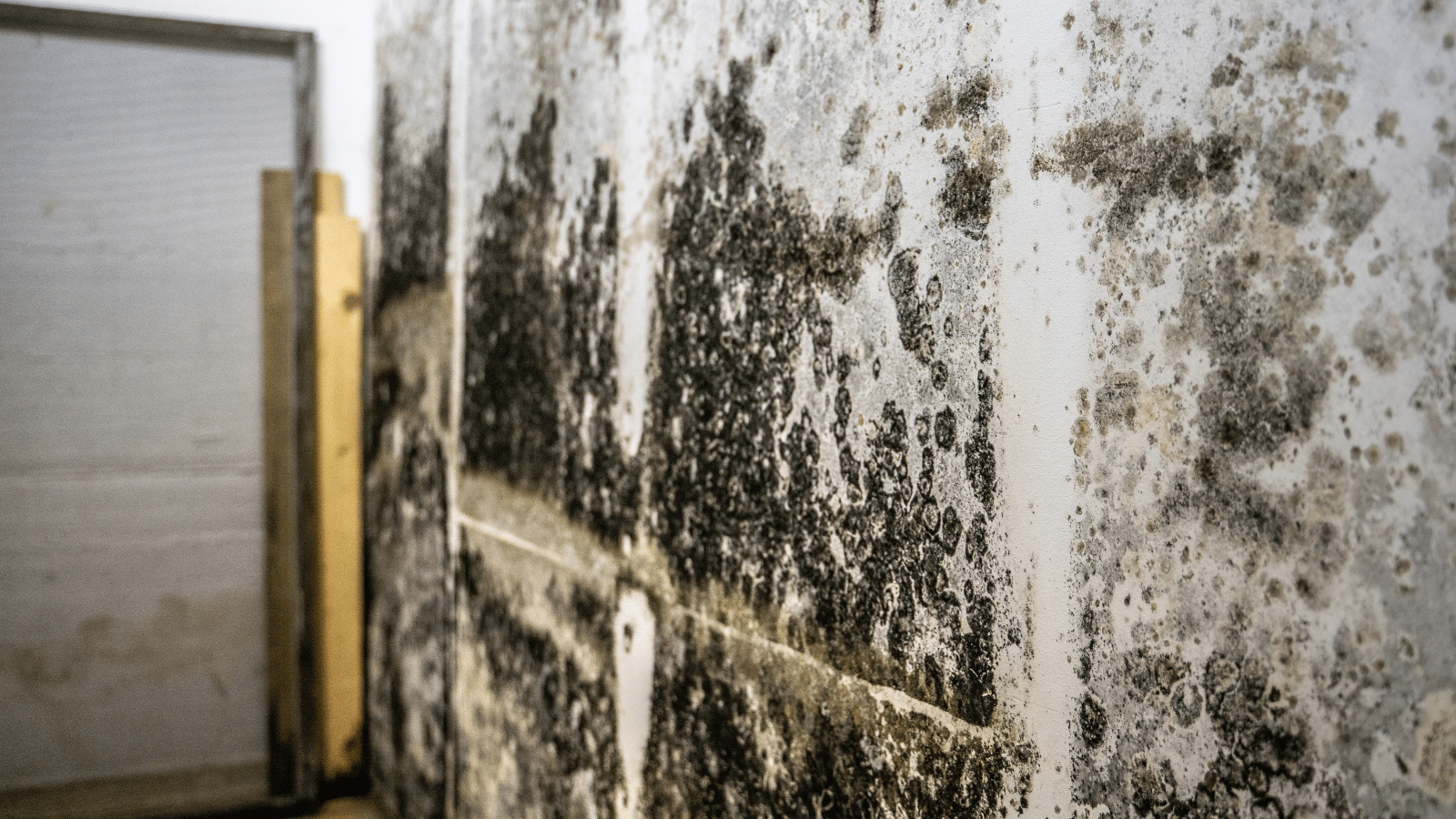
Have you ever wondered why water pools near your foundation after a heavy rain and how a simple trench might solve it for good?
I’m Douglas Ray Whitehead, founder of Array of Solutions in the Upstate since 2007. I handle every call at (864) 710-6413 and scmoldremoval@gmail.com, so you’ll deal directly with me.
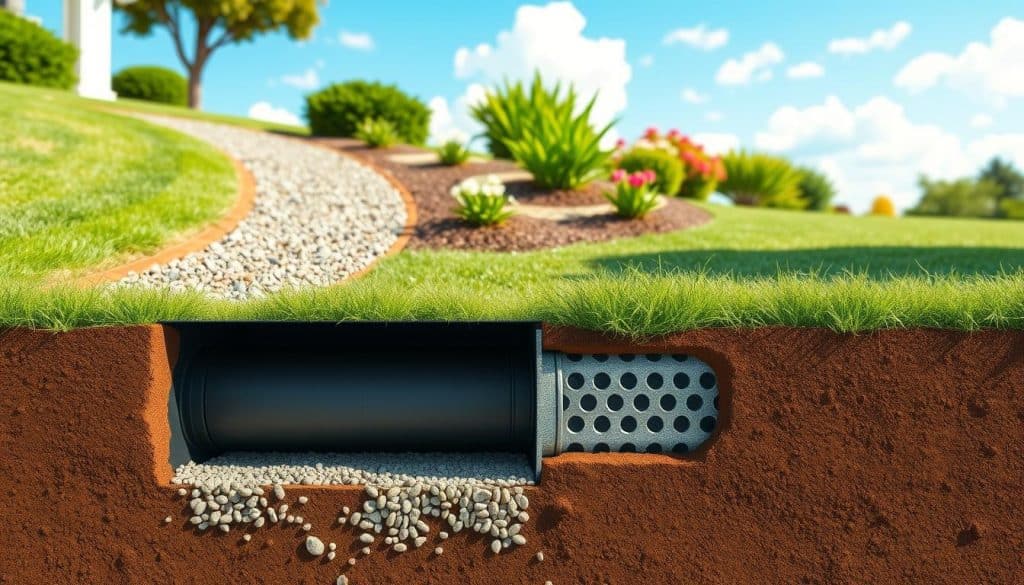
A french drain is a trench with a perforated pipe wrapped in fabric and topped with stone. It uses gravity and the path of least resistance to move water through gravel into the pipe and safely away from your home or landscape.
At Array of Solutions we favor the least invasive installs and back our work with a transferable warranty. Typical costs vary by exterior or interior work, and we set clear expectations so you can weigh value against water damage risk.
Key Takeaways
- Simple trench-and-pipe design redirects water away from foundations.
- Gravity-driven movement makes this system durable and low-maintenance.
- Costs range widely; expect different rates for exterior vs. interior installs.
- Array of Solutions offers direct consulting with a transferable warranty.
- Call or email me for one-to-one guidance tailored to your property in Greenville and the Upstate.
What is French Drainage: Definition, Purpose, and Why It Protects Your Home
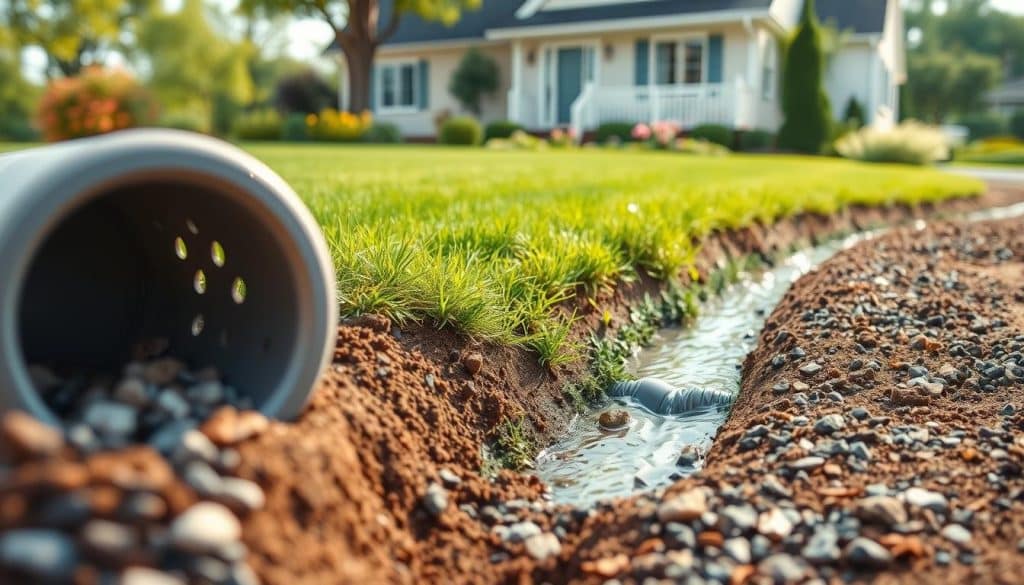
Hidden moisture under the soil can create pressure that forces water into basements and crawlspaces. A subsurface trench filled with gravel and a perforated pipe wrapped in fabric collects this moisture and moves water away from vulnerable parts of your property.
This simple system reduces hydrostatic pressure against foundation walls. By giving groundwater an easier route, the drain helps prevent cracks from turning into leaks and cuts the risk of water damage to your home.
At Array of Solutions I personally assess each home in Greenville, SC and nearby areas. We identify moisture risks to the foundation and basement, then recommend the least invasive fix covered by a transferable warranty.
- A trench, gravel, and a perforated pipe guide water away from your foundation.
- Exterior perimeter systems send runoff off-site or to a sump; interior systems channel seepage to a pump.
- Watch for recurring puddles, damp soil lines on walls, or musty odors—these suggest subsurface issues.
Call me, Douglas Ray Whitehead, at (864) 710-6413 or email scmoldremoval@gmail.com for a direct assessment and a clear plan to protect your home.
How a French Drain Works: Components, Water Flow, and Best-Practice Design
A well-built trench makes subsurface water follow a safer path away from your home. I combine contractor experience and inspection know-how to set depth, slope, and outlets so the system performs long-term.
Core components include a trench, perforated pipe wrapped in water-permeable fabric, and compacted gravel. Each part keeps soil from clogging the pipe while letting water pass freely into the system.
- Trench: typically about 12 inches wide and ~18 inches deep; depths range 8–24 inches.
- Perforated pipe: collects water from the gravel and channels it downhill.
- Fabric and gravel: prevent sediment entry and maintain steady water flow.
Gravity and the path of least resistance guide flow. By reducing hydrostatic pressure against the foundation, the drain system lowers the risk of seepage and structural moisture.
Choose outlets—swales, storm sewers, rain barrels, or sumps—so discharge sits lower than the collection zone. We favor least-invasive installs, high-performance materials, and back workmanship with a transferable warranty.
When and Where to Install a French Drain on Your Property
Persistent puddles and soggy spots tell a clear story about how water moves across your yard. These signs point to areas where a trench and pipe can restore healthy soil and curb erosion.
Yard problems and erosion
Standing water, recurring puddles, and worn channels along slopes show where french drains bring relief. We map low zones so the drain collects runoff before it damages turf or plantings.
Foundation and basement protection
Around foundations, exterior weeping tiles reduce hydrostatic pressure. For intermittent basement seepage, I evaluate whether an outside perimeter or an interior system under the slab fits best.
Hardscapes, walls, and slopes
Drains behind retaining walls lower water loads on walls. On driveways and patios, subsurface runs stop edge undermining and long-term flooding issues.
- We locate telltale signs—soggy areas, standing water, and soil loss.
- We plan trench alignment to avoid utilities and preserve landscape features.
- You receive a clear plan for installing french drain solutions that match your property and budget.
I personally evaluate problem areas across Greenville, SC and nearby communities to recommend the least invasive solution. Call or email me for a site review, warranty details, and next steps.
When Not to Use a French Drain and Common Pitfalls to Avoid
Not every property benefits from an underground trench; some conditions can make these systems fail. I recommend the least invasive approach that will actually work for your site and I’ll explain the risks clearly.
Clay-heavy soil has low permeability. A standard system may underperform unless adapted with enhanced filters or alternative methods.
High groundwater can inundate a drain and make it ineffective during wet seasons. We assess seasonal levels before recommending subsurface work.
- Improper slope causes stagnation and clogging; we verify fall and alignment.
- Failing to locate underground utilities risks service interruptions and costly repairs.
- In cold climates trapped water can freeze, stressing pipes, walls, and the foundation; depth and insulation matter.
Overflow and backflow are real concerns. We position outlets so discharge never returns toward the home and avoids yard flooding or structural damage.
If a drain won’t solve the issues, we’ll propose alternatives that match your goals and protect your property without unnecessary expense.
How to Install a French Drain: A Practical Step-by-Step Guide
Start with a site walk to trace flow lines and mark a route that keeps runoff off foundations and planting beds. Choose a safe discharge point downhill so the trench moves water away from structures.
Assess and plan
Survey low spots and locate utilities. Plan a continuous slope so water heads downhill without pooling.
Dig, line, and bed
Excavate a trench about 12 inches wide and roughly 18 inches deep (8–24 inches as needed). Avoid low spots at the bottom.
Line the trench with permeable fabric and add a level gravel base to support the pipe.
Place pipe and finish
Set a perforated pipe with holes positioned per the product specs and run it to a secure outlet. Connect to a grate, pop-up, or storm tie-in to prevent backflow.
Backfill with clean gravel, wrap the fabric over the top, then cap with topsoil or decorative stone to match your yard.
Maintenance and warranty
Inspect access points annually, clear sediment, and test flow during a rain. We favor least invasive installs to protect landscaping and I personally oversee the installation and provide a transferable warranty.
Call me at (864) 710-6413 or email scmoldremoval@gmail.com for a walkthrough of your plan.
Trench Drains vs. French Drains vs. Swales, Costs, and When to Call Array of Solutions
A quick rain can reveal whether surface runoff or underground flow is causing your trouble. Surface tools like swales and trench drains move runoff fast across paved or open areas. Subsurface systems collect groundwater and protect foundations and basements.
Surface water vs. groundwater: choosing the right system
Use a trench for fast surface water control on driveways or patios. Use a french drain when soft ground or seepage threatens the foundation.
Typical installation costs and price drivers
Expect exterior installs around $10–$50 per linear foot and interior work about $40–$100 per linear foot. Average projects land near $5,000; complex interiors can reach $18,000.
Cost factors include length, depth, access, outlet type, and soil conditions. Good design separates downspouts from subsurface lines to keep water away from the home and reduce future damage.
Why choose Array of Solutions
We use the least invasive, most effective methods and back all work with a transferable warranty. I personally answer calls and emails so you get direct guidance from an experienced practitioner.
- We match trench drains, french drains, or swales to the problem.
- We design safe outlets that don’t send water back toward the foundation.
- We minimize landscape disruption and prioritize long-term performance.
Talk directly with Douglas Ray Whitehead
Call (864) 710-6413 or email scmoldremoval@gmail.com to discuss installing french solutions that fit your budget and site. Serving Greenville, SC and nearby areas since 2007 with hands-on water damage and mold experience.
Conclusion
A tailored solution keeps groundwater from stressing foundations and walls over time.
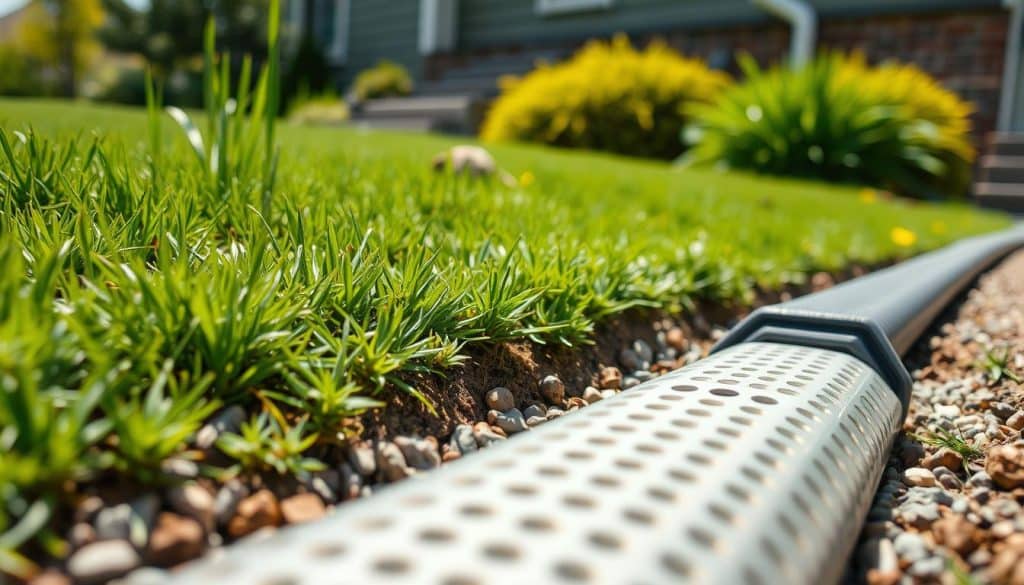
If standing water, soft yard spots, or basement seepage touch your property, a properly designed french drain can protect against costly damage. The system of gravel, fabric, and a perforated pipe guides water away so soil and walls stay dry.
Depth, slope, and outlet choice matter for steady flow and long life. Typical installs range from shallow yard runs to deeper interior systems; costs vary by access and length. Annual checks keep the drain system reliable.
I’m Douglas Ray Whitehead, owner of Array of Solutions. I handle every call at (864) 710-6413 and scmoldremoval@gmail.com. Since 2007 we provide least invasive work with a transferable warranty. Call me to review installing french drain plans or to schedule a site assessment.