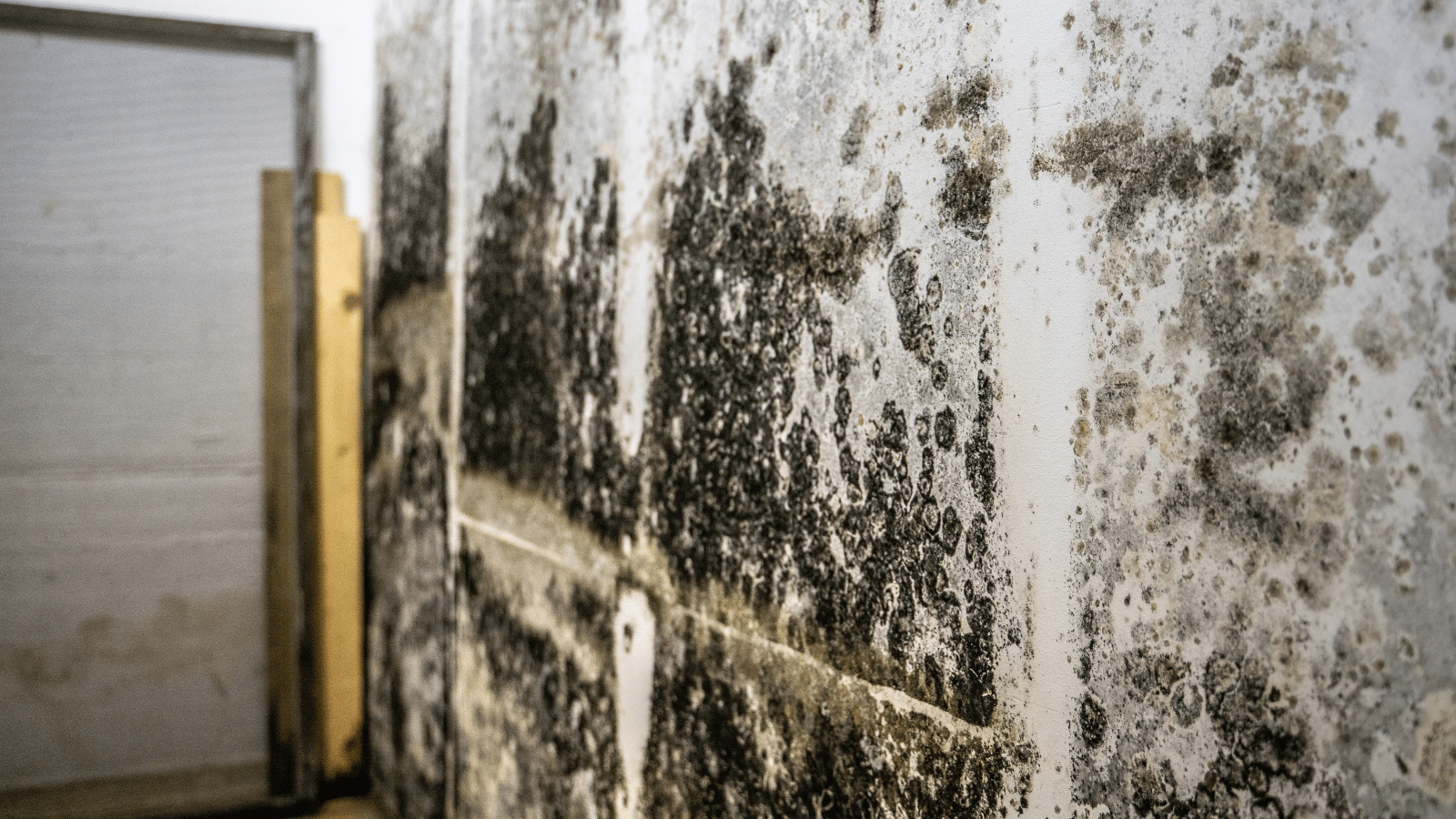
When an unused cooling system traps moisture, it can create contamination that spreads through ducts and registers. I’ve seen this reduce comfort, raise bills, and trigger allergies, so I built Array of Solutions to handle each inquiry personally.
With over 17 years of experience in Greenville, SC, I combine practical contractor know‑how and forensic inspections to deliver the least invasive fixes. This guide explains mold removal ac unit best practices, including safe steps to address mold inside an HVAC system and improve indoor air quality.
You’ll learn where growth starts, which sources of moisture to fix, and when DIY cleaning makes sense versus calling a pro. Call me, Douglas Ray Whitehead, for direct help: (864) 710-6413 or scmoldremoval@gmail.com.
Key Takeaways
- We explain safe, effective steps to handle contamination inside your unit and boost air quality.
- I personally manage every case—local, experienced, and hands‑on in Greenville, SC.
- Common causes include clogged filters, poor airflow, leaks, and high humidity.
- Learn inspection points: evaporator coil, blower, and drain pan/line.
- Simple maintenance and targeted cleaning protect your home and environment long term.
Understanding mold in your HVAC system and why it threatens indoor air quality
When moisture lingers in hidden HVAC spaces, tiny spores find food, multiply, and travel through the home’s air pathways. I explain root causes and practical mold removal fixes so we choose the least invasive, most effective approach together.
Common causes include high humidity, clogged air filters, slow leaks, and restricted airflow. Moisture plus organic dust inside an hvac system becomes fuel for growth. Even small, slow drips keep coils and pans damp long enough for spores to take hold.
Health and efficiency impacts are real. Airborne spores can trigger allergies and asthma in sensitive people. Buildup also reduces heat exchange, forcing the hvac to run longer and raising energy bills.
- Clogged filters trap moisture and particles.
- Poor ventilation and wrong-sized systems worsen humidity.
- Ductwork spreads spores, lowering indoor air quality across the home.
Takeaway: Fix the moisture source first so any cleaning lasts. Early action protects family health and saves equipment from premature wear.
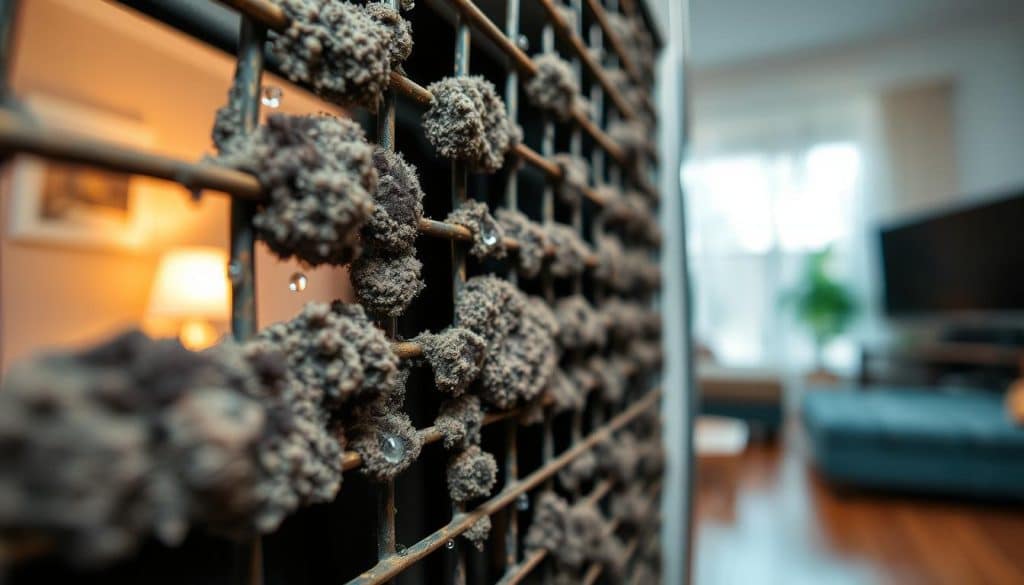
Recognize the signs: when your AC unit is harboring mold
A persistent musty smell from vents or warm, damp spots near registers often signals a hidden problem inside your system. Use a flashlight and the simple “sniff test” at registers to help pinpoint the source.
Musty odors, visible spotting, and condensation are top visual clues. Look for black, brown, or green patches near grilles, sweating lines, or warped and discolored ductwork. These signs often spread throughout home when the system runs.
Respiratory, efficiency, and airflow red flags
Coughing, sneezing, or allergy-like reactions that worsen with operation can mean spores are circulating through ducts. Rising energy bills and longer run times often show the system is working harder due to restricted airflow.
- Inspect the evaporator coil, drain pan, condensate line, and blower compartment first.
- Check air filters for overload or overdue replacement; clogged filters accelerate problems.
- Weak airflow in some rooms may point to ductwork buildup or leaks sending odors to specific areas.
If several signs appear at once, shut the system down to avoid spreading spores and contact me directly — Douglas at Array of Solutions — so I can assess your concerns and guide next steps: (864) 710-6413, scmoldremoval@gmail.com.
Safety first: personal protection and system shut-down before cleaning
Put safety first by cutting power, donning proper PPE, and planning your work area. Before touching the system, make sure the thermostat is off and flip the breaker. This prevents accidental starts and limits spread through the air when panels open.
Wear gloves, sealed eye protection, and a well‑fitted mask or respirator that covers nose and mouth. These steps reduce inhalation and skin contact during cleaning and lower short‑term health risks.
Avoid wetting any electrical boards or connections. Do not rinse live components. If you use bleach, dilute to 1 cup per gallon of water, open windows, and allow about 20 minutes dwell time before rinsing.
- Turn power off at the breaker and keep the fan off so the blower doesn’t push spores through the home.
- Set a small work zone with plastic drop cloths and trash bags to contain debris and contaminated materials.
- Use mild detergent for routine cleaning; strong disinfectants are often unnecessary for small spots.
- If you feel unwell or the contamination looks extensive, stop and call for professional help—your safety is my future.
I provide least invasive solutions and stand behind our work with a transferable warranty. If limits in access or safety concerns arise, contact Array of Solutions for trusted advice or service to protect your environment and air quality.
How-to: mold removal ac unit step-by-step
Begin with power off and a clear workspace. Remove access panels, slide out the air filter, and seal any visibly contaminated filters in bags.
Prep and safe access
Turn off power at the breaker and keep the fan off so debris doesn’t spread through the home. Vacuum loose dust inside the cabinet and label screws as you work.
Cleaning coils, blower, and drain areas
For the evaporator, use a soft brush or approved coil cleaner and spray perpendicular to fins to avoid bending them. Gently wipe the blower blades and housing, avoiding wires and wetting electrical parts.
Clean the condensate pan and clear the drain line with a wet/dry vacuum or flexible brush. Let parts dry fully before reassembly; trapped moisture invites renewed growth.
Disinfecting and outdoor care
Use mild detergent for routine film, white vinegar or 3% hydrogen peroxide as non‑toxic options. Reserve bleach at 1 cup per gallon of water for stubborn spots and ventilate well.
Outside, remove debris, straighten fins with a fin comb, and follow label instructions when using an exterior coil cleaner to restore airflow and reduce strain on the compressor.
- Power off, bag filters, and set containment.
- Vacuum, then wipe smooth surfaces.
- Treat evaporator and blower with care.
- Clear drain line; allow full dry time.
- Reassemble and test for steady air and drainage.
If you prefer expert help, I personally manage every project from inspection to sign‑off. Call Douglas at (864) 710-6413 or email scmoldremoval@gmail.com for a no-pressure consultation in Greenville, SC.

Ductwork and drainage: stopping moisture at the source
A reliable solution begins where water collects — the condensate trap and the duct seams that sweat in warm weather. Fixing these areas cuts off the root cause so any surface work holds up over time.
Clearing and sanitizing the condensate drain line
Start at the drain cleanout. Attach a wet/dry vacuum to pull biofilm and debris, then flush the line and sanitize to restore flow and reduce standing water. This step reduces the chance that spores re-enter the air stream.
When to inspect, seal, or replace duct sections
Frequent dirt or visible streaks at seams often point to leaks. Seal joints, add insulation where ducts sweat, and repair sags or trap issues that hold water.
- Visual inspection before duct cleaning helps decide if sealing or replacement is better.
- Duct cleaning every 3–5 years fits many homes, but addressing moisture and leaks first is key.
- Contaminated flex duct that won’t clean effectively should be replaced with minimal disruption.
We prioritize fixes that stop moisture with minimal disruption. I’ll explain options, timelines, and the workmanship warranty before any remediation on your hvac system or surrounding areas so you know what to expect for lasting air quality improvements.
Prevent mold growth for healthier indoor air
Small changes—regular filters and controlled humidity—make a big difference for indoor air quality. We design prevention plans that are simple to follow and easy to sustain. Below are practical steps you can use in any home.
Filter changes and airflow best practices
Change standard air filters every 1–3 months. Higher MERV ratings capture more particles but must be sized to keep steady airflow.
Keep returns and supply grilles clear. Vacuum registers so dust does not feed growth in the plenum or ducts.
Humidity control under 60%
Aim to keep indoor humidity below 60%. Use dehumidifiers in basements and run exhaust fans in baths and kitchens.
For trips, set the thermostat a bit higher so the hvac cycles occasionally and prevents stagnant, damp air.
UV/IAQ lights, maintenance, and right-sizing
UV or IAQ lights near the coil help limit biofilm on damp surfaces. Schedule seasonal tune-ups to catch slow drains or airflow issues early.
If comfort problems persist, we evaluate right-sizing. Oversized systems cool fast but can leave excess humidity and support growth.
- We recommend: a filter routine, regular inspections, and a tailored humidity plan.
- Call Douglas at Array of Solutions for a custom maintenance schedule in Greenville, SC: (864) 710-6413.
DIY vs. professional mold remediation: what’s best for your home
Evaluate access, health risks, and the scope before choosing DIY or paid remediation services.
Small, isolated spots on accessible surfaces can often be handled by a careful homeowner. Make sure you power equipment off, use proper PPE, and contain debris so particles don’t spread through the air.
Call Array of Solutions when contamination appears throughout home via multiple vents, when odors return after cleaning, or when anyone has asthma or sensitivities.
- DIY fits small, reachable spots; follow PPE guidance and contain the area.
- We evaluate the hvac system end to end to find moisture sources and necessary repairs.
- Professional remediation uses containment, specialized tools, and full diagnostics to reduce long‑term risks.
I’ve completed 1,000+ inspections and hundreds of remediations since 2007, and I personally manage every job in Greenville, SC. Typical remediation ranges from $3,000–$10,000 depending on severity.
We provide a clear scope, photos, options, and a transferable workmanship warranty so you know who did the work and why. For fast advice or an assessment, contact Douglas at (864) 710-6413 or scmoldremoval@gmail.com.

Conclusion
Keep indoor air healthy by treating moisture problems quickly and following a simple maintenance routine.
You now have a clear roadmap to spot signs, protect yourself, and clean key areas like the evaporator, blower, and drain pan without harming electrical parts.
Prevention wins: change the air filter on schedule, control indoor humidity below 60%, clear the condensate line, and keep airflow unobstructed to help prevent mold growth from returning.
If musty odors, dust streaks, or visible spotting come back, those signs likely point to deeper leaks, ventilation issues, or sizing problems that need a pro assessment.
I’m here to help—personally and promptly. Call Douglas Ray Whitehead at (864) 710-6413 or email scmoldremoval@gmail.com. All workmanship carries a transferable warranty.