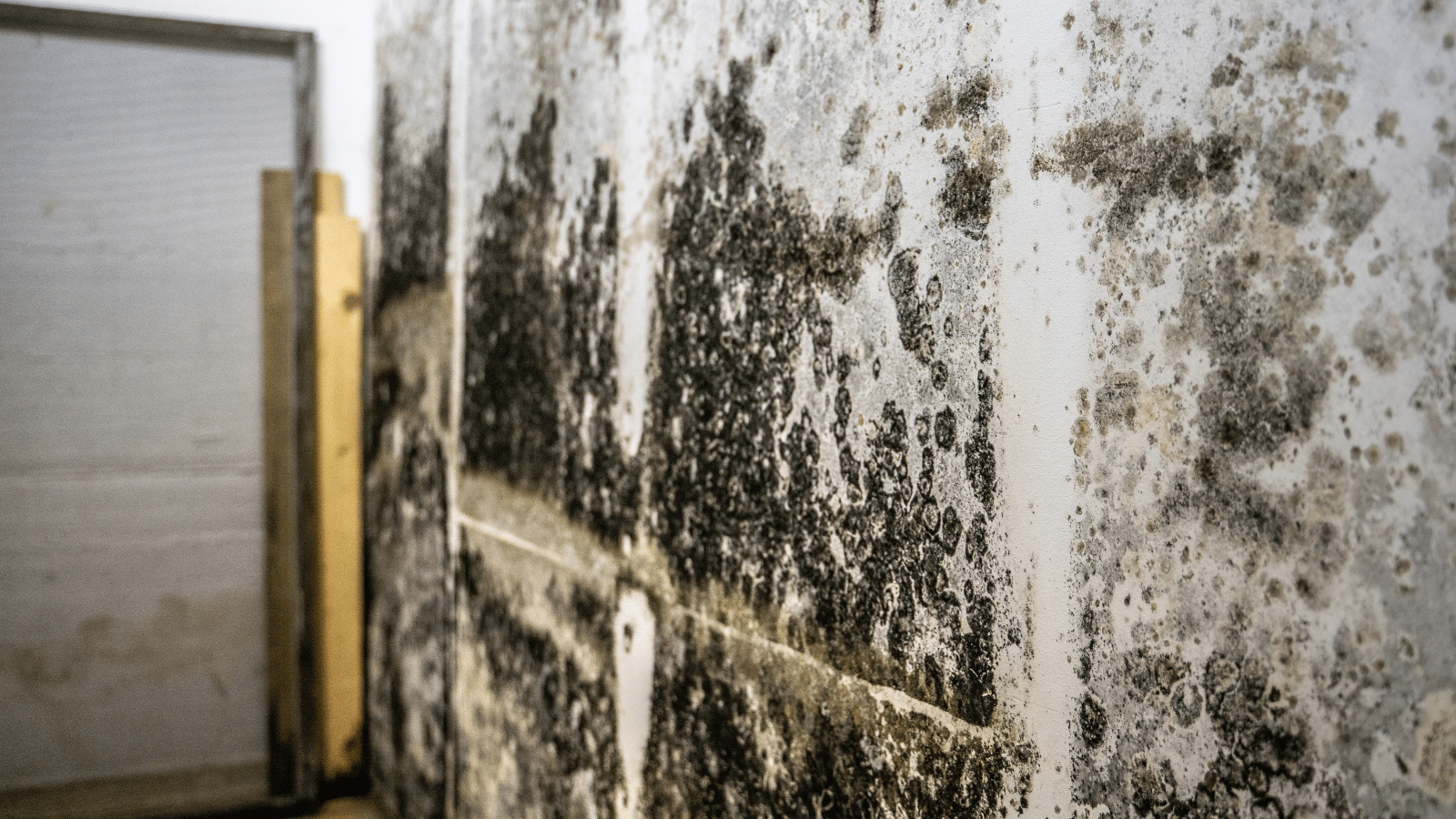
Curious whether paying for professional service truly improves indoor air or just drains your wallet?
I’m Douglas Ray Whitehead, owner of Array of Solutions in Greenville, SC. I answer every call personally and bring 17+ years of hands-on mold and environmental work.
My team uses least invasive, proven methods and we back workmanship with a transferable warranty. For homeowners wondering is air duct cleaning a waste of money, routine service is not always needed—but cleaning clearly helps when you see visible dust discharge, mold, moisture, odors, vermin, or post-renovation debris.
We recommend annual inspections and practical steps like high-efficiency filters, sealing during projects, and moisture control to reduce contamination and future service needs.
Call me at (864) 710-6413 or email scmoldremoval@gmail.com for a direct, evidence-based consult tailored to Greenville homes.
Key Takeaways
- Cleaning helps when there is visible dust, mold, moisture, odors, vermin, or post-renovation debris.
- Annual inspections catch issues early so you avoid unnecessary service costs.
- Choose providers who use negative-air containment and HEPA or truck-mounted vacuums.
- Prevention—better filters, sealing, and moisture control—reduces the need for frequent work.
- Array of Solutions offers owner-led, warrantied service with local Greenville expertise.
Understanding Air Duct Cleaning, Your HVAC System, and Indoor Air Quality
Before you book service, know which parts technicians inspect and why each matters for indoor health.
Comprehensive work covers more than registers. Typical components include supply and return runs, grilles, plenums, coils, condensate pans, the blower housing, and the air handling unit. Treating the whole system prevents contaminants left behind in critical places.
Dust and debris settle in low-flow sections and on rough interior surfaces. Removal needs agitation plus negative pressure to draw particles out rather than just push them deeper.
- What we inspect: registers, heat exchangers, cooling coils, fan housing, and drain pans.
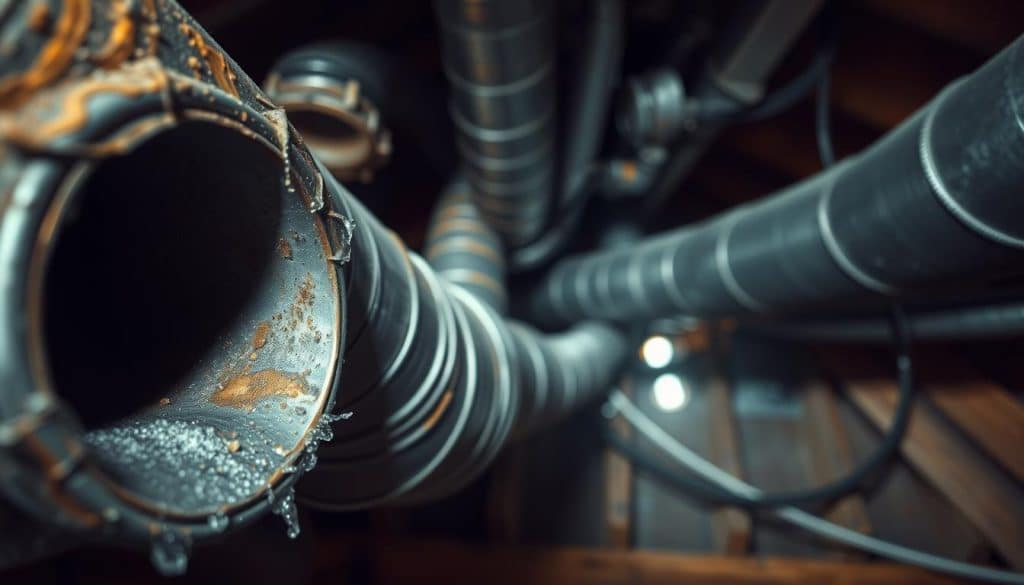
- Why moisture matters: leaks, poor insulation, or blocked drains encourage microbial growth and odors.
- When to act: visible discharge from supply vents, persistent musty smells, or post-renovation debris suggest a system-level issue.
Filter quality and fit affect how much particulate reaches ducts. Every home’s needs differ—occupancy, pets, recent work, and moisture history drive the proper interval for service.
Is Air Duct Cleaning a Waste of Money? What the Evidence and Agencies Say
Public guidance and trade standards frame when service makes practical sense for homeowners.
EPA guidance does not recommend routine service for every home. Instead, it advises work when there is visible growth, vermin, or heavy debris released from vents. That means inspection first, not automatic contracts.
What trade guidance recommends
NADCA-aligned practices favor an inspection-led approach. Open access points, document conditions, then decide whether full work is needed. This protects components like coils and the blower housing.
When signs change the decision
- Documented growth or mold inside systems calls for removal.
- Vermin or heavy dust release from supply registers warrants cleaning.
- Request written estimates and visual proof before you hire any companies.
Our guidance is pragmatic: we help you avoid unnecessary spend while addressing verified risks. Call me to review photos or observations and decide the next steps without pressure.
Common Misconceptions That Lead Homeowners to Call Duct Cleaning a “Waste”
Many homeowners call service pointless when they only see light dust on vents or registers. That surface film often triggers assumptions that the whole system is fine.
Not all dust is equal. Routine surface dust on grilles does not prove internal contamination. Clogged runs or soiled components do matter and need targeted work.
Myth: cleaning ducts won’t impact HVAC efficiency or air quality
When coils, blower housings, or pans collect debris, airflow drops and odors recur. Thorough service that reaches those parts can restore performance and reduce particle recirculation.
Myth: only people with allergies need their ducts cleaned
Even homes without allergy concerns can benefit when moisture causes growth, vermin nest, or renovation debris enters the system. We recommend inspection first so you avoid unnecessary spend.
- Quick facts: removal helps airflow; surface dust alone rarely justifies whole-system work.
- In Greenville, controlling moisture and using better filters usually gives more value than calendar-based cleanings.
Clear Signs Your Air Ducts Should Be Cleaned (and When to Wait)
Not every home needs air duct service right away; know the specific red flags that justify action. I’ll ask targeted questions about odors, moisture history, pest sightings, and renovation dates to decide whether an inspection or full work is needed.
Mold growth, moisture, or musty odors
Visible mold growth inside registers, plenums, or the handler is a clear sign. Musty smells paired with moisture suggest ongoing growth, so we pair removal with source control to prevent recurrence.
Vermin, insects, or nesting materials
Droppings, nests, or live pests demand removal. Evidence of infestation means contaminants can spread through the system and requires a thorough, contained process.
Heavy dust or post‑renovation debris
If you see visible puffs of dust from supply registers or construction debris entered the lines, a full-system service with containment and HEPA filtration is appropriate.
Recurring allergy or respiratory symptoms
Persistent symptoms may point to indoor exposures. We inspect to confirm whether dirty ducts contribute, then recommend remedies that protect household health.
- When to wait: no visible growth, pests, dust bursts, or symptoms — focus on better filters and moisture control.
- Routine checks: annual inspections; actual cleaning time varies with pets, occupancy, and recent projects.
Air Duct Cleaning Benefits and Risks: Health, Efficiency, and System Longevity
Thoughtful work can improve health outcomes and restore lost airflow in many homes.
Reducing allergens, odors, and airborne particles: When contamination is documented, thorough service lowers particulate levels, cuts lingering smells, and reduces allergens that trigger symptoms. Families often report fresher indoor air and fewer irritants after proper work.
Improved airflow, energy efficiency, and component protection: Removing buildup from coils, blower blades, and return paths restores flow. That reduces runtime and strain on the hvac system and heating equipment, which can extend component life.
- In Greenville’s humidity, keeping condensate pans clean and drains clear helps prevent mold and recurring odors that travel through ducts.
- We favor mechanical removal, HEPA or outside-exhaust vacuuming, and moisture control over routine chemical use.
- We practice least invasive methods to protect your ductwork and components and back workmanship with a transferable warranty.
Risks of poor workmanship: Partial work or minimal equipment can leave debris behind, crush connections, or disconnect runs. That causes damage and wasted money rather than benefit.
We document conditions and results with visual proof so you can see the difference. Call me for an inspection-based plan that weighs benefits and risks for your home.
How to Choose Professional Duct Cleaning (and Avoid Scams)
Choosing a reputable service protects your home and ensures real results. Start by speaking with me directly so I can review photos and explain steps before any work begins.
Red flags: beware ultra-low “whole house” pricing and firms making broad health claims or offering EPA certification they cannot prove.
What a reputable process looks like
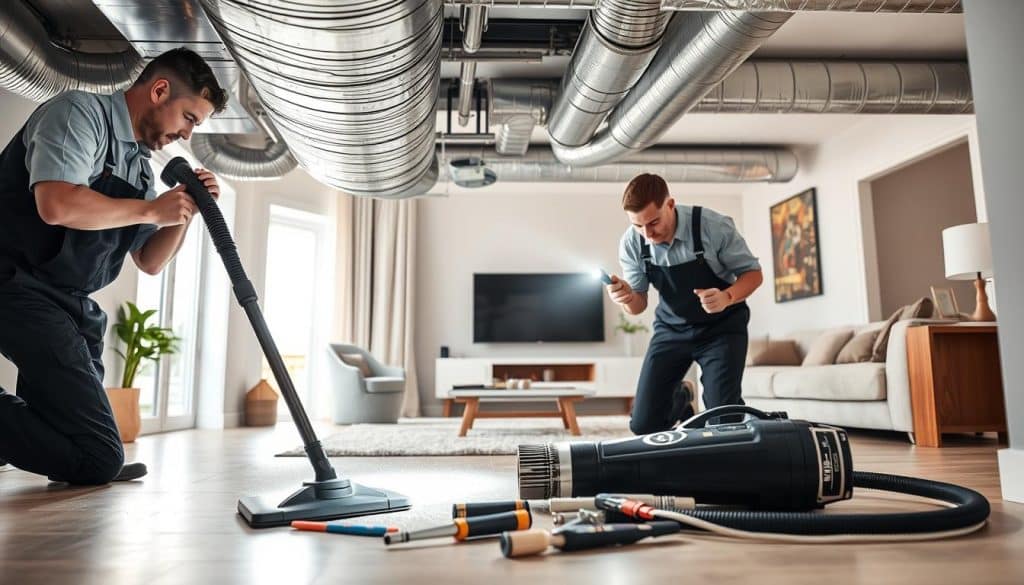
Expect access panels, containment, and outside-exhaust or HEPA vacuums. Proper work uses gentle agitation for fragile liners and documents before-and-after conditions for coils, pans, and the blower.
Standards and credentials
- Ask for written estimates that outline scope, protections for furnishings, and how access ports will be sealed.
- Talk to multiple providers and request visual proof of contamination and results.
- Confirm local licensing, NADCA-aligned procedures, and experience with hvac components and ductwork.
My promise: I provide clear estimates, protect your home, schedule realistic time windows, and verify results visually so you avoid wasted money and poor quality work.
Is air duct cleaning a waste of money? A Cost-Value Lens for Greenville, SC Homes
Before you spend on system service, weigh the real returns for Greenville homes. I help you prioritize spending so your choices deliver measurable benefits.
When cleaning delivers ROI—and when your money is better spent elsewhere
Cleaning has the best return when visible particles, odors, moisture, or pest evidence show system contamination. Post‑renovation dust and active mold are frequent reasons to act.
If inspection finds no internal contamination, we often recommend spending on filter upgrades, sealing, or condensate repairs instead of immediate service. Those fixes protect performance and reduce future needs.
Prevention first: filtration, moisture control, and post-project housekeeping
Choose high‑efficiency filters that fit correctly and replace them on schedule. Seal registers during renovations and keep the system off during heavy dust work.
- ROI is strongest when cleaning solves verified airflow, odor, or particle release problems.
- In pet-heavy homes, inspect more often and change filters more frequently rather than routine whole-system work.
- Fix moisture and leaks first; a dry system resists growth and long-term odors.
Our plan: inspect, repair moisture or leaks, upgrade filtration, then clean only when evidence supports it. That sequence protects your investment and improves indoor quality without needless expense.
Why Array of Solutions for Air Quality and Mold in the Upstate
When an owner answers your call, you get clarity, continuity, and committed workmanship. I founded Array of Solutions in 2007 and I still lead each project.
Owner-operated expertise
Douglas Ray Whitehead brings 17+ years of hands-on work and serves as an Expert Witness in Greenville County Courts. I have completed 1,000+ mold inspections and hundreds of remediations. That background delivers precise, defensible documentation and least invasive methods.
Services and warranty
Our company focuses on water damage response, mold inspection and remediation, and indoor air quality guidance. We pair thorough inspection with targeted service and back every job with a transferable workmanship warranty.
How we work with your home
- Work with the owner from first call through final sign-off; I answer questions personally.
- Assess moisture history, HVAC and system conditions, then recommend repairs or targeted service.
- Protect your home with careful access, containment, and complete cleanup.
- Provide lasting guidance on filtration, housekeeping, and moisture control.
Contact Doug directly: (864) 710-6413 — scmoldremoval@gmail.com. Your safety is my future.
Conclusion
Deciding what to do next depends on clear signs, not calendar rules or sales pitches.
Value comes when visible dust bursts, growth, pests, odors, clogs, or post‑project debris prove contamination. Start with an inspection that documents conditions before any full work.
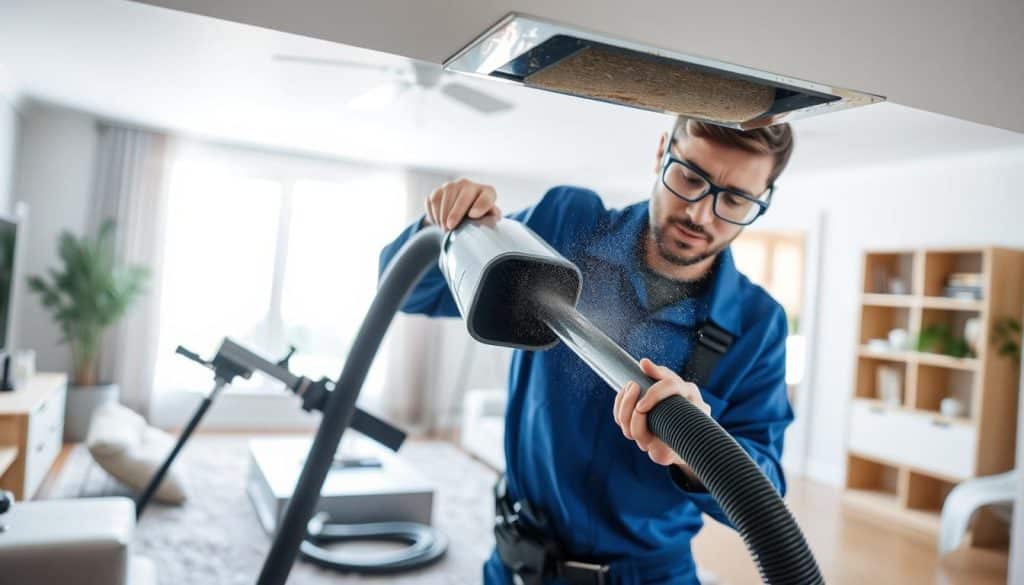
Prioritize moisture control and filtration upgrades to reduce future needs. When systems require service, choose methods with outside-exhaust or HEPA vacuuming, soft-bristle agitation, and sealed access points.
For Greenville homes, I offer owner-led guidance, visual proof, and a transferable workmanship warranty. Call (864) 710-6413 or email scmoldremoval@gmail.com for a personal, evidence-based plan for your home.