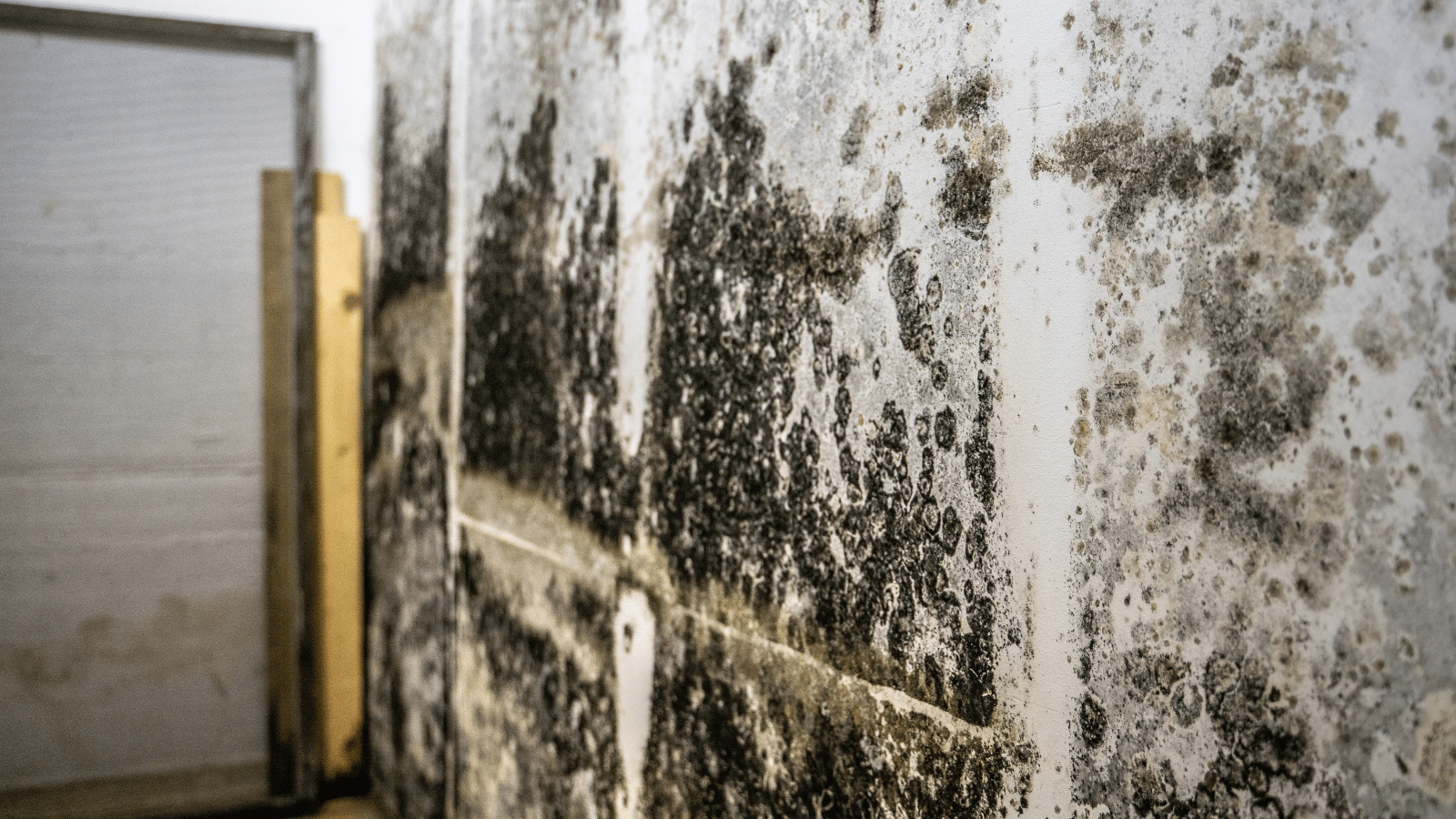
Ever wondered how to remove mold from walls when a small spot on a wall could be quietly harming your family’s air? That common stain can lower indoor air quality and trigger allergies or asthma. Acting fast matters, but so does doing the job the right way.
I’m Douglas Ray Whitehead, owner of Array of Solutions in Greenville, SC. I’ve led over a thousand inspections and hundreds of remediations since 2007. You’ll speak with me directly; I handle every inquiry.
In this guide we explain practical, safe steps you can use at home for small areas and when the size or conditions mean professionals should step in. We focus on clear safety rules, proper PPE, and simple air control tips so spores don’t spread to clean rooms.
Your safety is my future. If the affected area exceeds recommended limits, or if you feel unsure, call (864) 710-6413 or email scmoldremoval@gmail.com for an expert evaluation backed by a transferable warranty.
Key Takeaways
- Small spots can often be handled safely with the right precautions.
- Protect air movement and wear PPE to reduce exposure risk.
- Don’t mix cleaning products; fumes can be dangerous.
- Over 10 square feet usually means call a professional.
- Array of Solutions offers minimally invasive, warrantied work in Greenville, SC.
Understand the problem before you scrub: safety, size, and indoor air quality
Pause and check three things first: protective gear, how large the spot is, and how air flows.
Safety first: Wear an N95 respirator or equivalent, eye protection, and gloves. These simple steps cut exposure to mold spores and cleaning fumes.
- Open windows and run exhaust fans for proper ventilation so air moves out, not into clean rooms.
- Never mix cleaners — combining bleach with vinegar or ammonia makes dangerous gases. Pick one solution and use it safely.
- If the affected area is larger than about 10 square feet, pause and call a professional for containment and removal.
Watch the material for damage like soft drywall or crumbling sections; hidden moisture may mean deeper growth and longer repairs.
Health note: Mold releases spores that can worsen allergies, asthma, and general respiratory irritation — common in a bathroom or poorly ventilated room.
If you’re unsure about size, symptoms, or moisture, call me at (864) 710-6413 for direct guidance. We prioritize safe, least-invasive practice and will help you plan the next steps.
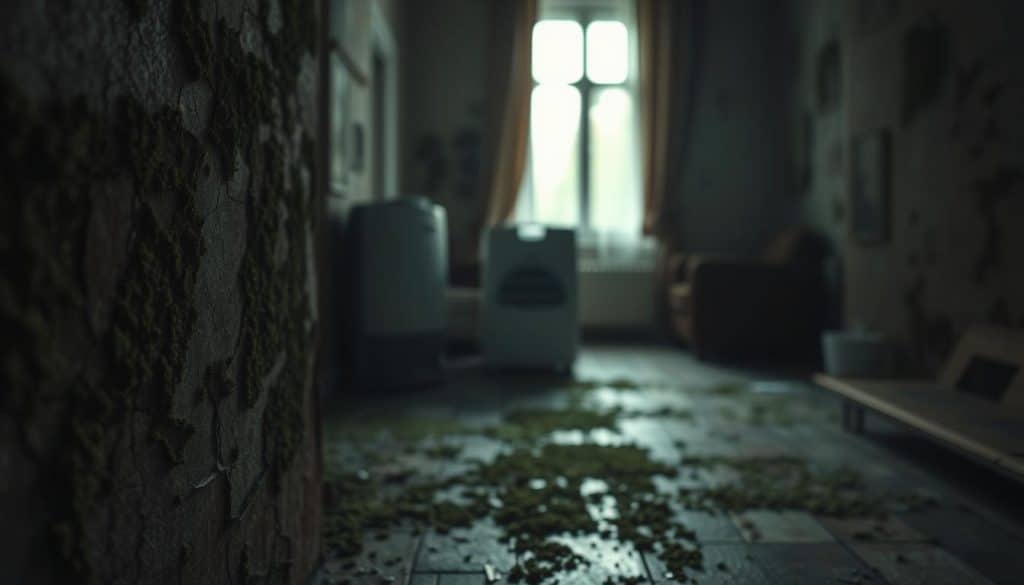
Gather supplies and prep the area the right way
A calm, orderly prep step keeps spores contained and protects your home finishes. We focus on least-invasive supplies and an efficient staging plan so your space stays livable during cleaning.
Tools and solutions
Assemble PPE first: gloves, eyewear, and an N95 or equivalent mask. Then set out a spray bottle and a soft sponge.
- Mix mild detergent or a vinegar-based cleaning solution with water for painted surfaces.
- Have baking soda or borax available for stubborn spots; reserve bleach for hard, non-porous areas only.
- Keep a bucket of clean water and a second bucket for used solution to prevent cross-contamination.
Protect your home
Isolate the work area by closing doors and covering nearby furniture and flooring with plastic sheeting.
- Position a fan to exhaust outdoors and crack windows slightly to maintain negative pressure in the area.
- Stage tools: bottle for spray, sponge for gentle agitation, and dry cloths for wipe-downs.
- Pretest your chosen cleaning solution on an inconspicuous patch so you can make sure the finish holds.
- Keep pets and family out of the area while work is underway and during drying.
Need help planning prep? Call Douglas at (864) 710-6413 for direct guidance and minimal-impact recommendations.
How to remove mold from walls: a step-by-step guide
We follow a least-invasive sequence: start gentle, then escalate only when needed. That protects paint and drywall while addressing mold promptly.
Painted walls and drywall: detergent, vinegar, and gentle scrubbing
Mix warm water and mild detergent in a spray bottle. Lightly mist the surface, then use the soft side of a sponge for gentle scrubbing.
Rinse with clean water and pat dry. If stains linger, try undiluted vinegar or a 1:1 vinegar-water mix and allow contact time before wiping.
Bleach-based method for non-porous areas
Reserve bleach for hard, non-porous surfaces only. Use 1 tbsp dish soap + 1/2 cup bleach + 1 cup warm water.
Work from the bottom up to control streaking, ventilate well, and then let the surface air dry without wiping.
Stubborn spots and final drying
- For persistent patches, a borax recipe (2 tbsp borax, 2 oz vinegar, 16 oz hot water) sprayed, scrubbed, and left 10–15 minutes often works.
- Hydrogen peroxide (3%) can kill mold with repeated applications on stubborn areas.
- Dry completely: run fans or a dehumidifier and target an air dry finish before rechecking for residual growth.
Make sure you wear N95, gloves, and eye protection. If the area is large or you suspect hidden water, call Douglas at (864) 710-6413 for help.
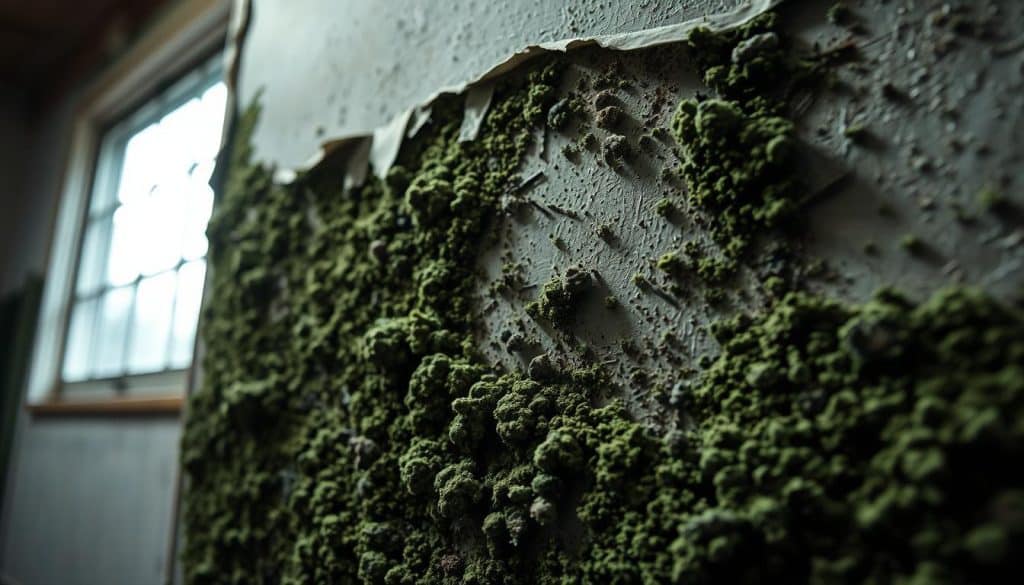
Different walls, different methods: painted drywall vs. concrete
Choice of material dictates our approach—gentle on paint, firm on concrete. Painted drywall often holds growth on the surface and responds to mild solutions with light scrubbing. Use minimal water and gentle wiping so the paper facing beneath the paint does not soften.
Test a small, hidden patch first to confirm colorfastness and avoid dulling the paint. For painted surfaces, a detergent or vinegar solution and a soft sponge usually work. Keep contact time short and dry the area quickly with fans.
Concrete and masonry
Concrete and masonry are porous and need firmer action. Pre-wet the surface with your chosen solution, then use a stiff-bristle brush for scrubbing.
- Rinse thoroughly with clear water to flush residues from pores.
- Speed drying with airflow and a dehumidifier prevents moisture from wicking back up.
- Consider applying a concrete sealer or mold inhibitor after cleaning to reduce porosity and future growth.
Note: A bleach pass can help on sealed, non-porous sections but use strong ventilation and PPE. If cleaning uncovers larger damage or a bigger area than expected, pause and call Douglas at (864) 710-6413 for a least-invasive plan.
Prevent mold from returning after removal
Preventing future growth starts with fixing sources of moisture quickly. Address leaks, condensation at windows and roofs, and any plumbing issues as soon as you spot them. Quick repairs remove the wet conditions that feed mold.
Manage indoor humidity and ventilation. Keep humidity between 30–50% with dehumidifiers or AC. Run exhaust fans in bathrooms and kitchens and confirm they vent outdoors, not into attics or crawl spaces.
- Control humidity levels so moisture won’t collect on cool surfaces.
- Fix roof, plumbing, and window leaks and recheck after storms or heavy bathroom use.
- Improve air changes with properly ducted fans and better window performance.
- Adopt a light aftercare routine: regular cleaning of moisture-prone surfaces, check caulk and under sinks.
- Only apply mold-resistant paint after surfaces are fully cleaned and dry.
Our mission is to protect your health long after cleanup. For a prevention plan tailored to your Greenville, SC home, call Douglas at (864) 710-6413.
When to call a professional in the Upstate—least invasive, most effective solutions
When growth covers a large area or keeps coming back, professional help makes sense. Call now if you see a large area of visible mold, repeating growth after prior cleanups, or suspect hidden moisture from roofs, plumbing, or foundation in your house.
Professional remediation begins with a focused assessment. We identify the full extent of damage, including behind walls and in low-access spaces, so decisions on scope and budget are clear.
- Containment: We limit spread of spores during work using least-invasive barriers.
- Removal: Approved methods and equipment are used for safe and effective cleaning and removing materials when required.
- Moisture control: Monitoring and correction of the source prevents recurrence and protects air quality.
You’ll speak directly with me, Douglas Ray Whitehead, on every job. I’ve done over a thousand inspections and hundreds of remediations since 2007, serve as an Expert Witness, and stand behind our transferable workmanship warranty.
Call (864) 710-6413 or email scmoldremoval@gmail.com to schedule an assessment in Greenville, SC and surrounding areas.
Conclusion
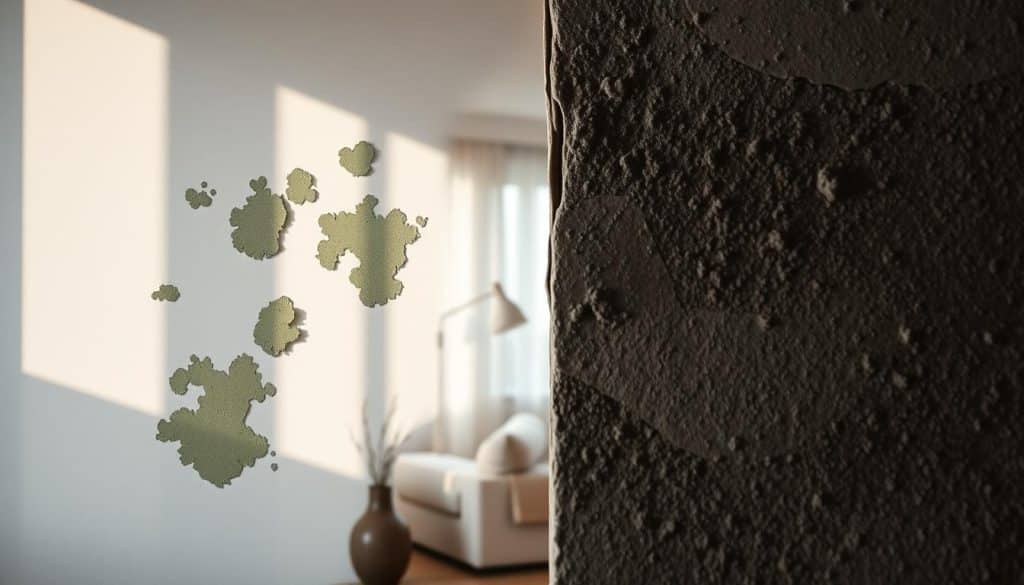
Wrap up with a clear plan: quick action, PPE, and steady drying protect your home and indoor air. For small wall spots, pick one cleaning solution and apply with a spray bottle or sponge. Work gently and let treated surfaces air dry with a fan.
Vinegar, borax mixes, or mild detergent often handle light growth. Reserve bleach for hard, non-porous areas and use gloves, ventilation, and care when you spray. Control humidity and fix any water or moisture sources near windows, kitchens, and bathrooms.
If the problem covers more than about 10 square feet, keeps recurring, or you find hidden water damage, pause and call a pro. Array of Solutions offers least-invasive, effective removal with a transferable workmanship warranty. I’ll take your call at (864) 710-6413 or email scmoldremoval@gmail.com — your safety is my future.