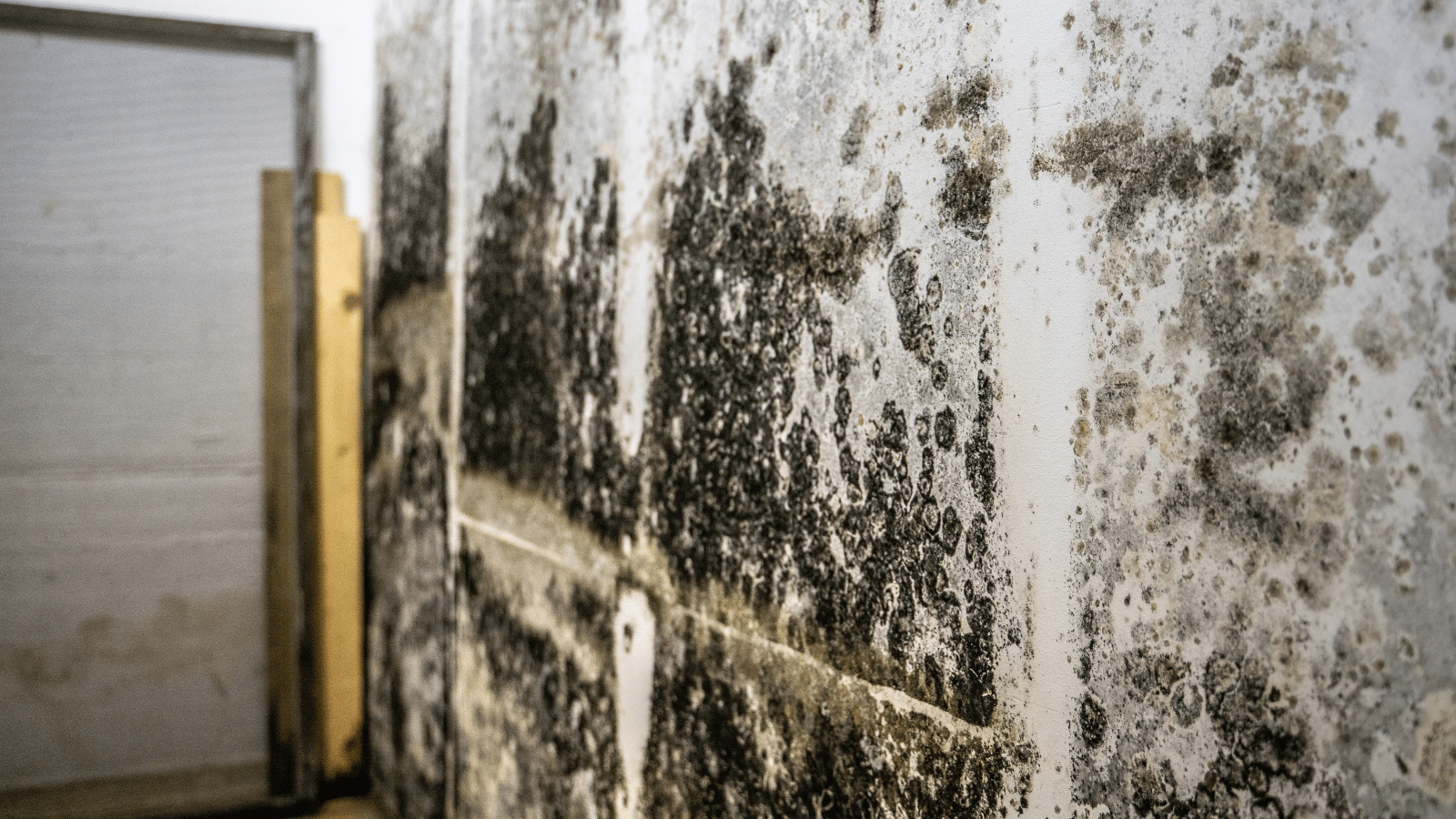
Curious whether a small dark spot on a wall can turn into a costly health and repair issue? I’m Douglas Ray Whitehead, owner of Array of Solutions, and I handle every inquiry personally—no call centers, ever.
Since 2007 we’ve served Greenville, SC and the Upstate with over a thousand inspections and hundreds of remediations, helping homeowners understand how to remove mold from drywall correctly and safely. Drywall is prone to growth because its paper facing feeds spores when moisture arrives from leaks, poor insulation, or past flooding.
The EPA says visible growth under 10 square feet can be handled by homeowners, while larger problems usually need professionals. In this guide we present a clear plan: identify the source, protect indoor air, pick the safest removal approach, and prevent recurrence.
Key Takeaways
- Early action limits spread and saves repair costs.
- Understand why drywall is vulnerable and how moisture fuels growth.
- Protect indoor air and use safe safety steps before any work.
- Small spots may be managed by a careful DIY plan; larger areas need pros.
- Prevention and fixing the root cause protect your home long term.
- For local help in the Upstate, call (864) 710-6413 or email scmoldremoval@gmail.com.
Understanding Mold on Drywall: Risks, Causes, and What’s at Stake
Visible spotting on a wall often hides a deeper moisture issue behind it. We help homeowners and business owners recognize both the obvious signs and the hidden risks we see during inspections across Greenville and the Upstate.
Common signs on walls and ceilings
Look for irregular discoloration — black, green, brown, or white — and texture changes like fuzzy or powdery patches. Water stains, bubbling or peeling paint, and musty odors often point to a problem area.
Why drywall is vulnerable
Drywall’s paper facing is an organic food source and soaks up moisture quickly. Leaks, high humidity, condensation, and past flooding let mold growth move past the surface and into the board.
Health and structural issues
Short-term health effects include respiratory irritation for people with asthma or allergies. Long-term moisture can cause material damage: softened board, failing fasteners, and spreading colonies hidden behind seams.
- Small spots may signal larger hidden colonies.
- Color alone does not identify species; control moisture first.
- Avoid quick fixes like bleach on porous surfaces; they mask stains without treating roots.
Safety First: PPE, Ventilation, and Assessing the Problem
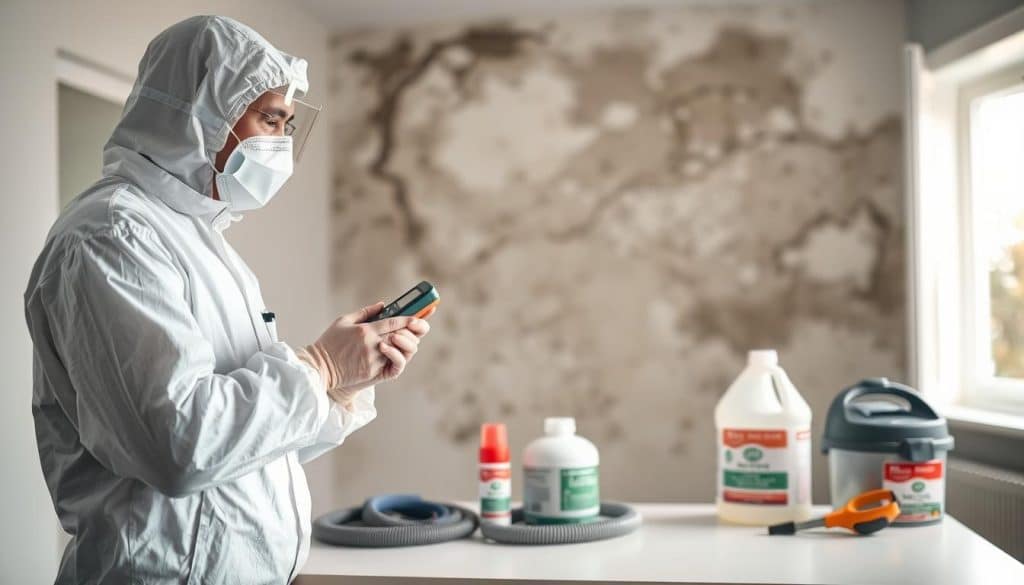
Protecting your breathing space is the first step in mold removal when disturbed surfaces may release mold spores. Before any work begins, plan personal protection and airflow control for the room.
Personal protective equipment you’ll need:
- N95 respirator (or better), rubber or nitrile gloves, and safety goggles.
- Washable or disposable protective clothing; bag used disposables before leaving the area.
- Keep a clean change area so clothing and tools don’t track contamination through the house.
Ventilation and containment: Open windows and run exhaust fans that vent outside. Add a HEPA air cleaner near the work zone and build simple barriers with plastic sheeting and tape. For larger areas, consider negative-pressure setups and seal HVAC returns.
Save versus replace: If the drywall is soft, crumbly, or shows deep saturation from water, cut it out rather than treating the surface. Areas larger than ten square feet often need professional containment and removal.
If you want a quick setup check for your room, call me at (864) 710-6413 — I’ll walk you through the safest plan.
How to Remove Mold from Drywall
A targeted plan preserves materials and indoor air while delivering reliable removal.
For a small area under ten square feet, begin with a HEPA vacuum to capture loose spores before any wet work. Next, apply a practical cleaning solution: baking soda mixed with white vinegar and water, or 3% hydrogen peroxide. Let the solution sit for about ten minutes, then gently scrub with a soft brush. Wipe the surface and run focused airflow until fully dry.
If staining or odor lingers, repeat the cycle once. Soft, swollen board means the gypsum core is compromised and needs cut-out. When cutting, extend the removal 12–24 inches beyond visible staining to reach clean material and limit hidden spread.
- Clean exposed studs and framing with a mold-killing solution and dehumidify the cavity.
- Only close the wall after moisture readings return to safe levels.
- Apply a mold-resistant primer before patching and repainting for added protection.
Avoid relying on bleach for porous surfaces; it can lighten stains while leaving embedded growth and moisture behind. We favor the least-invasive fixes that still solve the problem, and if a section must be removed, our crew will make precise cuts and clean restoration backed by a transferable workmanship warranty.
Pro-Level Help: When to Call a Professional for Mold Removal
Recurring colonies, hidden contamination in cavities, or household health complaints are clear signals that experts should intervene. When an affected area grows beyond a small patch or symptoms persist, professional assessment protects occupants and property.
- Contamination exceeds the EPA’s 10 square foot area guideline, or growth keeps returning.
- You suspect hidden contamination in walls, ductwork, or after flooding.
- Anyone reports worsening respiratory issues—prioritize health and documentation.
What a full remediation includes:
- Inspection and targeted testing where needed, with written findings and moisture readings.
- Containment and negative pressure where required, plus HEPA air filtration to capture fine spores and particles.
- Removal of compromised drywall and debris control, followed by cleaning, disinfection, drying, and coordinated restoration.
As an Expert Witness in Greenville County and a former contractor and inspector, I provide clear reports and practical plans. If problems recur or affect health, call me at (864) 710-6413.
Tools, Solutions, and Testing: What Works on Drywall
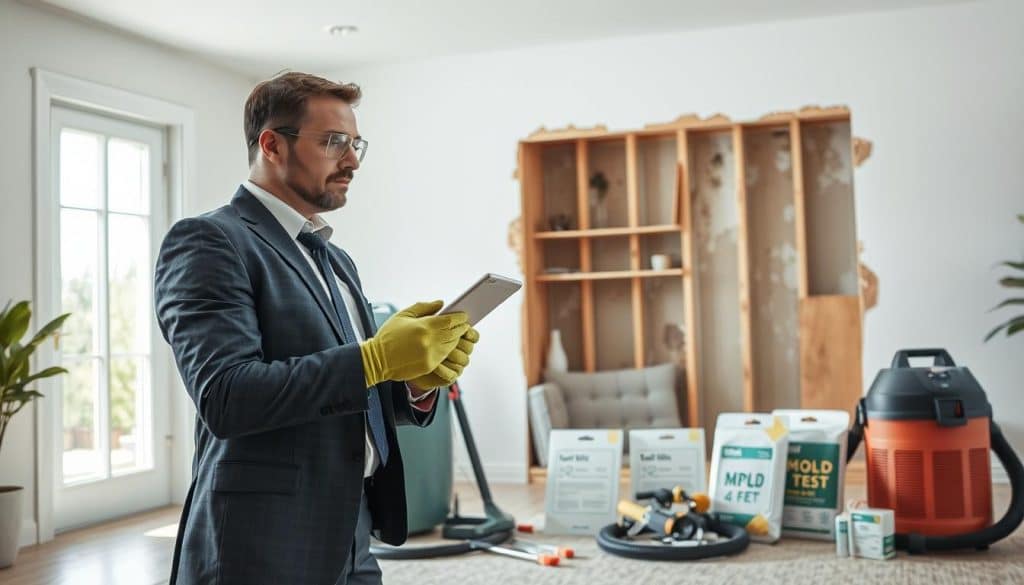
Good tools and the right solutions cut cleaning time and reduce airborne particles during work. Below is a compact plan for what you’ll need and why each item matters.
Effective solutions: White vinegar, a baking soda paste, and 3% hydrogen peroxide work well on small stains. Reputable commercial products are useful for stubborn areas, and they pair best with proper dwell time.
- Basic kit we recommend: HEPA vacuum, spray bottles, soft and medium scrub brushes, microfiber rags, plastic sheeting and tape, box fan, and a dehumidifier.
- Use the HEPA vacuum before wet work and again after drying to capture loose spores and debris.
- A moisture meter and humidity reader confirm the wall and framing are dry before any patching or repainting.
Consider mold testing when growth is hidden or widespread; pros use spore trap air sampling and thermal imaging to locate concealed wet zones. Reserve bleach for nonporous surfaces only—on porous drywall it can leave embedded growth and a false finish.
If you want a concise shopping list tailored to your space, email me at scmoldremoval@gmail.com.
Stop Mold at the Source: Prevention for Bathrooms, Kitchens, and Damp Areas
A small prevention plan can block most moisture-driven problems before they spread. We help busy homeowners and business owners in the Upstate use simple routines that fit daily life.
Control indoor humidity and ventilation
Keep relative humidity between 30–50% with exhaust fans and dehumidifiers. Running fans during and after showering or cooking reduces moisture and improves air quality.
Fix leaks, drainage, and waterproofing fast
Repair plumbing drips, seal roof penetrations, and extend downspouts away from the foundation. Prompt action prevents water damage and limits mold growth behind finishes like drywall.
Inspect regularly and test when needed
Check basements, attics, crawl spaces, and lower walls for early staining. Routine checks and occasional professional testing catch hidden issues before they become a larger area problem.
- Humidity control: Run bathroom and kitchen fans and add a dehumidifier in damp zones.
- Drainage and sealing: Grade soil away from the home and re-caulk wet-room seams.
- Routine care: Clean gutters, document readings, and keep a simple cleaning and repair log.
We’ll share a seasonal checklist tailored to your property—call or email for a copy and practical steps that prevent re-growth.
Why Choose Array of Solutions in the Upstate
You’ll work directly with me, Douglas Ray Whitehead, for clear answers and fast scheduling. I live in the Upstate and have more than 20 years here. My background in social work and building trades shapes how we treat each household.
Since 2007 we’ve completed thousands of inspections and hundreds of remediations across Greenville and the surrounding area. I serve as an Expert Witness in Greenville County and provide documentation suitable for buyers, insurers, and courts.
- Direct owner contact: I handle scopes, scheduling, and follow-up for accountability.
- Least-invasive plans: Building-science diagnostics that fix moisture at the source and limit unnecessary removal.
- Clear scopes & warranty: Transparent pricing and a transferable workmanship warranty that supports resale.
- Trusted record: Practical solutions for common home problems and complex professional mold scenarios.
Call (864) 710-6413 or email scmoldremoval@gmail.com for a straightforward plan tailored to your goals and timeline.
Conclusion
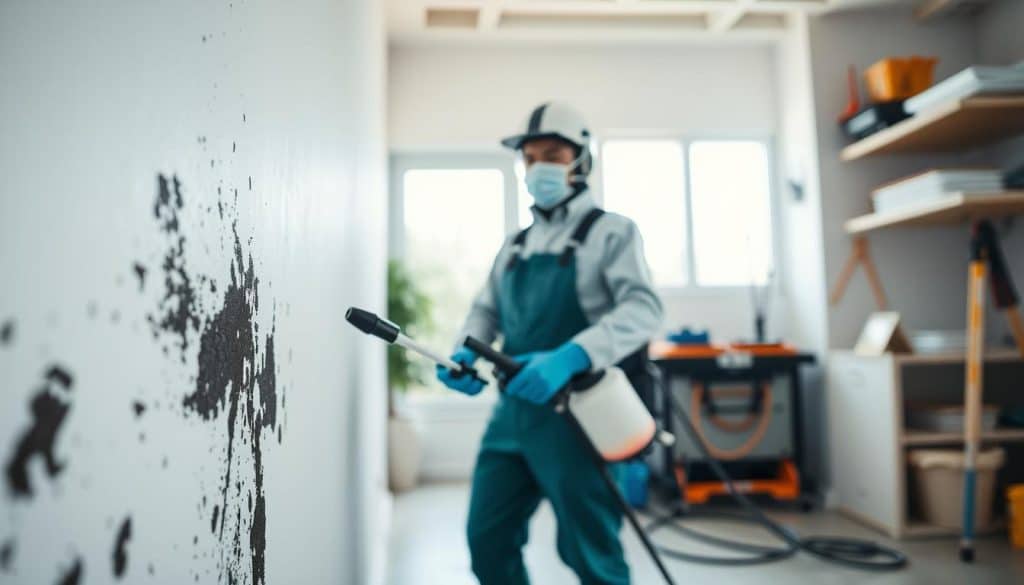
Quick, measured action on a small area can keep a wall problem from becoming a major repair. For visible mold under ten square feet, use PPE, good ventilation, and dwell-time cleaning with peroxide, vinegar, or baking soda. Let the surface dry fully before priming and repainting.
Address moisture first. Fix leaks and dry framing so the issue does not return. Never rely only on bleach for porous board; it can mask stains while embedded growth and spores remain behind wall cavities.
If black mold, strong odors, or widespread contamination persist, professional containment, HEPA filtration, and documented removal are the safest steps. If you’re in the Upstate, call me at (864) 710-6413 or email scmoldremoval@gmail.com — I’ll personally review your wall and outline a warranty-backed solution for your home.