
Learn How to Remove Mold from Clothes with Our Expert Help

Table of Contents

Have you ever wondered how to remove mold from clothes after opening a closet and finding that a favorite shirt smells off or has tiny dark spots that won’t fade?

That surprise can feel alarming. In Greenville and nearby areas, excess moisture, poor ventilation, and wrong storage cause these problems. I’m Douglas Ray Whitehead, owner of Array of Solutions. Since 2007 I’ve done over a thousand inspections and hundreds of remediations.

This short guide gives clear, safety-first advice on restoring garments and home fabrics. You’ll learn practical steps for brushing loose growth, vinegar or borax soaks, laundering at safe temperatures, and drying so spores and odors drop. I explain which areas of a house invite growth and offer simple prevention tips.

We provide least-invasive, warranty-backed service and I handle every inquiry personally. If any item needs professional care, call (864) 710-6413 or email scmoldremoval@gmail.com and I will respond directly.

Key Takeaways

  • Act quickly: brush loose growth outside and ventilate items.
  • Use vinegar or borax soaks before laundering when fabric allows.
  • Dry thoroughly—sunlight or a dryer helps neutralize spores and odors.
  • Prevent recurrence: dry clothing fully and store in ventilated areas.
  • Call Array of Solutions for a personal, warranty-backed inspection and service.

Why mold grows on clothing and why it matters for your health

When humidity lingers in a laundry room, soft items can become hosts for visible spots and musty smells, making timely mold removal important. Excess moisture and damp laundry encourage rapid growth on fabric, especially when airflow is limited.

Common causes include wet towels, gym wear left too long, sealed bins, and closed closets that trap humidity. Dirty garments with stains offer nutrients that let spores colonize seams and folds in hours or days.

  • Mold flourishes where moisture stays; damp items left over time are prime targets.
  • Poor ventilation in storage areas keeps humidity high and spores active.
  • Airborne mold spores settle on wet fabrics and begin colonization quickly.

Health considerations matter. Exposure can trigger sneezing, runny nose, red eyes, or skin irritation. People with asthma or weakened immune systems face greater risk of respiratory issues.

At Array of Solutions, we evaluate underlying moisture and ventilation problems during inspections. We prefer least‑invasive fixes first—improving airflow or adding dehumidification—backed by a transferable warranty from owner Douglas Ray Whitehead.
A brightly lit laundry room, with sun rays streaming through a window, illuminating a colorful assortment of clothes hanging on a drying rack. In the foreground, a person wearing a professional apron is carefully examining a piece of clothing with visible mold spots, using a small brush to scrub the fabric delicately. The middle ground features shelves stocked with various cleaning supplies, such as vinegar, baking soda, and soft brushes, organized neatly. The background reveals a washing machine and a tidy workspace, creating an inviting and clean atmosphere. The overall mood is one of determination and focus, showcasing a step-by-step process of mold removal. The composition is well-balanced, with a slight depth of field effect to emphasize the subject.

How to Remove Mold from Clothes: Step-by-Step at Home

A damp shirt or musty sweater doesn’t mean it’s ruined—there are practical, safe steps you can take at home.

Gather supplies first: a bucket, white vinegar or borax, baking soda, mild detergent, a soft brush, gloves, and a mask. Working outdoors limits spread of mold spores and keeps your laundry room safe.

Soak strategy: submerge affected items in a bucket with about 1–2 cups of white vinegar per load equivalent for about an hour. Alternatively, dissolve a cup borax in hot water and soak per package directions to loosen stains and neutralize odors.

  • Washing sequence: transfer garments to the washing machine, add detergent, and select the warmest or hot water the fabric allows.
  • Boosters: add baking soda in the wash or a cup borax dissolved in the machine for persistent odors and stains.
  • Drying: line‑dry in sunlight when possible; otherwise run a full dryer cycle until items are completely dry.

Inspect seams and cuffs after drying. If stains or odors remain, repeat the soak and wash step. For delicates and non‑colorfast fabric, use cooler water and gentler cycles.

Maintain your machine and dryer: run occasional hot water cleaning cycles, wipe gaskets, and keep doors ajar between uses. If multiple items are affected or the problem recurs, I’ll assess your laundry area and offer a warranty-backed inspection through Array of Solutions.
A professional and inviting scene set in Greenville, SC, showcasing a mold remediation expert providing assistance in a clean, well-lit, modern home environment. In the foreground, a friendly technician in professional attire is examining a mold-affected area on a wall, using a moisture meter. The midground features shelves filled with cleaning supplies and equipment, showcasing various mold removal products from Array of Solutions. In the background, a sunny window reveals a picturesque view of trees and a clear blue sky, suggesting a fresh, hopeful atmosphere. Soft, natural lighting enhances the warmth of the scene, accentuating the expert’s dedication to providing local help. The overall mood conveys professionalism, trust, and community support, inviting readers to seek local assistance.

Proactive tips to prevent mold in clothes and laundry areas

Background habits protect your wardrobe and home air. A few simple changes in storage and laundry routines go a long way toward preventing growth and musty odors.

Dry completely before storage and choose breathable, well-ventilated spaces

Always dry clothes fully before shelving or boxing. Even slight dampness encourages mold and mildew growth.

Use breathable bins, open shelving, or ventilated closets. Crack doors or add louvered panels to keep air moving around garments.

Control humidity: dehumidifiers, airflow, and avoiding damp basements

Keep laundry areas under typical indoor humidity targets. A dehumidifier and cross-ventilation reduce moisture and mold spores.

Make sure storage stays off basement floors and away from cold exterior walls where condensation forms.

Better laundry habits: timely washes, quick drying, and occasional vinegar cycles

Move loads promptly from washer to dryer. Clean dryer vents and run periodic washing machine maintenance cycles with white vinegar or a cleaner.

  • Schedule timely washes after workouts or rainy days.
  • Use hot maintenance cycles to cut soap film and biofilm in the washing machine.
  • Call Array of Solutions for a moisture assessment if odors or spots persist—our least-invasive, warranty-backed steps protect garments and your home.

Get local help in Greenville, SC from Array of Solutions

If musty odors or repeating stains show up across garments, expert local help speeds resolution. I’m Douglas Ray Whitehead, owner of Array of Solutions since 2007, and I personally handle every inquiry and site visit.

Owner‑operated expertise: I serve as an Expert Witness in Greenville County Courts and bring former contractor and home inspector experience to each call. We deliver least‑invasive air quality solutions, and all workmanship carries a transferable warranty.

Practical assessment and service

Professional help is appropriate when multiple rooms show issues, garments keep having stains despite washing and drying, or there’s recent water intrusion. We inspect the washing machine, dryer runs, vents, and surrounding spaces to find hidden moisture and spore pathways.

  • Diagnose recurring odors, widespread stains on clothes, and unexplained moisture.
  • Recommend least‑invasive fixes first: ventilation, targeted drying, or dehumidification.
  • Advise on detergent choices, safe heat use for fabric, and realistic stain‑removal expectations.
  • Perform remediation with respect for your home and cover work with a transferable warranty.

Your safety is my future! Call (864) 710-6413 or email scmoldremoval@gmail.com to schedule an inspection in Greenville, SC and surrounding areas. We’re ready to help kill mold at the source and protect your clothes and indoor environment long‑term.
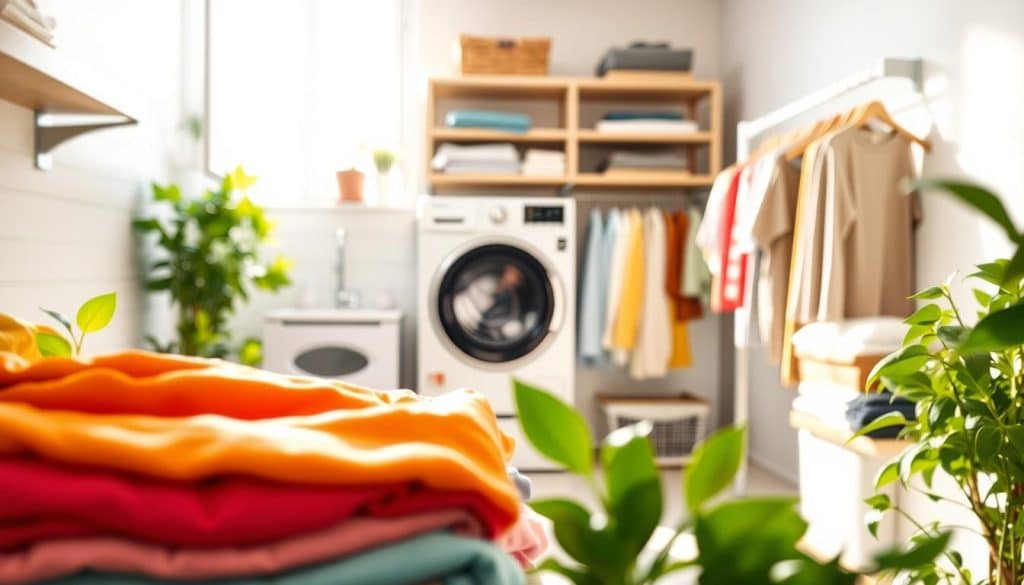
A brightly lit laundry room featuring a well-organized space with white walls and wooden shelves. In the foreground, neatly folded colorful clothes are displayed, visibly free from mold, with a few green plants nearby, suggesting freshness and cleanliness. In the middle, a sleek washing machine and a drying rack filled with freshly laundered garments showcase an efficient laundry routine. The background highlights efficient ventilation, perhaps a window slightly open, allowing sunlight to stream in, creating a warm and inviting atmosphere. The overall mood feels bright, clean, and proactive, embodying the essence of preventive care for clothing against mold. Use natural daylight to enhance the scene, capturing a depth of field that subtly blurs the background while maintaining clarity in the foreground elements.

Conclusion

A careful routine and steady attention can stop musty spots and protect your favorite garments.

Effective cleanup blends a safe pre‑treatment, a properly set machine cycle using the warmest water your fabrics allow, and complete drying. Sunlight helps where available; otherwise use controlled heat until items are fully dry.

Repeat the sequence for stubborn stains and check seams and thicker items after each wash. Use vinegar or a cup of borax for soaks and baking soda for lingering odors during cleaning cycles.

Array of Solutions stands behind every recommendation with a transferable warranty. For personal help, call me, Douglas Ray Whitehead, at (864) 710-6413 or email scmoldremoval@gmail.com. Your safety is my future.
FAQ

Why does mold grow on clothing and why should I care?

Clothing holds moisture, body oils and organic matter that feed spores. Poor ventilation, packed storage or damp basements let growth spread. Exposure can cause allergies, skin irritation and worsen asthma or immune-compromised conditions, so prompt action protects health and fabrics.

What are the common causes of mold on garments?

Most cases stem from prolonged dampness, slow drying, inadequate airflow and storing items while slightly wet. Laundry left in a machine, closed plastic bins, or humid rooms create ideal conditions for growth and lingering odors.

What protective gear and supplies should I gather before treating affected pieces?

Use gloves and a mask when handling contaminated items. Gather white vinegar, borax, baking soda, mild detergent, a bucket, a soft brush and towels. Work outside or in a ventilated area to limit spore spread.

How should I prep clothing before washing?

Take items outdoors and brush off loose spores gently. Isolate heavily affected pieces from other laundry. Check care labels so you pick the warmest safe wash and avoid damaging delicates.

What soaking solutions work best to loosen stains and neutralize odors?

Use a solution of white vinegar and water or dissolve borax in warm water. Soak for 30 minutes to an hour for milder infestations; for stubborn stains, extend soaking but recheck fabric care guidance first.

What machine wash settings and additives should I use?

Wash on the warmest or hot cycle the fabric allows with a quality detergent. Add a cup of borax or a half-cup of white vinegar to boost mildew control. Baking soda can help deodorize—add a half-cup in the drum.

How can I be sure heat will kill remaining spores?

Thorough drying is key. Line-dry in direct sunlight when possible—UV and heat reduce spores. Use a dryer on the proper setting to achieve complete dryness for tougher fabrics that tolerate heat.

What if stains or odors persist after one treatment?

Re-treat the item: repeat brushing, soak longer, then rewash with additives. For delicate or non-colorfast items, test a hidden area first or consult a professional to avoid damage.

Are there fabric types that need special care?

Yes. Silks, wools and items labeled “dry clean only” can shrink, bleed or distort with heat and harsh chemicals. Follow care tags and consider professional cleaning when necessary.

How should I clean my washer and dryer to prevent recontamination?

Run an empty hot-water cycle with two cups of white vinegar or a commercial washing machine cleaner. Wipe seals and dispensers regularly. Clean lint traps and vent ducts in dryers and allow doors to air out between uses.

What proactive steps reduce risk in storage and laundry areas?

Dry garments completely before storing and use breathable containers like cotton bags. Improve ventilation, run a dehumidifier in damp spaces and avoid storing clothes in basements or attics without climate control.

What laundry habits help prevent future infestations?

Wash sweaty or damp items promptly, remove loads immediately, and dry quickly. Periodically run a vinegar wash cycle and sprinkle baking soda in musty laundry baskets to absorb odors.

When should I call a professional in Greenville, SC?

If contamination is extensive, recurring, or linked to structural moisture, contact Array of Solutions. We provide owner-operated assessments and least invasive air quality solutions. Reach us at (864) 710-6413 or scmoldremoval@gmail.com for expert help.

Handling All Of Your Water & Property Damage Emergencies

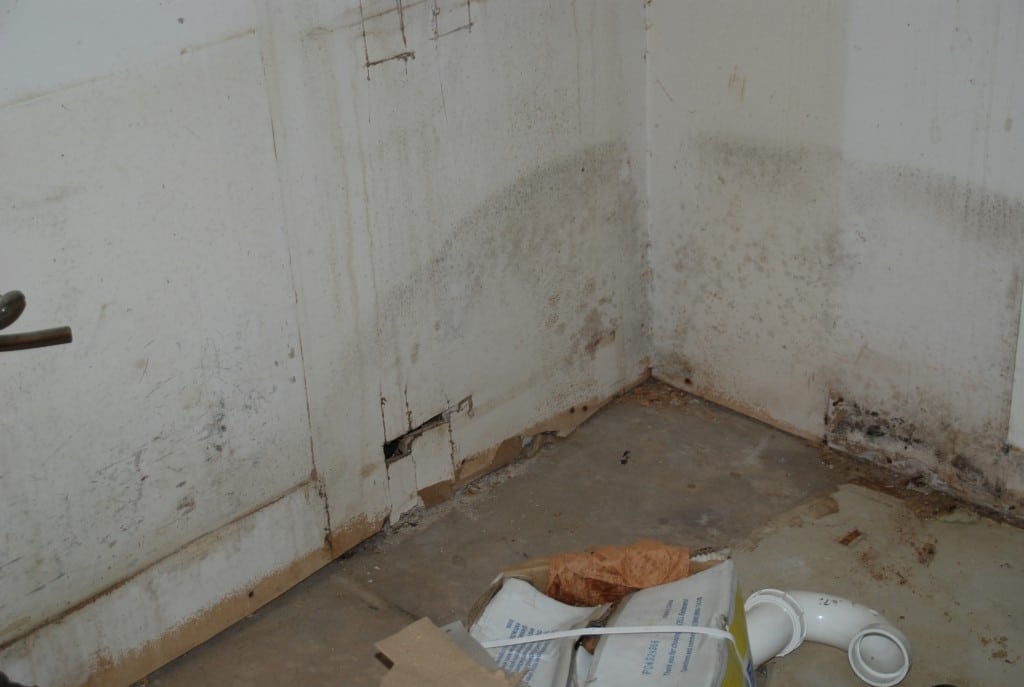
We are the nation’s premier source for Mold Inspection and Mold Testing. All our mold inspectors are board certified, highly skilled, and experienced mold service professionals

Air Quality Testing

Air quality testing can tell you whether you have a mold problem even if you cannot find the evidence mold growth. We test air samples from your home or business for the concentration of mold spores. Samples are taken from the air and are later examined under a microscope in our labs.

Water Damage Repair

Our water extraction equipment will remove the majority of the water from the affected area(s) including carpets and upholstery. After that we use industrial fans, desiccant drying equipment and dehumidifiers to rapidly dry the still wet areas. We then use a HEPA filtered vacuum to clean up.

Mold Inspections

We visually inspect to pinpoint the problem areas in your home or business. we then try to pinpoint the source of the moisture which is most likely the reason that you may have a mold problem. Swabs and air samples will be taken to our laboratory for analysis and recommendations for remediation.

Mold removal

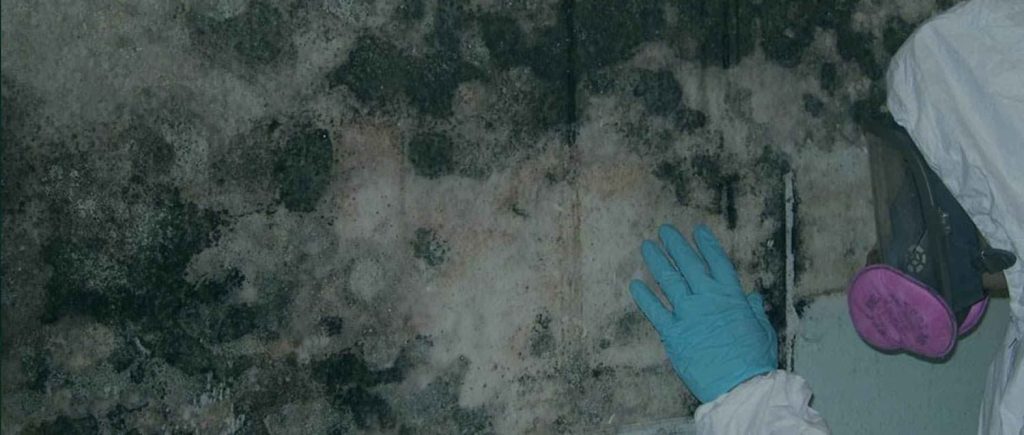
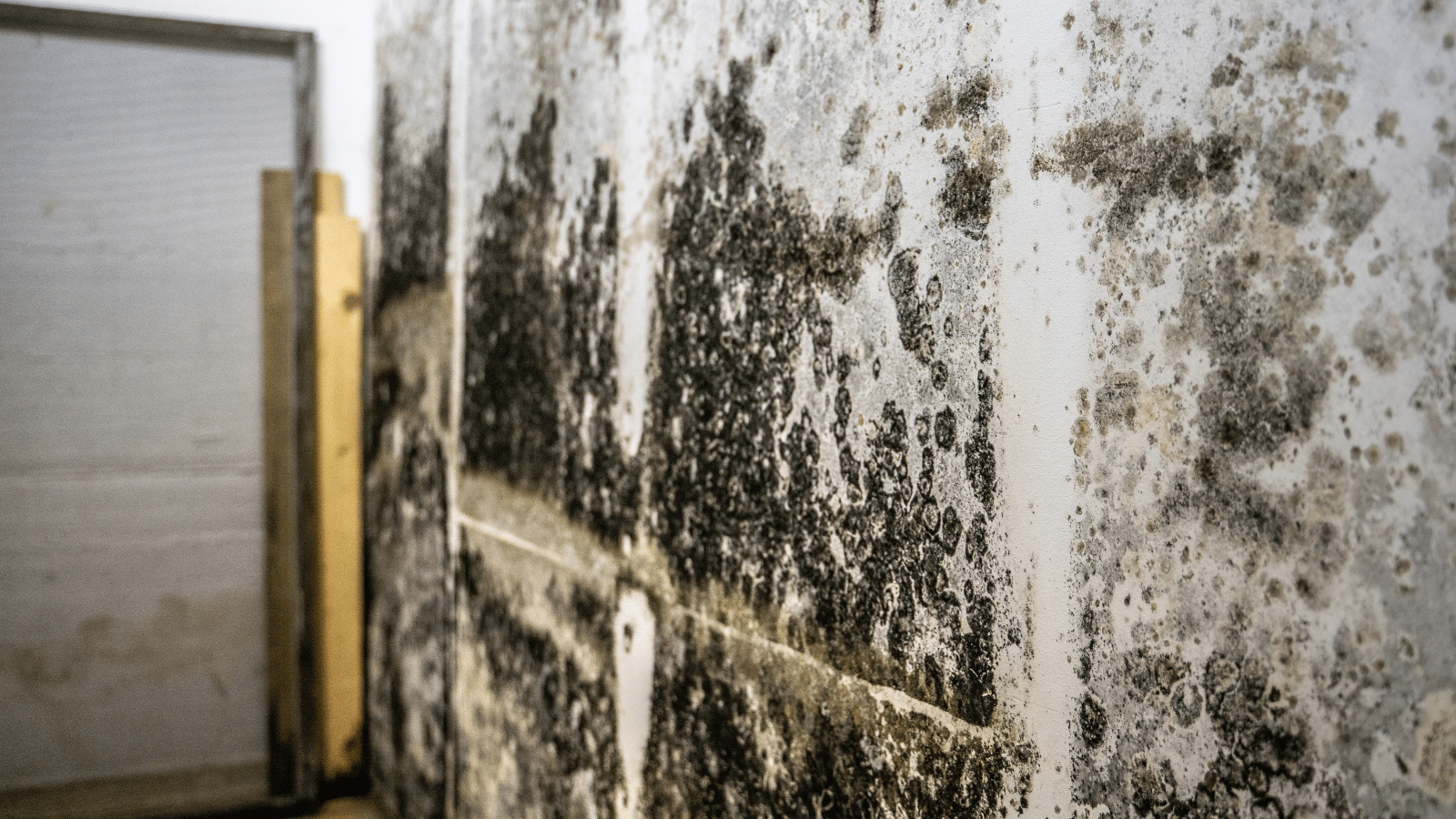
The source of the water must be identified and corrected . All wet materials (including carpets and upholstery) must be dried completely. Removal of all items including furniture from the infected area. Contaminated area must be sealed off from the rest of the property. Mold growth on surfaces is sanded and cleaned. Contained area must be completely dried, filtered and fumigated

Post Mold Remediation

After mold had been removed, Post Remediation Verification Inspection (PRVI) can assure that the mold cleanup has been done correctly and effectively in the work area and confirm that the cleanup did not accidentally distribute high levels of moldy dust and debris into other areas of the building or into its mechanical systems such as heating or air conditioning systems.

Insurance Handling

Home insurance companies usually don't cover mold damage unless it's directly related to a "covered peril" such as Fire; Lightning; Vandalism or malicious mischief; Damage caused by vehicles; Theft; Falling objects; Weight of ice, snow, or sleet; Accidental discharge or overflow of water or steam; Frozen pipes. Our experts will assist you in filling the insurance claim.

Mold Removal

Mon-Sat: 8:00 am-5:00 pm
24/7 Service Available

Share:

Fast, Certified Mold Testing & Remediation in Greenville, SC

Get accurate inspections and rapid removal from certified technicians. We assist with insurance claims and support property managers.

Request Your Inspection Today