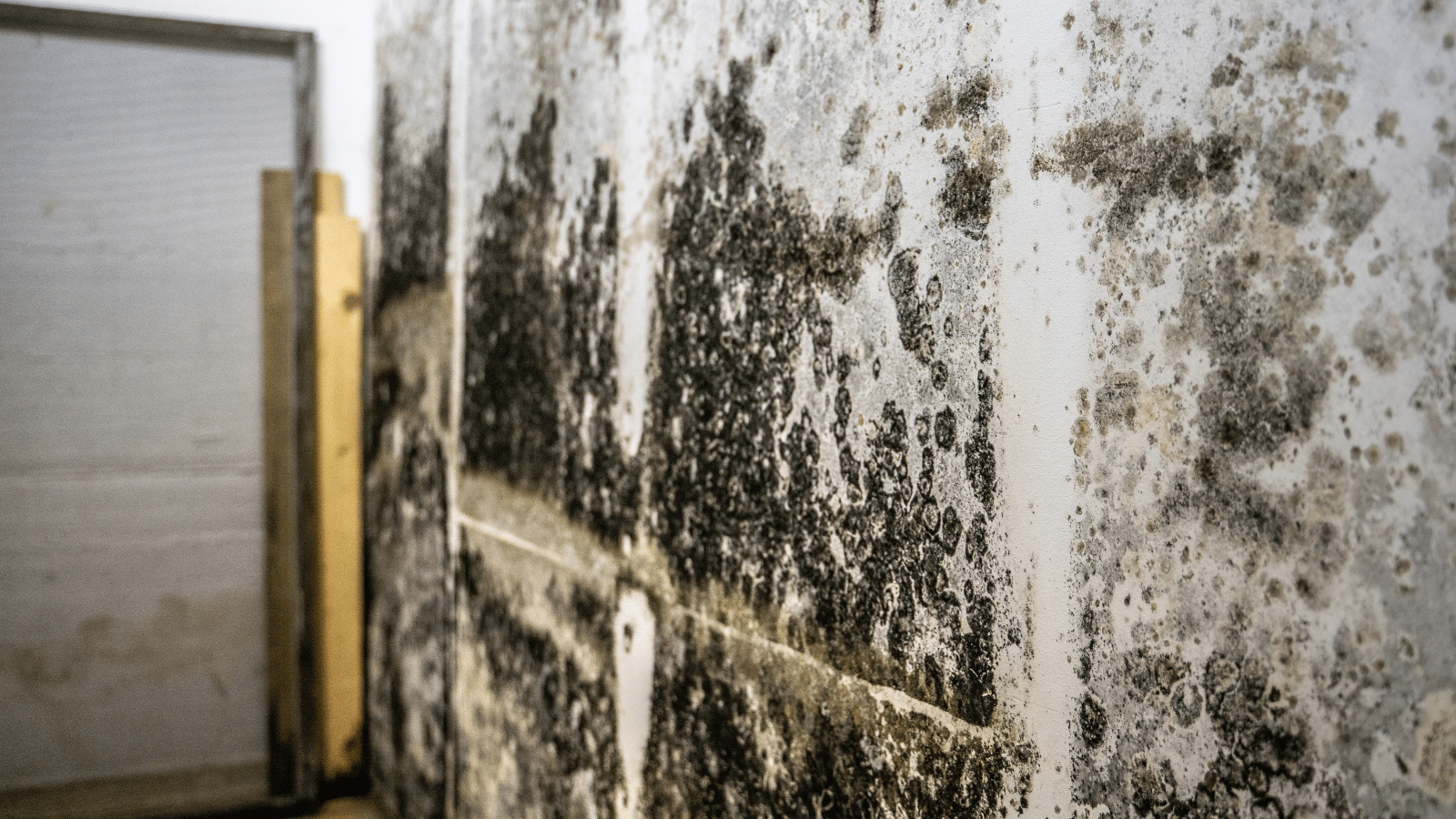
Curious which repairs and services drive the largest bills for a typical home cleanup?
I’m Douglas Ray Whitehead, owner of Array of Solutions. I handle every inquiry and estimate and bring 17 years of local experience in the Upstate. I’ve done 1,000+ inspections and hundreds of completed jobs.
Professional work averages about $2,300, with small fixes from $500–$1,500 and complex, whole-house projects rising much higher. Per-square-foot pricing commonly runs $10–$30 depending on access and scope.
In this buyer’s guide, I explain how much mold remediation typically costs, what a firm includes, what drives the price, and when a DIY fix is safe. Expect clear steps on containment, removal, and cleaning so you can protect your family and budget wisely.
Your safety is my future. We back workmanship with a transferable warranty. Call (864) 710-6413 or email scmoldremoval@gmail.com for a local estimate in Greenville and nearby areas.
Key Takeaways
- Typical professional averages near $2,300; ranges start at $500 and can exceed $10,000 for complex jobs.
- Per-square-foot rates often fall between $10 and $30; access and scope drive price swings.
- We explain what services are included so you can spot necessary work versus optional upgrades.
- Small, contained issues may be handled safely at home; larger or hidden problems need pros.
- Contact Array of Solutions for a tailored estimate and a transferable warranty on workmanship.
What Homeowners Should Know About Mold Remediation Costs Right Now
Understanding typical price drivers helps homeowners plan a realistic cleanup budget. At Array of Solutions, I give straight answers so you know options before you decide.
Average professional work runs about $2,300, with common ranges from $1,200–$3,750. Small, accessible areas can cost a few hundred dollars. Large or complex jobs — like HVAC sanitation or structural repairs after long-term water damage — can reach many thousands.
Costs vary by the size of the affected space, access to work areas, and whether drywall or insulation needs removal and replacement. Labor is often the largest line item because proper containment, safe removal, and thorough cleaning take specialized time and equipment.
- Attics, basements, crawl spaces, and ducts add budget steps for access and insulation or duct sanitation.
- Visible growth may not need testing, which can speed the start and reduce total cost.
- Emergency or after-hours calls carry premiums, so early action helps limit expenses.
- I separate structural repairs from cleanup so you see where every dollar goes.
- We focus on fixing the moisture source first to avoid paying twice for the same areas.
We’ll create a plan that balances effectiveness with budget, choosing the least invasive solutions that still protect your family and property.
How much mold remediation really costs in the United States
A clear national snapshot helps you compare local estimates to broader industry norms.
National averages typically land between $1,200 and $3,750, with a midpoint near $2,300. Small jobs often run $500–$1,500. Major or whole-house projects can climb into the $10,000–$30,000 range.
Per-square-foot rates usually range from $10–$25 up to $10–$30, depending on access and complexity. These numbers reflect not only size but phases of work, containment needs, and material replacement.
- Most homeowners see invoices near the middle of the national range unless access or replacement needs are high.
- Attic and basement issues tied to leaks or humidity push totals based on water intrusion and ventilation fixes.
- HVAC involvement adds specialized containment and duct sanitation, which raises labor and tool costs.
- Persistent water infiltration increases expense because drywall and insulation often need removal and disposal.
In the Upstate, I see a similar spread, but local home types and crawl spaces change estimates. I tailor every number to your exact conditions and focus first on fixing moisture sources to protect your investment in remediation.
Cost Factors That Influence Your Final Price
Several clear factors determine the final price you’ll see on an estimate. Below I break the main drivers into simple, practical points so you can compare bids with confidence.
Size and per-square-foot pricing
The size of the affected area changes labor hours, containment needs, and material removal. Per square foot rates are a guide; real totals depend on setup complexity and room count.
Location and access
Tight attic bays, crawl spaces, and behind-wall leaks add time and equipment costs. HVAC access raises specialized labor to protect the whole system.
Type, health risks, and water damage
The species type rarely alters core steps, but perceived health risks can increase containment and PPE needs.
Severe water damage forces removal of drywall, insulation, and carpet, which raises the overall cost.
- Size affects containment and restoration scope.
- Per square foot is a baseline; complexity changes totals.
- Hidden moisture and access challenges increase labor and equipment needs.
I’ll walk you through each factor during our call so you know exactly why the estimate looks the way it does.
Mold Remediation Cost per Square Foot
Per-square-foot pricing gives a quick estimate, but the real invoice depends on job setup and materials. Published ranges commonly run from $10–$25 to $10–$30 per square foot. These figures are a starting point for budgeting.
Typical ranges and why they vary
Small, single-room jobs skew higher per unit because minimum mobilization and containment set a floor.
Larger footprints often lower the average rate since setup and equipment are spread over more square feet. That saves on the per square charge.
Line items that affect per-foot pricing
- Mobilization and containment add fixed hours before cleaning starts.
- Demolition and disposal of saturated drywall or carpet cost more than cleaning tile or concrete.
- Negative air, HEPA air scrubbers, and multi-room containment raise the per-foot rate but improve results.
- Hidden growth found after opening walls requires an updated estimate so you control scope and budget.
We confirm the affected area during inspection and explain each line item in the proposal. That way you see exactly how the remediation cost maps to your property’s size and access.
What You’ll Pay by Location in the Home
Each affected area creates its own timeline and price. Below I list typical ranges and the common work needed so you can compare estimates quickly.
Attic: roof leaks, insulation removal, and ventilation fixes
Typical: $1,000–$4,000. Attics often need insulation removed and replaced and added ventilation to stop return growth. Disposal and access add labor time.
Basement: humidity, foundation cracks, and waterproofing
Typical: $500–$3,000. Many jobs require dehumidification and drainage fixes. Foundation crack repairs or sump pumps reduce recurrence and protect your investment.
Bathrooms: surface cleaning vs. hidden plumbing leaks
Typical: $500–$1,000. Surface cleaning is low cost, but hidden leaks behind walls or under vanities expand scope and may require demolition and replacement.
Crawl spaces: encapsulation, vapor barriers, and access limits
Typical: $500–$2,000. Crawl spaces benefit from encapsulation, vapor barriers, and improved drainage. Tight access raises labor and extends timelines.
HVAC systems: ducts, air handlers, and negative air containment
Typical: $3,000–$10,000; whole-house events $10,000–$30,000. When the hvac system is involved, specialized duct and coil cleaning plus negative air setups increase complexity and cost.
- Attics often require insulation work; basements and crawl spaces need moisture control.
- Bathrooms can be simple or extensive depending on hidden water sources.
- We pair mold removal with targeted ventilation and drainage upgrades to prevent return issues.
I’ve remediated all these locations across the Upstate and will recommend practical, budget-friendly ventilation or drainage fixes during inspection. That way your cleanup is effective and long lasting.
Cost by Mold Type, Including Black Mold
Species names often draw headlines, but the square footage, access, and moisture damage typically set the final cost. As an Expert Witness in Greenville County, I follow facts and EPA guidance: containment and cleanup steps depend on extent, not species alone.
Black mold (Stachybotrys) containment and safety protocols
Black mold can prompt tighter containment and added PPE. That adds labor and disposal steps and may raise the invoice slightly.
Common indoor molds and how they affect pricing
Most indoor strains respond to the same professional methods: stop the moisture source, contain the area, remove porous materials, and clean surfaces.
Why species matters less than moisture and spread
- Species rarely changes the basic protocol; spread and affected materials do.
- Negative air and HEPA filtration control mold spores regardless of type mold identified.
- Testing adds lab fees; visible, accessible growth often goes straight to practical remediation.
- We focus on moisture control to avoid recurrence and reduce future cost and health risks.
Extent of Damage and Materials Affected
Knowing what materials hold damage helps you see where cleaning will work and where removal is needed. We use the least invasive approach while still removing unsalvageable materials to protect long-term indoor air quality.
Porous materials: drywall, insulation, carpet replacement
Porous items — like drywall, insulation, and carpet — absorb moisture and often hide growth in fibers and cores.
When mold is embedded, these materials usually require removal and replacement. That raises labor and disposal costs.
Non-porous surfaces: cleaning, disinfection, and sealing
Tile, sealed concrete, and metal often respond well to cleaning, disinfection, and sealing. These options keep costs down and speed the schedule.
- The extent damage determines whether we clean and seal or remove and replace.
- We separate line items for demolition, disposal, and reconstruction for clear budgeting.
- Drying and dehumidification are added when materials are wet; we measure moisture before closing cavities.
If framing or subflooring shows significant structural damage, we coordinate repairs after remediation so the home is safe and sound. My goal is to protect your home’s health and value while being practical about what can be cleaned versus what must be removed.
Labor, Specialized Equipment, and Containment
On every job the gear and setup shape both the timeline and the final invoice. We focus on the least invasive, most effective air quality solutions so families stay safe while work proceeds.
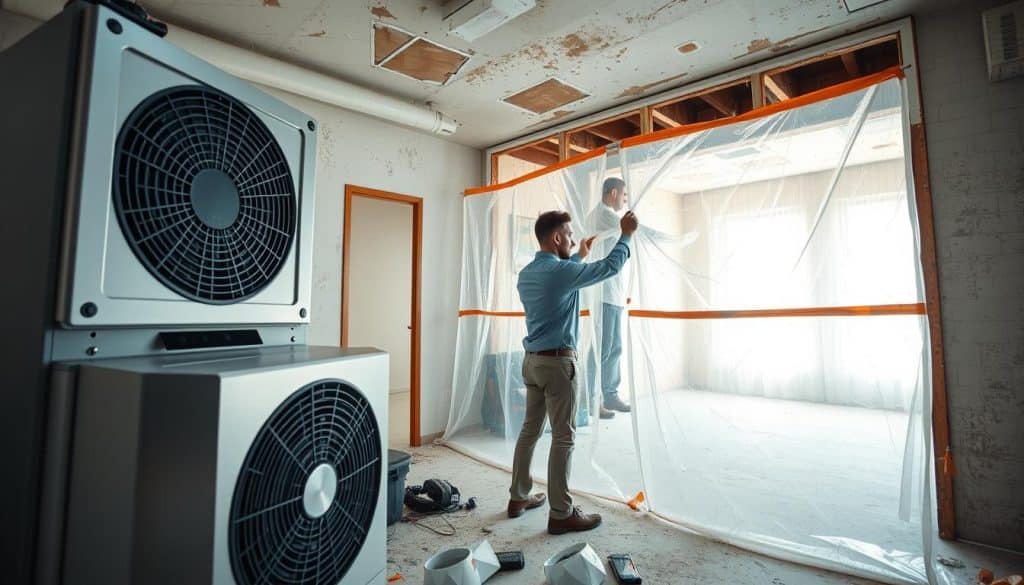
Pros seal work zones with plastic barriers and zippered doors. Technicians set negative air pressure and run HEPA air scrubbers to trap airborne particles.
HEPA filtration, air scrubbers, and negative air pressure
HEPA filtration captures fine particles and reduces mold spores in the air. Air scrubbers and negative air machines run continuously during demolition and cleaning to protect adjacent rooms.
Work phases: setup, removal, cleaning, and disposal
Setup includes barriers, pressure differentials, and staging for waste. Removal targets porous materials that cannot be reliably cleaned, while non-porous surfaces receive methodical cleaning and disinfection.
- Containment prevents cross-contamination by controlling air movement during demolition and cleaning.
- HEPA units and negative air keep conditions safe in nearby areas throughout the process.
- Final cleaning uses HEPA vacuums and wipe-downs before barriers come down.
- Disposal follows local guidelines with sealed bags and careful removal to avoid spread.
Labor for containment, equipment operation, and disposal typically accounts for most of the project cost. Cutting corners risks recontamination and higher future expenses.
I’ll explain each step before we start so you know what to expect and how our specialized equipment supports safe, lasting results.
Mold Inspection and Testing Costs
Deciding on testing starts with your goals: documentation, diagnosis, or simply fixing visible growth.
When testing helps versus going straight to cleanup. If you smell musty air but cannot find the source, or you need third-party paperwork for insurance or a sale, testing adds value. If growth is visible and accessible, skipping tests and starting cleanup can save time and reduce total costs.
Typical pricing for visual inspection and lab analysis
Visual inspections commonly range $150–$250. Inspections with basic lab sampling often run $400–$700. Comprehensive testing and multi-sample reports may reach $700–$1,000+.
EPA guidance and the 10-square-foot threshold
The EPA notes about 10 square feet as a practical DIY threshold. Larger areas usually need professional containment and safe removal.
- Testing helps when odors or hidden areas exist, or when documentation is required.
- Air and surface sampling quantify levels, but cleanup steps rarely change by species.
- We can arrange post-project clearance testing to verify results.
- Fees vary with property size and number of samples; we scope only what is necessary.
I’ll advise whether testing supports your goals or if direct remediation is the most efficient path for homeowners.
Hidden or Additional Costs to Budget For
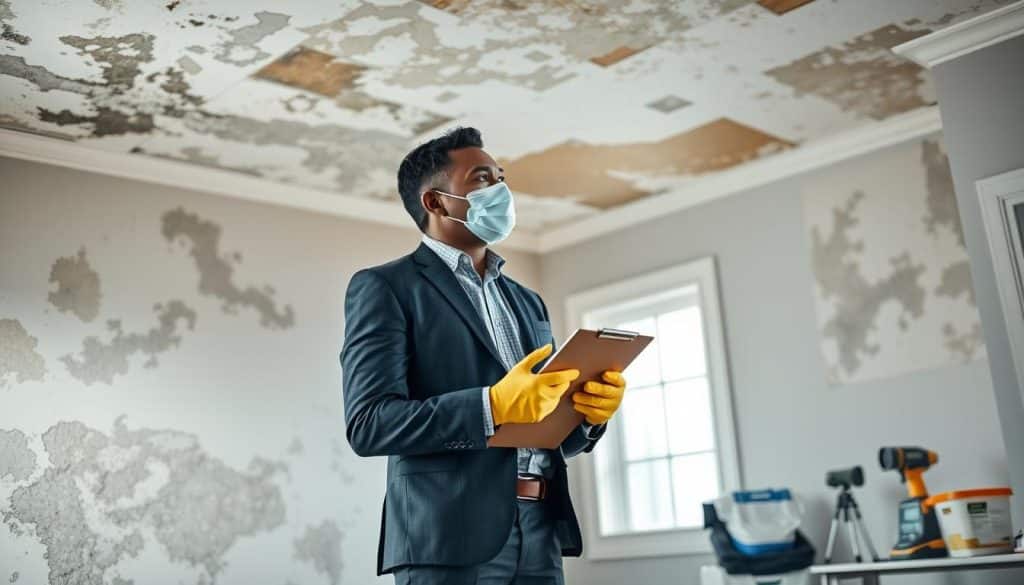
Hidden expenses often show up after walls are opened or the HVAC system is inspected. Plan for these items so the final invoice matches expectations.
I separate cleanup and reconstruction line items so you can pick timing and contractors without surprise charges. Structural repairs often range from $500–$5,000+ depending on drywall, trim, or framing work.
Structural repairs and reconstruction
Repair work is billed separately to keep scope clear. That includes drywall replacement, baseboards, and framing repairs.
Air duct cleaning and HVAC sanitation
Contamination in the hvac system can spread spores. Full-system cleaning commonly costs $300–$1,000+ and may require access permits in some cities.
Post-remediation clearance testing
Optional testing provides documentation and peace of mind. Typical testing and clearance run about $200–$500+ depending on samples and lab fees.
Temporary housing and debris disposal
If containment affects living spaces, short-term relocation may be needed. Debris disposal fees for insulation, drywall, or carpet add to final costs; we manage safe bagging and transport to avoid recontamination.
- Permits may be required for demolition or HVAC access—plan for inspection scheduling.
- We’ll help weigh insurance, testing, and repair priorities so you control spending.
- Upfront planning minimizes surprises and keeps the project efficient and predictable.
Typical Timeline and What the Process Looks Like
Knowing the step-by-step schedule makes the project feel manageable and predictable. Many residential jobs finish in 1–5 days, with an average near three days. I plan work to limit disruption and protect occupants.
Day-by-day overview for standard residential projects
Day 1 usually covers setup and containment. We establish negative air and stage equipment for safe work.
Days 1–3 focus on removal, cleaning, and HEPA vacuuming. Daily wipe-downs control fine particles.
What changes the schedule: size and damage
Larger footprints, multiple locations, tight access, or structural damage extend the timeline. Drying and dehumidification may run alongside cleaning until moisture readings are safe for rebuild.
When you can safely stay in your home
With proper isolation of work zones, many families remain on-site. We communicate daily progress and advise if short-term relocation is safer.
- We provide a customized timeline with every estimate so you can plan around work hours and milestones.
- Our process balances safety, efficiency, and minimizing interruption to daily life.
- Clear communication reduces surprises and keeps the project on track while controlling overall cost.
Homeowners Insurance and Paying for Remediation
Documentation is the bridge between onsite findings and a successful claim. Policies often cover sudden water damage events like a burst pipe, but they usually exclude long-term leaks or neglected maintenance.
I can help you assemble a clear record with photos, moisture readings, and a written scope to support discussions with your insurer. If your carrier requests testing or a third-party inspection, we’ll coordinate to meet their standards.
Covered perils vs. long-term leaks
- Coverage depends on cause: sudden water damage often qualifies, slow leaks usually do not.
- Separate remediation from repairs: clarifying each helps adjusters evaluate cost lines.
- Deductible and limits matter: know these before you file to avoid surprises.
- Phased plans: if coverage is limited, we prioritize essential safety work first.
I’ll explain typical insurer questions so you can present facts confidently. We focus on value-driven solutions that seek the most protection possible from covered events.
DIY vs. Professional Mold Removal
Deciding whether to tackle a small patch yourself or call in specialists starts with a clear, honest look at risk and scope. I’ll be frank: some tiny, visible spots are safe to address at home if you follow simple rules.
Safe DIY scope for small surface areas
If the affected area is under about 10 square feet, the moisture source is fixed, and no one in the home has sensitivities, you may handle basic cleaning with PPE.
- Use gloves, an N95 respirator, and eye protection.
- Apply an appropriate cleaner, scrub gently, and dry thoroughly.
- Bag and seal removed materials; ventilate the space while you work.
When to call a pro to prevent mold spread
Avoid DIY for hidden cavities, large areas, or HVAC involvement. Improper handling can increase mold spread and risk to health.
- Professional mold teams use negative air and HEPA filtration to prevent cross-contamination.
- Call us if demolition, duct work, or extensive porous removal is needed.
- I can advise by phone whether a job fits safe DIY limits or needs formal remediation.
Prevent Mold from Coming Back After Remediation
Preventing a recurrence starts with a simple plan that focuses on moisture control and routine checks. I emphasize least invasive upgrades so you protect your investment and keep indoor air healthy.
Fixing moisture sources: roofs, plumbing, drainage
Identify and repair leaks quickly. Check roof penetrations, plumbing, and grading that sends water toward the foundation. Small fixes stop larger repairs later.
Humidity control: dehumidifiers, ventilation, and HVAC
Keep indoor humidity between 30%–50% with dehumidifiers and proper ventilation in bathrooms, kitchens, and laundry areas. Use vented exhaust fans and confirm attic and crawl space airflow supports year-round control.
Material choices and maintenance in damp areas
- Avoid carpet in basements; choose non-porous, cleanable finishes for wet zones.
- Dry and clean quickly after any water event; delays allow regrowth in porous materials.
- Schedule routine checks of high-risk areas and consider vapor barriers or crawl space encapsulation when needed.
- Post-job, we provide a tailored maintenance plan for your home and climate patterns in the Upstate.
Why Upstate Homeowners Choose Array of Solutions
A single, accountable contact makes complex projects far easier to manage. I started Array of Solutions in 2007 and have lived in the Upstate for over 20 years.
Seventeen years in business means deep local experience with regional construction and climate patterns. We back workmanship with a transferable warranty so your investment retains value if you sell your home.
Owner-operated and personally involved
I answer every call, perform or oversee each inspection, and stay on-site through the final walkthrough. That owner-operator model gives you direct access and clear accountability.
Trusted expertise and practical fixes
My background as a contractor and home inspector—and work as an Expert Witness in Greenville County—helps us spot moisture and building-science issues others miss.
- Least invasive, most effective methods that improve indoor air and target the cause, not just the surface.
- Clear estimates and plain-language recommendations that respect your budget and goals.
- Professional, honest environmental service focused on protecting your family and property long term.
Get a Local, Personalized Estimate from Array of Solutions
If you’re seeing signs of growth or musty odors, get a prompt, onsite assessment from a local expert.
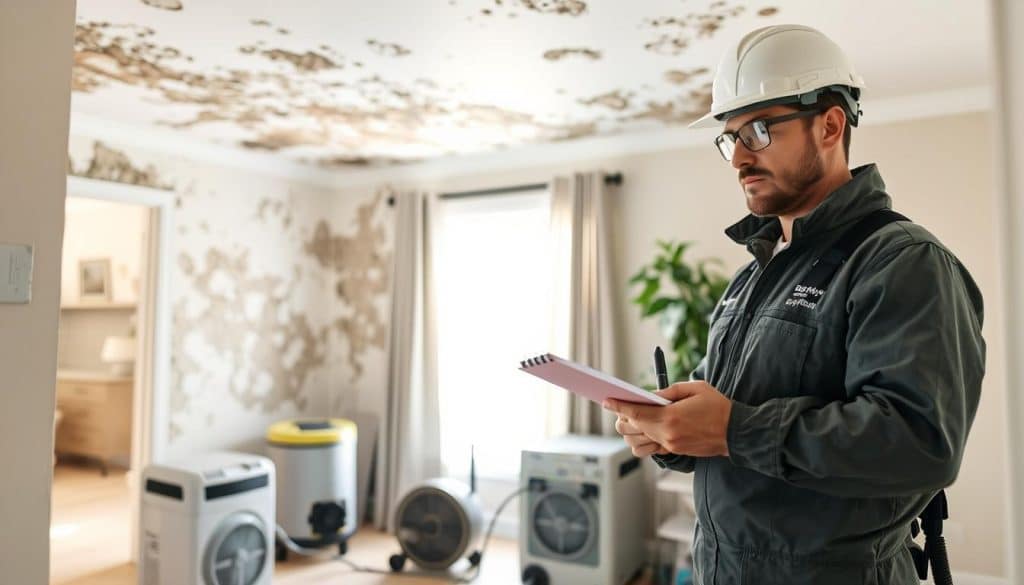
Contact me directly at (864) 710-6413 or scmoldremoval@gmail.com. I’ll personally assess your situation and provide a clear, written estimate tailored to your needs and budget.
- Reach me to discuss symptoms—musty smells, high humidity, or visible growth—and I’ll advise the next step.
- I offer on-site assessments to confirm scope, access conditions, and any moisture sources driving the issue.
- Your estimate will list containment, removal, cleaning, equipment, and optional testing or post-clearance steps.
- If repairs are needed after remediation, I’ll suggest a sensible order and durable material choices for the home.
- We’ll prioritize work around your budget or insurance to deliver the best protection for your dollars.
I schedule quickly and communicate clearly so you know what will happen and when. My goal is a safe, efficient remediation and a healthier home environment you can feel good about.
Conclusion
This conclusion ties cost drivers to practical next steps you can take today.
Understanding mold remediation costs helps you choose the right scope and protect your home value. Prices depend on scope, access, affected materials, and any HVAC or structural repairs needed.
A clear remediation cost estimate lists containment, HEPA filtration, careful removal, and cleaning so adjacent rooms stay safe. Per-square-foot ranges are a starting point; a local assessment gives the most accurate cost for your situation.
Fixing moisture sources and improving ventilation will help prevent mold from returning after work is done. I’m here to help—personally. Call (864) 710-6413 or email scmoldremoval@gmail.com for a straightforward plan that fits your home and budget.