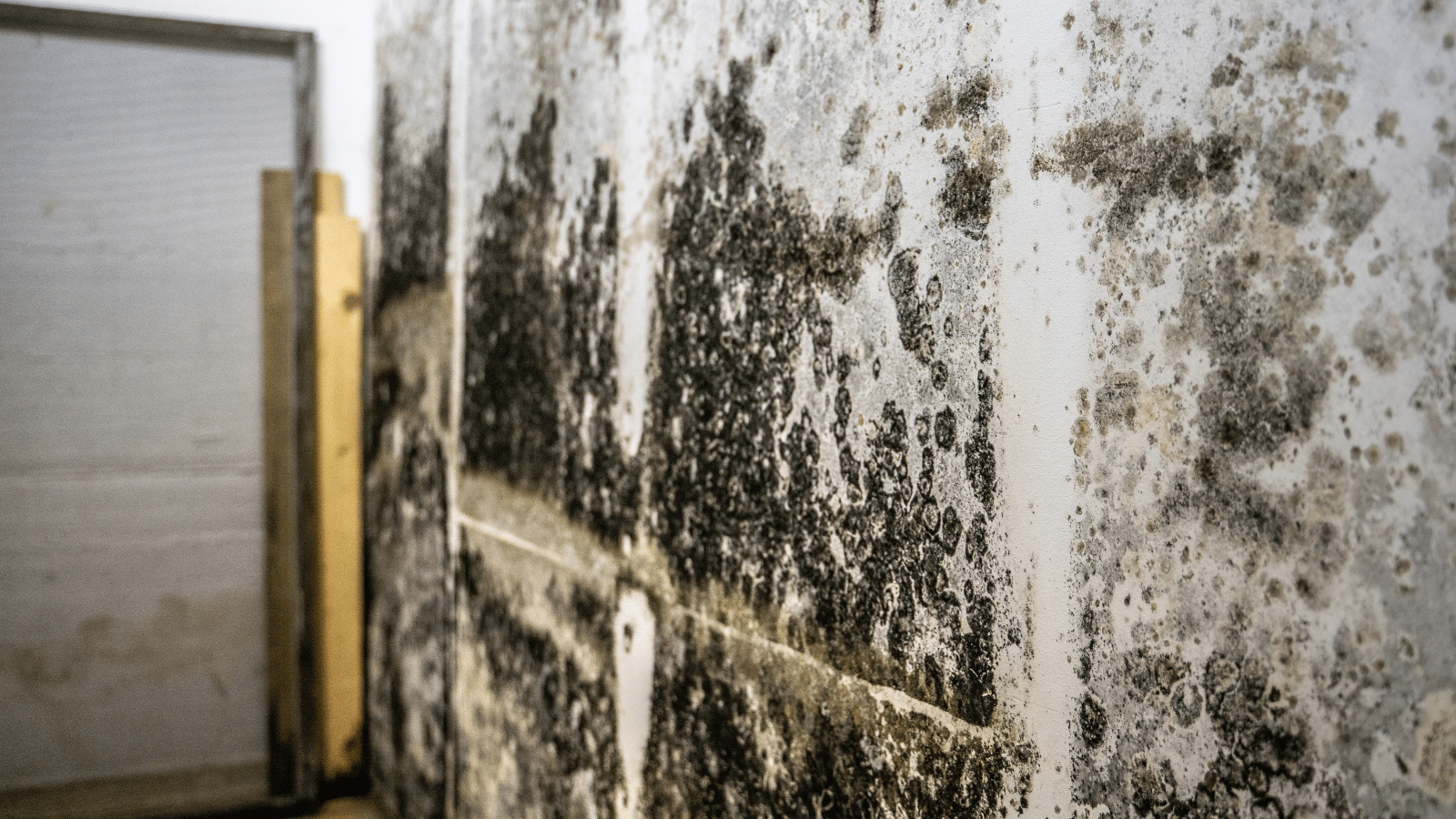
Curious whether a professional assessment will fit your budget or leave you surprised?
I’m Douglas Ray Whitehead, owner of Array of Solutions, and I handle every call personally. I’ve worked in Greenville for 20+ years and founded the company in 2007.
National guidance helps answer how much does mold inspection cost, showing typical pricing similar to a standard home check: about $300–$400 for houses under 4,000 sq ft and $700–$900 for larger homes. These figures usually cover the visual review only; lab testing is extra.
My approach is practical and least invasive. I bring contractor and home inspector experience to deliver clear results, honest advice, and a transferable workmanship warranty.
Call me at (864) 710-6413 or email scmoldremoval@gmail.com to get a straightforward estimate from a local inspector who puts your safety first.
Key Takeaways
- Typical national ranges give a realistic baseline for Greenville price expectations.
- Visual assessment often costs less; testing and lab work add to the final fee.
- Home size, layout, and access affect the final price; simple methods can lower fees.
- Local experience in Greenville can reduce surprises and protect your budget.
- Array of Solutions offers direct contact with the owner and a workmanship warranty.
Buyer’s guide overview: Mold inspection costs in Greenville, SC today
Get a practical snapshot of what buyers in Greenville should expect when ordering a professional check for visible growth and indoor air quality.
Start with realistic benchmarks. National averages sit near $656, with common ranges from about $299 to $1,014. Locally, smaller homes under 4,000 sq ft often run $300–$400; larger houses commonly fall into the $700–$900 band.
Testing and lab analysis add to that base. Typical sampling fees range $250–$500 depending on type and volume. Active water damage, tight access in crawlspaces, or complex layouts increase price because they take time and care.
- Compare flat rates and itemized quotes to spot hidden fees.
- Ask for right-sized scopes — visual first, targeted testing when needed.
- Choose an inspector who explains findings, risks from water or spores, and next steps.
We focus on clear pricing, least-invasive methods, and a transferable workmanship warranty. Call Douglas at (864) 710-6413 or email scmoldremoval@gmail.com for a direct, honest quote from Array of Solutions.

How much does mold inspection cost
Expect straightforward price ranges tied to property size and access, not surprise fees or hard sells. In Greenville, most homes under 4,000 square feet fall into a $300–$400 band for a visual review and moisture checks.
Larger or complex houses — multiple HVAC zones, deep crawlspaces, additions, or detached buildings — typically see rates between $700 and $900. Those bids reflect extra time and tricky access, not inflated pricing.
A standard visit usually includes a documented visual assessment, moisture mapping with meters, targeted thermal checks when warranted, and a written summary. Sampling and lab analysis are itemized separately so you only pay for tests that matter.
- Under 4,000 sq ft: $300–$400 for visual + moisture checks.
- Larger/complex properties: $700–$900 due to time and access.
- Testing: typically billed separately — ask for itemized quotes.
I’ll right-size the service for your goals, explain any invasive steps beforehand, and lay out clear next actions that prioritize stopping water and preventing future growth.
What drives your mold inspection price
Several clear factors shape the final quote for a professional review in Greenville. We price transparently around your home’s size, access realities, and the sampling you choose.
Square feet and layout complexity
Larger floor plans and multiple levels take longer to evaluate. Complex layouts with additions or many HVAC zones increase time on site and the final price.
Accessibility of problem areas
Attics, crawl spaces, and voids behind walls require extra effort. We discuss each access point first and only open areas that add clear value.
Sampling volume and test types
More air cassettes, swabs, or HVAC checks raise lab fees and handling time. We right-size the sampling plan so you pay only for useful data.
Regional factors and urgency
Local market conditions and travel affect overall fees. If a higher-risk type of growth is suspected, expedited sampling may be advised to guide immediate steps.
- We explain options: which tests add value and which won’t.
- Moisture focus: roof, plumbing, or condensation guide the scope.
- Clear scope: you approve a written plan before we start.
Mold inspection vs. mold testing vs. mold remediation: Key differences
Clear roles matter. We separate the evaluation, lab work, and removal to protect your health and your budget. I oversee each step so findings remain objective and easy to act on.
Inspection: Finding moisture sources and the extent of growth
An inspection is chiefly visual with moisture checks. We map wet areas, note affected materials, and outline likely spread.
This forms the roadmap for any further work and tells you whether testing or removal is needed.
Testing: Identifying species and spore concentrations
Testing answers specific questions: species ID, spore counts by area, or HVAC involvement.
We test only when results change decisions or when documentation is required. Unnecessary testing adds time and fees without value.
Remediation: Removal, containment, and clearance
Remediation removes contaminated materials, uses containment and negative air, and follows safety protocols with proper PPE.
Moisture correction first: without fixing water or damage, removal is often temporary and more expensive later.
- Inspection focuses on where and why growth occurs.
- Testing is reserved for cases that alter the plan.
- Remediation includes post-remediation verification before clearance.
When to schedule a mold inspection in the Upstate
Schedule an assessment quickly after any water event to limit spread and protect occupants. Mold can begin within 24–48 hours after moisture exposure, so early action matters.
Call me right after leaks, roof failures, or flooding — we act fast and use the least invasive diagnostic steps to map moisture and affected areas.
After water damage, leaks, flooding, or persistent condensation
Prompt review limits spread and lowers repair needs. We prioritize moisture mapping and targeted access before repairs start.
Before buying or selling a home, or after vacancy
Pre-listing or pre-purchase checks reduce surprises during negotiations. Long vacancy can raise humidity and speed growth in crawlspaces and attics.
When you see visible growth or smell a musty odor
Visible spots or musty air are reliable cues. Testing is used when results will change the plan or affect health decisions for occupants.
- Schedule quickly after leaks or plumbing failures to keep spread limited.
- Vacant homes need checks to prevent hidden damage and protect transactions.
- We prioritize air and surface sampling when occupant health or spores are a concern.
Reach out at the first sign of trouble; the sooner we assess, the simpler and more affordable the resolution usually is. Call Douglas at (864) 710-6413 or email scmoldremoval@gmail.com for a direct, owner-handled response.
What actually happens during a professional mold inspection
I guide every visit myself, combining a visual sweep with focused moisture checks to map the true scope of a problem. We start with a brief chat about recent water events, odors, or symptoms you’ve noticed in the home.
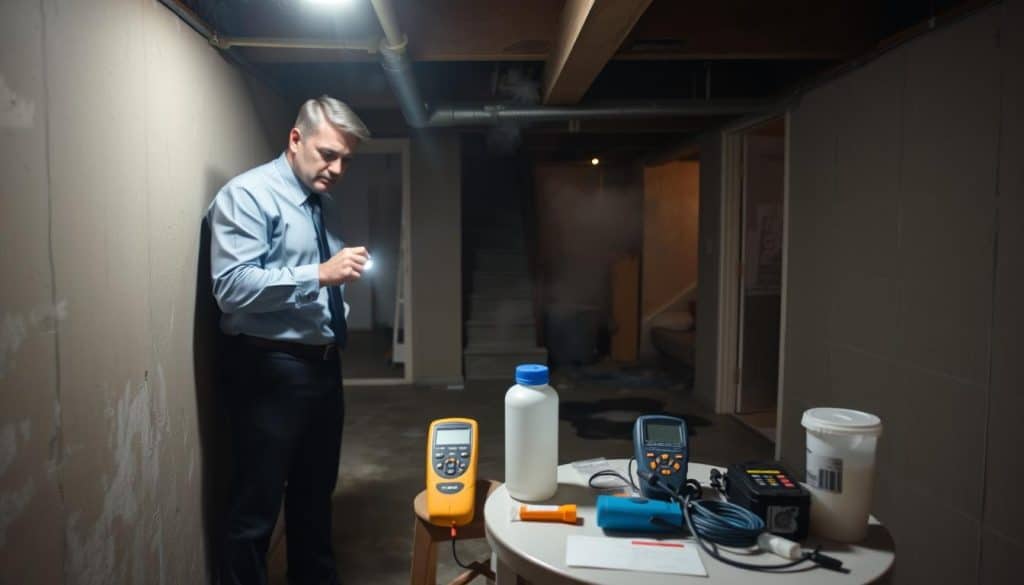
Next comes a methodical visual assessment of high‑risk areas: bathrooms, kitchens, basements, crawlspaces, attics, and around exterior penetrations. I look at walls, ceilings, and surface finishes for signs of growth and structural dampness.
Visual assessment, moisture mapping, and targeted access
We use moisture meters and thermal tools to map damp spots behind walls and under flooring without unnecessary openings. When hidden checks are needed, I perform small, targeted access to verify conditions and limit disturbance.
Scope of findings and next-step recommendations
The inspector reviews HVAC returns, supply registers, and filters for clues about air movement or spore transfer. You receive clear documentation of what we found, what it means, and prioritized, practical steps to fix causes and address effects.
- Clear plan: testing only when results will change the work.
- Least invasive: limited openings and real‑time explanations.
- Actionable report: prioritized repairs and timing that fit your budget.
Mold testing options and their costs
Not every situation needs lab work; targeted sampling gives clear answers without wasting time or money. I recommend testing only when results will change the plan or provide needed documentation for a transaction or health concern.
Air sampling: spore counts by area and HVAC zones
Air sampling measures spore levels in rooms and compares them to an outdoor baseline. HVAC checks usually add $50–$75 and show if the system spreads spores between zones.
Surface swabs and tape lifts for species ID
Swabs and tape lifts identify the type on materials. That helps decide whether cleaning or removal is needed and which repairs should follow.
Lab analysis, stain tests, and cultures
Baseline testing runs about $250–$350. Including lab analysis pushes typical fees to $400–$500. Stain work may add ~$150; cultures about $50.
When testing is essential — and when it may be unnecessary
- Use tests for clearance after remediation, real estate documentation, or species‑specific concerns.
- Avoid over‑sampling when visible growth and active leaks point to clear actions first.
- All items are itemized so you approve each sample and its cost before we proceed.
How much does mold remediation cost after inspection
Once we confirm affected areas, the next step is a tailored remediation plan that balances safety and budget. Typical remediation ranges in Greenville sit around $1,150–$3,400, with severe cases higher when demolition and special protocols are needed.
Typical removal ranges and what changes the price
Remediation pricing depends on the square feet of the affected area, material types like drywall or carpet, and access difficulty. Costs climb when growth is behind walls, in ceilings, or across multiple rooms.
- Size and square feet of the area drive labor and disposal.
- Material type and salvageability of surfaces affect scope.
- Hazardous species or deep structural damage raise the price significantly.
Containment, PPE, and specialized protocols
Proper containment, negative air, and PPE control spores and protect occupants. These safety steps are part of legitimate bids and are non‑negotiable for quality work.
Post-remediation verification and clearance testing
After removal work, we perform post‑remediation verification and targeted tests to confirm air and surfaces meet clearance goals. That final check prevents repeat damage and gives you documented assurance.
We prioritize least invasive, effective remediation and back workmanship with a transferable warranty. I keep the inspection independent so scopes remain appropriate and bids are transparent.
Health cues and home red flags that can increase overall costs
Watch for health signs or visible damage; these red flags often mean a deeper problem that raises repair and remediation bills.
If anyone in your home is symptomatic, tell me up front — I’ll prioritize the evaluation and explain protective steps. Common symptoms include nasal congestion, throat irritation, coughing, wheezing, and eye or skin irritation. Severe or prolonged exposure can worsen outcomes.
Respiratory symptoms and allergy flare-ups
Persistent respiratory irritation, worsening allergies, or frequent coughs may signal elevated spores in the air. We will fast‑track testing and focus on areas where occupants spend most time.
Warped materials, peeling paint, and recurring damp spots
Warped baseboards, soft drywall, bubbling paint, or recurring wet patches point to hidden water and ongoing growth. Chronic humidity and condensation also fuel spread, increasing repair needs.
- Priority evaluation: vulnerable occupants get tailored sampling and protective steps.
- Early action: limits affected materials and lowers overall expenses.
- Clear documentation: helps with repairs, insurance claims, or real estate disclosures.
We’ll help distinguish cosmetic staining from active problems and outline the right treatment for each. Focused guidance protects both health and your home while keeping timelines and costs manageable.
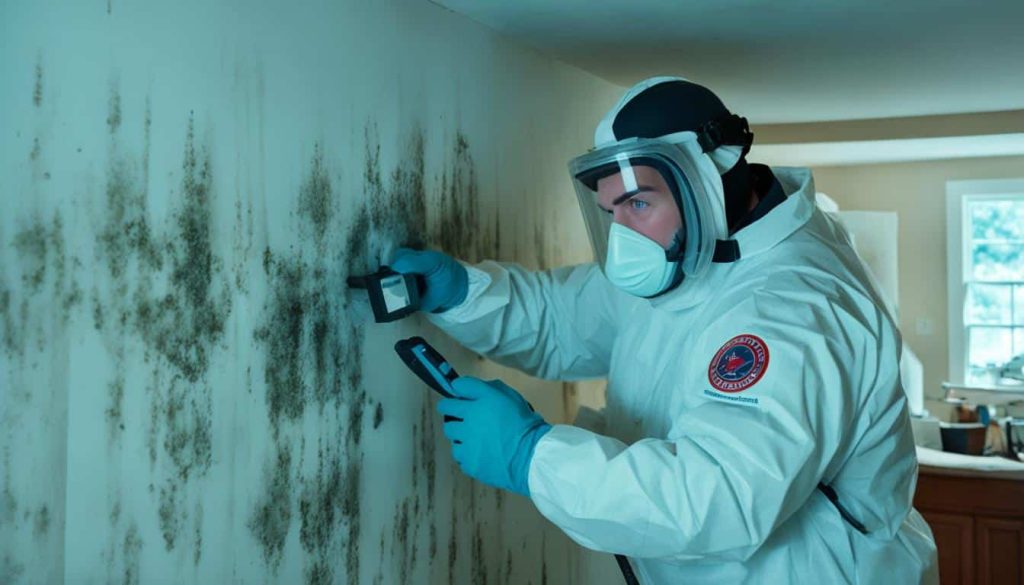
Preventing future mold costs: Practical homeowner steps
Preventing future repair bills starts with small, consistent steps you can take today. Quick fixes and routine checks stop most growth before it spreads.
Fix leaks fast and control humidity
Repair roof, plumbing, or HVAC leaks immediately. Dry wet areas within 24–48 hours to interrupt the growth cycle.
Keep indoor relative humidity below 50% and consider portable or whole‑home dehumidifiers for basements and large spaces.
Improve ventilation in kitchens, baths, and basements
Use exhaust fans or open windows during and after showers and cooking. Confirm fans vent outdoors so they actually remove moisture from the home.
Dehumidifiers and drainage improvements
Improve grading and gutters to route water away from the foundation. Standing water near the house is a common moisture driver.
- Avoid spreading spores: don’t point household fans at visible growth and don’t vacuum it with consumer units.
- Porous materials: bleach often won’t penetrate; ask about proper removal or encapsulation for affected walls and surfaces.
- Visual checks: inspect under sinks, around windows, near water heaters, and in crawlspaces on a schedule.
Regular preventive maintenance is the most cost‑effective way to protect indoor air and avoid larger repairs. Ask me about least invasive improvements tailored to your home in Greenville; I’ll recommend right-sized steps that suit your budget and space.
Choosing a Greenville, SC mold inspector you can trust
Choosing the right inspector protects your health, your house, and your budget. Start with clear credentials and local experience that match Greenville’s climate and building types.
Credentials, certifications, and local experience
I, Douglas Ray Whitehead, bring 17 years serving the Upstate as a former contractor, home inspector, and expert witness. You’ll work directly with me from first call to final recommendations.
Clear scope, transparent pricing, and independent testing ethics
Ask for a written scope and an itemized price list for tests. Verify the inspector keeps evaluation separate from remediation to avoid conflicts and surprise fees.
Right-sized sampling plans — no scare tactics
- Verify attic, basement, and crawlspace experience for local houses.
- Request sampling only when it answers a specific question about air or surfaces.
- Insist on clear communication, practical next steps, and prevention guidance.
Call Array of Solutions at (864) 710-6413 or email scmoldremoval@gmail.com for an owner‑handled, ethical, and locally informed service with a transferable workmanship warranty.
Why homeowners choose Array of Solutions for inspections and air quality
Residents value an inspector who brings contractor experience and treats each home like his own. Our goal is clear: find the source, explain the risk, and offer practical next steps you can trust.
Owner-handled service: You work directly with Douglas Ray Whitehead
I perform every visit personally, so you get direct answers and no middle layers. That keeps communication simple and accountability clear.
Seventeen years in the Upstate and expert witness experience
I’ve lived here over 20 years and founded Array of Solutions in 2007. My court work in Greenville County supports thorough, defensible reporting.
Least invasive, most effective approach with warranty
We favor targeted testing and right-sized work to limit disruption. Our transferable workmanship warranty gives long‑term protection and peace of mind.
Practical blend of inspection and construction skills
- Over 1,000 completed mold inspections and hundreds of remediation projects.
- Former contractor and home inspector — we fix causes, not just symptoms.
- Clear documentation for homeowners, buyers, sellers, and insurance or legal needs.
Conclusion
A straightforward wrap‑up helps you prioritize repairs, testing, and next steps for safe indoor air.
In Greenville today, most small to mid homes land near a $300–$400 mold inspection range; larger houses often fall between $700 and $900. Testing is optional and itemized so you only pay for useful data, and remediation typically runs $1,150–$3,400 for common cases.
Fixing moisture sources first keeps the final price lower and remediation simpler. Choose an inspector who gives a clear scope, independent recommendations, and prevention steps.
I’m Douglas Ray Whitehead of Array of Solutions. For honest guidance and an owner‑handled plan, call (864) 710-6413 or email scmoldremoval@gmail.com.