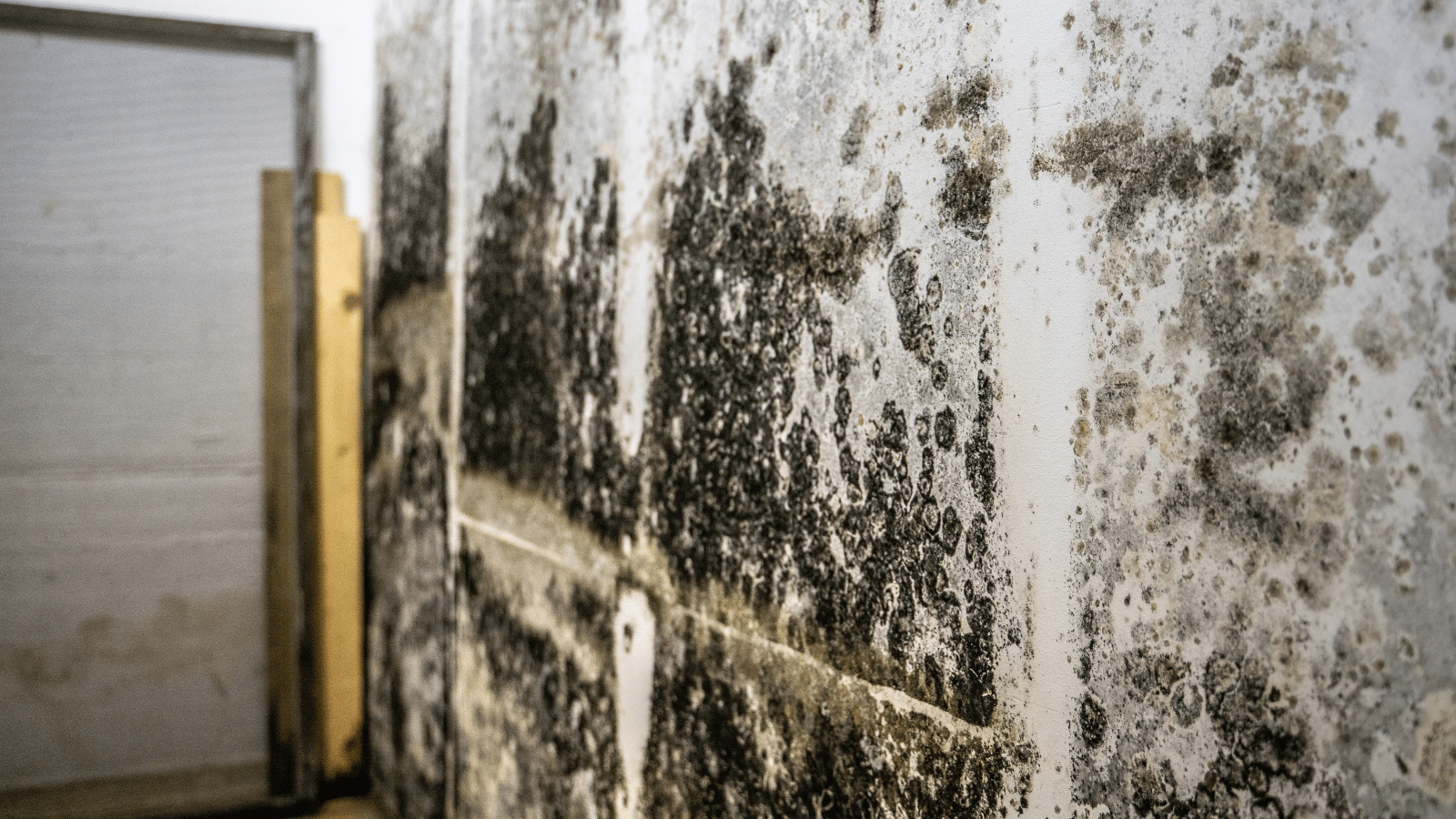
Could a low headline price hide add-ons that double your final bill for services in Greenville?
I’m Douglas Ray Whitehead of Array of Solutions, and I answer every call and handle each job personally. If you’re wondering how much does air duct cleaning cost, my 20+ years in the Upstate and company roots going back to 2007 reflect the experience behind over a thousand inspections and hundreds of remediations.
This short guide gives a plain breakdown of typical air duct cleaning price ranges for a single-family home. You’ll learn why estimates vary and which pricing model—flat, per-vent, or per-square-foot—may suit your layout best.
My promise: the least invasive, most effective solutions, an itemized quote, and a transferable warranty from one accountable expert. Call (864) 710-6413 or email scmoldremoval@gmail.com for a clear estimate tailored to your home.
Key Takeaways
- Typical local ranges run roughly $300–$500 for a standard home; larger jobs cost more.
- Prices vary by home size, system count, access, and contamination level.
- Watch for ultra-low “whole-home” specials that often lead to upsells.
- Understand what a fair scope includes to avoid surprise add-on fees.
- Professional methods and sealed containment deliver better results than surface work.
- Speak directly with me for a transparent, itemized quote and warranty.
Greenville, SC cost snapshot at a glance
Greenville homeowners commonly see quotes that start around $300 but can climb past $1,000 for larger or complex properties.
Typical ranges: Most single-family homes fall in the $300–$500 band. Larger footprints, multiple systems, or heavy contamination often push prices toward $800–$1,000+.
The main local drivers are size of the home, the number of vents and returns, and whether ductwork sits in attics or crawl spaces. Finished basements, additions, and historic materials add time and care.
What shifts price in the Upstate
- More vents or multiple HVAC systems increase labor and time.
- Difficult access—high ceilings, tight attic runs—adds setup and safety work.
- Visible dust, pet hair, renovation debris, or suspected microbial growth raise scope and containment needs.
- Seasonal demand affects scheduling and can change final price slightly.
- Always compare itemized quotes: returns, trunk lines, access fees, and containment should be listed.
Need a clear, itemized quote? Call me at (864) 710-6413 or email scmoldremoval@gmail.com. I’ve served the Upstate since 2007 and will review your layout, vent count, and goals to provide a Greenville-specific price.
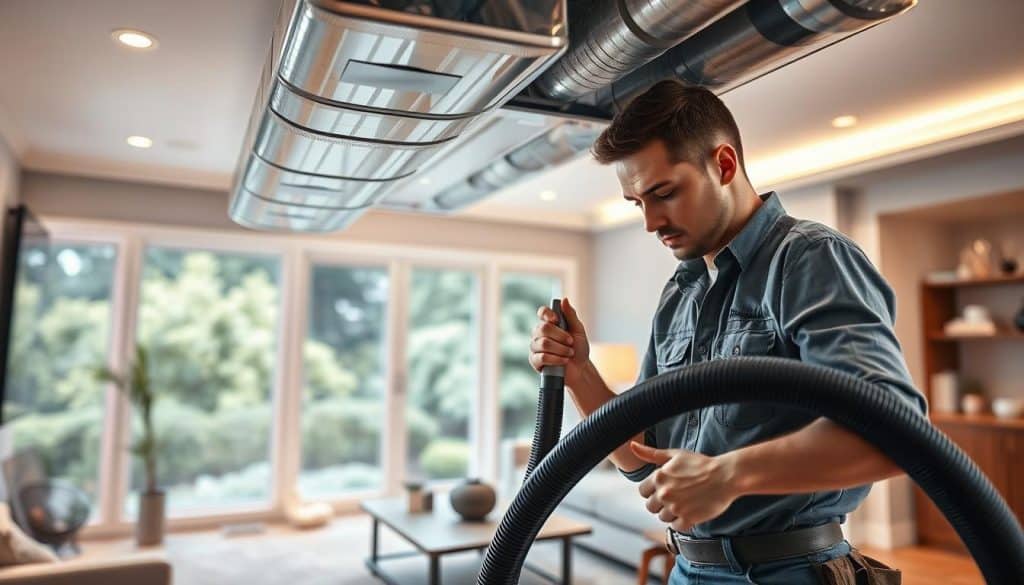
How much does air duct cleaning cost
National price guides give a useful starting point, but local layout and contamination shape the final figure you’ll see onsite.
- Most U.S. full-home jobs land between $300 and $500; NADCA notes many full-scope cleanings from about $450 to $1,000 for larger homes.
- Per-vent models often run $25–$50 for supply registers and $40–$75 for returns.
- Per-square-foot quotes usually fall in the $0.15–$0.40 range when vent counts are unknown.
What a “too good to be true” price usually means
Offers under $100 often skip essential steps or rely on aggressive upsells when crews arrive.
Hidden limits commonly exclude trunk lines, returns, sealed containment, or microbial checks. If mold is present, remediation is a separate scope and will raise costs significantly.
My promise: I’ll combine national benchmarks with Greenville realities and give an itemized scope you can trust. You’ll know the number of vents, systems, and ductwork factors that drive the final price before any work begins.
Pricing models explained: per vent vs per square foot
You’ll usually see either per-register rates or a per-square-foot option when getting a quote. Each method aims to make the final price predictable, but the right choice depends on your layout and access.
Per-vent pricing lists supplies and returns separately. Typical ranges are $25–$50 per supply and $40–$75 per return. This model gives clear line-item visibility tied to each vent and return.
Per-square-foot pricing charges roughly $0.15–$0.40 per square footage. It can be simpler for open plans or when an exact vent count is hard to confirm before arrival.
Which model favors your home? Choose per-vent when you have many scattered returns, long trunk lines, or finished basements. Pick square-foot pricing when vents are clustered and runs are short.
- Per-vent is best for precise itemization and predictable totals when you know the vent count.
- Returns cost more because they need extra sealing and negative-pressure work to reach heavy buildup.
- Square-foot bids can save time and make comparisons easier for open layouts.
Want a quick recommendation? I’ll review your vent count and footprint and explain which model yields the clearest total for your home. Call or email for a local, itemized quote from Array of Solutions.
Cost factors that raise or lower your price
Several site-specific factors can push a local quote up or pull it down. I review each home in person so you get an itemized plan that reflects your layout, ductwork type, and access—no middlemen.
- Size and vents: Larger homes and a greater number of vents increase time and labor.
- Multiple systems: Each hvac system or zone needs separate setup, which raises the total.
- Accessibility: Attics, crawl spaces, and high ceilings add safety steps and extra time.
- Duct type and contamination: Rigid metal, flex ducts, heavy dust, pet hair, or debris change methods and passes required.
- Local labor and equipment: Tight homes need staged crews, negative-air machines, and HEPA vacuums matched to the job.
What that means for you: More complexity equals more hours and specialized equipment. If moisture or mold is suspected, testing or remediation becomes a separate scope. I’ll explain each factor on your quote so you understand what drives the final price and how we limit disruption with least-invasive methods.
Add-ons, hidden fees, and when they’re worth it
Some add-ons are worthwhile; others only pad the invoice with little benefit to homeowners. I’ll flag services that improve safety or long-term performance and skip those that are pure upsell.
Dryer vent cleaning: safety and annual maintenance
Dryer vent cleaning is recommended yearly to reduce fire risk and keep your dryer efficient. Bundling a dryer vent with duct cleaning can save time and be cost-effective when done the same day.
Antimicrobial treatments, coil cleaning, and deodorizing
Antimicrobial treatments and deodorizing help after heavy debris or water events but must follow physical removal of contaminants.
Coil cleaning improves heat transfer and airflow when films or buildup are visible on accessible components.
Mold testing and remediation: when costs escalate
We test for mold only when evidence suggests a problem. Testing ranges from about $50 to $700; full remediation in HVAC systems can reach $2,000–$10,000 depending on severity.
Duct sealing, insulation, and repairs after cleaning
Sealing and minor repairs reduce leakage and help maintain results. Watch for hidden fees in low teaser quotes—returns, attic access, plenums, or required containment often carry extra charges.
- We itemize every line so you see what’s included and decide which add-ons match your priorities.
- If an add-on isn’t needed, we’ll say so—our goal is honest environmental solutions, not upselling.
- All workmanship is covered by a transferable warranty for added peace of mind.
DIY cleaning vs professional service
Basic maintenance at home can improve visible registers, but true system cleaning reaches far beyond what a shop tool can do. I’m happy to share safe tasks you can try and to explain when a pro visit is the smarter choice.
What DIY can and cannot reach
What simple steps achieve
Removing registers, gentle brushing, and a shop vacuum help reduce surface dust and improve appearance. DIY typically reaches the last ~10 feet into each vent, which is useful for spot work.
Limits and risks of DIY
Where household tools fall short
Most home vacuums lack sustained negative pressure. That means embedded debris in trunk lines and branches often stays put.
Without containment, dislodged material can recirculate into living spaces. Flex ducts can tear if brushed too hard.
- DIY steps can be a helpful interim measure.
- Professional negative-pressure systems, rotary brushes, and HEPA vacuums remove contaminants instead of moving them around.
- A full job includes returns, trunks, plenums, and accessible components—not just visible grilles.
Final note: DIY can extend time between professional visits, but it’s not a substitute for periodic professional duct cleaning when airflow or health concerns appear. Call or email me for guidance before you buy tools or start work.
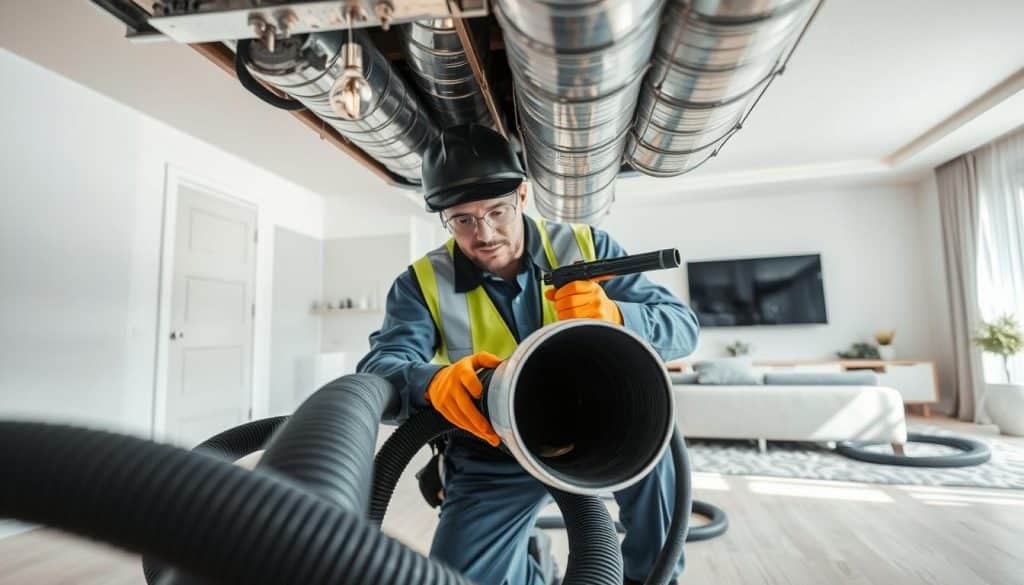
When to schedule cleaning for best results
Plan service around seasonal use and household activity so results match when you most need them. Many experts suggest service every 3–5 years, sooner after renovations or if signs appear at home.
Signs it’s time: visible dust, musty odors, post-renovation
- Visible dust or a persistent film on surfaces and registers.
- Musty or stale odors when the system starts up.
- After drywall, sanding, or other renovation work that spreads fine particles.
- Recent mold sightings or water events that may have reached air ducts.
Health and efficiency cues: allergies, airflow, energy bills
- Allergy or asthma flare-ups tied to time spent indoors.
- Reduced airflow or rooms that heat and cool unevenly.
- Noticeable rise in energy use when the hvac system works harder to maintain comfort.
- Homes with shedding pets or high outdoor dust may need checks closer to the 3-year mark.
We help you pick timing that fits family schedules and routine HVAC service. If you’re unsure when the last service occurred, an inspection clarifies next steps. Call or email me to discuss symptoms at your home and whether a full cleaning or targeted inspection makes sense.
Getting an accurate, transparent quote in Greenville
An honest estimate starts with simple facts you can gather in minutes. I’ll guide you over the phone and then provide a Greenville-specific, itemized quote you can trust.
What to measure before you call: square footage and vent count
Note your home’s approximate square footage, the count of supply and return vents, and how many HVAC systems serve the house. These three items let me estimate labor and equipment needs quickly.
Questions to ask about inclusions, access fees, and certifications
- Is the price flat-rate, per-vent, or per-square-foot?
- Are returns, trunks, plenums, and cleanup included?
- Are attic or crawl access fees added?
- What equipment and methods will the team use, and are technicians certified?
How to avoid bait-and-switch and surprise add-ons
Request a line-by-line estimate. Beware of low teaser numbers; ask for the all-in total before you schedule. I’ll personally count vents with you, review your square footage, and send a clear quote that lists every component and any optional services.
Call me, Douglas Ray Whitehead: (864) 710-6413 — scmoldremoval@gmail.com. I handle every estimate and answer follow-up questions so you get transparent service and fair price.
Why choose Array of Solutions for duct cleaning and air quality
Choosing the right local team matters for lasting indoor comfort and safety. I founded Array of Solutions in 2007 and have lived in the Upstate for over 20 years. You work directly with me—no call centers, no handoffs—so communication stays clear from estimate to final walkthrough.
Owner-led service: You work directly with Douglas Ray Whitehead
I handle every inquiry and project personally. My background as a contractor, home inspector, and environmental consultant means practical, code-aware answers that protect your home and family.
Since 2007 in the Upstate: inspections, remediation, and Expert Witness experience
With 1,000+ mold inspections, hundreds of remediations, and Expert Witness work in Greenville County Courts, we bring measured expertise to each service.
Least invasive, most effective solutions with a transferable warranty
We focus on least invasive methods that still deliver measurable results. Every project includes a transferable workmanship warranty so your investment is protected.
- Personal scheduling and documented scopes.
- Holistic environmental approach for clean air and safer homes.
- Clear options if inspection suggests remediation or sealing.
Contact Array of Solutions: (864) 710-6413 — scmoldremoval@gmail.com. I’ll personally review your system, answer questions, and provide a transparent, itemized service plan.
Conclusion
A clear, itemized plan protects your home and wallet when scheduling service in Greenville.
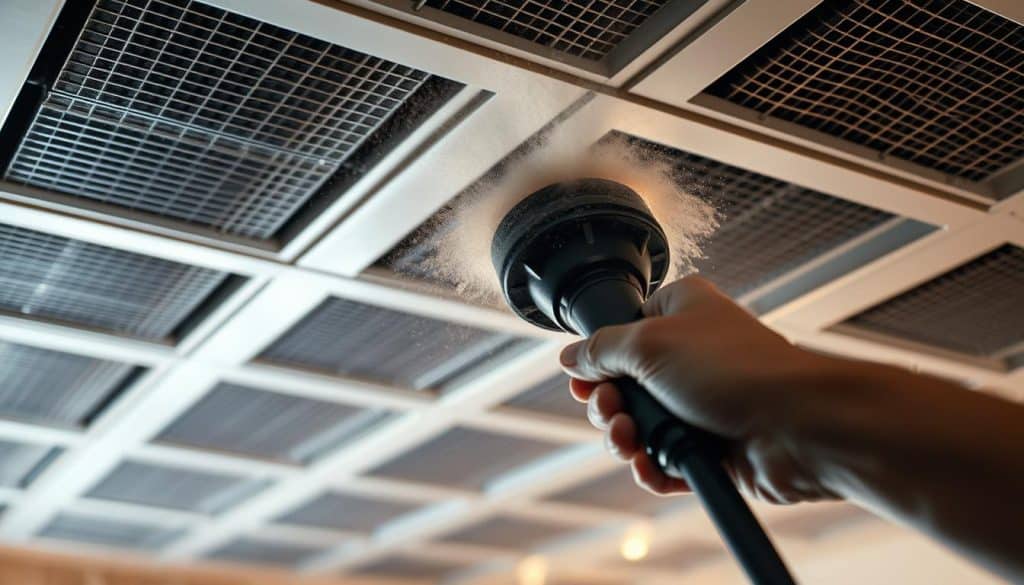
Choose duct cleaning services that describe methods, scope, and protections in writing. A thorough job uses negative pressure and agitation to remove debris from the full network — not just the last few feet.
Reputable air duct cleaners include returns, trunks, and accessible components. Vent cleaning alone is not a complete solution for dust, mold, or heavy debris.
Expect a realistic estimate of time and cost, guidance on filters and simple maintenance, and a warranty that backs workmanship. I’m ready to help personally.
Call Douglas: (864) 710-6413 or email scmoldremoval@gmail.com to schedule an honest, itemized quote and get clean air ducts you can trust.
FAQ
How much does air duct cleaning typically run in Greenville, SC?
FAQ
How much does air duct cleaning typically run in Greenville, SC?
For a standard single-family home in the Greenville area, routine service commonly falls between $300 and $1,000+, depending on system complexity and contamination level. Smaller jobs with few vents land near the low end; whole‑house cleanings, mold remediation, or multiple HVAC systems push the price higher.
What local factors drive price swings in the Upstate?
Local labor rates, equipment needs, accessibility (attics, crawlspaces, high ceilings), travel time, and the presence of mold or heavy debris all influence the final figure. Older ductwork, multiple zones, and tight access raise time and equipment costs.
What national or regional averages should I expect?
National averages align with the Greenville snapshot: many homeowners pay $300–$500 for basic service and $700–$1,000+ for more extensive jobs. Expect higher pricing if mold testing, remediation, or system repairs are required.
What does a “too good to be true” price usually mean?
Extremely low bids often omit essential steps—no negative‑pressure vacuuming, cut corners on containment, or sneak in add‑on fees once work begins. Choose a transparent quote that details methods, equipment, and any exclusions.
What are the common pricing models: per vent vs per square foot?
Providers use two common models. Per‑vent pricing charges a set fee per supply and return vent. Square‑foot pricing bills by home size. The best model depends on your layout and how many outlets your system uses.
What are typical per‑vent rates?
Per‑vent rates commonly range from about $25–$50 for supply vents and $40–$75 for returns, depending on accessibility and whether liners or registers need removal and reinstallation.
What are typical square‑foot rates?
Square‑foot pricing usually sits between $0.15 and $0.40 per sq ft. This approach can be fair for open layouts but may overcharge homes with few vents or undercharge highly contaminated systems.
What local factors drive price swings in the Upstate?
What national or regional averages should I expect?
FAQ
How much does air duct cleaning typically run in Greenville, SC?
For a standard single-family home in the Greenville area, routine service commonly falls between $300 and $1,000+, depending on system complexity and contamination level. Smaller jobs with few vents land near the low end; whole‑house cleanings, mold remediation, or multiple HVAC systems push the price higher.
What local factors drive price swings in the Upstate?
Local labor rates, equipment needs, accessibility (attics, crawlspaces, high ceilings), travel time, and the presence of mold or heavy debris all influence the final figure. Older ductwork, multiple zones, and tight access raise time and equipment costs.
What national or regional averages should I expect?
National averages align with the Greenville snapshot: many homeowners pay $300–$500 for basic service and $700–$1,000+ for more extensive jobs. Expect higher pricing if mold testing, remediation, or system repairs are required.
What does a “too good to be true” price usually mean?
Extremely low bids often omit essential steps—no negative‑pressure vacuuming, cut corners on containment, or sneak in add‑on fees once work begins. Choose a transparent quote that details methods, equipment, and any exclusions.
What are the common pricing models: per vent vs per square foot?
Providers use two common models. Per‑vent pricing charges a set fee per supply and return vent. Square‑foot pricing bills by home size. The best model depends on your layout and how many outlets your system uses.
What are typical per‑vent rates?
Per‑vent rates commonly range from about $25–$50 for supply vents and $40–$75 for returns, depending on accessibility and whether liners or registers need removal and reinstallation.
What are typical square‑foot rates?
Square‑foot pricing usually sits between $0.15 and $0.40 per sq ft. This approach can be fair for open layouts but may overcharge homes with few vents or undercharge highly contaminated systems.
What does a “too good to be true” price usually mean?
What are the common pricing models: per vent vs per square foot?
What are typical per‑vent rates?
What are typical square‑foot rates?
FAQ
How much does air duct cleaning typically run in Greenville, SC?
For a standard single-family home in the Greenville area, routine service commonly falls between $300 and $1,000+, depending on system complexity and contamination level. Smaller jobs with few vents land near the low end; whole‑house cleanings, mold remediation, or multiple HVAC systems push the price higher.
What local factors drive price swings in the Upstate?
Local labor rates, equipment needs, accessibility (attics, crawlspaces, high ceilings), travel time, and the presence of mold or heavy debris all influence the final figure. Older ductwork, multiple zones, and tight access raise time and equipment costs.
What national or regional averages should I expect?
National averages align with the Greenville snapshot: many homeowners pay $300–$500 for basic service and $700–$1,000+ for more extensive jobs. Expect higher pricing if mold testing, remediation, or system repairs are required.
What does a “too good to be true” price usually mean?
Extremely low bids often omit essential steps—no negative‑pressure vacuuming, cut corners on containment, or sneak in add‑on fees once work begins. Choose a transparent quote that details methods, equipment, and any exclusions.
What are the common pricing models: per vent vs per square foot?
Providers use two common models. Per‑vent pricing charges a set fee per supply and return vent. Square‑foot pricing bills by home size. The best model depends on your layout and how many outlets your system uses.
What are typical per‑vent rates?
Per‑vent rates commonly range from about $25–$50 for supply vents and $40–$75 for returns, depending on accessibility and whether liners or registers need removal and reinstallation.
What are typical square‑foot rates?
Square‑foot pricing usually sits between $0.15 and $0.40 per sq ft. This approach can be fair for open layouts but may overcharge homes with few vents or undercharge highly contaminated systems.
FAQ
How much does air duct cleaning typically run in Greenville, SC?
For a standard single-family home in the Greenville area, routine service commonly falls between $300 and $1,000+, depending on system complexity and contamination level. Smaller jobs with few vents land near the low end; whole‑house cleanings, mold remediation, or multiple HVAC systems push the price higher.
What local factors drive price swings in the Upstate?
Local labor rates, equipment needs, accessibility (attics, crawlspaces, high ceilings), travel time, and the presence of mold or heavy debris all influence the final figure. Older ductwork, multiple zones, and tight access raise time and equipment costs.
What national or regional averages should I expect?
National averages align with the Greenville snapshot: many homeowners pay $300–$500 for basic service and $700–$1,000+ for more extensive jobs. Expect higher pricing if mold testing, remediation, or system repairs are required.
What does a “too good to be true” price usually mean?
Extremely low bids often omit essential steps—no negative‑pressure vacuuming, cut corners on containment, or sneak in add‑on fees once work begins. Choose a transparent quote that details methods, equipment, and any exclusions.
What are the common pricing models: per vent vs per square foot?
Providers use two common models. Per‑vent pricing charges a set fee per supply and return vent. Square‑foot pricing bills by home size. The best model depends on your layout and how many outlets your system uses.
What are typical per‑vent rates?
Per‑vent rates commonly range from about $25–$50 for supply vents and $40–$75 for returns, depending on accessibility and whether liners or registers need removal and reinstallation.
What are typical square‑foot rates?
Square‑foot pricing usually sits between $0.15 and $0.40 per sq ft. This approach can be fair for open layouts but may overcharge homes with few vents or undercharge highly contaminated systems.
Which pricing model favors my home?
If your home has many vents or an irregular layout, per‑vent pricing may be clearer. For large, open single‑level homes, square‑foot pricing can be simpler. Ask for both estimates to compare total outlay and included services.
What specific cost factors can raise or lower my price?
Key factors: home size, number of vents, multiple HVAC systems, access challenges (attic, crawlspace, high ceilings), duct material, and contamination level (dust, pet hair, construction debris, or mold).
Are add‑ons and hidden fees common, and which add‑ons are worth it?
Add‑ons can include dryer vent cleaning, antimicrobial treatments, coil cleaning, deodorizing, mold testing, duct sealing, and insulation repair. Dryer vent cleaning and coil work are often worth the extra expense for safety and system efficiency.
When do mold testing or remediation make prices jump?
If inspection reveals active mold or heavy microbial growth, testing and remediation add steps and specialized containment, which increases labor, materials, and disposal costs. That’s when prices rise significantly.
Is dryer vent cleaning included or separate, and why is it important?
Dryer vent service is often offered as an add‑on. It’s crucial for fire prevention, dryer performance, and indoor air quality. Many homeowners include it annually or during HVAC service visits.
What can I reasonably do myself and when should I hire pros?
You can remove and vacuum registers, change filters, and clean accessible grilles. Professionals use negative‑pressure vacuum systems and rotary tools that reach deep inside ducts, remove heavy debris, and avoid spreading dust—tasks outside typical DIY capability.
Why does negative‑pressure equipment matter?
Negative‑pressure (truck‑mounted or portable vacuums) prevents dislodged dust from re‑entering the home, captures contaminants at source, and allows technicians to clean the entire duct run rather than only the visible register openings.
When should I schedule service for best results?
Schedule cleaning after major renovations, if you notice visible dust blowing from vents, persistent musty odors, increased allergy symptoms, or a sudden drop in airflow or energy efficiency. Regular checks every 3–5 years suit many homes; annual attention fits homes with pets or occupants with asthma.
What measurements and information should I have before requesting a quote?
Note your home’s square footage, number of supply and return registers, number of HVAC systems, age of ductwork, and any access challenges (attic, crawlspace). Photos of registers and accessible duct areas speed an accurate estimate.
What questions should I ask to ensure a transparent quote?
Ask what’s included (vacuum method, coil cleaning, register removal), whether mold testing or antimicrobial treatments are extra, access fees, warranty terms, required repairs, and technician certifications or insurance coverage.
How can I avoid bait‑and‑switch and surprise add‑ons?
Request a written estimate with a full scope, insist on on‑site inspection before final pricing, and choose contractors who detail methods and exclusions. Verify transferability of any warranty and get all promises in writing.
Why choose Array of Solutions for duct and indoor air quality work?
Array of Solutions offers owner‑led service in Greenville and the Upstate, with experience since 2007 in inspections, remediation, and Expert Witness work. We focus on least‑invasive, most effective solutions and provide a transferable warranty to protect your investment.
Who will lead my service and how do I contact the company?
Owner Douglas Ray Whitehead oversees service directly to ensure quality and clear communication. Call (864) 710-6413 or email scmoldremoval@gmail.com to schedule an inspection or request a transparent quote.