
Curious why a color on a map can change your day? That number tells a story about local pollution, weather shifts, and choices that affect human health.
The AQI tracks PM2.5, PM10, ozone, carbon monoxide, sulfur dioxide, and nitrogen dioxide. Monitors use hourly or 24-hour averages, and wind or inversions can change readings fast.
Your safety is my future. Call me at (864) 710-6413 or email scmoldremoval@gmail.com for a precise, transferable workmanship warranty and a plan that protects your home with minimal disruption.
Our focus is practical: show you which readings matter, what they mean for daily choices like recess or outdoor work, and when indoor steps are wise. If musty smells, recent water damage, or visible growth appear, call for a personal, expert response in Greenville, SC.
Key Takeaways
- The AQI converts complex pollution data into a simple health scale.
- Short-term weather can shift readings block by block and hour by hour.
- Know the main pollutants to understand impacts on lungs and overall health.
- Array of Solutions offers hands-on, minimally invasive indoor solutions and a transferable warranty.
- Track the right measurements to protect your family and workers.
Understanding the Air Quality Index (AQI) and why it matters now
A single AQI number gives a quick, health-first view of local pollution. The air quality index converts pollutant readings into an easy color and number that anyone can use to plan their day.

What the index represents
The AQI acts as a simple quality index that links measured concentrations to likely health effects. Agencies turn pollutant data into sub-indices, then report the highest as the official aqi for a site.
Core pollutants tracked
Common drivers include PM2.5 and PM10 (particulate matter), ozone, carbon monoxide, sulfur dioxide, and nitrogen dioxide.
Color codes and public advisories
- Green: normal outdoor activity.
- Yellow–Orange: sensitive groups should take precautions.
- Red and above: limit outdoor exertion and follow public health guidance.
Vehicles and city layouts shape local spikes, and small particles such as higher 2.5 micrometer matter can reach deep into lungs. At Array of Solutions, we translate aqi results into clear, practical steps so homeowners and businesses can act with confidence.
How is air quality measured: methods, sensors, and data standards
Different instruments—each with trade-offs—combine to give a fuller picture of local pollutant levels.
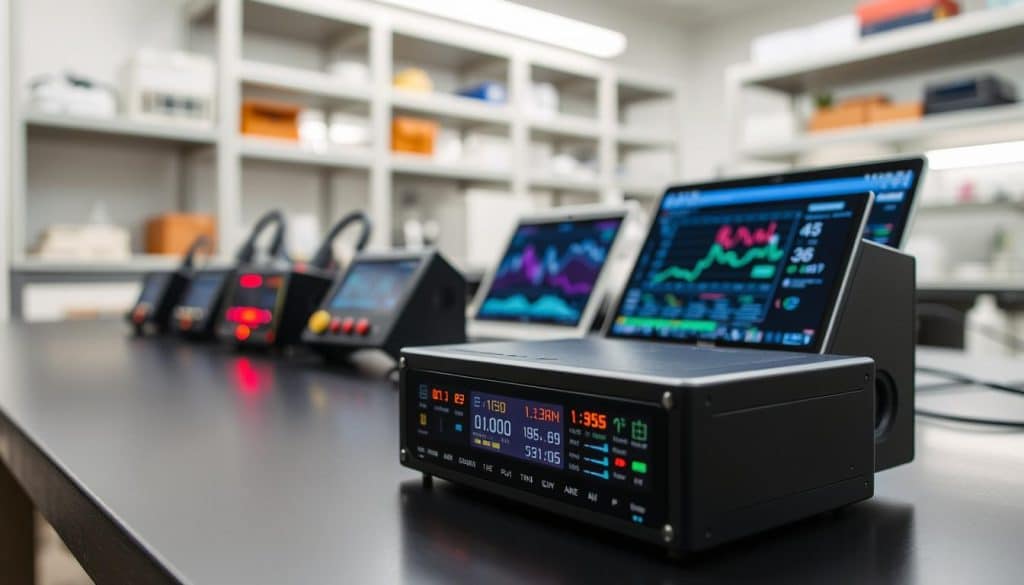
Regulatory-grade monitoring uses reference stations and Federal Equivalent Method (FEM) instruments. Gravimetric samplers weigh collected particulate matter on filters for accurate PM2.5 and PM10 results. Standard gas analyzers log ozone and other gases on fixed schedules to support official reporting.
Real-time, low-cost sensors use optical particle counting (laser scattering) for particulate estimates and electrochemical or NDIR cells for gases. These sensors give fast readings but can drift without calibration.
- Calibration and QA: Regular checks against reference monitors keep sensor networks reliable.
- Satellites and remote sensing: AOD measurements and instruments like TROPOMI and TEMPO map regional patterns where ground monitors are sparse.
- Advanced analytics: Data fusion, drift correction, and spatial modeling produce hyperlocal maps for practical management decisions.
For indoor concerns, we favor the least invasive tests and clear diagnostic steps. I explain which measurements matter for your building so results guide efficient, effective remediation.
Reading and using AQI in the United States
A clear score and color tell you what to do today. The aqi comes from breakpoints that turn concentration data into sub-indices. Each pollutant makes a sub-index; the highest one becomes the reported number.
Interpreting the 0–500 scale
The scale links ranges to health guidance. Green means normal activity. Yellow and orange ask sensitive people to take precautions.
Key points:
- Read the 0–500 number and the color band; both reflect the top sub-index.
- Breakpoints use specific averaging periods for each pollutant when computing the score.
- Sensors and monitoring networks supply the data that feed these calculations.
- Short-term swings happen with weather and local emissions, so check updates often.
Guidance for sensitive groups
People with asthma, heart conditions, or older adults should limit exertion on higher days. For ozone-driven spikes, avoid late afternoon workouts. For particle-driven events, watch commutes and nearby work zones.
Practical steps: close windows during spikes, run HVAC on recirculate, use filtration, or postpone outdoor plans for kids. We help Upstate families interpret the aqi, identify the dominant pollutant, and decide on simple actions. Call me directly to talk through decisions.
Why AQI changes from hour to hour: weather, sources, and seasons
A patch of calm wind or a late-afternoon traffic surge can flip a safe day into one with poor breathing conditions. Minute-to-minute shifts come from both the sky and nearby activity. We watch those shifts so you can make safer choices.
Meteorological drivers
Wind spreads or concentrates pollution. Light breezes and temperature inversions trap emissions near the ground and raise the aqi quickly.
Rain usually clears particles and gives temporary relief. Hot, sunny spells speed ozone formation downwind of busy roads and urban cores.
Source impacts
- Vehicles and traffic: rush-hour spikes often create short, sharp pollution pulses near roadways and sidewalks.
- Industry and construction: local operations produce bursts of dust and emissions that change levels hour by hour.
- Wildfires: smoke can carry fine particulate across regions, causing poor air and smoky conditions even far from the flames.
Spikes in higher 2.5 often occur near busy streets during calm mornings. Portable sensors can reveal local hotspots and help people shift routes or times.
Indoors: when outdoor levels rise, seal leaks, run filtration, and control moisture. These steps reduce infiltration of particulate matter and limit mold risks while you wait for the aqi to fall.
Forecasts and real-time alerts: staying ahead of poor air quality
Forecast tools now blend live readings and short-term models so you can act before pollution peaks.
Real-time aqi readings and short-term outlooks combine regulatory monitors, satellites, and distributed sensors to give sub-hourly updates and 72-hour forecasts.
Accessing data and short-term outlooks to reduce exposure
We help clients set simple routines: check the day’s outlook, pre-run filtration before an expected spike, and pick low-impact steps that keep family or staff safe.
- Check aqi and forecasts each morning so you can take action—like starting air cleaners—before peaks arrive.
- Use blended monitoring platforms that pool multiple streams of air quality data for timely, neighborhood-level guidance.
- Set custom alerts at thresholds that matter to you so staff can switch HVAC to recirculate or postpone outdoor tasks.
- Carry a portable sensor to spot-check near known sources and confirm conditions around your property.
For sensitive people, automated reminders and trend monitoring make consistent protective steps easier. If indoor conditions feel off despite good outdoor readings, call us to inspect for building sources like moisture or hidden growth.
Trusted local help in Greenville, SC: indoor air quality and mold consulting by Array of Solutions
Trusted local support turns confusing test results into clear repairs that protect families. I’m Douglas Ray Whitehead. I own Array of Solutions and handle every inquiry personally. I studied social work, have lived in the Upstate 20+ years, and started the company in 2007.
Direct-to-owner expertise
I’m a former contractor and home inspector and serve as an Expert Witness. We’ve completed over a thousand mold inspections and hundreds of remediations.
Least invasive, most effective solutions
- Root-cause approach: focus on water intrusion, hidden moisture, and building materials that drive poor air quality.
- Targeted testing: use the least invasive diagnostics to guide repairs and limit disruption.
- Transferable workmanship warranty: long-term protection for people and properties across Greenville and nearby cities.
If you notice musty odors, allergic reactions, visible moisture, or suspect exposure risks, call me directly. I translate findings into clear steps for health, cost, and disruption. Contact: (864) 710-6413 — scmoldremoval@gmail.com

Conclusion
Reliable monitoring turns complex pollutant patterns into practical steps you can use today. Clear aqi and mapped data guide choices for homes, schools, and worksites.
Measuring air quality blends reference instruments, modern sensors, and smart data so public health advice stays useful when weather, vehicles, or wildfires cause change.
If indoor conditions differ from outdoor readings, that often points to building sources like moisture or mold. I offer honest, least‑invasive solutions with direct owner access in Greenville, SC.
Array of Solutions provides evidence‑based remediation and steady support to help people protect lungs and reduce exposure as conditions evolve.