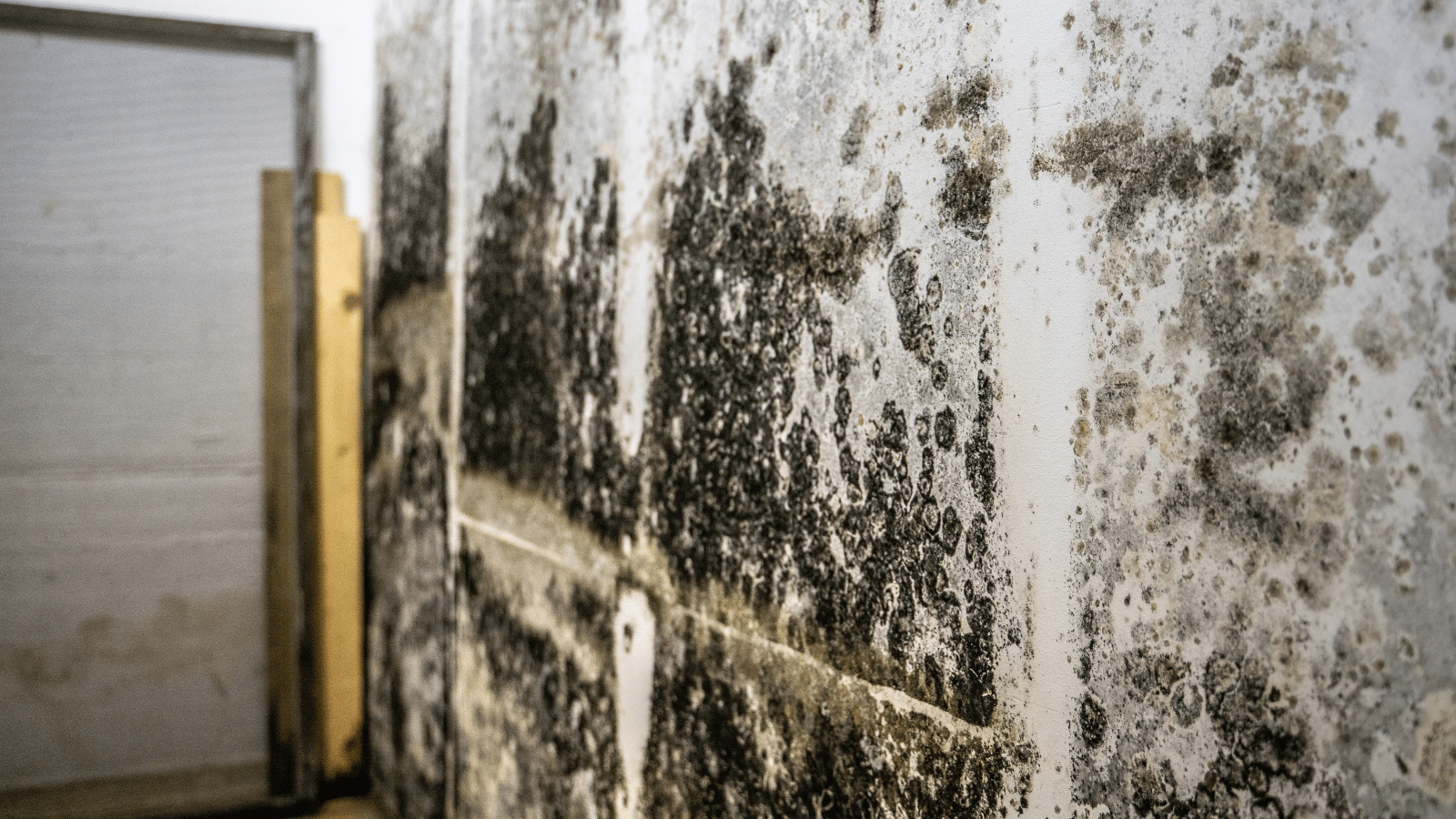
Curious: can a simple trench really protect your foundation and peace of mind without tearing up your yard?
I’m Douglas Ray Whitehead, owner of Array of Solutions in Greenville, SC. I’ve lived in the Upstate for over 20 years and founded the company in 2007. I handle every inquiry personally so you deal with one expert from start to finish.
This guide explains how a french drain and related drainage work to move water away from your home, and breaks down typical french drain cost ranges. You’ll see national benchmarks and realistic local allowances so you can plan a practical project.
We focus on the least invasive, most effective methods and back our work with a transferable workmanship warranty. As a former contractor, home inspector, and Expert Witness, I combine field experience with clear solutions.
Call (864) 710-6413 or email scmoldremoval@gmail.com for a second opinion or immediate help. Your safety is my future.
Key Takeaways
- Understand what a french drain system does and where it helps most.
- See how national numbers translate to Greenville area planning.
- Know which installations protect your foundation best.
- Learn about materials, labor, and upgrade choices that matter.
- Expect least invasive methods and a transferable workmanship warranty.
Buyer’s guide overview: what a French drain is and why cost varies
Simple components—pipe, gravel, and fabric—combine to solve complex water problems around a home. A well-built system captures groundwater, filters sediment, and routes water to a safe discharge point so basements and foundations stay dry.
How these systems work
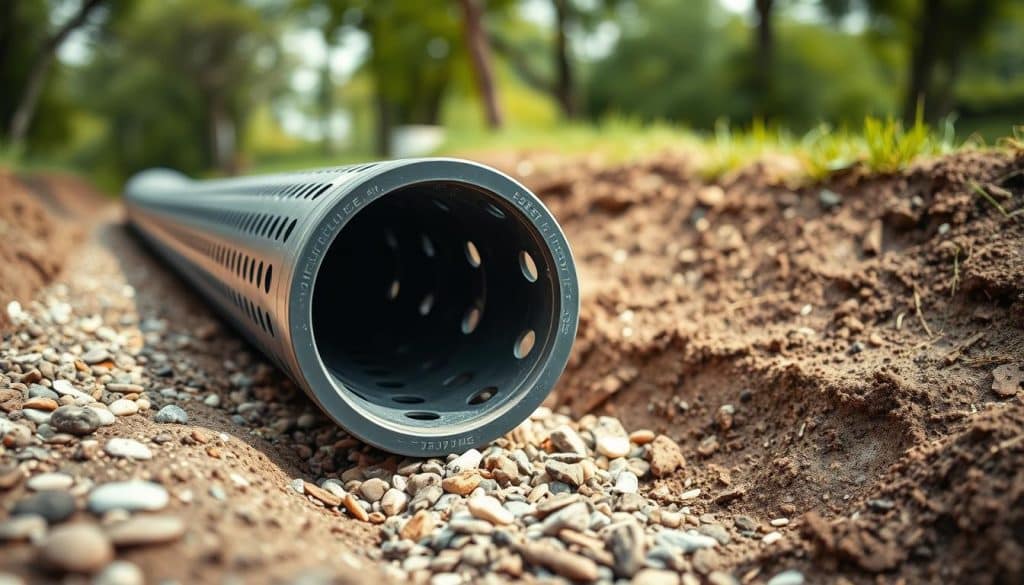
A trench is lined with fabric and filled with washed gravel. A perforated pipe sits in the gravel to collect water and move it away on a steady slope.
The fabric and gravel form a filter that helps prevent pipe clogging. Slope matters: aim for about 1 inch of drop every 8 feet, never less than 1% fall.
Interior vs. exterior applications
Exterior french setups suit soggy yard areas and perimeter runs. They relieve groundwater pressure without major interior work.
Interior french solutions pair with a sump system when water enters at the slab edge or cove joint. These typically require concrete cutting and more labor, so the installation is more intrusive and time-consuming.
- Design varies by soil, depth, access, and discharge options.
- Tight spaces or delicate landscaping may need hand work and care.
- We match the type of system to your property to balance performance and disruption.
French drain cost: national averages and price range at a glance
Knowing what most homeowners actually pay makes budgeting for a drainage project easier.
National averages: Expect a typical project total near $5,000. Common national ranges run about $1,650 to $12,250, with extremes from roughly $500 up to $18,000.
What drives those numbers? Location on the property, pipe diameter, soil type, access for equipment, and add‑ons like decorative rock or ties to a storm outlet. Short, shallow runs in easy soil hit the low end. Deep footing work, tight access, or major discharge work push totals higher.
- Most homeowners land near $5,000, but your project can be higher or lower.
- Low extremes (~$500) reflect short lengths, shallow trenches, and quick restoration.
- High extremes (to $18,000) signal deep footing drains, tricky access, or complex discharge work.
I’ll walk you through these allowances—materials, labor, equipment, and restoration—so you see exactly where each dollar goes. In Greenville and the Upstate, we tailor estimates to local soil and access realities so your plan fits your budget and protects your home from water without overspending.
Cost per linear foot by location
Price per linear foot changes a lot depending on where the run sits on your property. Exterior runs are usually cheaper because machine access and shallow trenches speed the work. Interior runs require concrete cutting and cleanup, so labor and time push the per linear foot number higher.
Exterior ranges and visibility
Exterior french drains typically fall between $10 and $65 per linear foot. Shallow lines that handle surface water sit at the low end. Deeper footing work costs more, and visible stretches often get decorative gravel or curbing as a finishing touch.
Interior pricing drivers
Interior french work usually runs $40 to $100 per linear foot. Concrete cutting, debris removal, and living‑space restoration explain the higher rate. Pairing with a sump or emitter adds to the per linear foot total.
- Exterior pricing varies with trench depth, access, and machine vs. hand work.
- Interior runs cost more for demolition, removal, and finish work in occupied spaces.
- Shallow lines address surface water; footing lines control groundwater near foundations.
- We optimize routes and slopes to lower unnecessary footage and keep the project efficient.
Tip: For budgeting, multiply the per linear foot figure by planned length and add allowances for decorative finish ($600–$1,400) if the line is visible. We’ll flag trees, patios, and fences that affect pricing and suggest the least invasive path that still moves water where it belongs.
Sizing the project: 50, 100, and 200 linear feet benchmarks
We use standard footage tiers to show how pricing scales with length and complexity. Below are practical allowances you can use to plan and stage work without guessing.
Exterior ranges (typical)
50 linear foot: $500–$3,250. 100 per: $1,000–$6,500. 200 linear foot: $2,000–$13,000.
Interior ranges (typical)
50 linear foot: $2,000–$5,000. 100 per linear: $4,000–$10,000. 200 linear foot: $8,000–$20,000. Interior french runs often include a sump system for reliable discharge.
- These benchmarks show how totals scale with length while depth, soil, and access still drive final figures.
- For 50 linear foot fixes we target low spots or problem walls to maximize impact per linear foot.
- At 100 linear feet we often handle a full side of a house or a long swale with proper slope.
- Two-hundred linear foot projects frequently cover perimeters or complex yard routes with transitions.
- We map footage precisely and can stage the project so you manage cash flow without losing warranty coverage.
Key factors that affect your final price
Your property’s makeup and how crews can reach trouble spots drive most of the final figure. We assess these conditions first so estimates match reality and surprises are rare.
Soil type and digging difficulty
Dense soil like clay or shale slows excavation and raises labor time. Lighter soils and sandy loam dig faster and lower time on site.
Dense soil increases digging time and can shift costs compared to loam.
Excavation, access, and tight spaces
Where a trencher or mini-excavator can reach, installation moves quickly. Tight side yards, under decks, or near fences often need hand-digging.
We favor the least invasive methods that protect sensitive landscaping while getting the job done.
Depth, slope, and water table realities
Deeper footing lines require shoring and add time. Achieving the right slope is nonnegotiable for gravity flow; if not possible, interior systems with a sump may be required.
High water tables change how close work sits to the foundation and often mean more robust measures are needed to control water.
Local labor rates and permits
Labor typically runs $35–$75 per hour here. Permits usually range $58–$225 and ensure compliant discharge and neighbor safety.
- We note soil and access assumptions in every proposal so there are no surprises.
- Shorter routes, phased work, or starting points that reduce disruption help manage overall costs.
- I’ll identify risks up front and offer practical alternatives that keep performance high.
Materials and equipment: what you’re paying for
Quality parts and careful equipment selection cut future service needs and protect landscaping.
Perforated pipe prices vary by diameter and material. Expect roughly $0.70–$3 per linear foot for materials. Four‑inch lines commonly run near $1–$1.50/ft, while larger, eight‑inch options approach $2.30–$3/ft.
Washed pea gravel and landscape fabric form the envelope that keeps water flowing and pipe free of fines. Gravel averages $25–$53 per ton. Fabric runs about $0.45–$0.80 per square foot.
Equipment and labor choices affect schedule and disruption. A trencher rental is commonly around $85 per day. Hand tools and careful site protection are used where we must protect mature landscaping.
- We size pipe by water volume and slope so the line performs without excess footage.
- Clean gravel and proper fabric extend pipe life and reduce maintenance.
- Fittings and emitters are specified for durability and service access.
- Material items are listed transparently so you see exactly what you’re paying for.
Labor breakdown and installation workflow
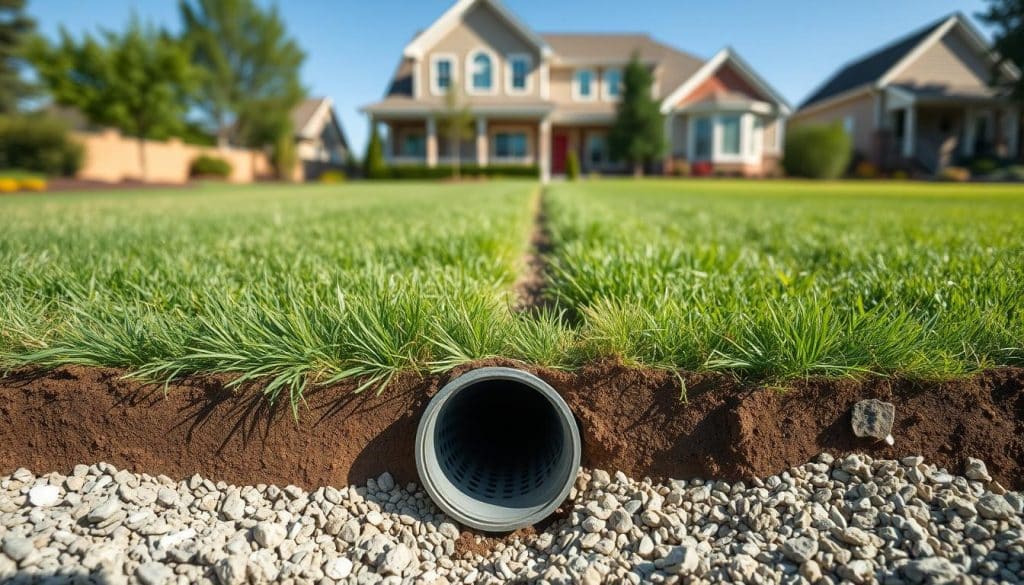
A clear labor plan keeps your project on schedule and avoids surprise bills. Labor is often the largest line item, typically between $35 and $75 per hour. We itemize crew hours so you see where time is spent.
Typical labor rates and who does what
Most crews work in small teams that handle layout, excavation, pipe placement, and cleanup. We track hours per task so estimates reflect real work, not guesses.
Exterior vs. interior share and why interiors cost more
Exterior jobs favor machine trenching and move quickly. Interior runs need concrete cutting, dust control, and careful debris removal, which raises the per linear foot labor share.
Connecting to storm drains or emitters
When a storm basin or emitter is accessible, coupling lines is straightforward and often runs about $100–$200. We confirm approved discharge points before work begins.
- We start with 811 utility locates and a marked layout for safe trench paths.
- Fabric and gravel form a clean envelope; pipe follows with continuous slope checks.
- We test with water, verify fall, then backfill and restore surfaces to match the site.
- Crew time includes daily cleanup, site protection, and clear daily updates.
We maintain clean, safe job sites and communicate daily progress. I remain your single point of contact so decisions are quick and aligned with your goals.
Add‑ons and integrations that impact cost
Not every yard needs every upgrade. We recommend only the add‑ons that improve performance or reduce future service. Function comes first; aesthetics follow when they add value.
When interior lines cannot use gravity, a sump pump pairing is common. When paired with a french drain, interior sump pump systems often run $65–$75 per linear foot combined. We size the pump, pit, and discharge so the pump does not short cycle and remains reliable.
- Dry wells ($500–$3,000) or storm drain hookups ($500–$3,500).
- Rain gardens — DIY $1–$5/ft², pro installations $10–$20/ft².
- Decorative gravel or curbing to hide visible lines ($600–$1,400).
We separate necessities from nice‑to‑have. Every integration is specified with parts and labor so you see the exact cost per upgrade. I’ll also review power and backup options for pumps to keep your system dependable during storms.
Location-specific pricing across your property
Different spots around a home call for unique approaches so the project protects the foundation while preserving landscaping. We respect lawns, gardens, and patios by using careful access and cleanup.
Yard and around the house perimeter
Perimeter and yard runs are the most cost-effective when machine trenching is possible. Typical installed ranges run $20–$30 per linear foot for open yard work and $50–$80 per foot when runs hug the house.
Crawl space and under decks
Crawl space work usually falls between $25–$35 per linear foot due to tight access. Under decks is $35–$45 per foot and may need partial deck removal to protect structure and soil.
Driveways, garages, patios, and under sidewalks
Hardscape locations add labor for cutting and replacement. Expect $25–$40 per foot around patios, $30–$50 under sidewalks, $45–$55 in driveways, and $50–$60 at garage thresholds.
Along retaining walls to relieve hydrostatic pressure
Behind retaining walls we install systems to relieve water pressure and preserve wall life. Prices vary $25–$50 per foot depending on depth and access. Basements sit at the high end, about $60–$70 per linear foot, due to demolition and restoration.
- We plan access paths to protect turf and plantings.
- Permits and inspections are reviewed before work begins.
- I’ll deliver an area-by-area plan so you can prioritize based on risk and budget.
DIY vs. professional installation: cost and risk comparison
Deciding whether to tackle a trench yourself or hire a crew shapes both budget and risk for any site.
DIY outlay on a simple exterior run commonly totals about $700 when you buy pipe, fabric, and gravel and rent a trencher. Expect equipment rental of roughly $100–$200 per day, plus time hauling spoil and sourcing materials.
Pro installation realities
Professional work typically begins near $3,000 and includes materials, labor, permits, utility locates, and a transferable warranty. Crews manage slope, filtration layers, and approved discharge so the system performs long term.
Precision, permits, and warranty considerations
- Call 811 before you dig; locating utilities prevents serious injury and property damage.
- Permits usually run $58–$225 and inspections protect neighbors and comply with rules.
- Errors like reversed perforations, skipped fabric, or wrong slope lead to rework and water damage.
- Renting equipment, hauling gravel, and disposal add hidden costs and time to DIY projects.
- Interior or near-utility work increases labor and restoration needs—leave those jobs to pros.
I personally consult on whether installing french work is feasible on your property. If DIY makes sense, I’ll show the materials, labor, and permit steps. If not, I’ll explain why professional french drain installation protects your home and peace of mind.
Permits, utility lines, and compliance
Before any trenching starts, permits and utility marks set the rules for a safe, compliant installation. We treat safety and compliance as the foundation of every project. That means securing permits, locating buried services, and planning discharge paths that protect neighbors and infrastructure.
Typical permit costs and why they matter
Local permits for a french drain project commonly run between $58 and $225. Permits confirm your plan meets codes and prevent problems that can create liability or rework.
Call 811 before you dig: marking utility lines
Always call 811 so gas, electric, and communications are marked before excavation. Marked utility lines protect crews, your property, and public systems from dangerous strikes.
Drainage slope and discharge rules to protect neighbors
We design slopes to move water with gravity—about 1 inch of drop every 8 feet, never less than 1%. Discharges must not flow onto neighboring lots or contaminate storm systems.
- Permits confirm standards and prevent off‑site impacts.
- Utility locates stop costly, dangerous hits to buried lines—call 811 first.
- We size infiltration (dry wells, rain gardens) and document them for inspectors.
- Where storm tie‑ins are allowed, we handle connections and inspections to code.
- I provide sketches with key elevations so you and officials understand performance.
We coordinate locates, permits, and inspections to keep your project on schedule and protect your home, yard, and foundation. If you have compliance questions, I’m available to work with officials and keep the installation running smoothly.
Maintenance, lifespan, and replacement costs
Routine checks catch issues early and save money on bigger repairs. A well-built system with clean gravel and proper fabric often lasts 30–40 years when installed correctly. We favor designs that reduce maintenance and stand behind work with a transferable workmanship warranty.
Cleaning indicators and typical service costs
Look for slow drainage, persistent damp spots, standing water, or odors. These signs usually mean the line needs attention.
Professional cleaning typically runs about $80–$500 depending on severity. Routine flushing can help but deeper buildup around pipe perforations needs pro service.
Expected lifespan and when replacement makes sense
Most systems perform for decades if fabric and gravel prevent fine silt from reaching the pipe. Changes in water table, crushed lines, or chronic siltation may justify replacement.
If repairs repeat or performance falls despite cleaning, a full retrenchment or redesign can be the smarter long‑term choice.
Repair vs. full retrenching: $1,000–$8,000 scenarios
Localized pipe repairs usually range $1,000–$2,500. Full retrenching or replacement typically falls between $2,000 and $8,000 depending on depth and access.
- Quick fixes: spot pipe replacement restores flow with less disruption.
- Major rebuilds: needed for crushed lines, severe siltation, or changed site conditions.
- Basement ties: lines connected to pumps should get periodic checks of floats and discharge to avoid surprises.
We document findings with photos and clear service notes so you know what we fixed and why. Our goal is to protect your home from water-related damage while keeping maintenance practical and cost-effective.
Talk to Array of Solutions: Upstate expertise, least invasive methods, and warranties
I lead every project from the first site visit to the final walk‑through so you always have one accountable contact. You get clear answers, fast schedules, and practical plans that protect your home and foundation.
Owner‑operated by Douglas Ray Whitehead since 2007
I’m Douglas. I’ve completed over a thousand mold inspections and hundreds of remediation jobs across the Upstate. As a former contractor, home inspector, and Expert Witness, I bring field-tested experience to every installation.
Environmental consulting for water damage, mold, and air quality
We design solutions that tie drainage choices to mold prevention and indoor air quality. That means assessing moisture migration, foundation risks, and the right installation for your property.
Transferable workmanship warranty and expert witness credibility
We stand behind our least invasive methods with a transferable workmanship warranty. If documentation or court-level expertise is needed, I can provide defensible reports and testimony.
- You work directly with me from assessment through final walk‑through.
- Designs protect foundation health, reduce water damage risk, and improve indoor air.
- We coordinate permits, locates, and inspections so the project is safe and compliant.
- Transparent proposals list materials, labor, and the expected installation schedule.
- Call (864) 710-6413 or email scmoldremoval@gmail.com to discuss your project.
Conclusion
Smart planning turns average estimates into predictable, warranty-backed results.
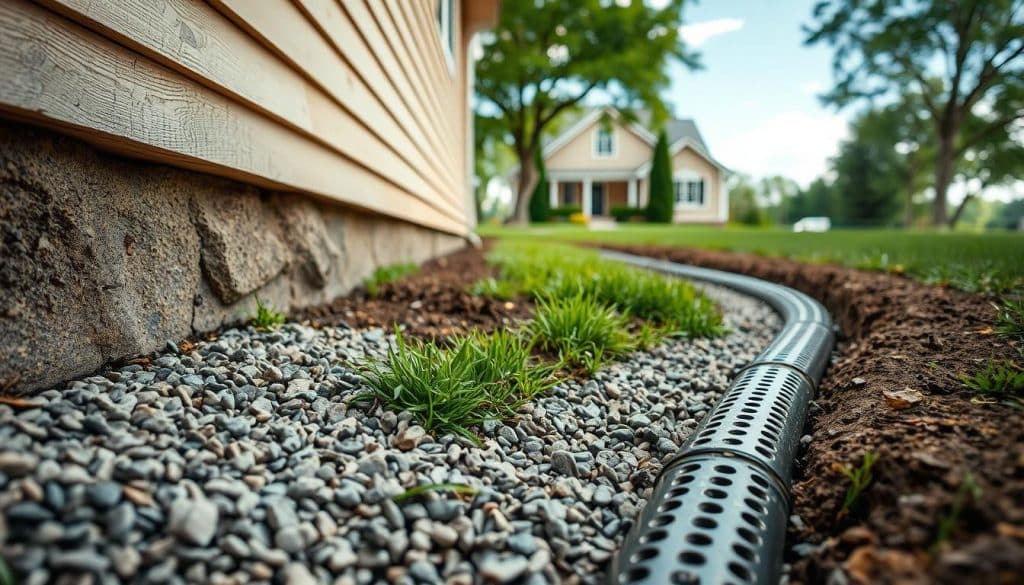
We tailor each solution to your property so a french drain fits soil, slope, and access. Exterior runs typically range $10–$65 per linear foot; interior work is commonly $40–$100 per linear foot.
Understand per linear pricing and total footage to set a realistic budget. Interiors often need a sump and pump when gravity flow isn’t possible; those integrations run about $65–$75 per linear foot combined.
We prioritize least invasive methods, strong filtration layers, and compliant discharge to extend system life and protect your foundation. Maintenance is straightforward and systems often last decades when detailed correctly.
Ready to start? Call Array of Solutions at (864) 710-6413 or email scmoldremoval@gmail.com for a personal assessment in the Upstate. Your safety is my future.
FAQ
What is a trenched drainage system and why do prices vary?
A trenched drainage system channels groundwater away from foundations using a perforated pipe wrapped in fabric and surrounded by gravel. Prices vary because of soil type, depth, slope, access, and whether the work is interior or exterior. Local labor rates, permits, and the need to avoid utility lines also affect totals.
How does an interior installation differ from an exterior one?
Interior installations sit under basement floors or along perimeter slabs and often require cutting concrete, installing a collector channel, and pairing with a sump pump. Exterior systems are dug around the home and are usually less invasive but can demand more landscaping restoration. Interior work tends to cost more per linear foot due to demolition and finish work.
What are typical national price ranges I should expect?
Typical project totals nationwide range from about $1,650 to $12,250, with an average near $5,000. Small jobs can start around $500 and complex, large projects can top $18,000 depending on site conditions and added features.
How much will it cost per linear foot in different locations?
Exterior runs commonly range roughly $10–$65 per linear foot for basic material and labor. Interior runs are higher, roughly $40–$100 per linear foot, reflecting concrete work, sump integration, and tighter access.
What should I budget for common project sizes (50, 100, 200 linear feet)?
For exterior work expect about $500–$3,250 for 50 ft, $1,000–$6,500 for 100 ft, and $2,000–$13,000 for 200 ft. Interior benchmarks are higher: roughly $2,000–$5,000 (50 ft), $4,000–$10,000 (100 ft), and $8,000–$20,000 (200 ft).
How do soil type and excavation affect pricing?
Heavy clay, shale, or rocky soils increase digging time and equipment wear, raising labor and rental costs. Easier sandy soils allow faster trenching and lower labor hours. Tight access that forces hand-digging also raises the price significantly.
What materials and equipment are included in estimates?
Estimates usually include perforated pipe, gravel, landscape fabric, and connection fittings. Equipment costs can include trencher or excavator rental and hand tools. Material prices vary by diameter and quality—pipe materials alone can be a few dollars per linear foot.
How much does labor typically cost?
Labor rates commonly range from about $35 to $75 per hour depending on local wages and crew skill. Interior installs require more labor for concrete cutting, disposal, and finishing, so labor makes up a larger share of interior project costs.
Should I add a sump pump and what will that do to the price?
Adding a sump pump is recommended for interior systems to collect and discharge water. Pairing a pump often raises combined installed averages—many projects see an effective combined rate around $65–$75 per linear foot for interior solutions, though pump models and basin depth change final totals.
What are common discharge and finish options?
Discharge options include tying into storm drains, dry wells, or directing water to a rain garden. Decorative finishes like exposed rock, curbing, or restored landscaping add to cost but improve curb appeal. Choice of discharge may require permits.
Is a DIY approach viable and what are the risks?
DIY can be feasible for simple exterior runs and may cost roughly $700 in materials for a basic small job. Risks include improper slope, hitting utility lines, inadequate bedding, and voiding warranties. Professional installs cost more upfront but reduce risk of water damage and poor performance.
Do I need permits and how do utility lines affect the job?
Many municipalities require permits for trenching and discharge. Always call 811 to have utility lines marked before digging. Permits protect both you and neighbors and ensure compliance with slope and discharge rules.
How often should these systems be serviced and what will service cost?
Inspect annually and clean if flow slows or backups occur. Typical service or cleaning runs vary but expect routine checks to be modest; full repairs or partial retrenching can range from about $1,000 to $8,000 depending on extent and location.
What factors indicate the system needs replacement rather than repair?
Signs for replacement include repeated clogging despite cleaning, collapsed pipe segments, widespread sediment buildup, or ongoing water intrusion. When repairs become frequent or performance remains poor, full retrenching often becomes more cost-effective.
Why choose Array of Solutions in Greenville, SC?
We focus on least invasive methods, environmental safety, and honest estimates. Our owner-operated approach emphasizes workmanship and transferable warranties. We combine remediation experience for water intrusion, mold risks, and indoor air quality to protect homes across the Upstate.
How can I contact Array of Solutions to get an estimate?
Call (864) 710-6413 or email scmoldremoval@gmail.com to schedule an on-site evaluation. We’ll assess soil, access, foundation conditions, and provide a tailored plan with transparent pricing and warranty options.