Have you ever wondered whether a French Drain and Catch Basin is the best solution to protect your home from pooled rainwater and hidden soil moisture?
I’m Douglas Ray Whitehead, owner of Array of Solutions. I’ve lived in the Upstate for over 20 years and founded the company in 2007. When you call, you talk to me—no handoffs.
We focus on the least invasive, most effective environmental options for mold and water issues. Our work is backed by a transferable workmanship warranty and guided by years as a contractor, home inspector, and Expert Witness.
Catch systems use a grate, sump, and outlet pipe to move surface water to a safe discharge point. Subsurface trenches with perforated pipe and rock quietly move groundwater away from foundations.
In Greenville’s clay soils, proper sizing, placement, and discharge matter. I’ll explain when a surface collection approach suits your yard and when a trench is the better way to protect your property.
Call (864) 710-6413 or email scmoldremoval@gmail.com to discuss a tailored solution. Your safety is my future.
Key Takeaways
- Surface grates move water fast off lawns; subsurface pipes manage hidden flow.
- Greenville rainfall and clay soils require customized drainage planning.
- Proper discharge protects foundations—storm sewer, daylighting, or dry-well.
- Both systems can work together to solve multiple wet areas on a property.
- Owner-operated service means you speak directly with me for honest advice.
Understanding Drainage Challenges in the Upstate: Surface Water, Runoff, and Foundation Protection
Heavy storms and slow-draining yards create hidden threats that can harm a home’s structure over time.
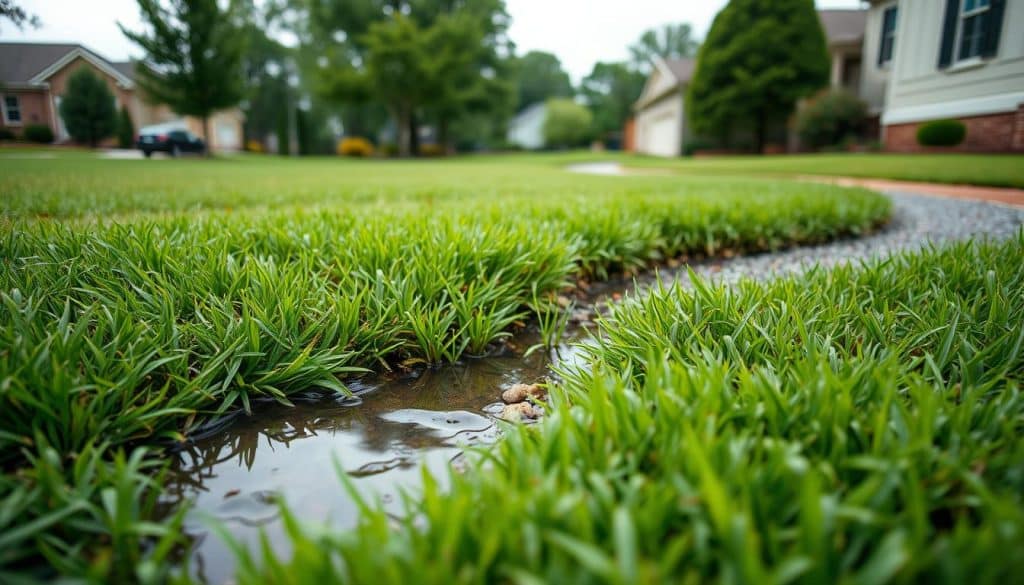
Excess rainfall often pools on driveways, patios, and low lawns during fast storms. That surface water can overflow and push moisture toward the foundation, increasing the risk of cracking and settlement.
Greenville neighborhoods show clear runoff patterns driven by slope, downspout discharge, and hardscape layout. Clay and compacted soils limit infiltration, so puddles and localized flooding form more easily in this area.
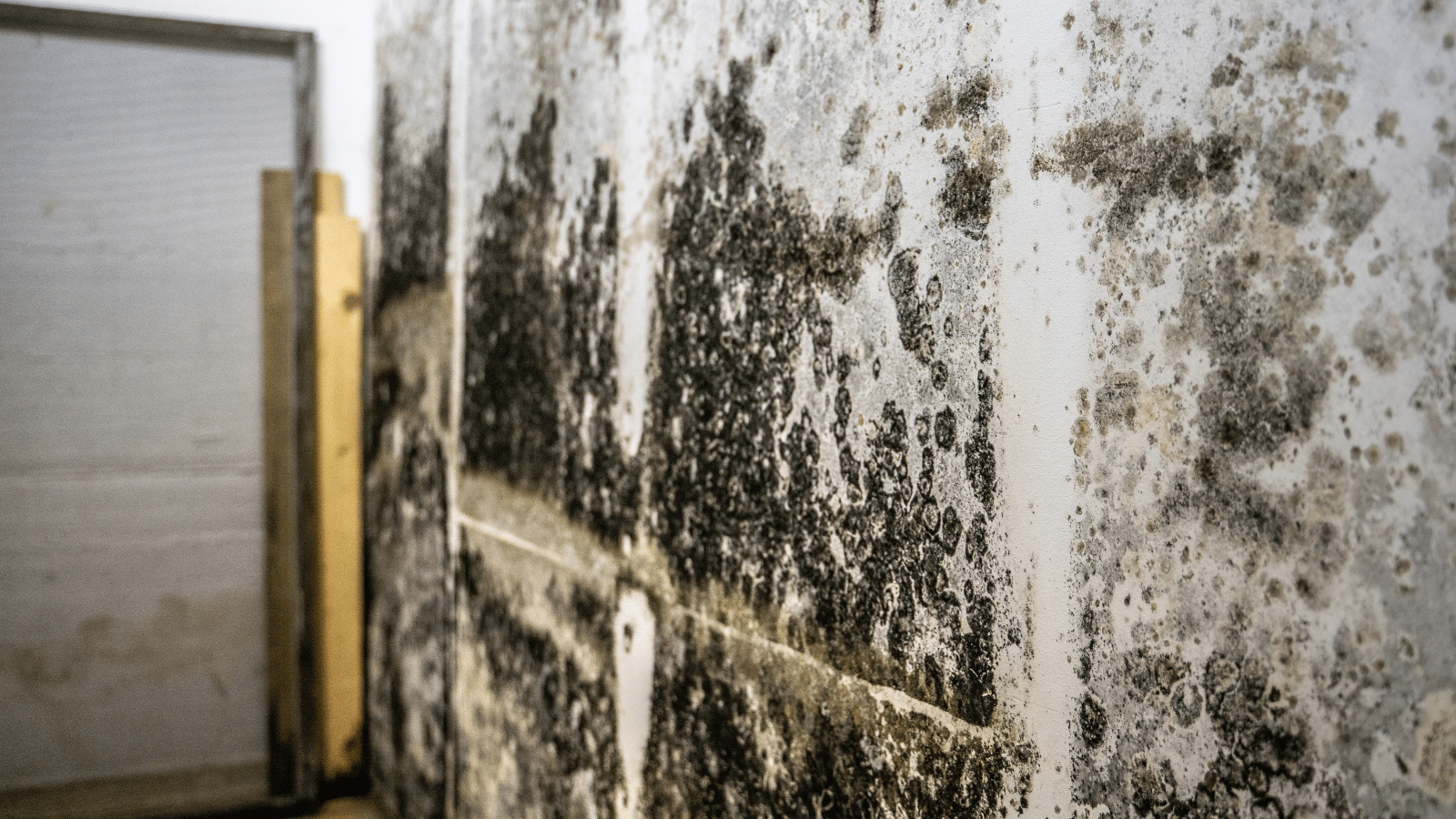
Persistent damp around footings and piers raises mold risk in basements and crawl spaces if not managed early. We assess the whole site, not just one wet spot, to design the least invasive solution that fits your budget and restoration needs.
Quick warning signs:
- Soggy grass days after rain
- Erosion channels or settled concrete
- Damp smells near exterior walls
- Standing water after short storms
Keeping water away from slab edges and footings helps protect the foundation long term. I personally inspect each property and recommend effective, balanced systems backed by our transferable workmanship warranty.
What Is a Catch Basin? How It Manages Surface Water Runoff
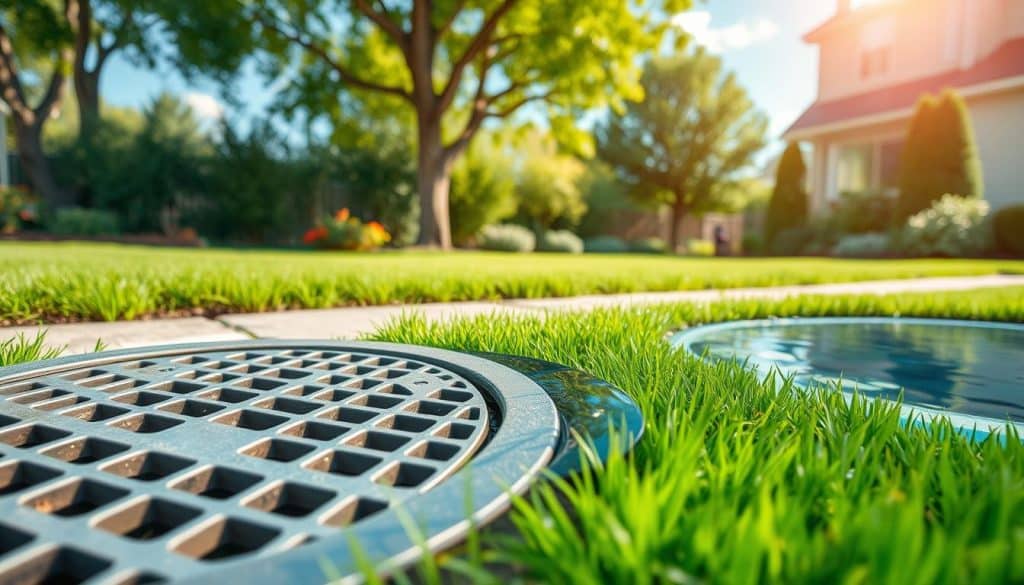
A properly installed catch unit quickly pulls pooled runoff out of low spots before it can harm foundations or landscaping. It uses three parts working together to move water away fast and protect nearby slabs and plantings.
Key components:
- Grate opening to admit surface flow.
- Basin or sump that traps leaves and sediment.
- Outlet pipe that sends water to a safe discharge.
Why it helps: Catch basins excel at collecting surface water from driveways, patios, and compacted lawns. They reduce localized flooding, improve safety at entrances, and protect slab edges from prolonged wetting.
Maintenance and risks: Basins need periodic cleanouts of the grate and sump to keep downstream pipes clear. Contaminants can accumulate, and storage is limited during intense storms, so proper sizing and discharge are essential.
We install the least invasive, effective options to manage pooling near foundations and hardscape areas. I’ll walk you through simple maintenance steps and back our work with a transferable workmanship warranty.
What Is a French Drain? Subsurface Control for Groundwater and Saturated Soil
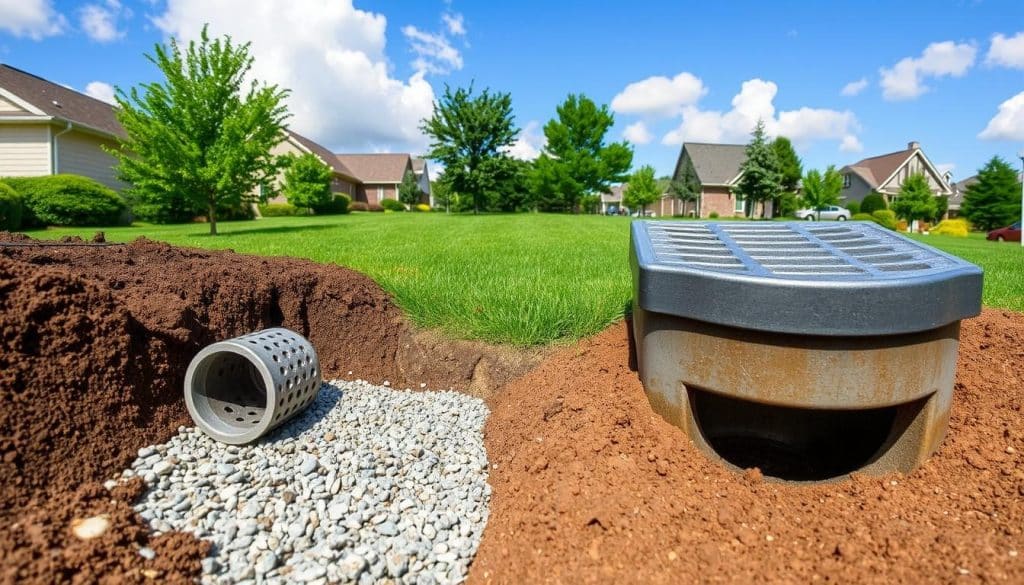
When soil stays saturated for days, a subsurface solution often protects homes better than surface inlets. A french drain is a sloped trench containing a perforated pipe, wrapped in permeable fabric and surrounded by gravel or rock to guide groundwater away from foundations.
Core build
- Trench: dug to a slope that encourages flow.
- Perforated pipe: collects subsurface water and moves it along the trench.
- Gravel/rock and fabric: filter sediments and keep fines from clogging the pipe.
Benefits include improved yard drainage, less soil erosion, and reduced hydrostatic pressure on foundations and retaining walls. These systems can be hidden under turf or finished as a decorative strip for landscaping appeal.
Limitations are excavation disruption, limited capacity in extreme storms, and periodic checks to keep outlets clear. Proper sizing and a safe discharge — daylighting, storm tie-in, or a dry well — are essential.
I design with the least invasive trenching practical, explain restoration up front, and match subsurface work to sites where groundwater and saturated soil drive moisture toward the house.
French Drain vs. Catch Basin: Key Differences That Impact Results
Choosing the right system begins with one simple question: where is the water coming from on your property?
I start every job by identifying the source. Surface water from heavy rain calls for a grate-fed solution that moves pooled runoff quickly. Groundwater or long-term saturation needs a trenched solution using a perforated pipe to guide water away below grade.
- Flow and capacity: surface units move large volumes from one spot fast; trench systems collect along a line to reduce subsoil pressure.
- Site constraints: steep slope or limited discharge may require pump-assisted outlets for surface grates.
- Aesthetics and landscaping: grates are visible; subsurface drains can stay hidden or be dressed in stone to match gardens.
- Foundation risk: select measures that keep water away from slab edges and footings to reduce settlement and mold risk.
We weigh cost, disruption, and upkeep when recommending a plan. Often a selective mix of both systems gives the best defense in flooding hotspots while keeping installation as noninvasive as possible.
What I recommend
I’ll walk you through why one system—or both—fits your site. Our goal is reliable drainage that protects indoor air quality and preserves your landscaping with the least disruption.
When a french drain and catch basin work together
Pairing a surface inlet with a lined trench gives both instant capture and steady subsurface control. This integrated plan lets us collect pooled water quickly, then move it away below grade so foundations stay dry.
Integrated design: using a catch basin to collect pooling water and feed a French drain
A catch basin at a low spot can feed a french drain so sudden surges and slow seepage both get handled. We route a solid pipe from the sump into the nearest gravel-wrapped perforated run so the system shares capacity along its length.
Discharge strategies: storm sewer, dry well, daylighting to safe areas
- Daylight to a safe slope or daylighted outlet that sends water away from structures.
- Connect to an approved storm system when local codes allow.
- Install a dry well sized for local soils to store excess and send water away slowly.
- Maintain the grate and sump, and check the outlet after storms to keep flow clear.
We emphasize correct elevations and durable materials: solid outlet pipe into the gravel trench and perforated sections where needed. I personally confirm slopes and discharge points, and our workmanship warranty covers the integrated system season after season.
Greenville, SC Conditions: Rainfall, Soil, and Mold Risk Considerations
Greenville’s quick storms and sticky soils change how water behaves around homes. Intense rain creates spikes in surface water runoff that can overwhelm undersized drainage and test older systems.
Soil matters: Clay and loam in the area limit infiltration, so rain ponds at grade and keeps yards wet long after the storm ends.
That prolonged moisture raises the chance of groundwater pressure near foundations. Over time, exterior wetness can cause water damage inside basements and crawl spaces.
Keeping water moving away with properly sloped trenches and reliable outlets reduces the load on foundation walls. Long, low yards or shaded areas dry slowly and require designs that account for time-to-dry after a storm.
- Fast storms create runoff surges that reveal undersized drains.
- Compacted clay means more ponding and longer wet periods in the soil.
- Damp crawl spaces or musty smells signal interior moisture and mold risk.
I inspect slope, soil type, and downspout routing to recommend targeted drainage improvements that protect your property and landscaping. With over a thousand mold inspections, we design systems to keep basements and crawl spaces drier and help prevent long-term damage.
Cost, Installation, and Maintenance: Setting Realistic Expectations
Knowing upfront what a project will cost and how long it will take makes repairs less stressful for homeowners. I outline scope, protect yards, and return the site clean. We keep work as least invasive as practical while being clear about materials and timeframes.
Trenching, piping, rock/gravel, and site restoration
Installation includes excavation for a trench, correctly sloped pipe runs, and backfill with gravel and rock to support flow. Basins are set level with finished grade and ties are made to safe outlets.
Typical cost drivers include trench length and depth, number of inlets, pipe types, and the amount of gravel or rock needed. We protect landscaping and hardscapes during work and restore turf promptly.
Maintenance routines: basin cleanouts, sediment control, fabric integrity
- Seasonal maintenance: clean grates and sumps to prevent sediment buildup.
- Check fabric and perforations for clogging to avoid damage and flooding.
- Verify outlet flow after heavy rain to ensure the system performs.
Proactive care reduces long-term costs and extends system life. I personally review maintenance steps and back our work with a transferable workmanship warranty so you know what to expect over time.
Work With Array of Solutions in Greenville: Local Expertise You Can Trust
Choose a single point of contact who brings construction experience, mold expertise, and real care to every job. I founded Array of Solutions in 2007 and have lived in the Upstate for more than two decades.
Owner-operated since 2007: I handle every inquiry personally. As a former contractor, home inspector, and Expert Witness in Greenville County Courts, I combine practical skill with forensic insight.
Water damage and mold insight: We deliver least invasive, effective environmental solutions backed by a transferable workmanship warranty. Professional design and correct installation of drainage systems protect structures, reduce moisture paths, and support healthier indoor environments.
- Speak directly with the owner—no call center—so your needs are heard and addressed promptly.
- Rely on cross-discipline insight in water damage and construction to select the right drainage systems for your property.
- Expect clear plans, least intrusive methods, and workmanship backed by a transferable warranty.
- Learn how smart maintenance helps prevent recurring moisture problems that affect your home.
- Schedule an on-site assessment to evaluate slopes, moisture sources, and discharge options.
Contact today: Call (864) 710-6413 or email scmoldremoval@gmail.com to discuss a tailored solution that protects your home and keeps water where it belongs. Your safety is my future.
Conclusion
A clear plan that matches the moisture source to the right solution protects your home and yard long term.
I recap the choice: catch basins target visible pooling and move surface water runoff away fast. French drains manage groundwater and saturated soil along a sloped trench using a perforated pipe to convey flow below grade.
When sized and discharged correctly, combined systems reduce flooding risk and help prevent pressure at the foundation. Careful trench design, proper pipe selection, and thoughtful restoration with gravel and rock finish the job and stabilize soil.
If you want a tailored assessment, I close every project with clear guidance, a transferable workmanship warranty, and ongoing availability. Call (864) 710-6413 or email scmoldremoval@gmail.com to move water away from your property today.