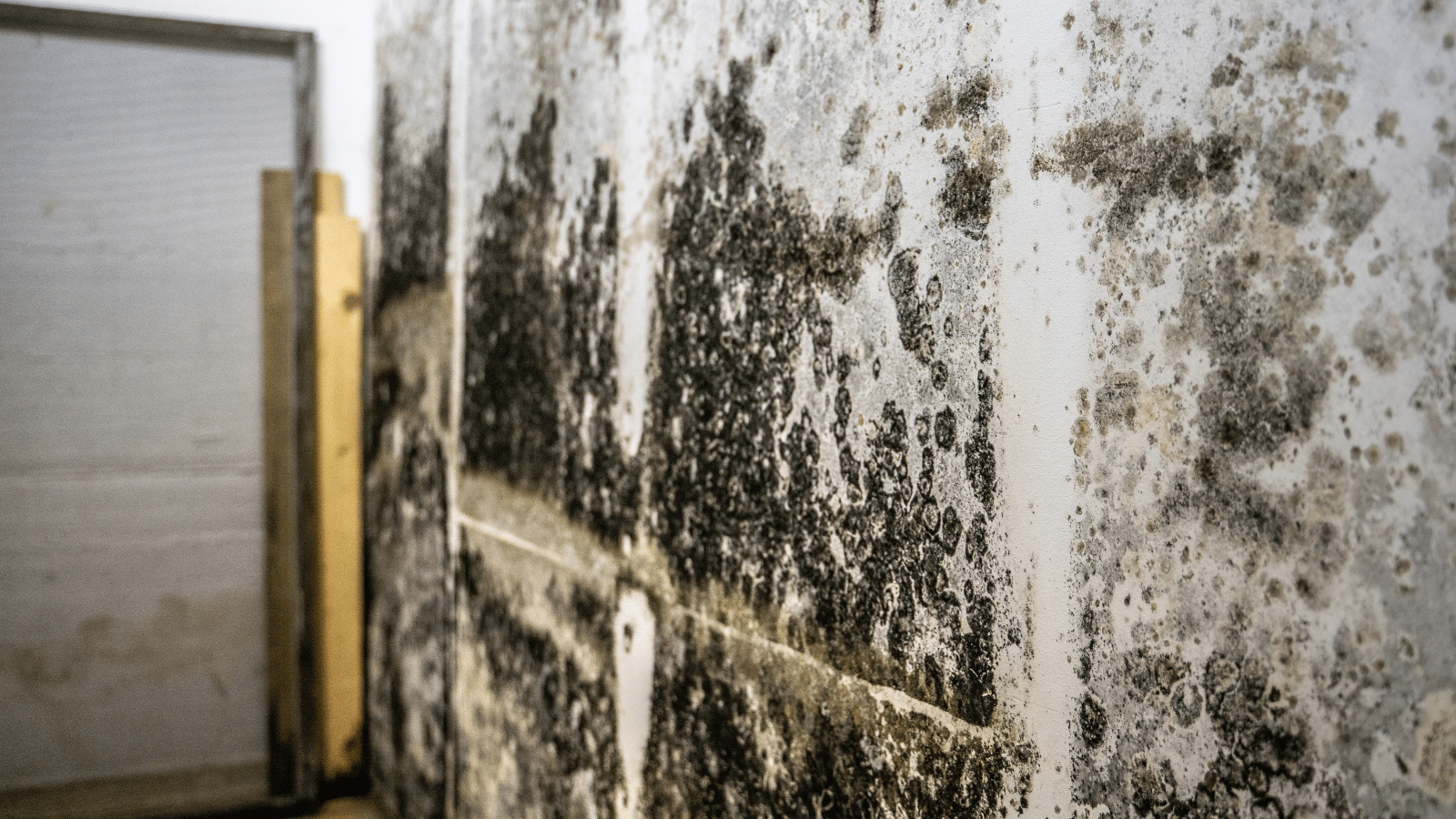
I handle every inquiry personally at Array of Solutions. I’m Douglas Ray Whitehead, a Greenville, SC expert and former home inspector who opened the company in 2007 helping property owners understand the true Cost for Water Damage Restoration and make informed water damage restoration decisions.
We provide the least invasive, most effective air quality and water damage restoration solutions and back each job with a transferable workmanship warranty. This short guide explains real-world national price ranges and how per-square-foot pricing, water damage restoration scope, and contamination categories shape your final bill.
Homeowners gain clear expectations about mitigation versus full rebuild, typical labor rates, and when emergency fees apply. Call me at (864) 710-6413 or email scmoldremoval@gmail.com for direct, local advice—your safety is my future.
Key Takeaways
- Expect national averages and per-square-foot guides to influence local estimates.
- Contamination level shifts scope and sanitary needs, raising the price.
- Owner-operated service means direct access to an experienced Expert Witness.
- Mitigation often costs less than full rebuild, but cutting corners risks bigger bills.
- Prompt action lowers emergency surcharges and limits labor hours.
Buyer’s snapshot: What homeowners pay today for water damage restoration
When a leak starts, I guide local homeowners through realistic price ranges and timelines. As an Upstate environmental consultant, I answer calls directly and explain options. Our transferable workmanship warranty shows we stand behind long-term repairs and air quality solutions.
Nationally, homeowners report paying between $1,361 and $6,270, with an average near $3,814. Simple jobs may run about $450, while complex, contaminated rebuilds can approach $16,000.
- Most projects sit mid-range—small leaks at the low end; extensive contamination at the high end.
- Early intervention saves money by limiting spread and reducing microbial problems.
- Finished rooms cost more than storage areas because of materials and matching finishes.
- Multi-room or multi-level work increases equipment run-time and monitoring.
- Contaminated scenarios need extra safety and cleanup, which raises overall sums.
If you’re unsure where your project falls, call me for a quick review. We’ll prioritize stabilize, dry, clean, then repair to control overall spend and set clear milestones you can follow.
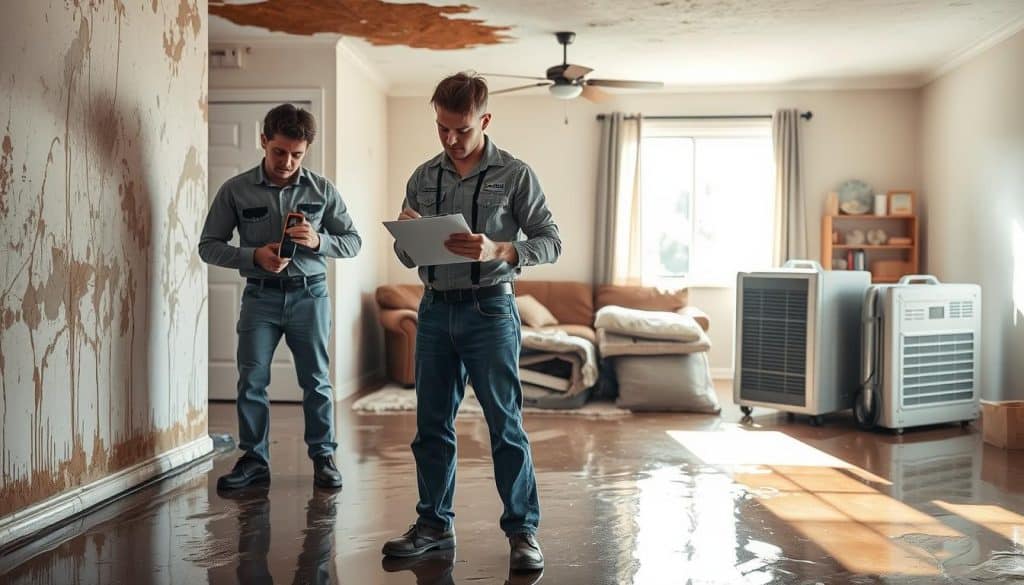
Cost for water damage restoration: What to expect and how pricing is calculated
Let’s translate national pricing into practical ranges you can use at your address. I explain numbers plainly so you see the pieces that shape any estimate.
National indicators show an average near $3,814 with a common range of $1,361–$6,270. Low-end events sit around $450; high-end contaminated projects can reach $16,000.
Per-square rates help you scale quickly: clean work averages ~$3.50 per square foot, gray ~ $5.25 per square, and black ~ $7.50 per square.
- Scope drives the bill: affected area, category, exposure time, and materials are primary factors.
- Greenville location and home type shift local totals—older homes or basements often add labor and match-up work.
- Quick estimator: low (~$450), average (~$3,814), and high ($10,000–$16,000) scenarios to frame expectations.
I translate scope into clear line items—extraction, drying, sanitation, rebuild—so you understand why a proposal reads a certain way. Call to get a tailored range and see where your investment matters most.
Key factors that drive your final cost
Understanding what drives final estimates helps you make smarter repair choices. I’ll walk through the main variables that affect scope, timing, and budget. We also guide sequencing: stop the source, document for insurance, dry thoroughly, then rebuild.
Extent and duration of exposure
The longer materials sit wet, the greater the severity. Moisture can wick into walls, subfloors, insulation, and structure. Faster response lowers mold growth and downstream repair needs.
Location and access
Difficult locations—crawl spaces, basements, or upper floors—need more time and gear. Tight or hazardous spots add labor and safety controls, which affects schedule and final totals.
Materials and local labor
Hardwood, plaster, and custom finishes take longer to dry or match. Local labor availability in Greenville influences timelines and line items. We aim to protect finishes with the least invasive approach.
Water category and damage class
Clean, gray, or black water changes sanitation steps and PPE. Higher damage classes mean larger wet areas and more demolition. Typical ranges vary widely between Class 1 and Class 4 scenarios.
Insurance, deductibles, and claims timing
Document early with photos and moisture readings to support claims. I help you decide whether to file or self-pay and coordinate evidence to protect insurability while restoring health and safety.
- Quick rules: act within 24–48 hours; document everything; prioritize drying.
- We coordinate: containment, meters, thermal imaging, and sequenced repairs to limit tear-out.
- My role: I personally coordinate with you through each step to reduce disruption and protect finishes where possible.
Per-square-foot pricing: By water category and by material
A clear per square foot guide helps you estimate scope and prioritize work. These figures show typical averages and why some finishes require more steps.
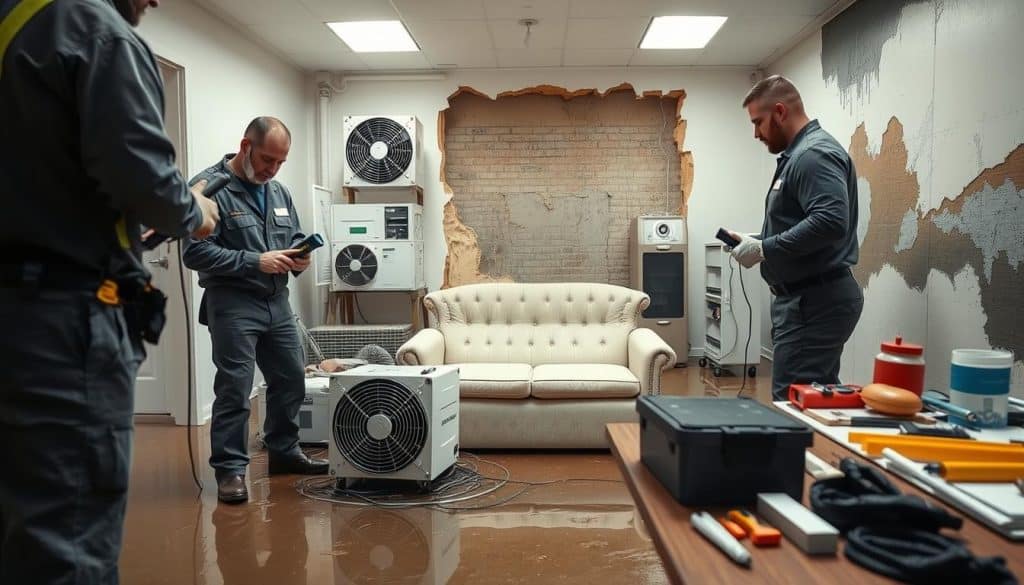
- Clean: ~$3.50 per square foot — faster dry-outs, less sanitation.
- Gray: ~$5.25 per square foot — added decontamination and disposal.
- Black: ~$7.50 per square foot — full containment, PPE, and disposal protocols.
By material or location (per square unless noted):
- Drywall: $1.50–$3 — selective tear-out to the flood line, then patch and finish.
- Mold-related work: $4.75–$5.50 — containment, HEPA filtration, targeted removal, and antimicrobial treatment.
- Carpet: $4.75–$10.50 — price varies with fiber, pad saturation, and re-use viability.
- Plaster: $6.25–$18.75 — specialized labor to preserve finish increases hours and pricing.
- Hardwood: $10–$15 — drying cycles, cupping correction, and possible board replacement and refinishing.
These per-square figures explain the “why” behind each line item. Category pricing reflects sanitation and safety steps, not just moisture removal. Material choices determine whether we dry in place or perform removal and replacement. We confirm quantities with moisture mapping and then show where targeted remediation or removal will lower your final costs.
Water mitigation cost by class of damage
Below I classify typical mitigation ranges by severity and extent so you can see what each type of event means for scope and schedule. I’ll classify your loss during inspection, explain what the class means, and help you choose a plan that balances speed, cost, and quality.
Class 1: $150-$400
Limited moisture absorption in part of a room. Equipment needs are small and drying cycles are short. Minimal demolition is usually required.
Class 2: $500-$1,000
Entire rooms are affected and moisture may wick up walls. Expect baseboard and drywall removal to a measured flood line and longer monitoring.
Class 3: $1,000-$3,000
Saturation from above impacts walls, ceilings, insulation, and flooring. This class needs comprehensive mitigation, more access points, and extended drying times.
Class 4: $20,000-$100,000
Catastrophic conditions with deep structural saturation. Planning centers on safety, structural evaluation, and controlled rebuild phases.
- Why class matters: it sets equipment, containment, and how much removal reaches verifiable dry standards.
- We document every measurement with meters and thermal imaging so adjusters see objective evidence.
- Correct classification helps right-size the project and avoid concealed issues later.
Average restoration costs by type of damage
Below I outline typical ranges by type of loss so you can prioritize repairs and stay safe. We recommend sequencing work to protect health first, structural integrity next, then cosmetic finishes.
Cosmetic finishes: $150–$1,000
Surface repairs include repainting, trim replacement, and small touch-ups once materials meet dry standards. These items restore appearance but are lowest priority if health or structure is at risk.
Structural components: $500–$3,000
Framing, subfloors, and load paths are in this band. Hidden moisture here raises future risk, so address these repairs early to avoid larger issues.
Electrical systems: $1,500–$10,000
Work can range from outlet replacement to panel upgrades and must meet code. Licensed electricians should verify circuits only after verified dryness.
Personal items and contents: $500–$1,500
Priority is salvageable textiles, documents, and electronics. Prompt action improves outcomes and reduces long-term loss.
Mold remediation: $1,500–$4,000
These figures reflect containment, negative air, removal of impacted materials, and post-treatment verification. Mold remediation focuses on health and preventing recurrence.
- Material quality and availability influence final numbers and matching finishes in older homes may add time.
- We phase work to speed re-occupancy: mitigation, essential systems, then finishes.
- Documentation—moisture logs, photos, and itemized scopes—supports claims and transparent approvals.
Room-by-room and area-specific pricing
We price each room and major assembly so you can choose phased repairs without sacrificing safety. Below are typical ranges and what to expect when a flood or flooding event affects living spaces.
Rooms
- Bathroom: $500–$4,500 — fixtures and tile assemblies often require targeted removal and moisture checks behind walls.
- Laundry: $1,000–$5,500 — appliance supply failures call for floor and electrical safety work.
- Living room: $1,500–$6,000 — carpets or hardwood may hide subfloor moisture; proper drying prevents odors and cupping.
- Kitchen: $1,750–$8,000 — plumbing, cabinetry, and circuits need careful sequencing to limit cabinet removal.
- Basement: $2,000–$85,000 — unfinished versus finished space greatly changes scope and potential structural needs.
Areas and assemblies
- Floor: $200–$2,000
- Subfloor: $250–$750
- Wall: $300–$2,200 — moisture detection behind walls prevents hidden deterioration.
- Ceiling: $325–$1,100
- Roof: $350–$1,400
- Foundation: $2,000–$10,000 — hydrostatic issues may require drainage or waterproofing to stop repeat events.
We focus on the least invasive access methods in kitchens and bathrooms to protect finishes. Equipment placement and containment balance efficiency with habitability. Line items are provided by area so you can phase work and prioritize safety-critical assemblies first.
Labor, emergency surcharges, and upgrades that impact your bill
Timely labor choices and optional upgrades often shape the final invoice more than materials alone. I’ll explain typical hourly ranges, when after-hours response is truly needed, and which add-ons offer real long-term value.
Typical hourly rates and trades
Local labor commonly runs $70–$200 per hour depending on trade and complexity. Specialized mitigation and licensed trades like plumbers or roofers sit at the higher end.
Emergency response and surcharges
After-hours mobilization usually adds $50–$200. Call this when an active leak or electrical hazard threatens safety. If there’s no immediate risk, next-morning scheduling often avoids that surcharge and still protects your property.
Upgrades and permit items
Optional upgrades include leak detection systems ($80–$1,600), sump pumps ($600–$2,500), and basement waterproofing ($3,000–$7,000). Some structural repairs need permits; fees vary by municipality and can affect the final price.
- Labor rates vary by trade and task complexity; specialized skills command higher pay.
- Equipment, PPE, and cleanup are legitimate line items tied to safety and compliance.
- Bundling mitigation and rebuild reduces mobilizations and often lowers overall project time.
- Insurance may cover initial mitigation; upgrades usually remain out-of-pocket but can lower future claims.
We coordinate trades to minimize downtime and give you transparent estimates that list labor, equipment, emergency fees, and permit considerations so you can decide with confidence.
The water damage restoration process: A buyer’s timeline
This five-step sequence lays out what to expect, when crews arrive, and how we verify readiness to rebuild. I’ll be your single point of contact from inspection through final walkthrough, and we prioritize the least invasive path that keeps occupants safe.
Inspection and damage assessment
We locate the source, classify the type of loss, and map affected assemblies with moisture meters and thermal imaging. We document conditions for claims and plan the scope.
Water removal and extraction
Standing liquid is removed fast using pumps and specialty vacuums. Quick removal prevents migration into porous surfaces and lowers microbial risk.
Moisture extraction, drying, and dehumidification
Staged airflow and dehumidifiers speed drying. We monitor daily and adjust placement until objective moisture targets are met.
Cleaning, sanitizing, and antimicrobial treatments
Sanitation and antimicrobial treatment are applied when needed to protect occupant health and stop microbial amplification. Containment protects clean areas.
Repairs, rebuild, and finish to pre-loss condition
We replace materials, match textures and colors, then verify dry standards before closing walls. A final walkthrough confirms completion and our transferable workmanship warranty.
- Key steps: inspection, removal, drying, sanitation, repair.
- We confirm dry readings before reinstalling finishes and limit disruption with protection measures.
Why choose Array of Solutions in Greenville, SC
You’ll work directly with an experienced expert who prioritizes health and property value in every decision. I manage each case personally and keep homeowners informed with clear, itemized steps.
Owner-operated expertise
Douglas Ray Whitehead is an Expert Witness and former contractor/home inspector. That mix brings courtroom-grade documentation and practical field judgment to every remediation job.
Local, proven track record
Upstate-local since 2007, our company has completed thousands of inspections and hundreds of remediations across Greenville and nearby towns. We resolve mold problems at the source and support insurance reviews when needed.
Least invasive, warranty-backed solutions
We favor methods that protect finishes and shorten timelines while safeguarding indoor air. Our transferable workmanship warranty shows confidence in our repairs and long-term outcomes.
- Work directly with the owner—fast decisions and clear accountability.
- Practical building science paired with field experience to stop mold and moisture recurrence.
- Daily updates, clear estimates, and tailored homeowner guidance to reduce future problems.
Call (864) 710-6413 or email scmoldremoval@gmail.com to discuss your situation today. Your safety is our future.
Conclusion
Final takeaway: prompt action and a clear plan protect health, finishes, and your home’s value. Fast response limits the extent and severity after a burst line or flooding event.
Typical averages hover near $3,814 with common ranges of $1,361–$6,270, and low-end jobs near $450. Per square foot benchmarks (clean ~$3.50, gray ~$5.25, black ~$7.50) help frame expectations while a site inspection refines scope.
Prioritize cleanup, containment, drying, then repair. Class 1–4 mitigation guides scale and effort, and higher-risk surfaces such as hardwood and hidden areas like walls and subfloors need special handling.
I’m here to help you choose the safest, most cost-effective path—personally and without pressure. Call (864) 710-6413 or email scmoldremoval@gmail.com for a straightforward plan and a transferable warranty you can trust.
FAQ
How do you estimate fees for water restoration projects?
We assess scope by inspection — measuring affected area, identifying materials, checking moisture and contamination level, and determining remediation class. That lets us provide a written estimate that breaks out extraction, drying, repairs, mold remediation, and any specialized trades like plumbing or electrical work.
What are typical per-square-foot ranges I might see?
Prices vary by contamination and materials. Typical ranges we reference are roughly $3.50/sq ft for clean incidents, $5.25/sq ft for gray-water, and about $7.50/sq ft for black-water scenarios. Material-specific rates and repair complexity will change the final per-square-foot figure.
Which factors most influence the final bill?
Key drivers include length of exposure, water category (clean/gray/black), damage class (Class 1–4), type of materials affected (carpet, hardwood, drywall), accessibility (crawl spaces, basements), and local labor rates. Insurance coverage and deductibles also shape out-of-pocket costs.
How does mold affect pricing and scope?
Visible or suspected mold requires containment, removal, and clearance testing. Mold abatement adds labor and equipment hours; moderate remediation often ranges around several thousand dollars depending on area and concentration. We prioritize drying first to stop growth, then remediation.
What are common price tiers for damage classes?
Class 1 jobs are smallest and least invasive, while Class 4 is structural and costly. Typical brackets run from a few hundred dollars for minor Class 1 work up to tens of thousands for catastrophic Class 4 conditions that require structural repairs and full rebuilds.
Will my homeowner’s insurance cover this work?
Many policies cover sudden, accidental incidents but exclude gradual neglect or maintenance issues. We can document damage, provide estimates and work directly with your carrier to support a claim. Coverage, limits, and deductibles vary — check your policy and contact your agent early.
Do you provide emergency response and what are after-hours fees?
Yes. We offer rapid mitigation to limit loss and mold risk. After-hours calls typically carry a surcharge, commonly between and 0 depending on time and crew deployment needs.
What should I expect during the mitigation timeline?
The usual sequence: inspection and containment, water extraction, drying with dehumidifiers and air movers, moisture verification, sanitation, and finally repairs/rebuild. Small jobs can finish in a day or two; larger or structural work takes weeks.
How are materials handled — repair versus replacement?
We try to salvage when safe. Porous materials like saturated carpet padding or insulation often require removal. Solid materials such as hardwood may be dried and repaired when feasible. Decisions center on contamination, drying potential, and long-term indoor-air quality.
What additional services can affect the invoice?
Optional upgrades include leak detection, waterproofing, sump pump installation, odor control, and permit-assisted rebuilds. Specialty trades — electricians, roofers, plumbers — and disposal fees also add to the total.
How do local conditions in Greenville, SC change pricing?
Local labor rates, availability of certified remediation technicians, and regional material prices all influence estimates. Our local experience means we price reasonably for Upstate homeowners and respond quickly to climate-related risks like severe storms.
Are there typical room-by-room price examples?
Yes. Small bathroom jobs often run lower, while basements and kitchens tend to cost more due to systems, cabinetry, and structure. Exact figures depend on scope, contamination, and repair level needed.
How do you address health and indoor air quality concerns?
We prioritize safety with containment, HEPA filtration, antimicrobial treatments, and clearance testing when required. Our approach is least invasive while restoring healthy indoor air and reducing mold risks.
Can you work with my contractor for rebuild and finish work?
Absolutely. We coordinate with homeowners, insurance adjusters, and contractors to ensure mitigation and rebuild align. We can also manage full restoration if you prefer a single point of responsibility.
How can I get an accurate estimate from Array of Solutions?
Contact us to schedule an on-site inspection. We use moisture mapping, category/class assessment, and a transparent scope of work to deliver a written estimate and timeline tailored to your home.
What immediate steps should a homeowner take after a leak or flood?
Shut off the water source if safe, move valuables to dry areas, avoid walking in contaminated water, and call a professional. Quick action reduces structural loss and mold growth risk.