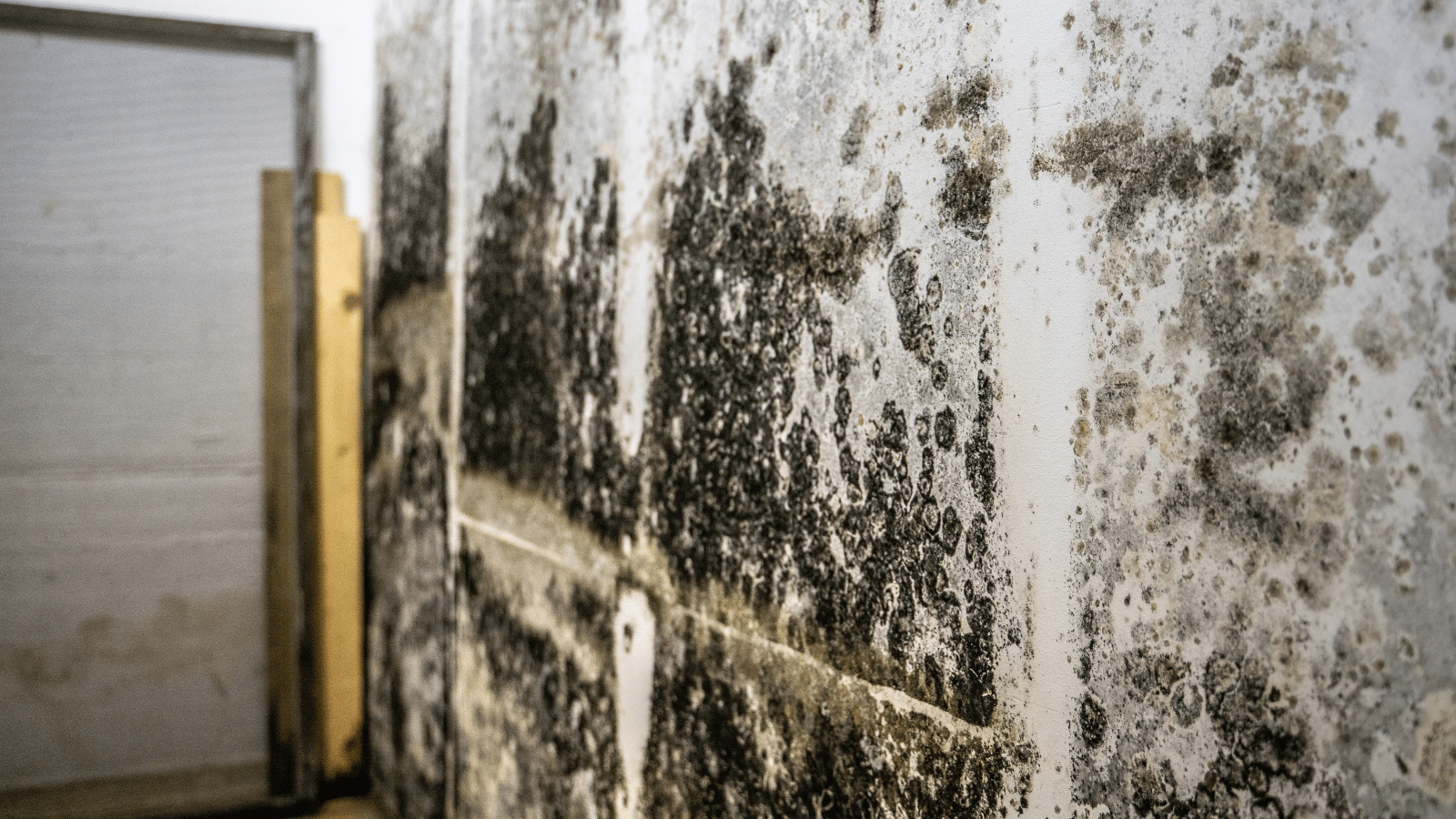
Curious how a simple trench can stop basement dampness and protect your home?
I’m Douglas Ray Whitehead, owner of Array of Solutions. I handle every inquiry personally and have worked in the Upstate for over 20 years.
This buyer’s guide shows the full picture of the cost for french drain installation and how different approaches protect indoor air and living spaces.
We compare interior and exterior systems, explain what drives price, and show realistic ranges so you match scope to need.
Our approach is least invasive and backed by a transferable workmanship warranty. You’ll get clear pricing, careful oversight, and practical solutions based on local soil and water behavior.
If you’re seeing dampness, odors, or visible moisture, call me at (864) 710-6413 or email scmoldremoval@gmail.com. Early guidance often prevents bigger problems.
Key Takeaways
- National ranges span a wide spectrum; site conditions make the biggest difference.
- Interior and exterior options affect price and indoor air outcomes.
- Materials, access, and add-ons like sump pumps influence final pricing.
- We use low‑impact methods to minimize yard disruption and restore landscapes.
- Work directly with me for local expertise, clear oversight, and a transferable warranty.
At-a-glance French drain cost today: national averages and what Upstate SC homeowners should expect
Knowing national averages and local variables makes budgeting a drainage job much easier. The current national average sits near $5,000, with most projects between mid-$1,000s and mid-$6,000s depending on scope and the type of system you pick.
Typical per linear foot rates vary by approach. Interior protection commonly runs about $40–$100 per linear foot, while exterior yard options are in the roughly $10–$75 range. Permit fees are often $58–$225 and labor typically falls near $35–$75 per hour.
Local factors in Greenville and the Upstate change final numbers. Tight side yards, trees, hardscapes, compacted clay, or rock slow work and raise installation costs. We itemize labor, materials, and equipment so you see where money goes and where value can be optimized.
- National average: about $5,000
- Interior: $40–$100 per linear foot
- Exterior: $10–$75 per linear foot
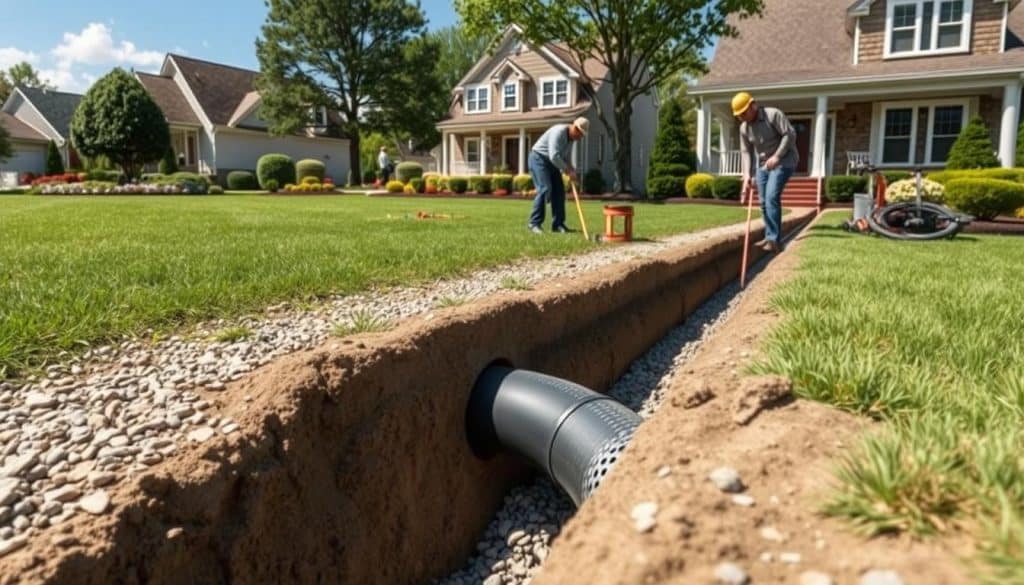
We serve Greenville, SC and nearby areas with honest, least invasive solutions. Call me directly at (864) 710-6413 or email scmoldremoval@gmail.com to discuss your site and prevent water damage before it gets worse.
Cost for french drain installation
Knowing what influences project pricing helps you avoid unexpected charges and bad outcomes. Typical totals cluster near $5,000, but real jobs can be as low as $500 or climb to $18,000 depending on scope.
Typical cost per project versus per linear foot
Per project, budgets range from a few hundred dollars for a short exterior run to many thousands for full interior systems that need concrete cutting and discharge routing. When priced per linear, interior work commonly runs $40–$100 per linear foot because concrete removal, tight access, and sump pump integration add skilled labor.
Exterior work usually falls in the $10–$75 per linear foot band. Terrain, depth, roots, utilities, and hardscaping push prices higher.
What drives the low end ($500) and high end ($18,000)
- Low end: short, shallow exterior runs with gravity discharge and easy access.
- High end: long perimeters, deep trenches under footings, interior concrete removal, multiple corners, and complex discharge or pump systems.
- Material type, pipe diameter, gravel, and fabric matter, but labor and access usually move the needle most.
We aim for the least invasive method that still solves the problem and backs our work with a transferable workmanship warranty. You can contact me directly for a tailored quote after a site visit; I’ll walk you through tradeoffs so your system is right‑sized and cost‑effective.
Interior vs. exterior French drains: cost per linear foot and when each makes sense
The best drainage path depends on where water collects and how deep we must dig to control it.
Interior systems: $40–$100 per linear foot
Interior french solutions suit basements and crawl spaces with persistent seepage. They often need slab cutting, pipe routing to a sump, and careful restoration.
Exterior options: $10–$75 per linear foot
Exterior french drains intercept yard runoff before it reaches foundation. Shallow runs lower the price, while trenches near footings or through hardscape raise it.
- Depth raises labor and gravel needs; deeper trenches add excavation time.
- Larger pipe diameter increases trench width and restoration work.
- Slope matters: if gravity’s not enough, we plan for a pump or alternate outlet.
- Crawl space height, roots, and tight side yards shape whether interior or exterior is less invasive.
I evaluate soil and access, then recommend the least invasive system that protects your home and indoor air. I’ll explain tradeoffs so you invest in the right solution the first time.
Project size scenarios: 50, 100, and 200 linear feet explained
A 50‑, 100‑, or 200‑foot run can mean very different timelines, disruption, and budgeting. I’ll show typical exterior and interior examples so you can see where your home fits.
Exterior examples
50 linear foot: $500–$3,250 — short runs start low when access is easy and soil is cooperative. Prices rise with depth, roots, or hardscape crossings.
100 linear foot: $1,000–$6,500 — longer runs add labor, hauling, and potential dry well or downspout ties.
200 linear foot: $2,000–$13,000 — long exteriors scale materials and restore work; multiple discharge points can add time.
Interior examples
50 linear foot: $2,000–$5,000 — concrete cutting, disposal, and finish repair are the main drivers.
100 linear foot: $4,000–$10,000 — many projects add a sump and careful staging to keep living areas usable.
200 linear foot: $8,000–$20,000 — complexity and restoration push these totals; we stage to limit disruption.
- We right‑size the system to your site and budget, choosing the smallest effective pipe and trench.
- Soil and groundwater behavior influence required length and number of discharge points.
- Staging materials and spoil fencing reduces landscape repair expenses.
- I review each project and map length so you understand every price driver before work begins.
As an owner‑operator, I’ll walk your site and explain how we keep restoration minimal while delivering a dependable system.
Line-item costs: materials, labor costs, and permits
A clear line‑item budget helps you see where dollars go and which choices add real value.
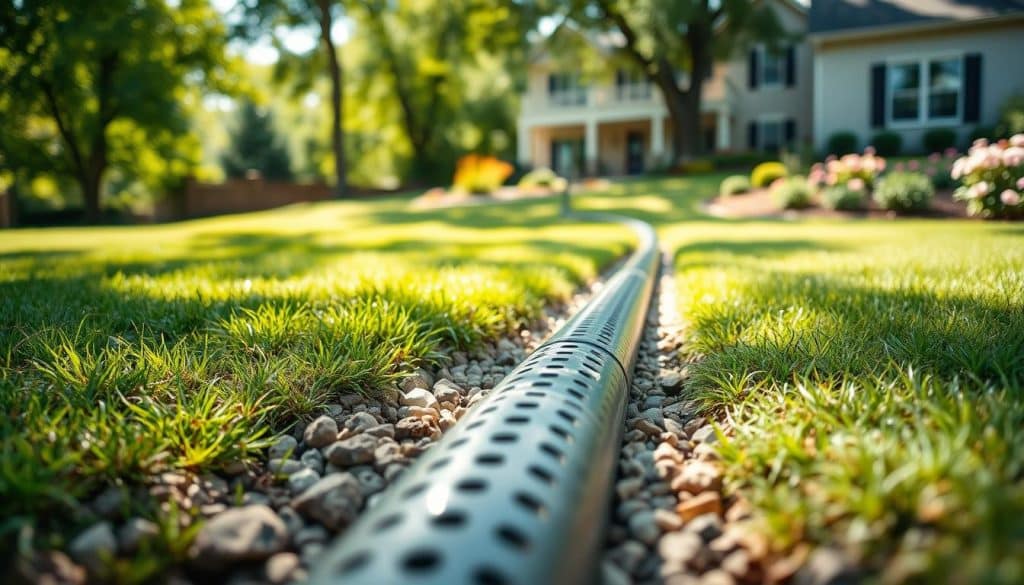
Materials usually include perforated pipe sized to match flow, washed pea gravel, and non‑woven landscape fabric to keep soil fines out of the system.
Typical pricing ranges are simple to read: pipe runs about $0.50–$3 per linear foot, pea gravel $25–$53 per ton, and fabric $0.45–$0.80 per square foot. Fittings and basins add modest sums but prevent messy terminations.
Labor and equipment that move the needle
Labor rates commonly sit at $35–$75 per hour. Trencher or mini‑excavator rental is roughly $85–$200 per day; hand‑digging increases crew time.
We plan staging, spoil management, and restoration so those items appear in estimates instead of surprise bills later.
Permits and safe digging
Permit fees vary; expect $58–$225 in many jurisdictions. Always call 811 to mark underground utilities before any excavation.
- Quality materials prevent clogs and callbacks.
- Equipment choice changes labor costs quickly.
- Proper permitting protects your property and our workmanship warranty.
Site factors that increase installation costs
Ground composition and tight access often determine whether a job is straightforward or complex.
Soil type matters. Dense clay, shale, and rocky soils slow trenching and raise labor time. We factor Greenville’s varied soil into every estimate so surprises are rare.
Restricted access — narrow side yards, fences, or heavy landscaping — can block machines. That means more hand digging, extra hauling, and longer crew hours.
- Retaining walls: drains behind walls relieve pressure but demand care. Typical work behind walls runs about $25–$50 per linear foot due to stabilization needs.
- Basements and interior spaces: slab cutting, debris removal, and dust control add steps that affect schedule and budget.
- Crawl spaces: low clearance and obstructions limit mobility; we design routes to reduce disturbance while moving water effectively.
Groundwater management often requires longer discharge lines or lifts. That adds materials and technical work to keep water from causing damage to the home.
With decades in Upstate soils, we design least invasive solutions for tight access and sensitive structures. I’ll show you how trench depth, pipe diameter, and outlet strategy are tailored to protect your property and indoor air quality.
Essential add-ons and related services that impact total price
Simple add-ons can prevent major water problems and extend a system’s life. Choosing the right pieces saves headaches and keeps maintenance low.
Sump pumps: when and why they’re needed
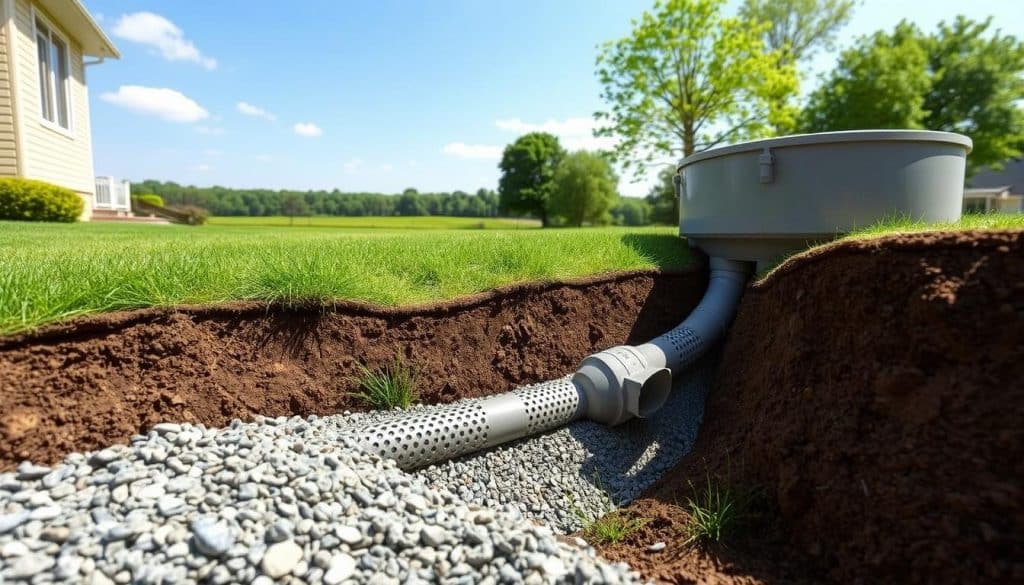
Sump pump units are common when gravity won’t carry water away. Typical add-on ranges run about $625–$2,625 depending on basin, pump size, and alarm features.
We size pumps to avoid short‑cycling and to handle peak flow during storms. I recommend only what’s necessary and provide access for service.
Outlets: dry wells, storm tie‑ins, and rain gardens
Where runoff must go, options include dry wells ($500–$3,000), storm tie‑ins ($500–$3,500), or rain gardens ($1–$20 per sq ft depending on DIY vs. pro).
Soil infiltration, space, and local rules guide the selection. We prefer gravity outlets when allowed and specify a pump when required.
Landscape repair after trenching
Restoration keeps your yard usable and attractive. Sod runs about $0.87–$1.80 per sq ft; seeding $0.10–$0.19; topsoil $11–$53 per cubic yard.
- We plan restoration up front so there are no surprise bills.
- Decorative curbing or rock finishes range roughly $600–$1,400 and can protect outlets.
- Every add‑on is justified by function—we don’t upsell unnecessary items.
We recommend only what’s necessary, and all workmanship is warrantied and transferable. Speak directly with me at (864) 710-6413 to review options tailored to your property.
DIY vs. professional installation: true cost, risks, and warranties
Deciding between a DIY fix and a pro team means weighing time, risk, and long-term protection. A small 25‑LF project runs roughly $528 in materials — about $21.12 per linear foot — and many DIYers end near $700 after rentals and permits.
DIY materials and equipment per linear foot (present-day)
Trencher rental is about $60 for a short block or $100–$200 per day. Permits often range $58–$225. Labor costs you time; pro bids commonly include disposal and restoration that DIY overlooks.
Common install errors that cause clogs, flooding, and neighbor drainage issues
Frequent mistakes are wrong pipe slope or orientation, skipping fabric or proper aggregate, and discharging onto a neighbor’s lot.
- Trenching into utility lines is dangerous—call 811 before you dig.
- Improper materials invite clogs and repeat work.
- Hidden hauling and disposal fees often equal professional line items.
Why Array of Solutions’ transferable workmanship warranty matters
We stand behind our work with a transferable workmanship warranty. As an Expert Witness and former contractor/home inspector, I’ve fixed many poor installs. With owner oversight, you get proper slope, compliant outlets, and peace of mind. Call me at (864) 710-6413 to review whether a DIY approach makes sense or if professional installation protects your home and budget.
Why choose Array of Solutions in Greenville, SC
When water threatens your home, having an experienced local pro changes the outcome. I’m Douglas Ray Whitehead. I founded Array of Solutions in 2007 and handle every inquiry personally.
Owner-operated, qualified, and local
Expert Witness and former contractor — I bring real courtroom and field experience to each project. That background shapes durable plans for basement waterproofing and crawl space care.
Practical, least invasive moisture solutions
We design a drain system or sump pairing to stop water damage with minimal trenching. Repairs focus on protecting indoor air and finishes so your home stays healthy.
- Nearly two decades of Upstate experience protecting basements and crawl spaces.
- Transferable workmanship warranty that adds resale value to your home.
- Direct communication with me from estimate through completion.
- Site‑specific plans: soil, structure, and safe discharge with pump options when needed.
Your safety is my future. Call (864) 710-6413 or email scmoldremoval@gmail.com to schedule a site assessment and discuss a reliable solution tailored to your home.
Conclusion
A well‑designed french drain protects basements, crawl space areas, and yards from recurring water and mold while lasting decades when done right.
Use the per linear foot ranges—interior $40–$100 and exterior $10–$75—along with site factors like soil, access, and outlet options to refine any estimate. National averages center near $5,000, but every project varies.
We emphasize the least invasive approach and back our work with a transferable workmanship warranty. You’ll work directly with me, Douglas Ray Whitehead, to get a clear plan and honest pricing.
Ready to protect your home? Call (864) 710-6413 or email scmoldremoval@gmail.com to schedule an assessment in Greenville and the Upstate.