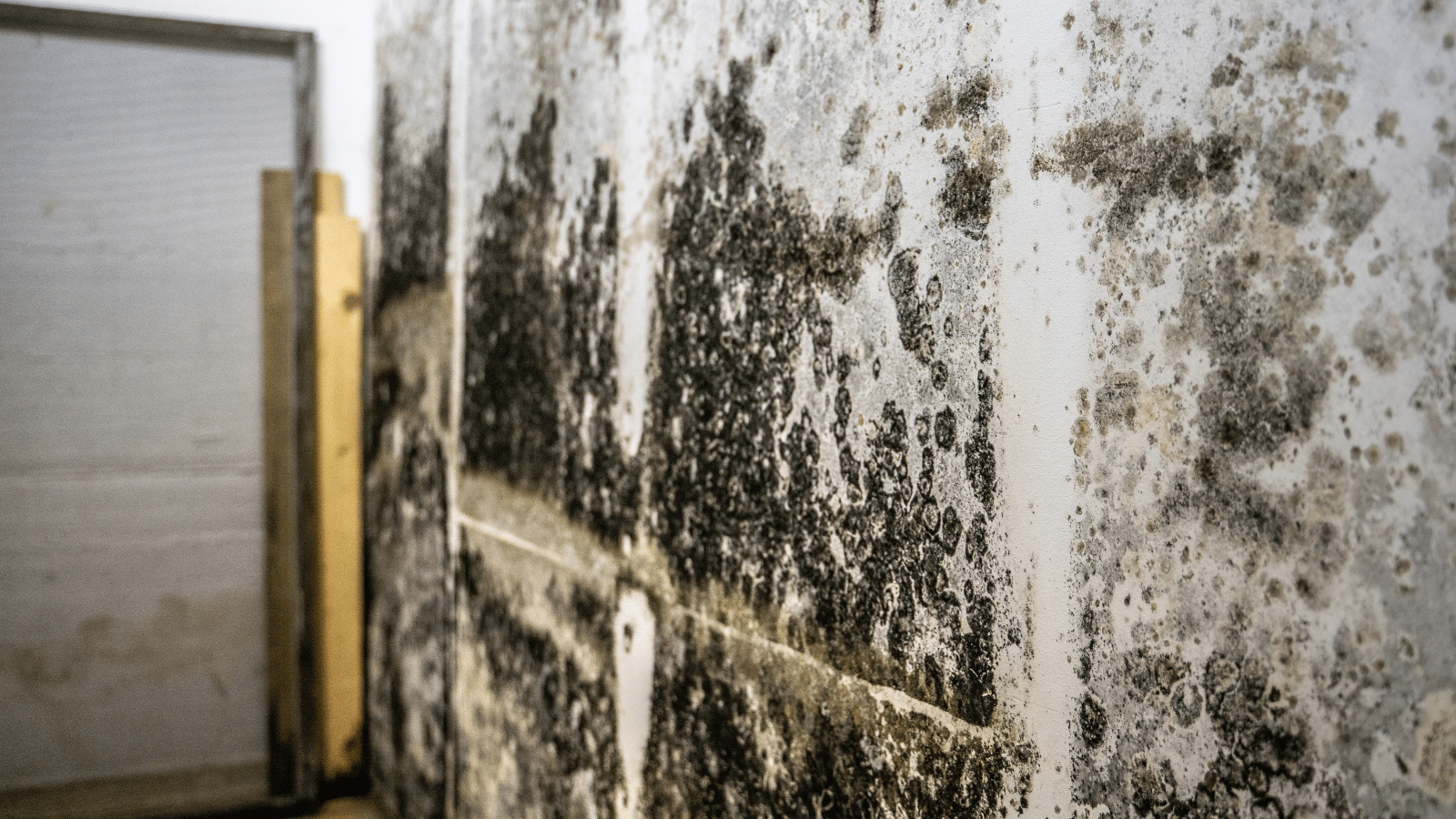
Have you ever wondered why bleach for mold removal seems to work at first with a quick spray and scrub, but the problem keeps coming back?
I’m Douglas Ray Whitehead, owner of Array of Solutions, and I handle every inquiry personally—no call centers, no handoffs. I’ve lived in the Upstate for over 20 years and have led more than 1,000 inspections and hundreds of remediation projects since 2007.
This guide is written for homeowners and business owners in Greenville who want clear facts about surface cleaners, hidden growth in materials like drywall and wood, and safe steps that protect your health and home.
We explain why a household disinfectant can seem to succeed on shiny surfaces yet fail inside porous materials. You’ll learn when a DIY approach may be safe and when to call a pro who focuses on moisture diagnosis, containment, and air quality.
Call me at (864) 710-6413 or email scmoldremoval@gmail.com to get straightforward, science-backed advice. Your safety is my future.
Key Takeaways
- Surface wins can be false: Some cleaners only disinfect non-porous surfaces and do not fix embedded growth.
- Look for signs: If growth returns or is on drywall and wood, professional assessment helps avoid spread.
- We diagnose moisture first: Fixing humidity and leaks prevents recurrence.
- Safer options exist: EPA-registered antifungal approaches and proper application matter.
- Local expertise: I provide personal consultations in Greenville with transferable warranties on workmanship.
Why Bleach Isn’t the Easy Fix for Mold in Your Home
A shiny, clean stain may hide colonies that keep growing beneath the surface. We always prioritize your safety and the long-term health of your home, and I won’t recommend an approach that masks contamination rather than correcting it at the source.
On hard non-porous surfaces like tile and glass, disinfection can work. But porous materials — drywall and wood — absorb moisture and protect the colony roots. The product is mostly water; once the active chlorine fades, that added moisture can help regrowth and worsen the problems you already face.
- Surface whitening is not removal: stains may fade while colonies persist below.
- Health and material risks: fumes irritate lungs and eyes; corrosion damages finishes and metals.
- We focus on the root cause: fixing leaks and humidity prevents return and keeps your home safer.
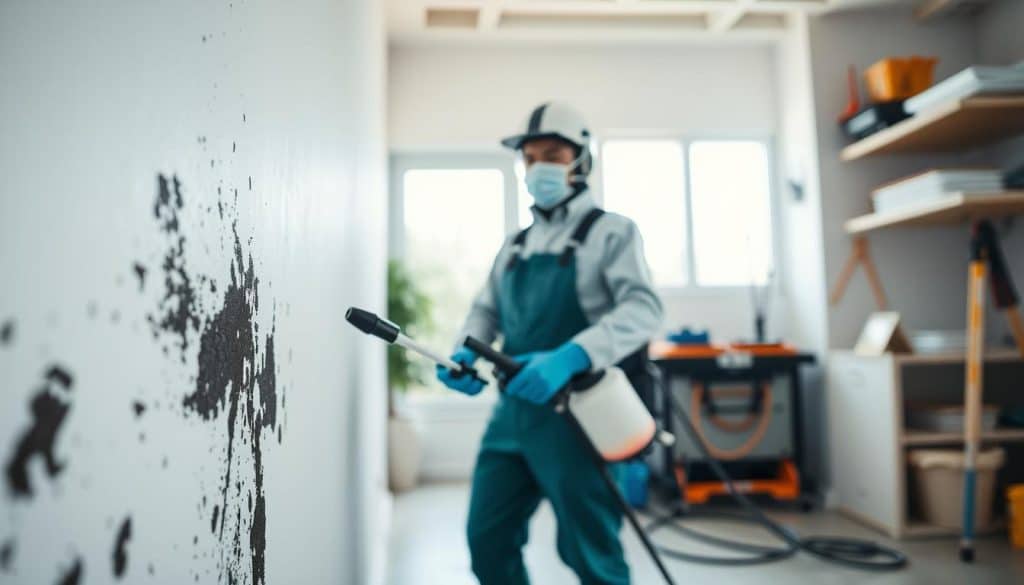
How Mold Really Grows and Why Bleach Falls Short
Hidden colonies often survive a surface wipe because their feeding structures live deeper than the stain you see.
Porous vs. non-porous materials
On porous items like wood and drywall, tiny hyphae and mycelial roots climb below the finish and feed on paper and dust. Tile and glass are non-porous, so visible contamination there usually cleans up well when moisture is controlled.
Roots, spores, and hidden moisture
Mold reproduces by spores that float through the air and land where water and nutrients sit. Hidden leaks, condensation, and high humidity keep colonies alive inside cavities where you can’t see them.
Why surface change isn’t true removal
A faded stain can mask active growth. Even after a wipe, spores and embedded roots may persist and recolonize if moisture returns. In our inspections we measure moisture content and assess whether the affected material is cleanable or needs replacement.
- Key: target spores, roots, and moisture together — not just the visible surface.
- When to act: recurring stains or musty odors often mean deeper contamination.
- Our role: I diagnose causes and recommend containment or repair to stop regrowth.
Health and Property Risks of Using Bleach on Mold
Using a common household cleaner can create new hazards that outlast the visible stain. I want you to understand the real risks so you can protect your household and property value. Your safety is my future.
Chlorine gas, dioxins, and respiratory irritation risks
Chlorine fumes can irritate the respiratory system and worsen chronic conditions. Mixing chemicals can release toxic chlorine gas that requires immediate evacuation and fresh air.
Exposure can also affect the eyes and skin. Use of personal protective equipment matters when any strong cleaner is present.
Water content can worsen growth
Most household products are mostly water. That added water can soak into porous materials and feed returning colonies after the active chemical fades.
Corrosion and material damage
The corrosive nature of strong cleaners can weaken wood fibers, discolor finishes, and corrode metal fasteners.
What starts as a quick wipe can become a repair problem if materials degrade or structural components fail.
- Health: respiratory irritation and chemical burns are real risks in tight spaces.
- Safety: mixing cleaners can produce dangerous chlorine gas—never combine products.
- Property: water and corrosive action can damage materials and increase repair costs.
- Our approach: identify moisture sources, contain work areas, and remove contaminated materials when needed.
We minimize exposure with professional containment, negative air, and safe disposal. If you’re in Greenville, SC, I’ll help you choose a plan that reduces health risks and prevents further property damage.
How-To: Safer Steps Than “Bleach for Mold Removal”
Start simple: a small, contained spot on a hard surface can sometimes be addressed safely with careful steps. If the affected area is under about 10 square feet and sits on non-porous material, a cautious DIY approach may be reasonable.
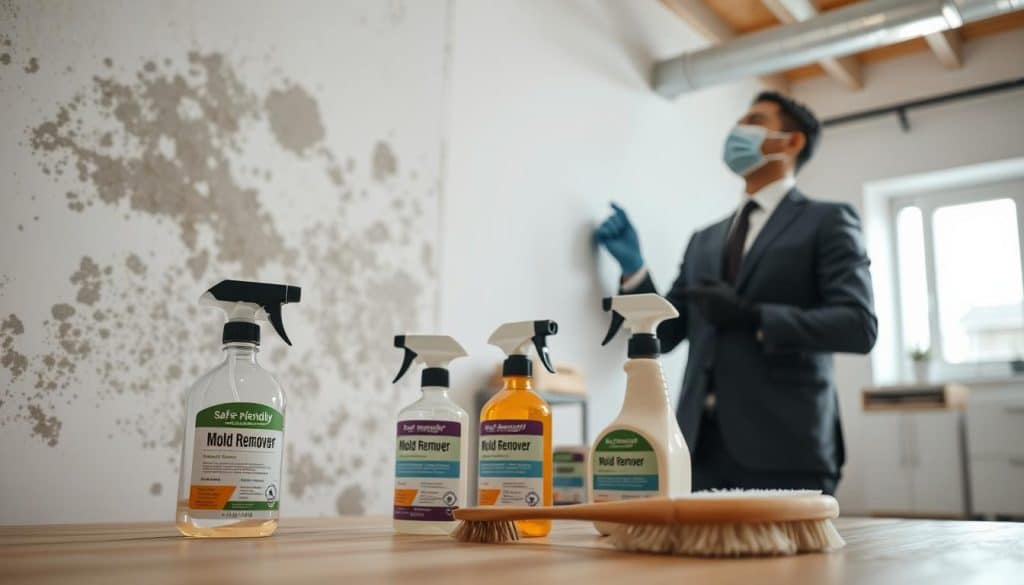
When to stop: if the stain grows, returns, or involves drywall or wood, pause work and call a professional. Visible spreading, musty smells, or repeated issues usually mean hidden moisture needs diagnosis.
Personal protection: always wear an N95 respirator, sealed goggles to protect your eyes, and gloves to protect skin. These items reduce exposure to spores during any cleaning task.
- Limit DIY: keep cleaning to a single, contained area on hard surfaces; larger or recurring problems need containment and testing.
- Work gently: avoid aggressive scrubbing that aerosolizes spores; lightly misting and methodical wiping helps control dust.
- Containment tips: close the room, ventilate to the outdoors, discard used cloths, and HEPA-vacuum afterward.
If anyone in your home has asthma, allergies, or a weakened immune system, skip DIY and call me. I’ll evaluate the area, assess moisture, and recommend the least invasive plan to protect your home and family.
Effective Alternatives to Using Bleach: What Works and Where
Safer approaches combine targeted cleaners with moisture control to protect your family and the building. These options can treat minor contamination on hard surfaces and reduce health risks compared with heavy household chemicals.
Household options and their limits
Undiluted vinegar can help on small, hard, non-porous surfaces. Allow dwell time, then wipe. It does not penetrate wood or drywall and will not eliminate mold inside materials.
A 3% hydrogen peroxide solution is useful on accessible surface stains. Let it sit about 10 minutes, then gently scrub and dry the area.
Baking soda works as a mild abrasive and helps absorb moisture. Use a paste for light cleaning, but understand it is not a cure for embedded contamination.
EPA-registered antifungal cleaners
EPA-registered cleaners are formulated to address contamination more thoroughly when used as directed. Professionals pair them with containment, correct contact time, and removal of affected materials when needed.
- Small hard areas: vinegar or 3% hydrogen peroxide can remove surface stains if used correctly.
- Light cleaning: baking soda can assist and help reduce water on a surface.
- Serious infestations: EPA-registered products plus moisture correction are needed to stop recurrence.
Always test a small, hidden spot first. Ventilate, discard used cloths, and consider a HEPA vacuum as a final pass. If the area grows or odors persist, call me to evaluate moisture and advise a lasting plan.
Prevent Mold Growth at the Root: Moisture, Ventilation, and Materials
Stopping recurring growth starts by cutting off the moisture that feeds it. We design prevention plans that reduce moisture at its source so you avoid repeat work and protect the health of everyone in your home.
Humidity control, leaks, and condensation management
Control indoor humidity to the 40–50% range with ventilation and dehumidifiers, especially in basements, bathrooms, and laundry areas. Fix water leaks quickly—roofs, plumbing, or window intrusions—and dry affected materials within 24–48 hours to stop mold growth before it starts.
Improving airflow in bathrooms, basements, and other high-moisture areas
Improve airflow with exhaust fans that vent outdoors and run them during and after showers. Keep interior doors and registers unobstructed and maintain HVAC systems so the system moves air effectively and avoids becoming a reservoir for spores.
Choosing and protecting vulnerable materials like wood and drywall
Choose moisture-resilient finishes in high-risk areas and protect vulnerable materials like wood and paper-faced drywall from chronic dampness. Direct water away from the foundation with gutters and proper grading, and consider sump or drainage solutions where needed.
- Insulate cold surfaces and pipes to reduce condensation in crawlspaces and below-grade rooms.
- Act fast after any water event; if you can’t dry materials in 48 hours, call us to assess the problem and plan a lasting solution.
- We’ll tailor a prevention plan that fits your home, budget, and lifestyle so the solution is sustainable year-round.
Professional Mold Remediation in Greenville, SC: Array of Solutions
If stains reappear or air quality worsens, a targeted professional plan will protect your home and health. I’ll personally assess your property, explain what I find, and recommend the least invasive, most effective solution.
When to call a pro
Call us if the affected area is about 10 square feet or larger, if growth keeps returning, or if you suspect hidden moisture behind walls, ceilings, or floors.
Least invasive, most effective air quality solutions
- We set up containment and negative pressure to keep spores from spreading while work is underway.
- Our process removes contaminated materials as needed and cleans adjacent surfaces to stop recurrence.
- Testing and clearance validate air quality so you know the environment is safe when the job is complete.
Work with Douglas Ray Whitehead
As an Expert Witness and former contractor/home inspector, I stand behind a transparent process and a transferable workmanship warranty.
- We use tools and products matched to the material and level of contamination, prioritizing occupant safety.
- Expect clear communication: I’ll explain why the problem happened and how we will eliminate mold effectively without needless demolition.
- We coordinate scheduling, protect belongings, and recommend prevention steps tailored to Greenville’s climate.
Reach me directly at (864) 710-6413 or scmoldremoval@gmail.com. When you call, you work with me from start to finish.
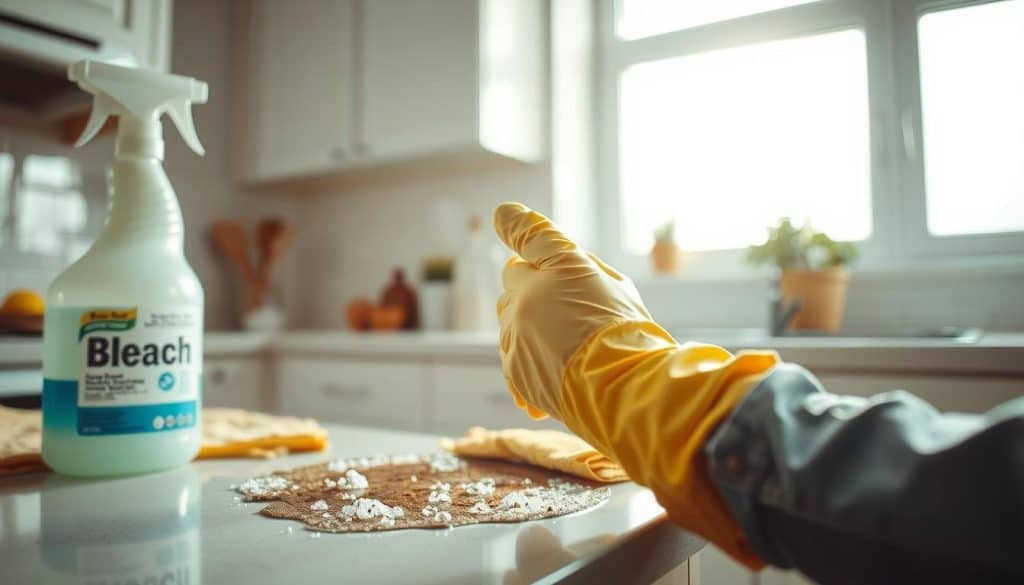
Conclusion
When stains keep returning, the visible cleanup rarely tells the whole story.
If you’ve considered using bleach, remember it often only affects hard surfaces and can leave embedded colonies in drywall and wood. That can add water and let spores reappear or spread.
Safer, limited options like vinegar and hydrogen peroxide help small, non-porous surfaces. For larger or recurring issues, professional assessment pairs moisture diagnosis, containment, and targeted cleaning or material replacement to protect your home.
I’m Douglas Ray Whitehead of Array of Solutions. I’ll evaluate conditions, explain steps, and stand behind work with a transferable warranty. Your safety is my future. Call (864) 710-6413 or email scmoldremoval@gmail.com.