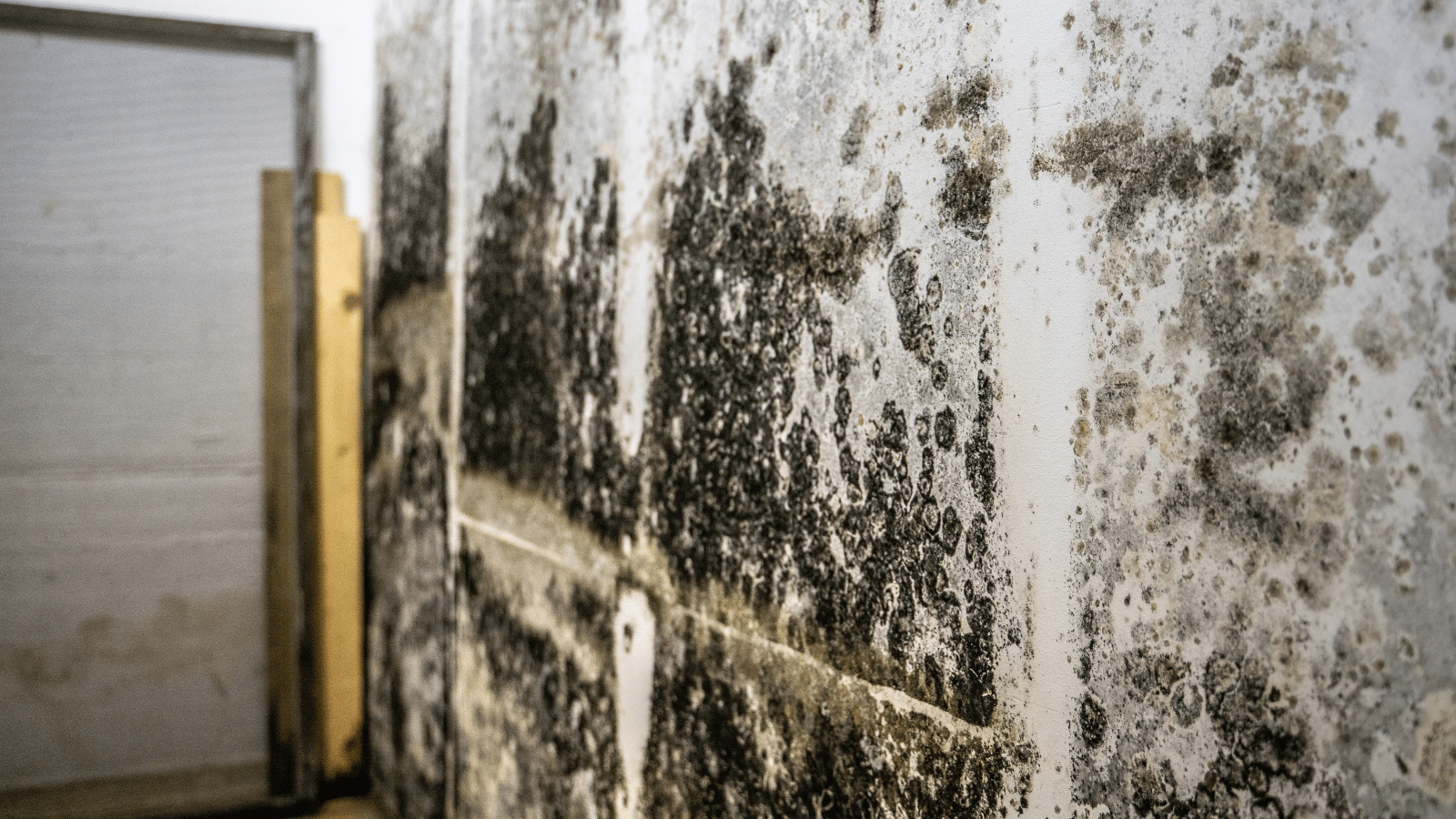
Have you ever wondered what a fair price looks like when your home’s indoor air feels off and you suspect hidden growth?
I’m Douglas Ray Whitehead, founder of Array of Solutions. I’ve served the Upstate for over 20 years, and when homeowners ask about black mold removal cost, I personally handle every inquiry so you get clear answers and practical plans.
We focus on durable mold removal and remediation that fixes the source of moisture, not just visible staining. After 1,000+ inspections and hundreds of successful projects, I know how scope, access, and materials drive prices.
We offer transparent pricing up front, explain containment, HEPA-grade filtration, drying, and disposal, and back workmanship with a transferable warranty. Call (864) 710-6413 or email scmoldremoval@gmail.com for a personal assessment.
Key Takeaways
- Typical remediation projects range widely; scope dictates the final number.
- Small surface issues may be DIY-safe; larger or hidden growth needs pros.
- We prioritize the least invasive, most effective approach to protect indoor air.
- Owner-operated service means direct answers and honest pricing from me.
- Workmanship is warranted and transferable, adding value to your home.
Buyer’s guide overview: what Greenville homeowners should know about mold remediation costs
Before you sign a contract, learn how Greenville pros build estimates for remediation so you can compare proposals with confidence.
Most professional projects in the Upstate run between $1,200 and $3,750, with inspection-only visits near $250–$350. I explain pricing in plain language so you know what drives a price: location of growth, square footage, access, containment needs, and any needed testing for documentation or health concerns.
This buyer’s guide covers how the affected area and accessibility translate to labor and equipment hours. We’ll compare common home areas—attics, basements, bathrooms, crawl spaces, and HVAC—and why some locations raise the final number.
- What’s included: inspection, containment, cleanup, and verification.
- When to test: unseen growth, records for real estate, or health risks.
- How prior water damage increases both remediation and reconstruction budgets.
We serve Greenville and surrounding Upstate communities. Call or email for a clear estimate and a straightforward plan that protects your family and your home.
Black mold removal cost at a glance
Understanding typical project ranges helps you budget and spot red flags before work begins. I list practical ranges below so Greenville homeowners know what to expect and when to ask questions.
Average project totals
Most projects land between $1,200 and $3,750, with a typical spend near $2,300 when issues are localized and access is straightforward.
Small jobs and high-end scenarios
Small, surface-level work often runs $500–$1,500. Severe or whole-house cases can climb to $10,000–$30,000 when moisture is ongoing or multiple systems are affected.
Cost signals that suggest hidden water damage
- Estimates that seem high for a small visible area often indicate suspected hidden water or damaged porous materials.
- Expect pricing to reflect roughly $10–$25 per square foot depending on access and containment needs.
- Musty odors, soft subfloors, stained drywall, or high moisture readings are real signals I watch for during inspections.
I separate remediation from reconstruction so you see clear line items and can phase work to fit your budget.
Key factors that drive mold remediation cost
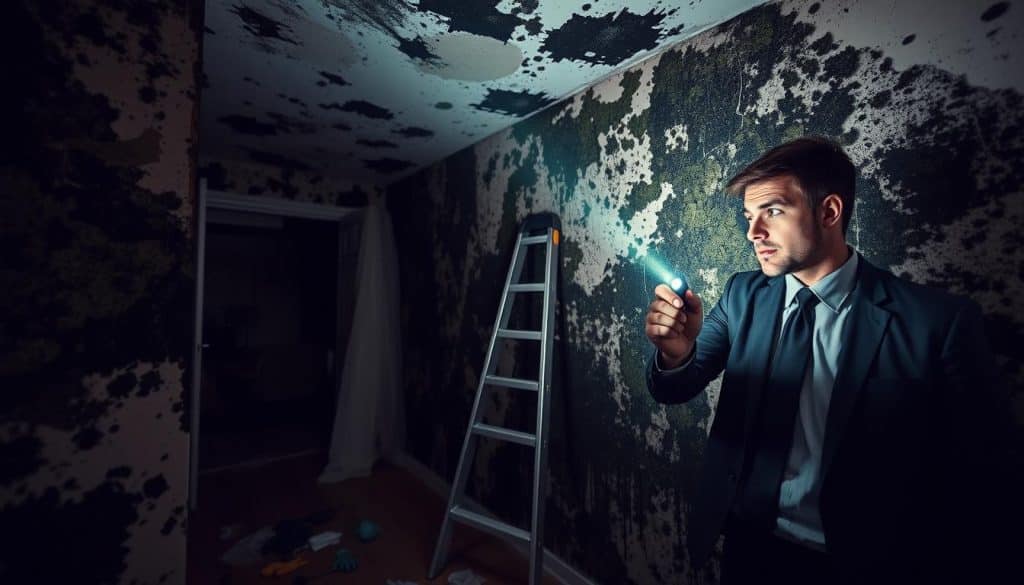
Not all projects are equal — the specifics of the affected area shape the final number. I walk every client through the main drivers so you know what matters and why.
Affected area size and accessibility. The biggest influence is how large the area is and how easy it is to reach. Tight crawl spaces, multi-level work, and complex layouts add setup time and labor.
Extent of damage and materials affected. Porous materials like drywall or insulation usually need removal and disposal. Non-porous surfaces can often be cleaned, which shortens timelines and reduces costs.
Labor, containment, and specialized equipment. Labor is the largest line item. Setting poly containment, negative air, and HEPA filtration protects the home and prevents recontamination. When HVAC runs are involved we bring specialized equipment and protocols.
- Location in the home (attic, crawl space, HVAC) impacts access and prices.
- Hidden damage to subfloors or framing often means reconstruction after remediation.
- Emergency response, permits, and disposal can add to final costs, but we flag those early.
How we keep work least invasive. We right-size containment and prefer cleaning over removal when safe. I review every line item so you see essential tasks and where methods can adapt to limit waste without risking recontamination.
Cost per square foot: what to expect from 10 to 1,000 square feet
Knowing the per-square-foot range helps you plan budgets and compare bids without surprises. I’ll explain how we measure the affected area, how minimums apply, and ways to phase work so your invoice stays predictable.
Typical range: $10–$25+ per square foot
Most Greenville projects fall between $10 and $25 per square foot. Complexity, access, and material removal drive the exact rate. Example brackets show the average cost for common sizes: 50 sq ft $500–$1,250; 100 sq ft $1,000–$2,500; 1,000 sq ft $10,000–$25,000.
How minimum labor fees affect small areas
Small jobs often sit at the higher end because safe containment and equipment setup are required regardless of size. A minimum labor fee covers setup, negative air, and HEPA filtration so work meets health protocols.
Why larger areas may see lower per-foot pricing
Larger, contiguous spaces reduce setup time and let crews work efficiently. We measure square feet precisely and include adjacent zones that need protection to avoid recontamination.
- Porous material removal raises per-square pricing; durable surfaces usually lower totals after cleaning.
- Water sources and the type of damage can expand square feet impacted; fixing the source prevents repeat remediation.
- We can phase work into sections to spread costs while keeping sealed boundaries and clear scopes.
Mold removal cost by area of the home
Different rooms demand different methods, and that shapes what you’ll pay for professional remediation. Below are typical ranges by location and why some areas need more time, gear, or reconstruction.
Attic: $1,000–$4,000
Attic work often requires insulation removal and correcting roof leaks. Tight access and attic framing raise labor and containment time.
Basement: $500–$3,000
Basements usually need dehumidification and drainage fixes in addition to remediation. Addressing moisture sources lowers repeat problems and long‑term costs.
Bathroom: $500–$1,000
Surface issues in baths are less costly, but hidden plumbing leaks behind tile or vanities increase both removal and reconstruction expenses.
Crawl space: $500–$2,000
Low clearances and limited access extend labor hours. Containment and disposal needs climb when crews must work in cramped spaces.
HVAC systems: $3,000–$10,000
Work on an hvac system includes duct cleaning, filtration upgrades, and sanitization. That specialized scope explains higher remediation costs for HVAC work.
Whole house: $10,000–$30,000
After significant water damage or flooding, full-house projects rise quickly due to the sheer area, material replacement, and time involved.
- We tailor work to specific areas to be as surgical as possible.
- We recommend humidity control and ventilation fixes to protect your home after any remediation.
- When full removal is necessary, we explain why and show alternatives that limit reconstruction when safe.
Mold type and health risks: how they influence pricing
Some types of growth demand stricter protocols to protect air and people during remediation. I balance safety with value so families in Greenville get the right level of protection without unnecessary expense.
High‑containment protocols for dangerous findings
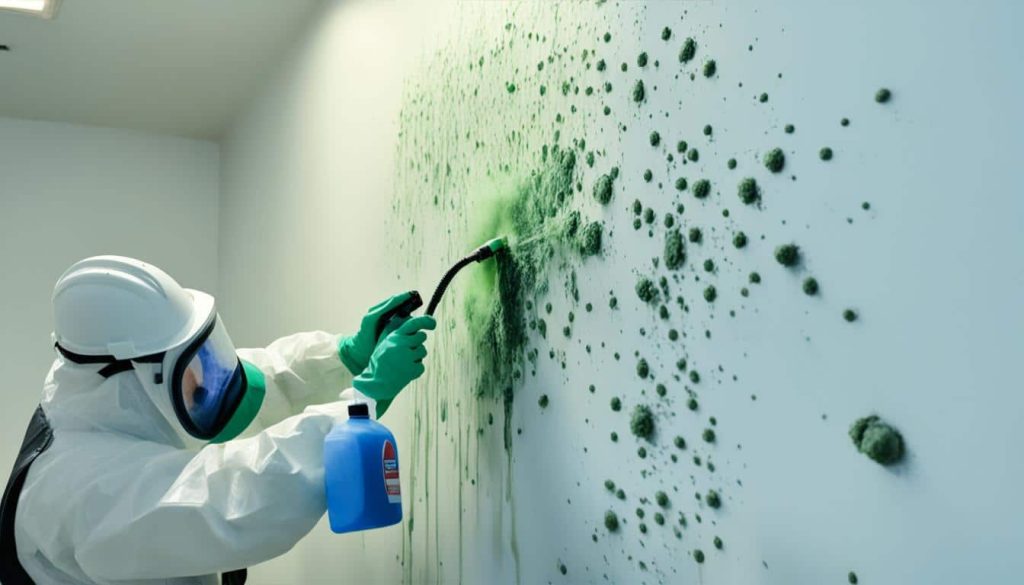
When a heavy infestation or high-risk species appears, we step up containment. Expanded barriers, negative pressure, and extra HEPA filtration limit mold spores from spreading to clean rooms.
These steps add labor and equipment time, which affects overall cost. I’ll explain when high containment is truly needed and when a targeted approach is safer and more affordable.
Faster‑spreading organisms in water‑damaged areas
In water‑damaged zones some types penetrate drywall and insulation quickly. That increases removal of materials, disposal, and reconstruction time.
- EPA guidance focuses on size and location, but mold type can change containment levels.
- Health risks vary by sensitivity; we plan PPE and ventilation to protect vulnerable people.
- We use HEPA filtration and negative pressure to control air movement and cross‑contamination.
- After remediation, I review prevention steps so moisture stays managed and future growth is unlikely.
Mold inspection and testing costs before remediation
Before any cleanup starts, a focused inspection tells us what we really face and whether lab testing will change the plan. I begin with a visual assessment and moisture mapping to see if the issue is clear or needs documentation.
Visual inspection vs. air and surface sampling
Visual checks are fast and cost‑effective. They identify stains, odors, and moisture paths. We use meters to map humidity and wet materials.
When the source is hidden or records are required, we coordinate air and surface sampling with third-party labs. Samples quantify levels and guide containment and remediation scope.
Typical pricing and when testing is recommended
- Visual inspection: roughly $150–$250 for a focused visit and moisture mapping.
- Lab testing: usually $400–$700 for basic samples; full protocols can reach $700–$1,000+.
- Testing helps when odors persist, the affected area is behind finishes, or you need documentation for insurance or sale.
- If visible contamination is widespread, we may skip testing and move straight to remediation to save time and avoid duplicate fees.
- I’ll review pros and cons for your home and explain how results affect the square foot scope and containment plan.
Hidden or additional costs homeowners should budget for
Certain follow-up items often appear after initial cleanup. Knowing them ahead helps you plan and avoid surprises.
Structural repairs to drywall, framing, and flooring
When porous materials are removed, you may need new drywall, trim, subfloor, or even framing repairs. We separate remediation from reconstruction so you can control timing and budget.
Air duct cleaning and HVAC upgrades
If spores circulated through the system, air duct cleaning and filter upgrades may be required to prevent recontamination. HVAC access or permit work can add to the invoice.
Post-remediation testing and waste disposal
Optional clearance testing gives peace of mind and third‑party documentation. Large volumes of insulation, carpet, or drywall must be bagged and hauled; disposal fees apply and affect removal cost.
Temporary housing and insurance considerations
For extensive projects you may need temporary housing. We’ll review homeowners insurance and document damage with photos and reports so you can pursue eligible claims.
- We provide a clear scope with line items so remediation costs and reconstruction choices are easy to plan.
- Budget for underlying fixes if extent damage points to leaks or drainage problems; that prevents repeat work.
DIY vs. professional remediation: safety, scope, and EPA guidance
Deciding whether to tackle a small growth patch yourself or hire help starts with size, access, and health risks. The EPA says DIY is reasonable for an area under 10 square feet if those exposed are healthy and properly protected.
EPA’s 10-square-foot guideline and when to call a pro
If the area exceeds 10 square feet, is hidden behind finishes, or recurs after drying, call a professional mold team. Larger or concealed infestations need containment and technical mitigation to protect your home and family.
Required protective gear, cleaners, and safe disposal
For safe DIY work: fix the water source first, wear an N95, gloves, and goggles, and bag porous materials for disposal.
- Do not mix bleach and ammonia.
- Use appropriate cleaners and dry the area fully to prevent return growth.
- Document the area size; this helps decide if you need testing or pro help.
Why professional containment prevents spread
Professionals use sealed containment, negative air pressure, and HEPA filtration to reduce cross‑contamination. These systems lower airborne spores and protect adjacent areas during remediation.
When unsure, I can assess the area and recommend whether DIY is safe or if our team should handle the high‑risk work for long‑term health and value.
Timeline and process: what happens during professional mold removal
Professional teams follow a defined sequence so work is safe, efficient, and predictable. We start by sealing the work zones with plastic barriers and zipper doors to protect clean rooms.
Next we establish negative air pressure and run HEPA filtration continuously. This controls air movement and limits mold spores from drifting into unaffected spaces.
Contaminated materials are removed when porous or deeply affected; durable surfaces receive targeted cleaning and disinfection. We use specialized equipment and HEPA vacs to reduce airborne particulates during removal.
- Careful containment and negative pressure to control the air and prevent mold spread.
- HEPA filtration and rigorous cleaning of hard surfaces while materials are removed.
- Thorough drying and moisture verification so the underlying damage cannot return.
- Minor repairs coordinated with you; larger reconstruction is quoted separately to manage cost and scope.
Throughout remediation we provide regular updates about progress and findings. Final checks confirm areas are clean, dry, and ready for re‑occupancy or reconstruction, so you can get back to normal quickly and safely.
Why Greenville trusts Array of Solutions for cost-effective mold removal
Personal accountability and local experience matter. I lead Array of Solutions and handle every estimate, site visit, and final walkthrough so you deal with one person from start to finish.
Owner-operated since 2007 — I began as a contractor and home inspector and now serve as an Expert Witness in Greenville County Courts. That background helps me spot hidden water damage and plan practical remediation that protects health and saves money.
What sets us apart
- Direct communication — you’ll never talk to a call center; I answer your questions personally.
- Least invasive approach — we prioritize cleaning and containment before removal when safe.
- Transferable workmanship warranty — added value if you sell your home.
If you may need testing, reconstruction, or HVAC cleaning, I’ll explain sequencing so you can prioritize spending wisely. For a personalized estimate call (864) 710-6413 or email scmoldremoval@gmail.com. My promise: you’ll only work with me, from first call to final walkthrough.
Conclusion
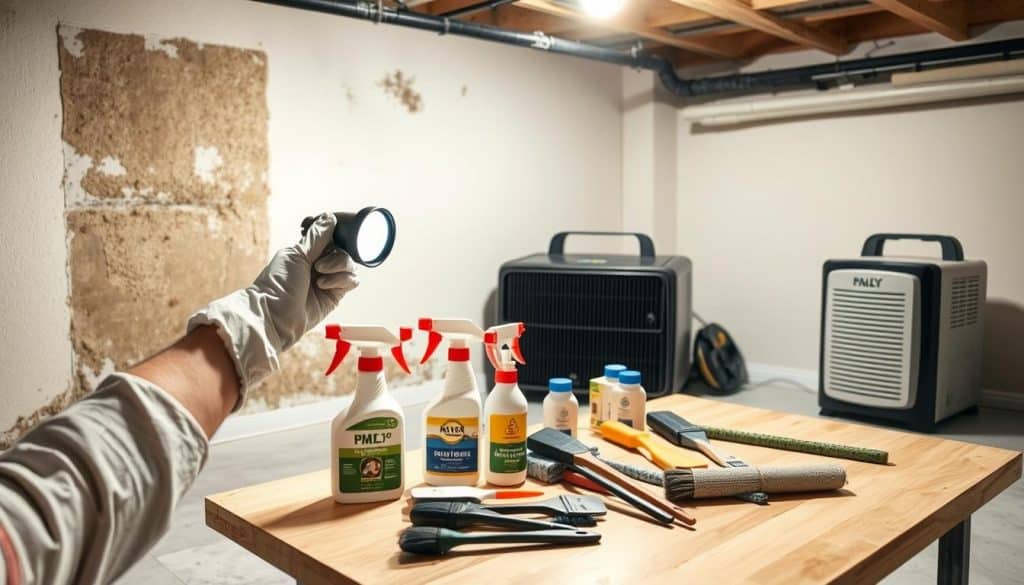
Getting a fast, transparent plan helps homeowners protect indoor air and their investment.
Typical remediation projects average about $2,300, but final figures vary by size, location, and complexity. The EPA recommends DIY work only for areas under 10 sq ft; otherwise professional containment prevents cross‑contamination and wider mold spread.
Addressing issues early limits spread and lowers long‑term cost. We help you prevent mold recurrence by fixing moisture sources, improving ventilation, and setting humidity targets that protect your home.
If you may need documentation or to involve homeowners insurance, we’ll outline the best path to support your claim. For owner-led, same‑day guidance in Greenville and the Upstate, call (864) 710-6413 or email scmoldremoval@gmail.com — I’ll guide you from inspection to completion and stand behind our work with a transferable warranty.
FAQ
What typical total should Greenville homeowners expect for mold remediation?
Expect most projects to fall between $1,200 and $3,750, with a common total around $2,300. Smaller surface jobs can run $500–$1,500, while major, widespread damage after flooding may reach $10,000–$30,000 depending on area affected, materials, and required repairs.
How does the size of the affected area influence the price per square foot?
Per-square-foot pricing commonly ranges from $10 to $25 or more. Small jobs often face minimum labor and mobilization fees that raise the effective rate, while larger projects typically reduce the per-foot charge because containment and setup costs spread out over more area.
Which rooms or systems are most expensive to remediate?
HVAC systems and whole-house events are the costliest. HVAC remediation, including duct cleaning and filtration, can run $3,000–$10,000. Whole-house cleanup after severe water intrusion often totals $10,000–$30,000. Attics, basements, bathrooms, and crawl spaces vary by access and whether insulation or structural materials must be removed.
How does the type of mold and health risk change the scope and price?
Higher-risk species and scenarios requiring containment (for example, toxigenic strains or heavy contamination in living spaces) trigger stricter protocols, negative-air setups, and more protective gear. That increases labor, equipment, and testing needs, raising the overall price.
Should I get inspection and testing before remediation, and what does that cost?
Visual inspections are often the first step and may be low cost or complimentary with an estimate. Air and surface sampling provide objective levels and typically cost more; testing is recommended when the source is unclear, symptoms exist, or for insurance and clearance documentation.
What hidden or additional expenses should I budget for?
Plan for possible structural repairs to drywall, framing, and flooring, plus air duct cleaning, HVAC upgrades, disposal fees, permits, and post-remediation clearance testing. Extended projects might require temporary housing, which adds to total expenses.
Can I clean up small areas myself or should I hire a professional?
The EPA suggests handling small, non-porous surface problems under about 10 square feet yourself with proper PPE and cleaners. Larger areas, contaminated insulation, HVAC involvement, or health concerns warrant professional remediation to prevent spread and ensure proper clearance.
What safety measures do professionals use during remediation?
Professionals use containment barriers, negative-air machines, HEPA filtration, and protocols for safe removal and disposal. They also implement moisture control and drying to prevent recurrence and perform clearance testing when needed.
How long does a typical professional remediation take?
Small jobs can finish in a day or two. Moderate projects (several rooms) often take a few days to a week. Large or whole-house restorations may take several weeks because of drying, repairs, and verification testing.
Will homeowners insurance cover remediation expenses?
Coverage depends on your policy and the damage cause. Many policies exclude long-term decay or negligence but may cover sudden water events or flood-related losses if you have appropriate riders. Document damage and obtain a professional estimate to discuss with your insurer.
How does hidden water damage affect pricing and detection?
Hidden water issues (behind walls, under floors) often increase costs because contractors must open walls, remove materials, and address structural repairs. Signs like persistent odors, staining, or elevated indoor humidity suggest hidden problems and should prompt a thorough inspection.
What credentials or guarantees should I look for in a professional team in Greenville?
Choose crews with experience in containment, HEPA filtration, and moisture control. Verify references, ask about transferable warranties, and confirm they offer post-remediation verification. At Array of Solutions we combine home-inspection experience with courtroom expert witness knowledge for thorough, least-invasive results.
How can I prevent recurrence after remediation?
Control moisture sources—fix leaks, improve drainage, use dehumidifiers, and maintain HVAC filtration. Regular inspections of attics, basements, and crawl spaces help catch problems early. Post-remediation clearance testing ensures spore levels returned to normal ranges.
How do labor, containment, and specialized equipment affect price?
Labor rates, the need for containment barriers, negative-air machines, HEPA vacuums, and air scrubbers add to the bill. Complex jobs requiring full containment and multiple air changes per hour are the most equipment-intensive and therefore more expensive.
How do I get a personalized estimate from Array of Solutions in Greenville?
Call (864) 710-6413 or email scmoldremoval@gmail.com for an on-site assessment. We evaluate affected areas, recommend testing if needed, outline remediation steps, and provide a transparent estimate tailored to your home and the extent of damage.