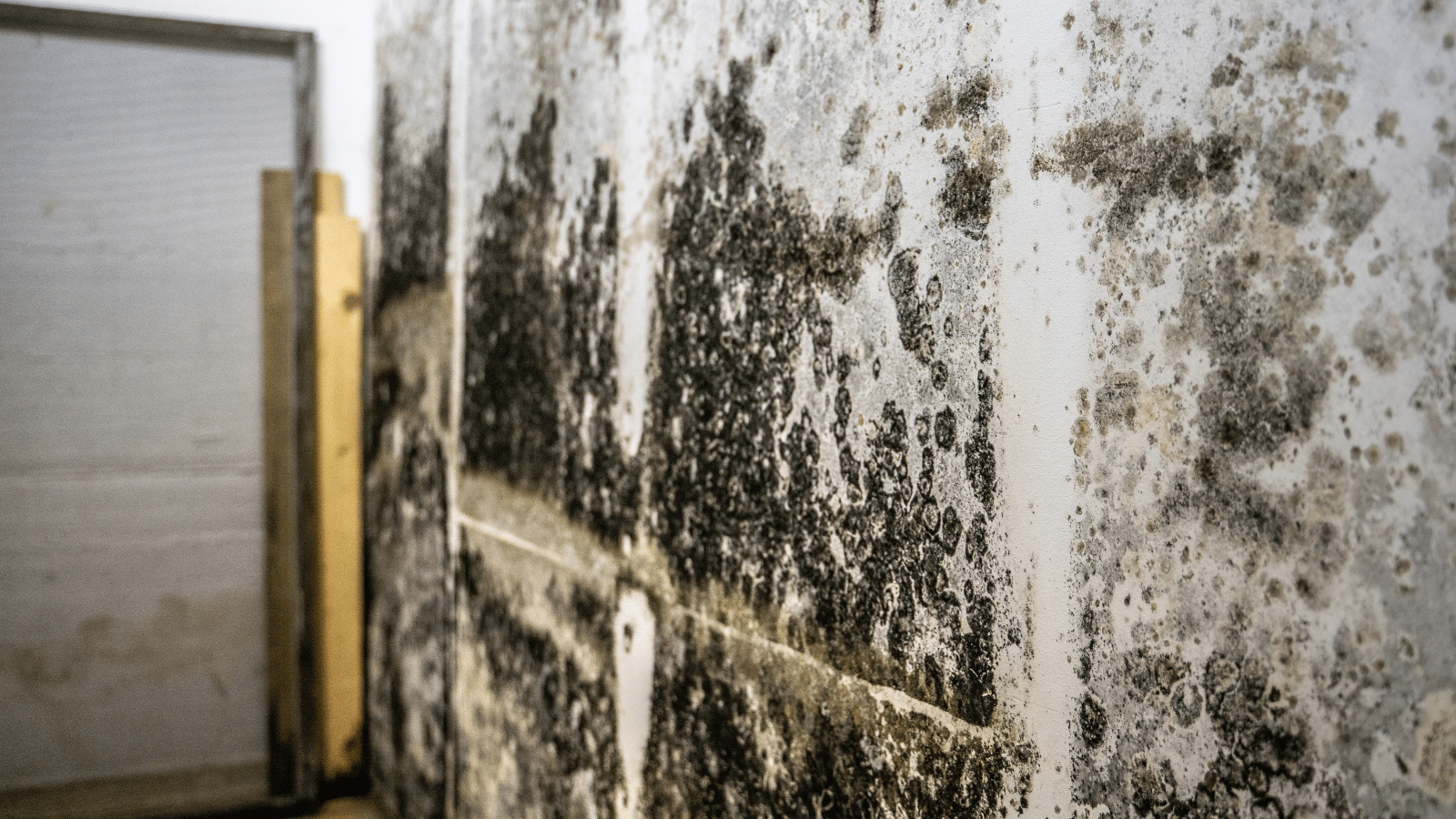
Have you ever wondered whether that dark patch in your home is a small, fixable problem or a hidden threat to your family’s health?
I’m Douglas Ray Whitehead, founder of Array of Solutions and an Environmental Consultant serving Greenville, SC and the Upstate for over 20 years. I started this company in 2007 and personally handle every inquiry—no call centers, no handoffs.
With 1,000+ inspections and hundreds of projects completed, I bring contractor and home inspector experience plus expert witness testimony to each case. We focus on the least invasive, most effective air and water solutions and back our workmanship with a transferable warranty.
This guide explains when small, visible issues can be managed safely at home and when professional help is the better path. You’ll get clear steps for protecting indoor air, choosing the right cleaners, and stopping recurrence by fixing moisture sources.
Call me directly at (864) 710-6413 or email scmoldremoval@gmail.com for fast, personal support.
Key Takeaways
- Douglas Ray Whitehead answers every call and brings hands-on experience to your area.
- Small patches under 10 sq ft can be handled safely with the right PPE and cleaners.
- Containment, ventilation, and moisture control are essential to prevent recurrence.
- HVAC or large water damage needs professional attention to protect indoor air.
- Array of Solutions uses least invasive methods and offers a transferable workmanship warranty.
How to approach black mold removal safely and effectively at home
Not every dark patch needs a contractor, but knowing when to act keeps your home safe and your family healthy. Stachybotrys chartarum prefers very wet drywall and wood after water damage and can spread quickly in damp conditions.
Common areas for growth include bathrooms, basements, kitchens, attics, and windowsills where moisture lingers. Small, visible patches under about 10 square feet on accessible surfaces are often suitable for a careful DIY approach.
When DIY is reasonable and when it becomes a health risk
- DIY is reasonable for small, non-porous or lightly porous areas with no hidden wetness.
- Use PPE and good ventilation to limit spore exposure during any cleanup.
- Call a professional if you see large areas, recurring growth, strong musty odors, HVAC contamination, or symptoms like wheezing or headaches.
If you’re unsure where your situation falls, I’ve inspected over a thousand homes and businesses in the Upstate and can help you decide. Call me—Douglas—at (864) 710-6413 or email scmoldremoval@gmail.com for direct, practical guidance.
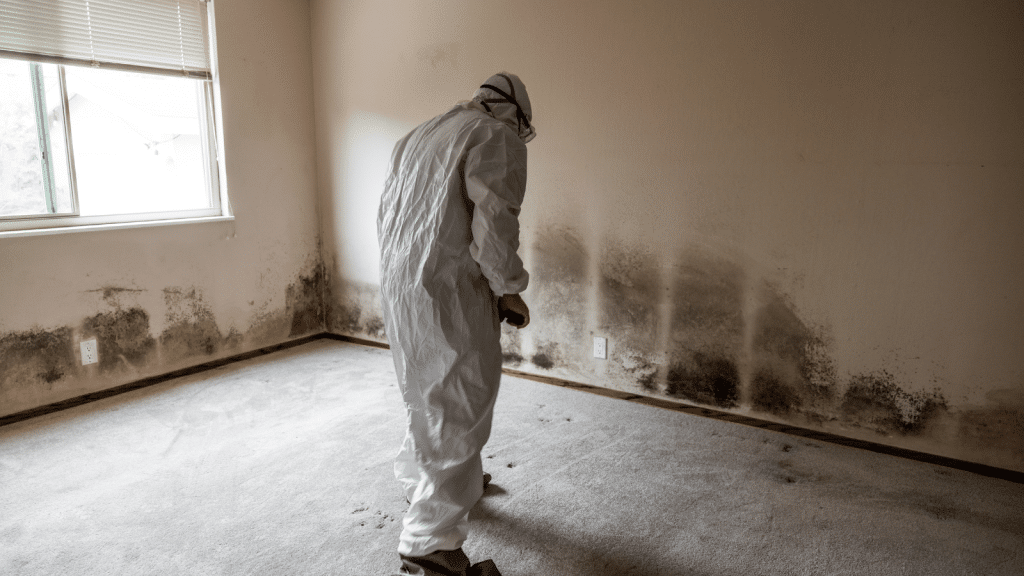
Safety first: PPE, containment, and ventilation before any cleaning
Before you touch any suspect growth, stop and set up safety measures to protect your family and home’s air. A few simple steps reduce exposure and keep spores from spreading into clean spaces.
Personal protective equipment
Start with sealed goggles, long rubber gloves, and a HEPA respirator. These items cut direct contact and inhalation risks during any cleanup.
Containment tactics
Build a small work area using plastic sheeting and tape. Seal doors, vents, and window openings to limit movement of contaminated dust.
Ventilation and air movement
Use one or two box fans in a window as an exhaust to create negative pressure. Position fans so air flows out of the contained area only and does not blow across other rooms.
- Make sure clothing is disposable or washed hot after work; keep kids and pets away.
- Lightly dampen dusty surfaces before disturbance and use a fine spray when applying cleaners.
- Never run the central HVAC system while the work area is active; bag and dispose of contaminated materials promptly.
If you need help setting up containment or choosing PPE, call me directly at (864) 710-6413. We prioritize least invasive, health-first practices before any cleanup begins.
Finding and fixing the moisture source to stop mold growth
Start by locating where moisture is entering your home. Stopping the source gives the best chance to prevent future growth.
Mold is a symptom of excess moisture. Common sources include plumbing or roof leaks, window condensation, and poor ventilation. Without fixing these pathways, the issue often returns after cleaning.
Leaks, humidity levels, and condensation around windows and walls
Identify why an area is wet: active plumbing leaks, roof leaks, groundwater intrusion, or persistent condensation near windows and exterior walls.
Measure indoor humidity and keep it below about 50% to make conditions less favorable for growth.
Water damage, ventilation issues, and prevention planning
- Improve airflow with spot ventilation and reduce clutter against exterior walls.
- Insulate cold surfaces and seal window gaps to cut condensation on sills and frames.
- Dry wet materials quickly with targeted ventilation and dehumidification after any water event.
- Fix leaks before cleaning; otherwise the problem will likely return.
- Check that bathroom and kitchen exhaust fans vent outside, not into attics or crawlspaces.
Document moisture readings or visible patterns to confirm the source is corrected prior to final repairs. Where pathways are complex, we assess and recommend the least invasive plan to restore dry, healthy conditions. Our warranty reflects that commitment to durable outcomes.
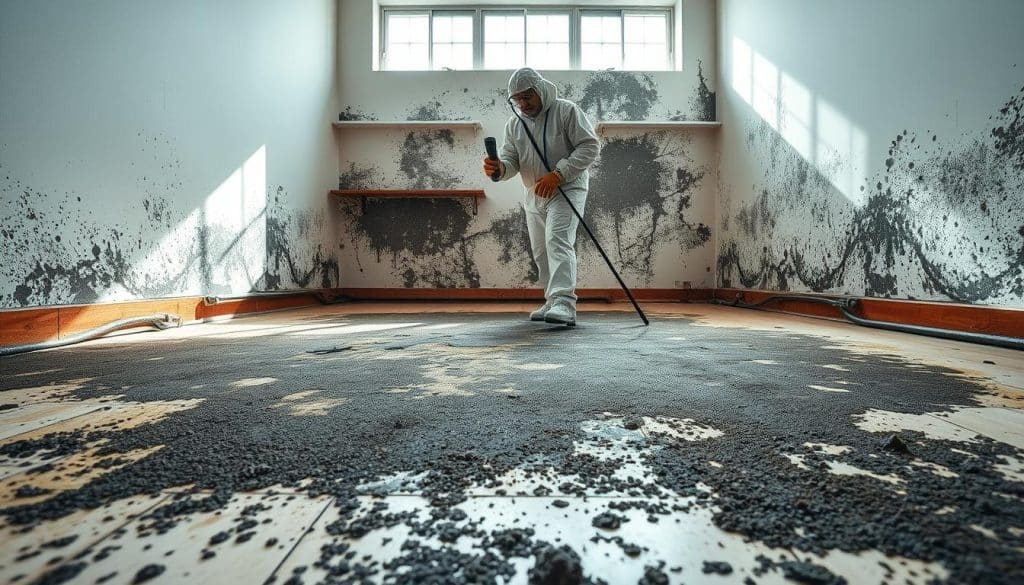
Step-by-step black mold removal methods with common household solutions
A steady, safety-first approach will get the best results when treating household growth. Start with least invasive options and escalate only if staining or damage persists. If you’re unsure, call me and I’ll advise before you begin.
Vinegar and hydrogen peroxide: spray bottle application and dwell time
Fill a spray bottle with undiluted vinegar and saturate the area. Let it sit about 60 minutes, then scrub and rinse. Repeat for stubborn stains.
For faster action, use 3% hydrogen peroxide in a bottle. Spray until wet, wait 10–15 minutes for fizzing to stop, scrub, then rinse and dry.
Baking soda paste and deodorizing benefits
For mild cleaning, mix 1/4 teaspoon baking soda in a spray bottle of water and apply. Scrub, rinse, and reapply lightly to help discourage regrowth.
Make a paste with baking soda and a little water for grout or textured spots. Let it sit 30+ minutes, then scrub and rinse to remove residues and odors.
Bleach cautions, dilution, and where it’s effective
If you choose bleach, dilute between 1:10 and 1:16 with water and use only on non-porous surfaces. Ventilate well and limit exposure to fumes. Bleach will not deeply penetrate drywall or wood.
Important safety note
- Never mix bleach with vinegar, ammonia, or acids—dangerous gases can form. Make sure surfaces are rinsed thoroughly before switching products.
- Apply controlled sprays to limit splatter. Dry the area fully with fans and dehumidifiers after cleaning.
- If staining or odor persists after several passes, pause and seek guidance—porous materials may need repair or professional care.
Surface-specific cleaning: drywall, tile, wood, and HVAC considerations
Different materials need different care—treat drywall, tile, and wood with methods that protect the surface and indoor air. Work gently and check progress frequently to avoid unnecessary damage.
Drywall and painted walls
Apply diluted cleaners lightly from the bottom up to avoid runs. Do not oversaturate drywall; excess moisture can cause swelling or paper delamination.
Allow a full air-dry after each light pass and reassess staining before repeating. Multiple light passes beat one heavy application every time.
Showers and grout
Use a nylon scrub brush or equivalent to agitate cleaners in grout lines. Scrub thoroughly, rinse fully, and dry with a fan or towel to deny spores moisture.
Wood surfaces
Start with mild dish soap and water and a soft brush. Keep passes short and remove excess moisture promptly.
Consider a light vinegar mist after cleaning and allow at least an hour to air-dry. For deep stains, a careful diluted bleach application can be used sparingly, then dry and buff.
If growth has penetrated fibers, sanding and then sealing the wood prevents future moisture intrusion and colonization.
HVAC and ventilation system concerns
Avoid DIY inside HVAC equipment—disturbing a system can spread spores through the home. Trained professionals should inspect and clean ductwork and coils.
Improve ventilation in bathrooms and kitchens with exhaust fans that vent outdoors. Confirm terminations do not discharge into the attic.
- Drywall: sparing cleaner, bottom-up, air-dry.
- Tile/grout: nylon scrub brush, rinse, dry.
- Wood: mild soap, minimal moisture, sand and seal if needed.
- HVAC: professional handling to protect indoor air.
Black mold removal
Estimating the total affected space is the practical first step before mold removal, cleanup, or repair. The EPA-style guideline many professionals follow says areas greater than about 10 square feet should be handled by trained crews.
Use the ten-square-foot rule to separate small DIY-friendly patches from larger projects that warrant a professional approach. Multiple small spots in one room can add up to a larger area, so measure carefully.
- Square feet help you decide: under 10 square feet is often manageable; over 10 may need engineering controls.
- Larger areas can release more spores during disturbance and raise health risks and cross-contamination.
- Over-threshold jobs often involve hidden wet materials or cavities that complicate safe work.
- Professional mold teams use HEPA filtration, containment, and proper waste handling to protect your home and health.
If your estimate is close to the guideline or you’re unsure how big the true area is, I can assess the scope and give clear options that fit your budget and safety goals. Call (864) 710-6413 for a quick consult and a practical plan.
When to call a professional mold expert in the Upstate
Recurring staining, spreading growth, or new health symptoms mean it’s time to call a pro. If cleaning doesn’t stop the issue, a trained inspection can find hidden moisture and the true scope of the problem.
Professional help is recommended for these situations: HVAC or ventilation system concerns, areas larger than about 10 square feet, water from contaminated sources, and when occupants have allergies, asthma, or weakened immunity.
- Widespread staining, strong musty odors, or recurring growth after DIY attempts.
- Health issues such as wheezing, headaches, or worsened asthma—these call for containment and expert protocols.
- Suspected hidden cavities, damp insulation, or growth behind walls—specialized inspection avoids needless demolition.
- Mold near or inside the HVAC/system—professionals prevent spread through living areas.
- Major water events, especially with contaminated water—follow professional procedures for safe cleanup.
I personally answer every call and visit. With hundreds of remediations and expert witness experience, I’ll help you choose the least invasive, safest path forward.
Contact Douglas at (864) 710-6413 or scmoldremoval@gmail.com for a focused assessment and a clear plan for your area.
Why choose Array of Solutions for professional mold and water damage help
Choosing a trusted local partner matters when water damage affects your home and indoor air. I founded Array of Solutions in 2007 and have served the Upstate for over 20 years.
We deliver least invasive, most effective air quality solutions and back work with a transferable warranty. Our goal is to fix the source, limit spread, and verify the space is dry before final repairs.
Direct owner response and focused service
I handle every inquiry personally. Call Douglas Ray Whitehead at (864) 710-6413 or email scmoldremoval@gmail.com for quick, experienced help.
Local expertise since 2007
- Work directly with the owner—no handoffs—from first call to final walkthrough.
- We pair source correction with precise cleaning to protect your home and air.
- Over 1,000 inspections and hundreds of remediations inform practical, code-aware repairs.
- We address ventilation and windows pathways to help prevent recurring growth.
Whether the concern involves common stains or stachybotrys chartarum after a water event, we match controls and cleaners to the material and risk. Your safety is my future.
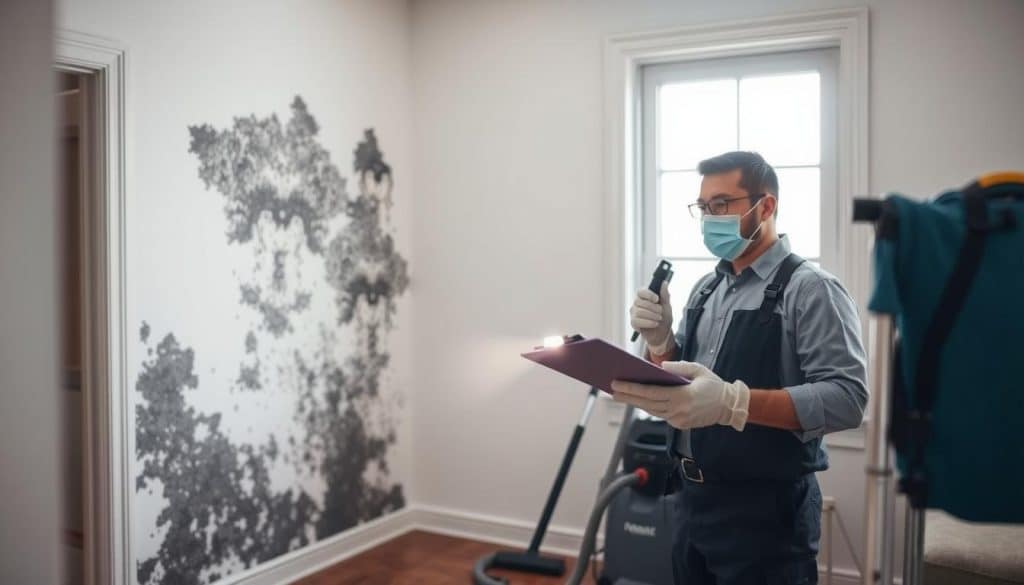
Conclusion
Wrapping up, the right plan keeps your home safe and the indoor air healthy. Pair careful cleaning with good ventilation and quick drying to stop moisture and limit spores.
Use PPE like gloves, apply cleaners with a spray bottle, allow proper dwell time, and finish with fans or dehumidification. Match the method to the surface—vinegar or hydrogen peroxide for many spots, baking soda paste for deodorizing, and diluted bleach only where appropriate.
If the affected area grows, odors persist, or health concerns arise, call for professional help. For a quick consult or onsite assessment, contact Douglas Ray Whitehead, Array of Solutions at (864) 710-6413 or scmoldremoval@gmail.com. We prioritize safety and back our work with a transferable warranty.