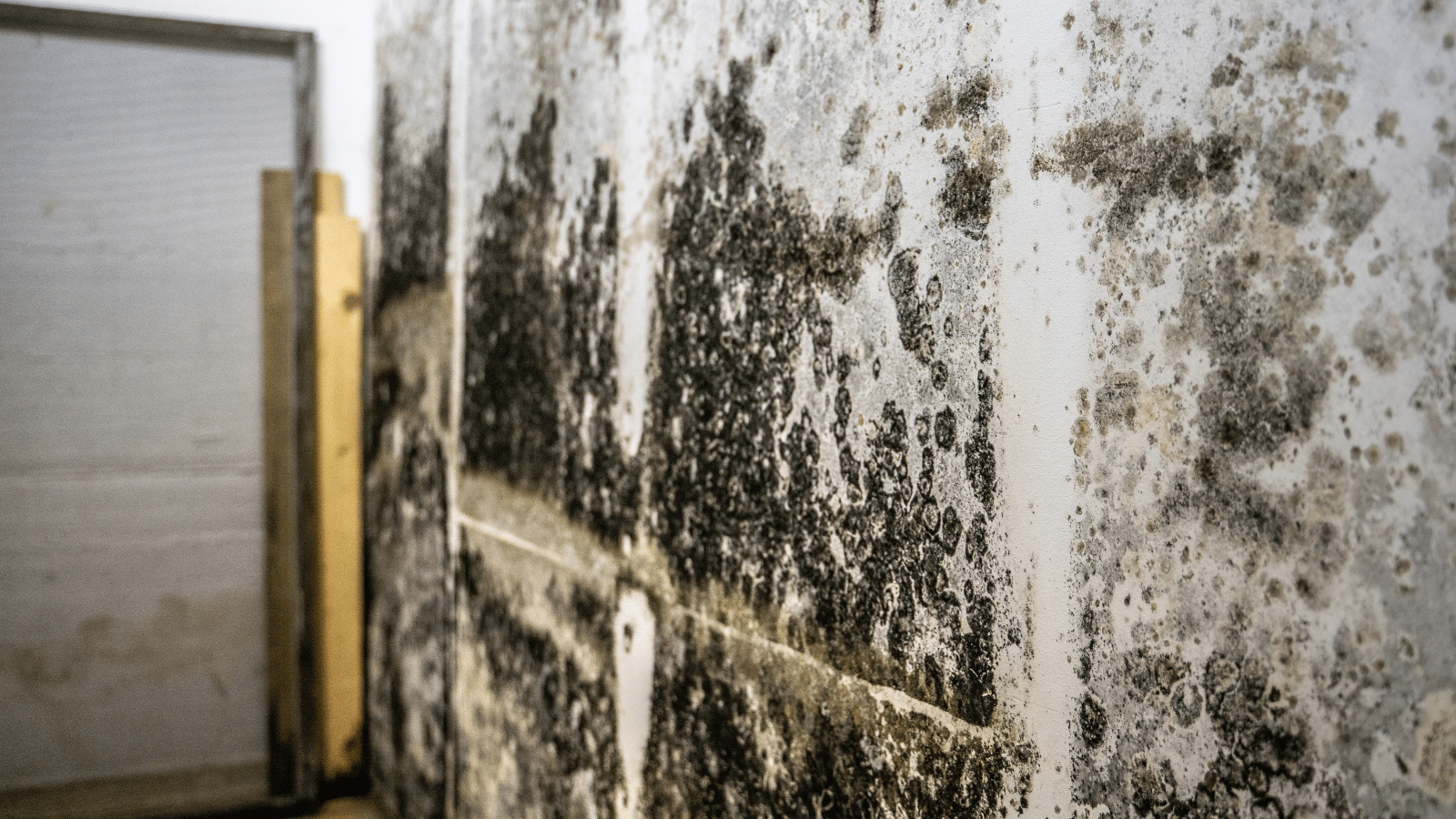
Have you ever wondered why small damp spots in your home turn into persistent, unhealthy growth so quickly?
I’m Douglas Ray Whitehead, owner-operator of Array of Solutions. I handle every inquiry personally—no call centers, no handoffs. Since 2007 we’ve served Greenville, SC and the Upstate with over a thousand inspections and hundreds of remediation jobs.
This short guide explains bathroom mold removal, showing when a DIY approach works and when to call a pro. You’ll get proven cleaning ratios, essential PPE, and step-by-step tips for ceilings, painted walls, and sensitive stone finishes.
My promise: I offer the least invasive, most effective air-quality solutions and back workmanship with a transferable warranty. Your safety is my future—call (864) 710-6413 or email scmoldremoval@gmail.com for direct help.
Key Takeaways
- Learn safe DIY methods and exact solution ratios for common home spots.
- Understand how moisture, warmth, and darkness drive growth and harm air quality.
- Find cautions for stone and porous materials to avoid damage.
- Know when to call an expert for persistent odor or spreading areas.
- Receive practical, least invasive solutions backed by a transferable warranty.
Why Bathrooms Breed Mold and Why It Matters Today
Steam and poor airflow turn once-clean rooms into persistent hotspots almost overnight. In many homes, repeated showers drive humidity into grout, caulk, and unseen crevices. Those warm, damp pockets give spores what they need to grow and spread.
Moisture, warmth, and darkness—the growth trio
Warm air holds moisture. Low light and tight corners let dampness linger. Together they create ideal conditions for growth on ceilings, under vanities, and behind fixtures.
Health implications and why early action helps
Health matters now: exposure can trigger allergic reactions, coughing, and eye or skin irritation. People with asthma, young children, and seniors face higher risks.
- Look for musty odors, discoloration, or recurring spots after cleaning.
- Improving ventilation is a core solution, but fix the underlying moisture source to stop the cycle.
- Early detection protects the building and reduces the number of airborne spores in your home.
As an Environmental Consultant I work with Greenville and Upstate owners to find hidden wet pathways before minor issues become costly. Acting early is the best long-term solution.
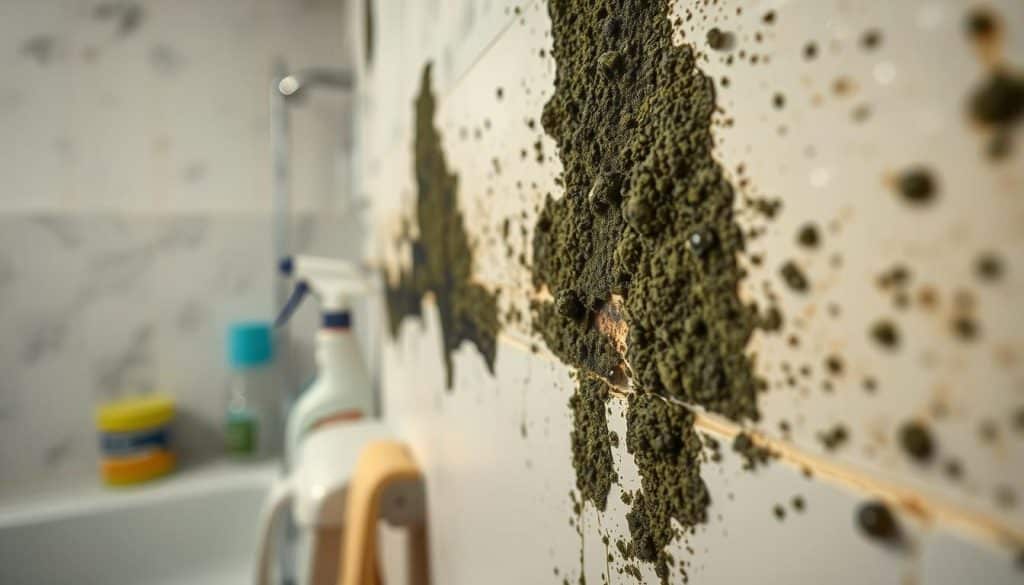
Bathroom Mold Removal: Safety First and Proper PPE
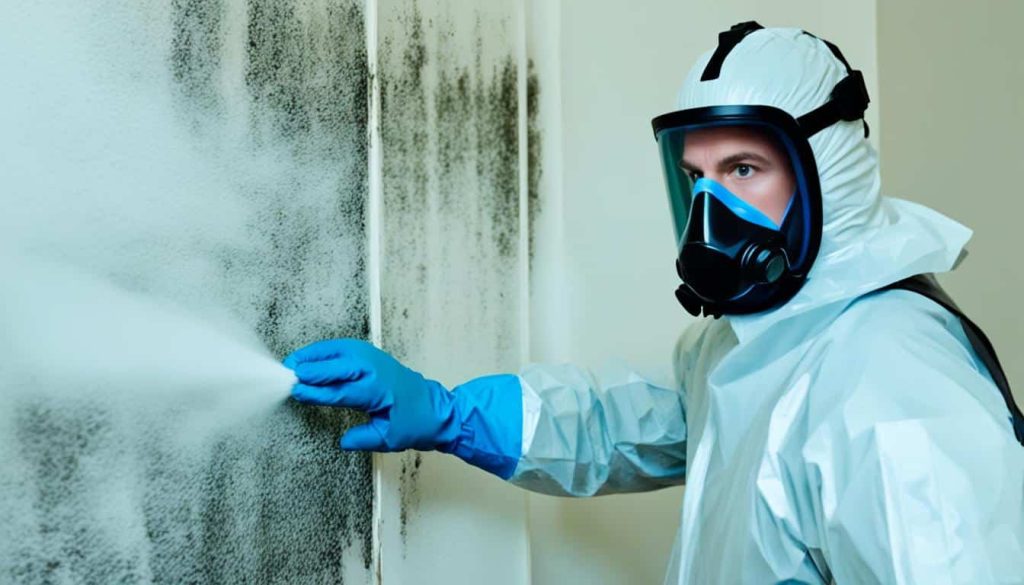
Safety comes first: disturbing growth without gear can send particles into the air. Before starting any cleaning, kit up and plan containment to protect yourself and the home.
Essential personal protection
- Wear nitrile or rubber gloves, sealed goggles, and a respirator (N95 or better) to limit exposure to mold spores during bathroom cleaning.
- For larger jobs, use a disposable suit to keep spores off clothing and reduce cross‑contamination.
- Keep dedicated spray bottles and label each solution to avoid dangerous mixes of products.
- Close doors, cover vents, and run ventilation to the outdoors to protect indoor air.
- Bag rags, sponges, and compromised caulk in heavy-duty plastic and seal before removal.
- Limit dust by misting before disturbance and use a HEPA vac on dry debris when available.
If you find widespread staining, warped drywall, or a persistent musty odor in the area, please call professional help. I answer questions directly and will guide next steps when safety or scope is uncertain.
Proven DIY Cleaning Solutions and Mixing Ratios
Start with proven cleaning mixes that balance safety and effectiveness for small, defined spots. Use the least invasive option that will do the job and keep personal protection on.
Bleach and common household choices
Bleach solution: mix one part bleach to four parts water (or 8 ounces per gallon). Apply to non-porous surfaces, allow contact time, then rinse and dry.
Vinegar, baking soda, and borax
Vinegar: use straight or dilute 1:1 with water. Spray, let sit 10-15 minutes, then wipe; repeat for embedded films. Avoid using acidic vinegar on stone like marble or granite.
Baking soda paste: combine baking soda with a small amount of warm water to form a spreadable paste. Apply to grout or stubborn deposits, scrub, and rinse.
Borax: dissolve 1 cup borax in 1 gallon of warm water. Load into a spray bottle, apply, lightly scrub, then wipe or rinse. A light borax residue can slow quick regrowth.
- Keep each solution in clearly labeled spray bottle containers to prevent accidental mixing.
- Never mix bleach with vinegar, ammonia, or other products — off‑gassing is dangerous.
- For extensive staining or recurring colonies, consider commercial products with fungicidal claims or call a pro; unresolved moisture will bring back growth.
Step-by-Step: How to Remove Mold on Common Bathroom Surfaces
Tackling affected ceilings, tile, and fixtures starts with clear safety steps and the right cleaning order. Set ladder feet securely and wear goggles and a respirator before you begin.
For ceilings and painted walls, use a spray bottle with your chosen solution, let sit a few minutes, then gently scrub with a soft brush or cloth. Rinse with clean water and dry each small section to avoid over-wetting and paint damage.
Tile and grout respond well to a spray, short contact time, and a nylon brush or old toothbrush for grout lines. For stubborn stains, make a paste of baking soda and warm water, apply, scrub, then rinse thoroughly.
Showers, tubs, sinks, and toilets are non-porous; a dilute bleach or borax solution works well. Allow the solution a few minutes of contact, then rinse and dry to prevent residue and streaking.
- Do not use acidic vinegar on marble, granite, or natural stone; choose borax or dilute bleach to avoid surface damage.
- If paint bubbles, drywall sags, or an area keeps returning, call me to evaluate porous or textured surfaces and propose a least invasive plan.
- Finish by re-caulking cracked beads and running a fan to speed drying and reduce humidity peaks.
Preventing Mold Return: Moisture Control, Ventilation, and Daily Habits
Simple daily routines shrink humidity peaks and stop most regrowth before it starts. Focus on consistent air changes, quick dry-downs, and fast fixes for leaks to protect finishes and indoor air.
Run exhaust fans and improve air changes
Run the fan during showers and for at least 20 minutes after use. A fan or small quiet unit helps exchange moist air and stabilize humidity in your home.
Squeegee, wipe-downs, and quick dry steps
Keep a squeegee and microfiber cloth in reach. Wiping glass and tile after each use cuts water film and reduces the time spores need to take hold.
Fix leaks fast and schedule touch-ups
Repair leaks under sinks, at toilet bases, and around valves as soon as you spot them. Establish a weekly bathroom cleaning routine focused on grout and high‑splash zones to deny mold a foothold.
- Open the door briefly after use for cross-ventilation.
- Use a dehumidifier in interior spaces with no windows.
- Monitor humidity; aim 40–50% in living areas.
If odors or returning spots appear despite good habits, I can evaluate hidden water pathways and recommend least invasive solutions for Greenville-area homes.
When to Call a Professional for Mold in the Bathroom
If growth covers more than a few square feet or returns after cleaning, you should call professional help. Large patches on porous materials often hide water damage that needs controlled repair.
When to get an expert:
- Growth spanning a large area, or affecting drywall, MDF cabinetry, or unsealed wood.
- Strong, persistent odors, visible spreading, or symptoms like coughing or eye irritation that affect health.
- Soft, stained walls that suggest active water damage behind finishes.
- If you suspect toxic black mold, avoid disturbance and seek assessment to limit airborne spores.
- Multiple areas affected across your home point to systemic moisture issues needing a comprehensive plan.
I personally assess scope and give clear answers. If mold removal is recommended, we deliver the least invasive, most effective remediation and back workmanship with a transferable warranty.
For direct help in Greenville and the Upstate, call (864) 710-6413 or email scmoldremoval@gmail.com.
Why Upstate Homeowners Trust Array of Solutions
Trust grows when a service owner answers the phone and stands behind every inspection and repair. I’m Douglas Ray Whitehead, owner of Array of Solutions, and I handle all inquiries personally.
Contact the owner directly
Call me: (864) 710-6413 or Email: scmoldremoval@gmail.com. Fast, clear guidance from the first call saves time and expense.
Proven experience since 2007
We’ve completed thousands of inspections and hundreds of remediation projects across Greenville and the Upstate. That field experience shapes practical solutions for homes and businesses.
- Technical depth: I serve as an Expert Witness in Greenville County Courts and bring contractor and home‑inspector know‑how.
- Least invasive methods: We protect finishes in the bathroom and other rooms while resolving the cause of water damage and air issues.
- Transferable warranty: Workmanship is backed to protect your health and resale value.
We design targeted products and processes that fix moisture pathways, improve ventilation, and reduce recurrence. Your safety is my future—call for a local, personal evaluation.
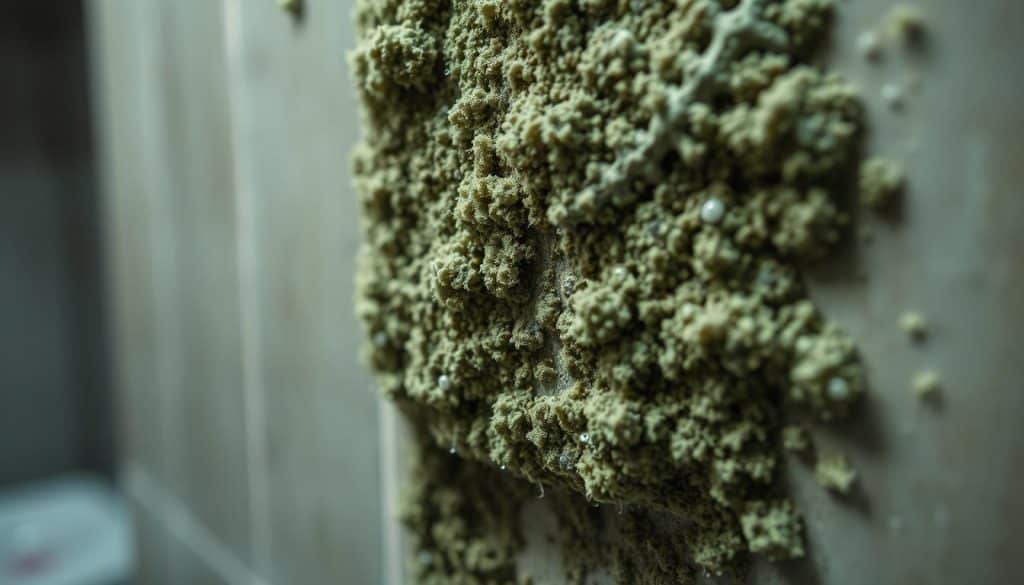
Conclusion
A clear plan and the right ratios keep small growth from becoming a long-term home problem.
To get rid of small, non-porous spots: choose a compatible solution, apply with a spray bottle, let sit for the recommended minutes, then brush, scrub, rinse, and dry. Proven mixes work—bleach 1:4, vinegar straight or 1:1 for 10–15 minutes, borax 1 cup per gallon, and a baking soda paste for grout.
Protect stone and soft walls, run a fan to cut humidity, and re-caulk after repairs to prevent return. If areas keep returning or odors persist, the mold problem likely comes from hidden water and needs professional removal.
I’ll respond personally to help you get rid of growth, plan the least invasive solutions, and back work with a transferable warranty. Call (864) 710-6413 or email scmoldremoval@gmail.com.