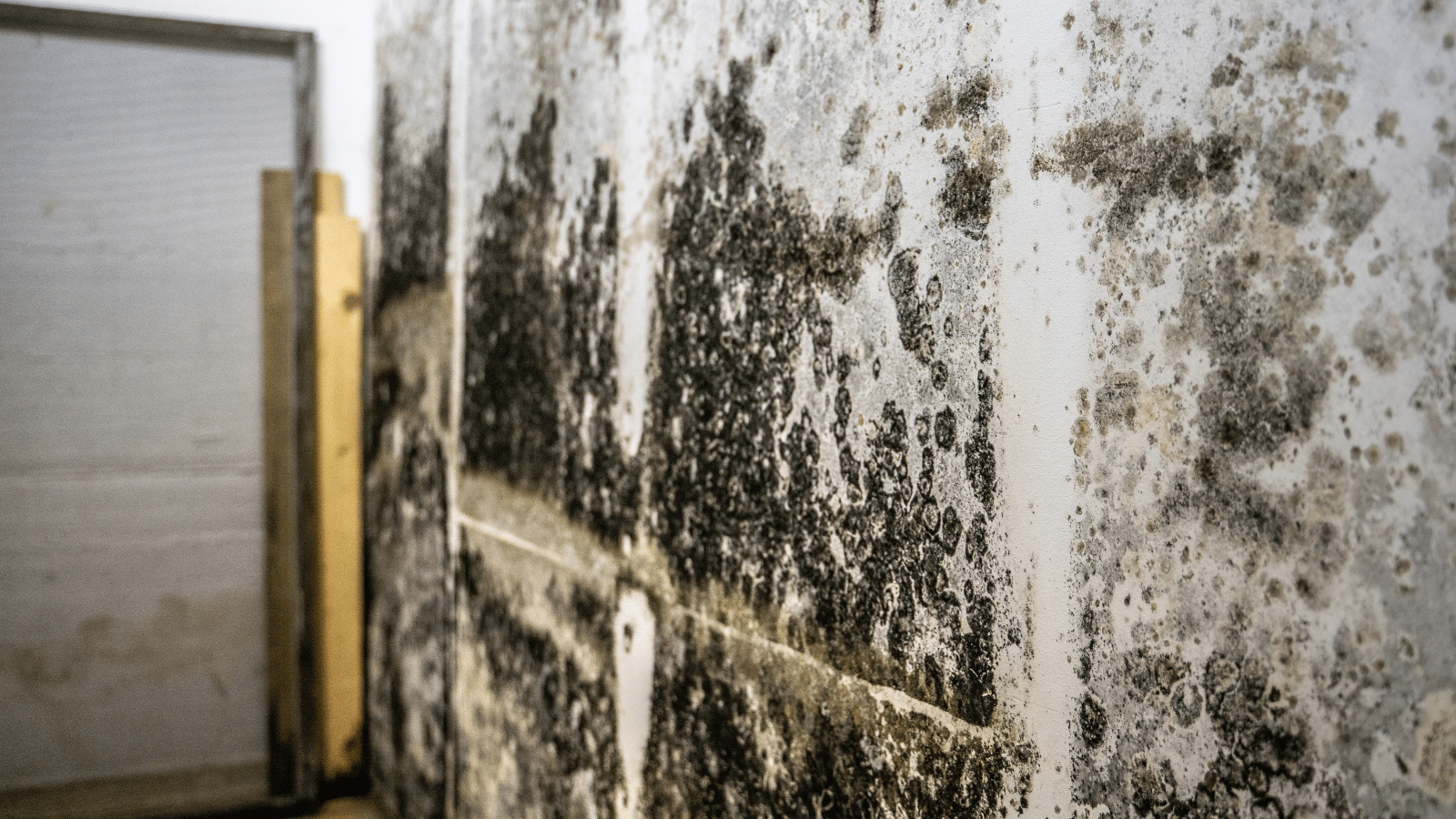
Have you ever wondered whether a simple fix will protect your home or how Basement Waterproofing Cost compares when the problem needs a full overhaul?
I’m Douglas Ray Whitehead, owner of Array of Solutions in Greenville, SC since 2007. I handle every inquiry personally—no call centers—and I focus on safe, least invasive air and moisture solutions with a transferable workmanship warranty. Call me at (864) 710-6413 or email scmoldremoval@gmail.com for a precise, transferable workmanship warranty and a plan that protects your home with minimal disruption.
Nationwide, the average project lands near $5,228, with many jobs between $2,459 and $8,186. Some jobs are simple interior seal work near $1,000; others need full exterior excavation and drainage that can exceed $20,000.
We explain options from quick symptom control to long-term prevention, and why timing matters—spring demand can delay crews and affect pricing. I act as an environmental consultant and Expert Witness in Greenville County Courts for mold cases, and I’ll personally assess your situation, outline less invasive choices first, and recommend when a deeper investment is warranted.
Key Takeaways
- Typical national average is about $5,228, but ranges widely by severity.
- Early planning can reduce delays and help stabilize pricing during spring demand.
- Array of Solutions offers honest, safety-first guidance with a transferable warranty.
- I provide a personal assessment and clear options without high-pressure sales.
- Better moisture control can improve indoor air and lower energy loads.
Buyer’s Guide Overview: What Homeowners Should Know at the present
Spotting the right warning signs early can save you time, expense, and future repairs. Look for efflorescence on walls and floors, water pooling near the foundation outdoors, rust on metal, musty odors, water stains, or standing water after storms.
We show you how to evaluate current conditions with clear steps: identify visible signs, trace typical moisture pathways, and note what each sign suggests about underlying problems.
High-level comparisons help you see when interior measures suffice and when exterior work or combined approaches are needed. We also cover common waterproofing methods so you can assess long-term value.
- What a professional assessment includes: moisture readings and source tracking.
- How upfront planning limits scope creep and unexpected restoration costs.
- When health risks like mold mean you should call an environmental consultant.
I’ll speak with you directly to tailor recommendations to your home and health. Our goal is least-invasive solutions first, then escalation only when evidence shows it protects your property best.
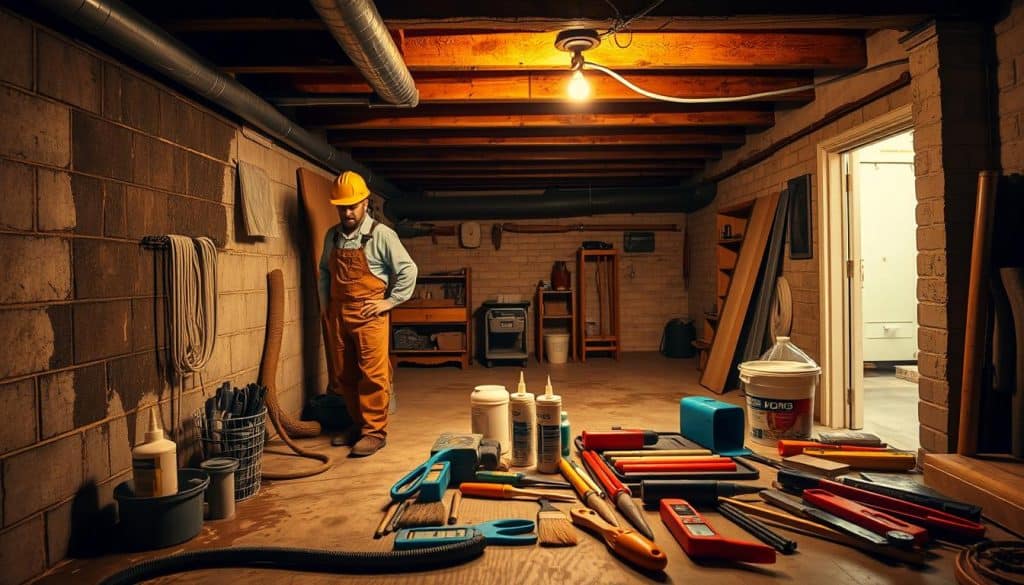
Average Cost Breakdown at a Glance
A clear view of typical ranges makes it easier to compare quotes and avoid surprises.
National medians sit near $2,459 to $8,186, with most homeowners paying about $5,228 on average. Small, targeted repairs—like crack injections or a coating—can run near $1,000. At the opposite end, full exterior excavation with membrane and French drains can exceed $20,000.
How do you know which path fits your property? We look at symptoms first and suggest least-invasive measures when they will be effective. If water entry is chronic or structural, a full system is often required for long-term protection.
Where projects typically fall
- Entry-level: sealing, patching, and paint—useful for minor seepage and cosmetic issues.
- Mid-tier: interior drains and sump systems—common when periodic pooling or heavier flows occur.
- High-end: exterior excavation, membranes, and landscape restore—needed for persistent, deep-source problems.
Practical tip: Request multiple, itemized quotes and check warranty terms. Regular maintenance—pump tests and backups—affects lifetime affordability and performance.
What Drives Your Basement Waterproofing Cost
Not all projects are equal—site conditions and structure type change the work and the price.
Foundation type & condition: Poured concrete is usually easier to seal than block, which has more joints and can need extra repairs. Typical foundation repairs range from $2,000–$8,500; underpinning can reach $25,000+
Size and depth: Larger footprint and deeper excavations increase materials, labor, and disposal. Excavation averages $50–$200 per cubic yard, so depth makes a quick impact.
Method selection: Interior systems often average near $3,000 while exterior approaches commonly start around $7,000. We explain trade-offs for performance, disruption, and lifecycle.
- Location factors: Local labor, soil type, permits ($75–$500), and codes affect scheduling and pricing.
- Severity of water damage: Minor seepage needs less prep; active flooding adds tear-out, sanitation, and restoration ($1,360–$6,290 typical).
- Finished spaces: Demo and rebuild planning raise scope and costs quickly.
We assess each driver on site, explain options plainly, and prioritize the least invasive path that ensures lasting protection.
Basement waterproofing cost per linear foot and per square foot
Knowing how contractors charge by length or area makes comparing basement waterproofing bids much simpler. We’ll help you translate per-linear and per-square figures into a clear, itemized estimate so you know exactly what you’re paying for.
Per linear foot pricing: what those numbers usually include
Typical projects range $50–$125 per linear foot depending on method and site access. Labor often adds $30–$40 per linear foot.
- Interior weeping tile: commonly $60–$120 per linear foot.
- Subfloor drain tile: often $25–$55 per linear foot.
- Line items to expect: excavation, material, drainage tile, and restoration allowances.
Per square foot pricing: coatings and membranes
Coatings and membranes are usually priced per square foot at about $1–$8 per square foot. Prep and substrate condition drive the upper end.
Tip: Ask contractors to normalize bids by listing linear footage, square footage covered, labor, and add-ons like sump pits, pumps, and discharge lines. That makes apples-to-apples comparison easy and transparent.
Method-by-Method Costs and When to Use Each
Choosing the right repair path means balancing disruption, performance, and how long the fix will last. Below we walk you through common approaches and the scenarios where each shines.
Exterior excavation, membranes, and French drains
Best for deep or persistent entry points. Exterior work often needs heavy machinery and can take one to two weeks. Expect excavation at about $50–$200 per cubic yard and French drains at $10–$100 per linear foot.
Interior drainage and sump systems
Interior weeping tile systems run roughly $60–$120 per linear foot; subfloor drains are $25–$55 per linear foot. These route water to a sump and are effective symptom-management solutions.
Crack injections, surface treatments, and pumps
Crack injections cost about $800–$1,500 per stable crack and work when movement is not present. Waterproof paints and vapor barriers range $1–$8 per square foot or $1,500–$3,000 for larger installs. Sump pump installation is typically $1,200–$2,500; add battery backups for outages.
- We define when exterior approaches are long-term defenses and what yard restoration involves.
- We explain interior drainage as a less invasive option with quick benefits.
- We help you weigh longevity, maintenance, and disturbance to pick the right method for your walls and lower level.
Interior vs. Exterior Waterproofing Costs
Deciding between interior repairs and exterior fixes starts with your home’s risk profile and long-term goals.
Interior averages ($2,000–$6,000)
Interior work usually treats symptoms. These systems run $2,000–$6,000 and give quick relief.
They need ongoing care like semi-annual pump checks and periodic cleaning. For many homes, this is a practical, lower-disruption choice.
Exterior averages ($7,000–$15,000)
Exterior approaches focus on prevention by stopping water at the source.
Exterior waterproofing often requires excavation and yard restoration. Expect $7,000–$15,000 and longer timelines, but stronger long-term protection.
Combining both ($8,000–$18,000)
A hybrid strategy pairs exterior defense with interior fail-safes. Combined plans cost $8,000–$18,000.
Value comes from layered protection and reduced risk of repeat repairs, especially for finished or frequently used lower levels.
- We outline ranges and the difference between managing water after entry versus stopping entry.
- Maintenance: pump testing, cleaning, and backup power matter for resilience.
- Plan for landscaping and hardscape restoration when you choose exterior work.
- Hybrid plans make sense where risk or use justifies extra peace of mind.
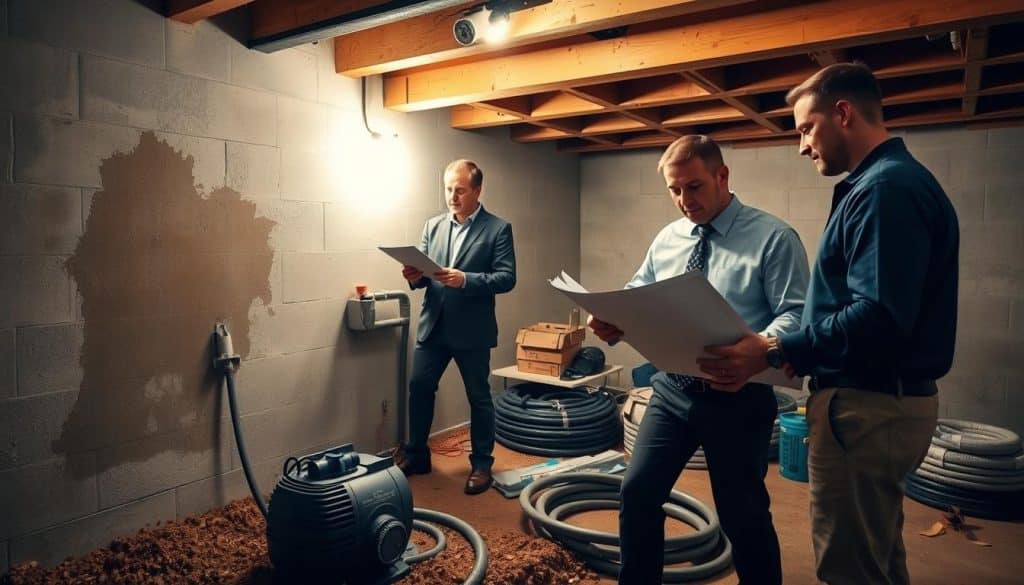
Pricing by Size and Linear Foot Examples
Estimating budgets by size helps you turn vague quotes into usable plans.
Typical size scenarios
Below are real planning ranges for common areas. Use them to set expectations and ask for itemized bids.
Typical budgets by size: 500 SF — $1,500–$5,000; 1,000 SF — $3,000–$10,000; 1,500 SF — $4,500–$15,000; 2,000 SF — $6,000–$20,000.
How perimeter and depth shift labor and materials
Square footage drives treatments priced per square, while perimeter length controls drainage priced per linear.
Labor often averages about $200/hour, and installation labor per linear foot typically runs $30–$40. Deeper footings add excavation time and disposal fees, raising overall costs.
- Square vs. linear: per square items cover coatings; per linear work covers drainage lines.
- Obstructions, corners, and tight side yards slow crews and raise production per foot.
- Combining selective exterior work with interior drains can keep budgets aligned to the chosen level of protection.
- Measure area and perimeter and sketch a simple plan to get fast, accurate, itemized estimates.
Labor, Permits, and Scheduling Considerations
How a job is scheduled often depends on crew availability, permit windows, and seasonal weather. Labor typically averages about $200 per hour, with installation adders of $30–$40 per linear foot built into bids.
Many crews book out up to three months during wet seasons. That affects both start dates and pricing in your location.
Permits and inspections usually run $75–$500. Typical permits cover excavation, electrical hookups for pumps, and final inspections to verify code compliance.
- We explain how labor is calculated for your scope and why access, complexity, and seasonality affect scheduling.
- We cover common permitting needs and how inspections protect your home and investment.
- We communicate lead times, daily arrival windows, and staging so you can plan household routines.
- We handle unforeseen conditions transparently to avoid surprises and costly change orders.
- Cleanup standards include dust control and HVAC protection during interior work; we coordinate with inspectors to meet rules the first time.
I schedule and communicate with you directly to minimize disruption, explain inspection steps, and keep the project on track. Our goal is clear pricing and timely execution so professionals and homeowners can rely on predictable outcomes.
Add-On Items & Hidden Repairs That Change the Final Price
When crews open finished spaces, they frequently find repairs that must precede any moisture work. We start by separating structural needs from symptom control so the final plan protects your investment and family health.
Foundation repairs and underpinning
Foundations with active movement or large cracks often need repair first. Typical repairs run $2,000–$8,500, and underpinning can rise toward $25,000 when footings must be stabilized.
Tear-out and restoration of finished spaces
Finished walls, flooring, and built-ins increase scope. Demo, drying, and rebuild planning add time and affect overall costs.
Gutters, grading, and downspout extensions
Exterior water management reduces pressure on foundation walls. Gutters and extensions usually range $650–$1,750+, and proper grading often prevents recurrent issues.
Mold remediation and air quality controls
Mold work runs $500–$3,500 depending on extent. As an environmental consultant, I emphasize air quality controls during remediation to protect your household.
Window wells and egress openings
Window wells and egress installs commonly run $2,000–$5,000 per opening when paired with improved drainage to prevent water damage.
- Sequencing: structural fixes first, then mitigation.
- Budget allowances: set contingencies for hidden conditions.
- Clear communication: we keep homeowners informed to avoid surprises.
DIY vs. Hiring Professionals: Cost, Risk, and Warranty
Deciding whether to tackle repairs yourself or hire a trained crew starts with knowing what you can safely manage.
I’ve completed over a thousand inspections and hundreds of remediations, so I recommend clear boundaries. Homeowners can handle dehumidifiers, gutter cleaning, minor crack sealants, and repainting to slow moisture entry.
The real heavy work — interior drains, excavation, sump pump installs, and structural fixes — belongs to licensed professionals. These systems need equipment, permits, and experience to perform reliably.
Mistakes have hidden expenses: wrong slopes, poor discharge, or improper sealing can worsen problems and raise repair bills later.
- Do-it-yourself: maintenance tasks and preliminary cleanup that reduce immediate risk.
- Hire pros for drainage, excavation, and electrical or structural work to protect warranties.
- Hybrid approach: owners prepare and pros install core systems for best value and longevity.
Document scopes and warranties so you know what workmanship and product guarantees cover. When resale or safety matters, professional installation often delivers the most long-term value for homes and families.
Value, ROI, and Longevity: Choosing the Most Cost-Effective Path
Long-term planning for moisture control delivers measurable returns in avoided repairs and everyday comfort. A robust plan can prevent catastrophic foundation repairs that top $25,000 and limit mold remediation bills that range $500–$3,500.
We focus on the least invasive option that gives durable protection and a transferable workmanship warranty. That warranty can help future buyers and protect your investment.
Improved humidity control reduces HVAC load and raises comfort. A dry, usable basement adds livable space and can boost resale value.
- Short vs. long term: quick fixes may save now but repeat costs add up; long-term solutions reduce recurring expenses.
- Avoided expenses: quantify saved foundation work, repeated cleanups, and mold remediation when water is stopped at the source.
- Lifespan & maintenance: expected performance varies by method; scheduled upkeep extends service life and protects average return.
Our goal is a pragmatic plan that balances disruption, longevity, and value so your home stays safe and marketable for years.
Why Upstate Homeowners Choose Array of Solutions
For more than two decades I’ve lived and worked here, so I know how our soils and storms affect homes. I founded Array of Solutions in 2007 and bring field experience as a contractor, home inspector, and Expert Witness.
We focus on environmental consulting for water and mold issues. Our approach favors the least invasive option that still delivers long-term results. We match proven systems to common foundation types—poured concrete or block—so solutions fit the site and structure.
- Local presence: deep knowledge of Greenville codes, soil patterns, and seasonal risks.
- Personal service: you’ll speak directly with me from inspection through follow-up.
- Health-first work: moisture control integrated with air quality measures for safer living spaces.
- Tailored repairs: experience across foundations and concrete details leads to right-sized systems.
- Standards you can count on: clean job sites, clear communication, and a transferable workmanship warranty.
I stand behind every job and explain choices so homeowners get practical, durable protection for their lower levels. Our goal is reliable results with minimal disruption and clear accountability.
Speak Directly with Douglas Ray Whitehead—Owner and Expert Witness
If you prefer to skip the guesswork, speak with the person who inspects, plans, and guarantees the work.
I handle every inquiry personally. Call (864) 710-6413 or email scmoldremoval@gmail.com and I will walk you through the inspection, written plan, and expected timeline.
Typical timelines and budgets vary by scope—many projects fall between $2,459–$8,186+. Labor books up quickly during wet seasons, so a direct conversation helps fast-track assessment and scheduling.
- Contact me for a no-pressure consultation and a straightforward plan for your basement.
- Prepare photos, basic measurements, and a short history of water events to speed clarity.
- I’ll review options, compare pricing and costs, and recommend the best-fit waterproofing path for your home.
- We explain scheduling, milestones, and safety protocols so there are no surprises during work and cleanup.
- My commitment: clean sites, attentive follow-up, and a transferable workmanship warranty you can trust.
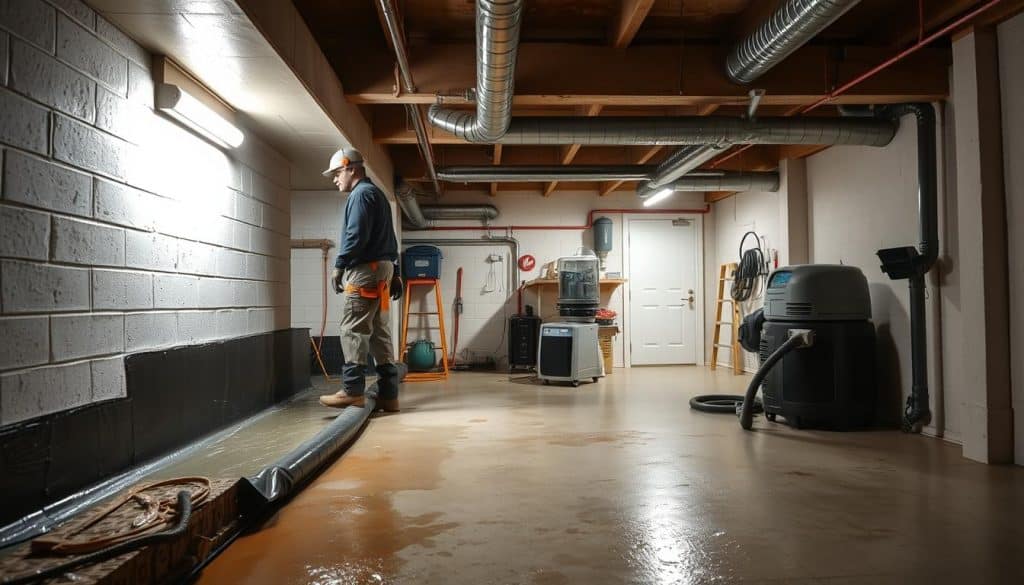
Conclusion
A clear plan makes addressing moisture issues faster, less disruptive, and more cost-effective.
Read estimates by separating per linear and per square items so you know what pays for drainage, membranes, or coatings. The main drivers are foundation condition, size and depth, chosen method, location, and existing water damage.
Interior strategies often give good value for symptom control. Exterior solutions protect concrete and foundations longer when source control matters. The right balance weighs upfront price against durability, maintenance, and future repairs.
Act at the first signs—stains, cracks, or musty odors—to avoid larger problems. Professional planning, quality materials, and properly designed drainage systems reduce lifetime waterproofing costs and risk.
Array of Solutions is ready to help choose the least invasive, most cost-effective plan with a transferable workmanship warranty. Call (864) 710-6413 or email scmoldremoval@gmail.com—your safety is my future.
FAQ
What influences the price to protect a basement from water intrusion?
Several factors drive pricing: foundation type (poured concrete vs. block), size and depth of the space, severity of water entry, chosen approach (interior management vs. exterior prevention), soil conditions, local labor rates, permit needs, and any required structural repairs. Each factor changes materials, excavation, and labor so estimates vary widely.
How much should I expect to pay per linear foot for perimeter drainage systems?
For a typical interior perimeter drain and weeping tile installation, expect roughly $50–$125 per linear foot. That price usually includes channeling, drainage pipe, and basic labor. Exterior excavation and membrane work runs higher and adds excavation and disposal costs.
What are typical per-square-foot prices for coatings and membranes?
Surface coatings and vapor barriers commonly range from $1 to $8 per square foot. Low-end paints and simple vapor barriers sit near $1–$2/SF; professional membranes and applied systems fall toward the top of the range and may require surface prep and primers.
When will a simple fix be sufficient versus a full-scale system?
Simple fixes suit shallow seepage, localized cracks, or minor humidity issues—examples are crack injections, epoxy seals, or interior coatings. Full systems are needed for heavy groundwater, active leaks, hydrostatic pressure, or when the yard drains to the foundation; those require drainage, sump pumps, and sometimes exterior membranes or excavation.
What are the national average price ranges I should expect?
National ranges vary: smaller interventions start near $2,459 while extensive exterior projects can exceed $8,186. A reasonable average for many comprehensive projects sits around $5,000–$5,228, but local conditions in Greenville, SC can push estimates up or down.
How much does an exterior excavation and membrane installation cost?
Exterior excavation with membranes and French drains can run widely, often $10–$100 per linear foot for trenching and materials, plus soil removal costs commonly quoted per cubic yard (for example $50–$200/yd³ depending on access and disposal). Accessibility and landscaping restoration influence final pricing.
What should I budget for interior drainage and a sump pump system?
Interior drainage and weeping tile installations typically fall between $25–$120 per linear foot. A professionally installed sump pump system often costs $1,200–$2,500 including a basin, pump, and basic backup options; adding battery backups or higher-end pumps raises the price.
Are crack injections effective and how much do they cost?
Epoxy or polyurethane crack injections are effective for stable, non-structural cracks. Typical pricing is $800–$1,500 per crack, depending on accessibility, length, and prep work. Structural cracks or shifting foundations require more extensive repair.
What are the cost differences between interior-only and exterior-only approaches?
Interior-only approaches (symptom management) generally average $2,000–$6,000 and handle water already inside. Exterior-only prevention, which stops water before it reaches the foundation, runs higher—often $7,000–$15,000—because of excavation and yard repair. Combining both provides the best long-term protection at $8,000–$18,000 in many cases.
How do home size and perimeter length affect final pricing?
Larger square footage and longer perimeter lengths increase material and labor needs proportionally. Deeper foundations or basements with greater exterior exposure raise excavation and shoring costs. Typical project budgets for common sizes—500, 1,000, 1,500, 2,000 SF—scale up primarily with perimeter length and required system complexity.
What hidden repairs often increase the total bill?
Hidden items include foundation repairs and underpinning, tear-out and restoration of finished spaces, grading and gutter upgrades, downspout extensions, window well work, and mold remediation. These items can range from a few hundred dollars to several thousand, depending on severity.
How much do permits and labor contribute to the price?
Labor rates vary regionally; expect installers to charge roughly $30–$40 per linear foot or crews billed around $200/hour for complex tasks. Permit and inspection fees typically run $75–$500, but local code requirements in Greenville, SC may affect the total.
Can I do this work myself to save money?
DIY options exist for coatings, minor crack sealing, and small sump installs, but risks include improper drainage, voided warranties, and missed structural issues. Hiring experienced professionals ensures proper diagnosis, long-term solutions, and warranties—especially for full drainage systems or structural repairs.
What add-ons should I consider for long-term value?
Consider battery backup systems for pumps, higher-capacity pumps, exterior grading and gutter improvements, window well upgrades, and mold prevention measures. These add-ons increase resilience and often improve ROI by protecting finished spaces and air quality.
How long do different solutions last?
Lifespan varies: quality exterior membranes and drains can last decades with proper maintenance; interior drainage systems and sump pumps need periodic service and pump replacement every 7–15 years. Coatings and paints often require refreshes every 5–10 years depending on exposure and prep.
Why should Upstate homeowners hire Array of Solutions?
We combine local experience in Greenville, SC with forensic expertise and a focus on environmental safety. We evaluate root causes, recommend the least invasive yet most effective strategies, and prioritize customer safety and long-term value with transparent pricing and documented warranties.
How can I speak directly with the owner and expert witness for a project review?
To arrange a direct consultation with Douglas Ray Whitehead, Owner and Expert Witness, contact Array of Solutions by phone or our website. We provide on-site evaluations and clear written estimates tailored to your property’s conditions.