
Expert Basement French Drain Services – Array of Solutions

Table of Contents

Can a single, well-designed system stop water and mold from threatening your living space?

I’m Douglas Ray Whitehead, owner of Array of Solutions in Greenville, SC. I’ve lived here over 20 years and started this company in 2007.

We focus on practical, least-invasive fixes that target the cause of moisture and prevent water damage. Our approach collects groundwater before it enters your living area and moves it safely outside.

I personally assess each home, explain options plainly, and plan work that meets code and keeps disruptions low. Typical installs finish in one to three days and come with a transferable workmanship warranty.

If you notice damp walls, musty odors, or puddles, call me directly at (864) 710-6413 or email scmoldremoval@gmail.com. You’ll speak with me from start to finish.

Key Takeaways

  • We stop groundwater at the source to reduce moisture and protect indoor air.
  • Early signs—damp walls or musty smells—mean act now to avoid bigger repairs.
  • Douglas Ray Whitehead leads assessments personally and explains clear options.
  • Work is planned for minimal disruption and includes a transferable warranty.
  • Typical projects finish quickly and aim to prevent future water damage and mold.

Why Greenville, SC Homeowners Choose Array of Solutions for Basement French Drains

I handle every inquiry personally so you speak with one knowledgeable professional from first call to follow-up. With 17+ years in the Upstate and hundreds of successful remediations, I bring practical field work and Expert Witness experience to each job.

Our environmental consulting approach targets the source of groundwater intrusion. We design systems that move water away from the foundation while protecting indoor air quality and minimizing disruption.
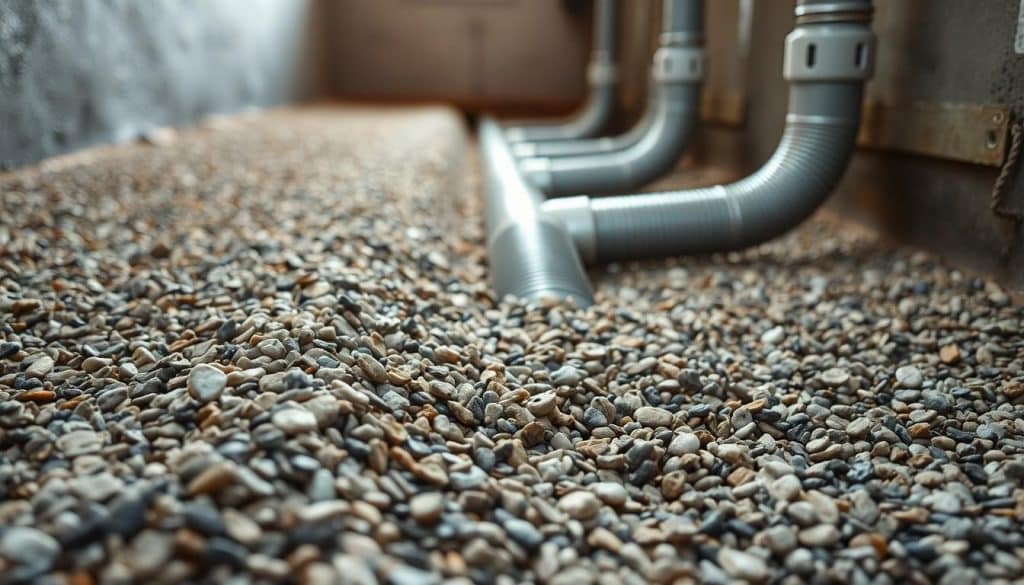
A close-up view of a professionally installed French drain system in a residential basement, showcasing the gravel-filled trench and perforated pipes efficiently directing water away. In the foreground, a neatly organized layer of gravel highlights the technical precision of the installation. The middle ground features well-defined pipes, glistening slightly under soft, natural lighting which mimics the glow of early morning. The background includes a portion of a clean, dry basement wall, hinting at a well-maintained home. The atmosphere conveys professionalism and reliability, ideal for homeowners considering drainage solutions, with a focus on clarity and order in the presentation of the drain system. The image should feature no people or distractions, maintaining a sharp focus on the French drain itself.

Typical installs finish in one to three days. Cost depends on size, complexity, and access. Every project includes a transferable workmanship warranty for long-term confidence.

  • I assess grading, downspouts, and foundation vulnerabilities so the solution protects the whole home.
  • Recommendations balance effectiveness with low dust, clean work areas, and manageable maintenance.
  • We pair basement waterproofing with mold prevention to reduce future water damage and ongoing issues.

Call me directly at (864) 710-6413 or email scmoldremoval@gmail.com to schedule an evaluation and clear, accountable communication.

What a French Drain Does and Why It Works

Controlling groundwater at the footing level protects structure and reduces interior moisture. We design systems that relieve hydrostatic pressure safely and keep indoor air healthier.
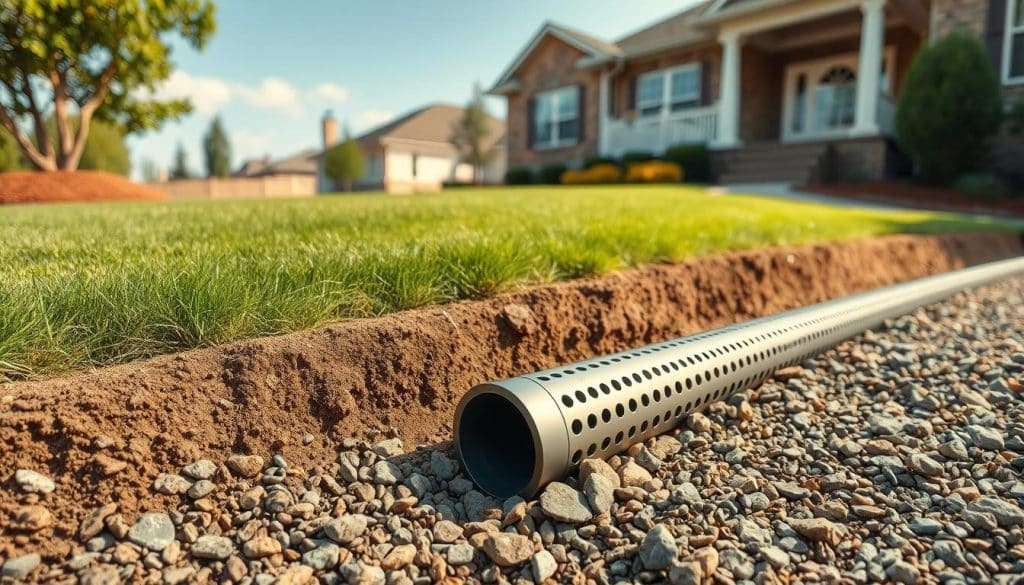
A detailed depiction of a French drain system in a residential setting. In the foreground, illustrate a trench filled with gravel, showcasing the perforated pipe surrounded by stones, demonstrating proper installation. The middle ground features a lush, landscaped yard with sod and plantings, while a slight slope directs water towards the drain. In the background, depict a suburban home with a well-maintained foundation, and nearby, a clear sky suggesting a sunny day, enhancing the brightness of the scene. The lighting should be natural and warm, emphasizing the importance of the drain system in effective water management. Capture a serene, professional atmosphere that reflects reliability and expertise.

A typical system uses a perforated pipe set in gravel to collect excess water in the soil. That pipe channels water away by gravity or into a sump pit for pump discharge. This prevents hydrostatic pressure from building against the foundation and forcing moisture through tiny cracks.

Relieving hydrostatic pressure to protect your foundation

Stopping water before it reaches walls or the floor reduces mildew and odor. Simply coating interior surfaces won’t fix groundwater buildup. The channel redirects water out so the structure stays drier long term.

Interior vs. exterior systems: when each makes sense

  • Interior systems: trench at the slab edge and route water to a sump—fast, less yard disturbance, ideal when exterior work is impractical.
  • Exterior systems: trench at footing grade outside, pair with wall waterproofing to channel water away from the soil near the foundation.
  • We evaluate soil, floor elevation, and slope to decide whether to channel water away by gravity or use a pump discharge.

Basement French Drain How-To: Interior System Step by Step

A clear plan makes interior work fast and effective. I mark the perimeter path about 1 foot from the wall, choose a corner for the collection basin, and design the route so water moves away from the home foundation.
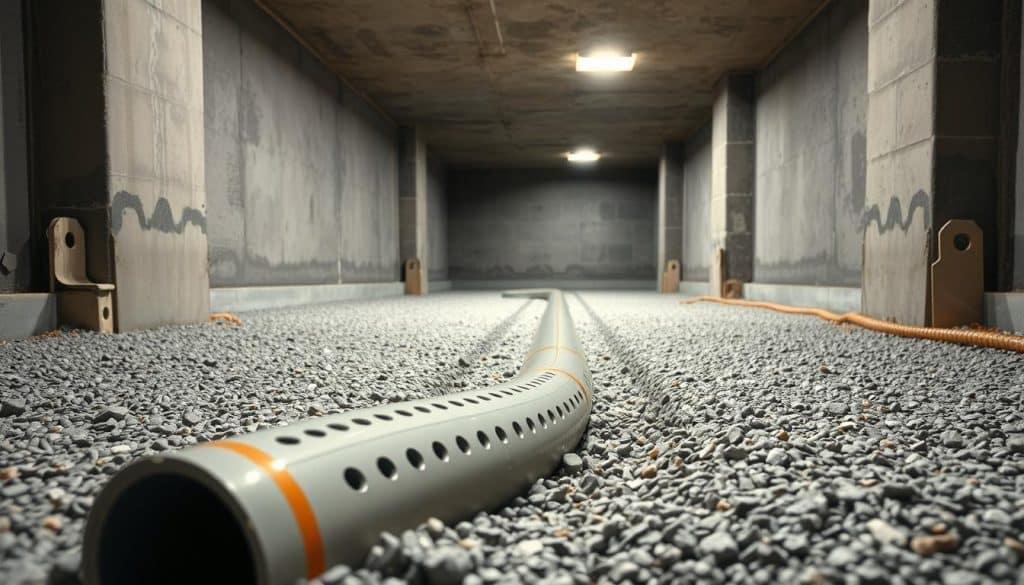
A detailed interior view of a basement showcasing a french drain system. In the foreground, focus on a well-constructed trench with gravel surrounding the perforated drainage pipe, demonstrating its function. The middle ground features concrete walls with minor moisture markings, highlighting the necessity of the drainage system. In the background, the room is partially illuminated by soft, even overhead lighting, casting gentle shadows that enhance the structure's features. Use a wide-angle lens to capture the entire space, creating an inviting atmosphere that feels professional and informative. The scene should exude a sense of reliability and expertise, emphasizing the importance of proper drainage techniques in basement management.

Plan the path, sump pit, and discharge

We locate the sump and route discharge to minimize yard disturbance while ensuring long-term performance. The layout keeps the pump and plumbing accessible for maintenance.

Trench dug, graded slope, and perforated pipe

We cut a trench dug roughly 8 inches wide and 18 inches deep, sloped about 1 inch per 8 feet toward the basin. The perforated pipe is set with the holes facing down on a gravel bed so the line allows water to enter without clogging.

Gravel backfill, filter fabric, and sealing the concrete floor

Clean gravel surrounds the pipe, then we wrap with filter fabric to resist fines. After plumbing to the sump, we pour concrete to restore the floor and leave a small weep edge where wall seepage is expected.

Connect to a sump pump and test the drain system

  1. Connect sump and pump, plumb discharge to code.
  2. Test flow at multiple points and confirm pump cycles.
  3. Provide a quick walkthrough on operation and care.

Exterior French Drain System at a Glance

When an exterior approach makes sense, we design an outside channel that keeps groundwater from reaching the wall and footing. I coordinate excavation, waterproofing, and final restoration so landscaping is preserved and performance lasts.

Footing-level trench, socked pipe, gravel, and backfill

We excavate a shallow trench beside the footer to footing depth, taking care to protect yard features. A socked, perforated pipe sits on clean gravel so soil fines stay out and the line flows freely.

Waterproofing the wall and redirecting water away

A waterproof membrane and protection board are applied to the exterior wall to control seepage while the drainage system channels water away from the foundation. Outlet elevation is checked so the line can move water by gravity when possible.

  • Trench dug to footing depth and formed to channel water consistently.
  • Pipe in gravel, wrapped where needed, then compacted backfill to preserve contours.
  • Top layers restored—soil, mulch, or hardscape—with final inspection of outlets to ensure they will redirect water away during heavy weather.

Costs, Timing, and Materials Homeowners Should Know

Before we dig, homeowners want clear numbers, timelines, and a simple materials list. I’ll give a transparent estimate and explain what changes price so you can decide with confidence.

Typical cost range and what affects price

Interior or exterior installs commonly range from $1,500 to $5,000. Price depends on linear footage, trench depth, access, disposal needs, and how much concrete or landscaping we must restore.

How long installation takes and seasonal considerations

Most projects finish in one to three days with minimal disruption. We plan around weather; winter work is possible, though excavation and soil conditions can slow progress.

Materials checklist

  • Perforated pipe and clean drainage gravel.
  • Durable filter fabric and a collection basin for the sump.
  • A reliable sump pump with proper discharge and backflow protection.

We provide a written scope, schedule, and warranty, discuss optional battery backups and alarms, and show simple maintenance so the system moves water away and performs for years.

basement french drain Maintenance, Mistakes to Avoid, and Complementary Upgrades

Simple annual checks prevent small moisture issues from becoming major repairs. I recommend a short walkaround each year to verify outlets, slopes, and visible lines.

Annual maintenance keeps the system working. Inspect the discharge outlet and clear leaves or sediment. Listen for unusual pump cycles during storms and call us if run times change.

Common installation issues to watch for

Poor grading, shallow trenches, or missing filter fabric let soil clog the pipe and shorten service life. These mistakes reduce how well the system can redirect water away from the foundation.

Simple upgrades that improve performance

  • Extend downspouts and keep gutters clean so runoff does not collect near the home.
  • Add cleanouts or inspection ports for easier service and faster troubleshooting.
  • Consider a dehumidifier in finished spaces to help keep the basement dry and protect indoor air.

Our goal is long-term performance with low upkeep. I stand behind installations with a transferable workmanship warranty and offer annual checkups to keep your system moving water away and your basement dry.

Conclusion

Long-term moisture control depends on pinpointing where water collects and giving it a clear path out. A comprehensive plan combines proper trenching, clean gravel, perforated pipe, sealed floors or exterior wall protection, and a reliable sump with pump to move water away from the foundation.

I’m Douglas Ray Whitehead, and I’ll personally evaluate your basement, explain options, and oversee every step. Array of Solutions has served the Upstate since 2007 with least-invasive waterproofing and air-quality solutions backed by a transferable workmanship warranty.

Expect clear scope, timing, and cleanup in writing. If you see water damage or musty odors, call or email today to schedule an inspection: (864) 710-6413 | scmoldremoval@gmail.com.
FAQ

What services does Array of Solutions provide for expert basement French drain installation?

We design and install interior and exterior drainage systems to protect your foundation and keep the space dry. Our approach includes site evaluation, trenching, installing socked perforated pipe and gravel, tying into a sump pump when needed, and sealing the floor for long-term waterproofing. We handle projects in Greenville, SC and surrounding areas with an environmental focus to minimize disturbance.

Why should Greenville homeowners choose Array of Solutions for a drain system?

We are local, licensed, and personally managed by Douglas Ray Whitehead, combining hands-on oversight with an environmental consulting mindset. We aim for the least invasive, most effective solution to protect air quality and the structure, and we communicate each step in clear, practical terms so you know what to expect.

How does a drainage channel relieve hydrostatic pressure on my foundation?

A properly installed trench with perforated pipe collects subsurface water and redirects it away from the foundation. That reduces hydrostatic pressure behind walls and under the floor, preventing water intrusion, soil movement, and related damage to the structure over time.

When is an interior system better than an exterior system?

Interior systems are often less disruptive and work well when exterior access is limited or when you need a quick, effective fix from inside the home. Exterior systems are ideal when you can excavate around the footing and want to stop water before it reaches the foundation. We assess soil, grading, and site conditions to recommend the best option.

What are the key steps of an interior drain installation?

We plan the path and sump pit location, dig a trench at floor level, install a perforated pipe with holes facing down on a graded bed, add gravel and filter fabric to prevent clogging, pour and seal the concrete floor, and connect the pipe to a sump pump and discharge line for testing and reliable removal of water away from the home.

What does an exterior system typically include?

An exterior channel typically involves digging a footing-level trench, placing a socked perforated pipe on a gravel bed, backfilling with gravel and soil, and applying exterior wall waterproofing. The goal is to intercept groundwater at the source and redirect it away from the foundation before it causes moisture issues.

What factors affect the cost of installing a drain system?

Price depends on system type (interior vs. exterior), trench length and depth, soil conditions, access, the need for concrete cutting or restoration, and whether a sump pump or additional waterproofing is required. We provide a detailed estimate so you understand each cost element.

How long does installation usually take and are there seasonal concerns?

Most interior installs finish in one to three days depending on scope; exterior systems take longer due to excavation and possible landscaping repair. Wet seasons can slow exterior work and may require temporary controls, so we plan timing to minimize delays and protect the worksite.

What materials should I expect in a typical installation?

Standard materials include perforated pipe (socked if exterior), clean gravel for bedding and backfill, filter fabric to stop sediment, a sump pit and pump when needed, and concrete for floor repairs. We use components chosen for durability and low maintenance.

How should I maintain the system after installation?

Perform an annual inspection: check the sump pump operation, clear discharge outlets, remove debris near exterior outlets, and inspect visible lines for damage. Promptly address any reduced flow to keep the system functioning and your home dry.

What are common installation mistakes to avoid?

Avoid shallow trenches, improper grading, skipping filter fabric, and poor connection to the sump pump or discharge line. These errors lead to clogging, poor drainage, and recurring moisture problems. We follow best practices to prevent these issues.

What complementary upgrades improve long-term performance?

Consider downspout extensions, regrading around the foundation, sealing wall penetrations, and adding dehumidification or improved ventilation inside. These measures reduce water load on the system and improve indoor air quality.

How do you ensure the installation protects indoor air quality and the environment?

We use an environmental consulting approach: minimize excavation where possible, control sediment and runoff during work, choose durable, low-maintenance materials, and recommend moisture control measures that reduce the risk of mold and improve air quality.

How can I get an estimate or site evaluation from Array of Solutions?

Contact Array of Solutions for a site visit in Greenville, SC and nearby areas. We’ll evaluate soil, foundation conditions, and drainage needs, then provide a written estimate with recommended options and timelines so you can make an informed decision.

Handling All Of Your Water & Property Damage Emergencies

We are the nation’s premier source for Mold Inspection and Mold Testing. All our mold inspectors are board certified, highly skilled, and experienced mold service professionals

Air Quality Testing

Air quality testing can tell you whether you have a mold problem even if you cannot find the evidence mold growth. We test air samples from your home or business for the concentration of mold spores. Samples are taken from the air and are later examined under a microscope in our labs.

Water Damage Repair

Our water extraction equipment will remove the majority of the water from the affected area(s) including carpets and upholstery. After that we use industrial fans, desiccant drying equipment and dehumidifiers to rapidly dry the still wet areas. We then use a HEPA filtered vacuum to clean up.

Mold Inspections

We visually inspect to pinpoint the problem areas in your home or business. we then try to pinpoint the source of the moisture which is most likely the reason that you may have a mold problem. Swabs and air samples will be taken to our laboratory for analysis and recommendations for remediation.

Mold removal

The source of the water must be identified and corrected . All wet materials (including carpets and upholstery) must be dried completely. Removal of all items including furniture from the infected area. Contaminated area must be sealed off from the rest of the property. Mold growth on surfaces is sanded and cleaned. Contained area must be completely dried, filtered and fumigated

Post Mold Remediation

After mold had been removed, Post Remediation Verification Inspection (PRVI) can assure that the mold cleanup has been done correctly and effectively in the work area and confirm that the cleanup did not accidentally distribute high levels of moldy dust and debris into other areas of the building or into its mechanical systems such as heating or air conditioning systems.

Insurance Handling

Home insurance companies usually don't cover mold damage unless it's directly related to a "covered peril" such as Fire; Lightning; Vandalism or malicious mischief; Damage caused by vehicles; Theft; Falling objects; Weight of ice, snow, or sleet; Accidental discharge or overflow of water or steam; Frozen pipes. Our experts will assist you in filling the insurance claim.

Mold Removal

Mon-Sat: 8:00 am-5:00 pm
24/7 Service Available

Share:

Fast, Certified Mold Testing & Remediation in Greenville, SC

Get accurate inspections and rapid removal from certified technicians. We assist with insurance claims and support property managers.

Request Your Inspection Today