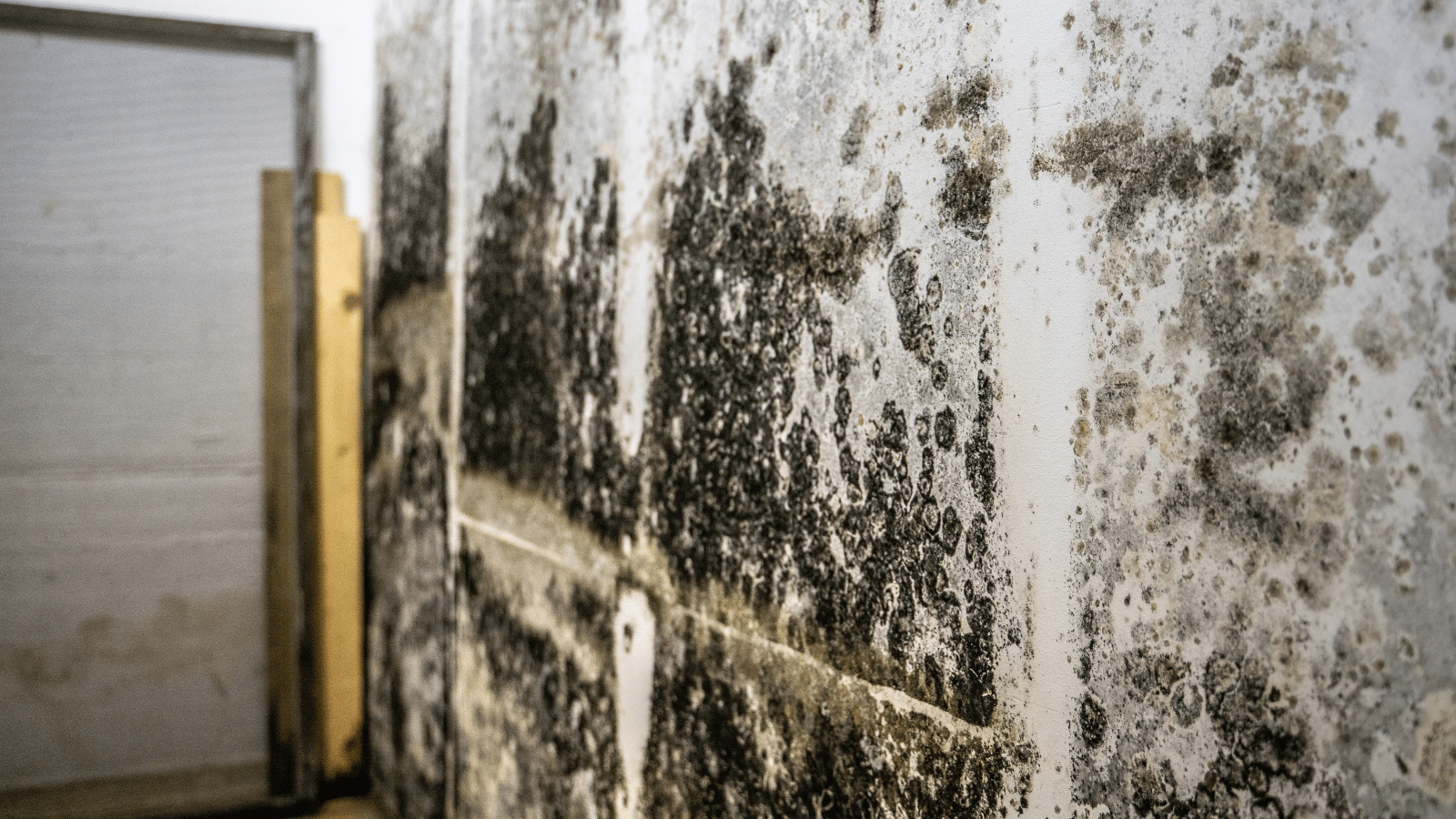
Have you ever wondered if a simple home method can really stop mold from coming back, or if you need an expert to fix the root cause?
I’m Douglas Ray Whitehead, founder of Array of Solutions in Greenville, SC. I handle every inquiry personally. For over 20 years in the Upstate, I’ve led more than 1,000 inspections and hundreds of restoration projects.
This short guide explains Baking Soda Mold Removal, showing a safe, practical approach to cleaning small mold spots with a gentle alkaline spray and paired acidic treatment, plus tips on ventilation, HEPA vacuuming, and proper disposal. Use the proven light spray ratio for tiny outbreaks, and remember that porous or extensive damage needs professional service.
Your safety is my priority. We deliver the least invasive air quality solutions, back work with a transferable warranty, and provide fast help when DIY isn’t enough. Call (864) 710-6413 or email scmoldremoval@gmail.com for inspection or urgent care.
Key Takeaways
- Small, hard-surface spots can be treated at home with a light alkaline spray and follow-up.
- Ventilation, PPE, and HEPA cleanup protect household occupants during work.
- Repeat light treatments delay regrowth, but moisture control solves the long-term problem.
- Array of Solutions offers expert, minimally invasive service in Greenville, SC.
- Call for professional inspection when the affected area is large or porous.
User Intent and Safety First: A Practical How-To for Home Mold
Before you start any spot-cleaning, know when a home fix is safe and when an expert should step in. I advise clients in Greenville, SC, and I want you to protect your household while working on small, visible issues.
When a DIY approach is appropriate
Small, localized growth on tile, glass, metal, or sealed surfaces in a bathroom or kitchen often responds to a light spray (1/4 teaspoon per 2 cups water), scrubbing, and repeat treatment. These areas are suitable for careful DIY if the spot is under about 10 square feet and no one in the home has related health symptoms.
When to call a professional
Stop and call a professional mold service if you see recurring growth, musty odors with no source, water intrusion, or suspected black growth. Growth inside HVAC, on drywall, or on unsealed wood can aerosolize spores and needs expert assessment.
PPE, ventilation, and safe handling
- Wear waterproof gloves, eye protection, and an N95 mask; launder clothing on hot afterward.
- Use strong ventilation: open windows, run exhaust fans, and keep doors closed to limit cross-contamination.
- Work slowly to avoid aerosolizing spores, HEPA-vacuum debris, and double-bag waste before setting it outside.
Limit each cleaning session to short, well-ventilated time blocks and document leaks or condensation before and after work. For quick advice, call me at Array of Solutions for a personal consult and clear next steps.
Why Baking Soda Works on Mold and Where It Falls Short
Knowing how a mild alkaline treatment works makes a safe, effective first step for light surface colonies.
Chemistry and practical benefits: Sodium bicarbonate has a pH near 8–8.1, which creates a mildly alkaline surface that many common spores find less friendly. That change in pH helps reduce visible growth on finished, nonporous surfaces. It also deodorizes, neutralizing musty odors while absorbing small amounts of moisture.
How to boost performance: A simple water-based solution can lift light colonies and leaves little residue. Good air flow during and after cleaning speeds drying and lowers the chance of quick regrowth.
Where this approach is limited
Heavy or deep growth on porous materials like wood or drywall will not respond well to light treatments. Spores can penetrate fibers and re-emerge if a hidden leak or damp cavity remains.
- Sequential acidic then alkaline treatments (use vinegar first, then the bicarbonate solution) can help on minor spots without mixing chemicals directly.
- For staining, persistent odors, or recurring dampness, seek a professional assessment to locate the water source and apply least-invasive fixes.
Tools and Materials You’ll Need for Baking Soda Mold Removal
Start by assembling a focused set of tools so you can work efficiently and avoid cross-contamination. We keep setups simple and effective for homeowners. If you prefer a hands-off approach, we’re ready to help in Greenville, SC.
Core kit and safety items
- spray bottle labeled for a 1/4 teaspoon baking + soda per 2 cups water mix and a separate bottle for rinse water.
- A stiff scrub brush and a softer brush for grout or textured surfaces.
- Disposable or washable gloves, protective eyewear, and a quality mask for safe cleaning.
- A HEPA vacuum to pick up loose debris before work and to capture dried residues after treatment.
- Non-shedding microfiber cloths, paper towels, sealed trash bags, and a small bucket of fresh water for rinsing.
Quick tips: Stage the area with disposable sheeting, keep pets and children away until dry, use a flashlight to inspect corners, and launder gear on hot afterward.
baking soda mold removal: Step-by-Step for Hard, Nonporous Surfaces
Start safely: put on gloves, eye protection, and an N95. Open windows and run fans for steady ventilation. Prepare a spray bottle with 1/4 teaspoon baking and 2 cups water to make a gentle baking soda solution.
Follow this clear, repeatable process to clean small affected areas on finished surfaces:
- Pre-HEPA vacuum loose debris. Mist the area until damp but not dripping.
- Scrub from the outer edge inward with a firm brush to contain spores and help kill mold on the surface.
- Rinse with clean water and wipe so you can see remaining staining.
For stubborn spots, make a paste with baking and minimal water, let it sit briefly, then scrub and rinse. After the final rinse, reapply a light spray to slow quick regrowth between cleanings.
- HEPA-vacuum dry residues, gather wipes and sheeting, double-bag waste, and set it outside.
- Check grout and edges; repeat the soda solution if shading persists.
- If you are unsure at any step, call Array of Solutions for help in Greenville, SC.
Vinegar and Baking Soda Methods: When and How to Combine
A careful sequence of vinegar then a separate alkaline spray can improve cleaning on finished surfaces without mixing chemicals. This method uses different pH stages to loosen and lift light surface colonies safely.
Step-by-step sequence:
- Apply plain vinegar directly and set a timer for about 15 minutes of dwell time.
- After dwelling, wipe or blot to remove loosened material, then use a separate mild alkaline solution spray to clean and rinse the area.
- For stubborn spots, switch to a small abrasive paste with the alkaline powder and scrub gently, then rinse and dry.
Key precautions and tips:
- Do not mix products in one bottle — neutralization reduces effectiveness and can clog sprayers.
- Test a small, hidden area first to check for finish dulling or spotting.
- Wipe and dry between steps to avoid pooled water in seams; use ventilation and set a timer to keep consistent dwell time.
- If stains return after sequential cleaning, hidden moisture is likely — contact a professional for inspection.
Tackling Carpets, Upholstery, and Fabrics with Sodium Bicarbonate
Treating soft surfaces requires containment and gentle steps so spores do not spread through the home. Start by isolating the area, opening windows for ventilation, and removing pets and children until items dry.
Carpets and upholstery: HEPA-vacuum loose debris first to limit spread. Mix a pre-spray in a bottle using 3 cups water and 1 cup white vinegar and mist the affected area lightly. Let it sit about 10 minutes, then sprinkle a light layer of the alkaline powder to create a controlled foam.
- When foaming stops, HEPA-vacuum thoroughly to collect loosened residue.
- Blot with clean towels to extract moisture; avoid soaking backing or padding.
- Repeat only if the fabric tolerates it and the area dries quickly after treatment.
Clothing and washable fabrics
Soak garments overnight in a 50/50 water and vinegar solution, then launder alone on the hottest safe cycle with added alkaline powder. Do not run a dryer until stains and odors are fully gone.
- Sun-dry outdoors when possible—UV helps reduce odors and surface organisms.
- Work in a ventilated space and keep treated items separate until fully dry.
- If the affected area is large or you suspect black mold on fabric, consider replacement or professional remediation.
Safety note:For widespread contamination or persistent stains and odors, call us at Array of Solutions for a professional assessment in Greenville, SC.
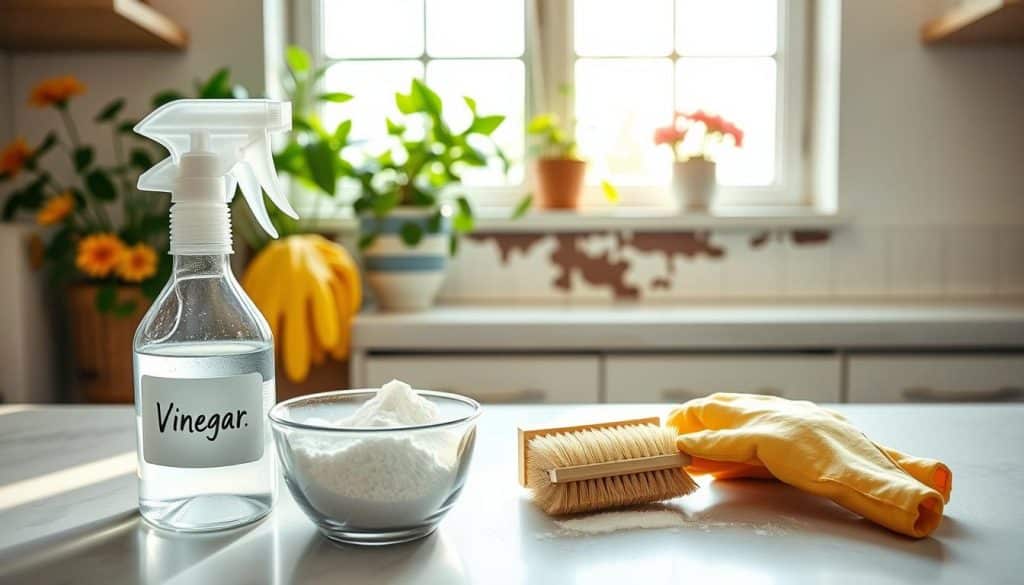
Preventing Mold from Coming Back: Moisture, Airflow, and Habits
A few steady changes to how you dry and ventilate rooms will greatly reduce the chance of regrowth in your home. Our mission is prevention through least invasive, most effective improvements to indoor environments in Greenville, SC.
Fix leaks and reduce humidity
Prioritize source control: locate and repair roof, window, plumbing, or foundation leaks quickly. Moisture is the main driver of recurring growth.
Use dehumidifiers where needed and aim for relative humidity that discourages spores. Check under sinks and at window sills periodically.
Routine habits and light treatments
Run exhaust fans in the bathroom and kitchen long enough after use and open windows when weather allows. Good ventilation reduces condensation on cold surfaces.
- Squeegee shower walls, spread towels and bathmats to dry, and pull furniture slightly off exterior walls.
- Use a light vinegar mist on frequently damp areas, then wipe dry during regular cleaning.
- Keep HVAC filters clean and keep supply/return paths clear to support steady ventilation.
If humidity or odors persist despite these steps, call us for an expert assessment. I’ll help identify hidden moisture and recommend the least invasive solution to prevent mold from returning.
When DIY Isn’t Enough: Black Mold, Large Areas, and Health Concerns
Some infestations need more than a quick scrub; they require trained hands and controlled containment. Toxic black mold (Stachybotrys chartarum) and widespread contamination pose real health and structural risks. If you see large patches, repeated regrowth, or a persistent musty odor with no visible source, call a pro.
- Suspected black mold or heavy growth in crawlspaces, behind walls, or in HVAC units.
- Homes with occupants who have allergies, asthma, or weakened immune systems.
- Repeated outbreaks after DIY cleaning or visible staining that returns quickly.
DIY can fail on porous materials because spores embed in fibers and framing. Disturbing these areas without containment can spread spores through the air and adjoining rooms.
Professional mold removal uses containment, negative-air management, HEPA filtration, and moisture-source correction. Our owner-led assessments include documentation useful for insurance, real estate, or legal needs. I serve as an Expert Witness in Greenville County Courts and back work with a transferable warranty.
Act promptly. Early professional service usually reduces cost and disruption, and protects your family’s air and long-term home value.
Why Choose Array of Solutions in Greenville, SC
Choosing the right service partner can save time, protect your home, and prevent future issues. I’m Douglas Ray Whitehead and I own Array of Solutions. I handle every inquiry personally so you get clear guidance from the first call through project completion.
Direct owner contact and proven experience
Work with the owner—no handoffs, no uncertainty. I am an Expert Witness and a former contractor and home inspector. My field experience informs accurate diagnostics and practical fixes.
Long track record and warranty
Since 2007 we have completed 1,000+ inspections and hundreds of remediations. We back work with a transferable workmanship warranty so your investment stays protected.
Least invasive, results-first approach
Expect targeted plans that protect finishes and contents while restoring air quality. We emphasize source control and improved ventilation in bathrooms and damp zones to reduce reoccurrence.
- Direct owner oversight from estimate to completion.
- Construction and inspection expertise for accurate moisture diagnosis.
- Clear scopes, fair pricing, and documented work for insurance or real estate needs.
- Practical education to keep your household healthier after service.
- Responsive support for small businesses and homeowners in Greenville, SC.
Your safety is my future. Call (864) 710-6413 or email scmoldremoval@gmail.com for personal guidance on your specific situation.
Conclusion
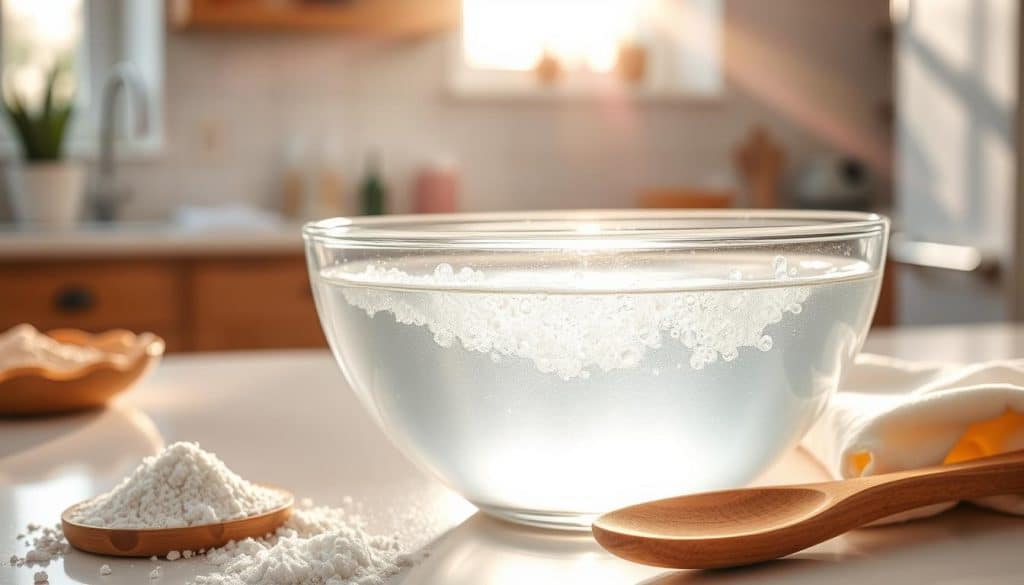
A short, consistent routine at home can stop small outbreaks before they grow into big problems. To get rid of light surface colonies, follow the step sequence: vinegar dwell, then a measured baking and soda water spray, gentle scrubbing with a scrub brush, HEPA vacuuming, and thorough drying.
Routine cleaning, steady ventilation, and fixing leaks are the best ways to prevent mold long term, especially in the bathroom and other damp areas. Use a labeled spray bottle and measure each cup of water for repeatable results.
Protect yourself with gloves and a brush, avoid over-wetting, and watch for returning spores or stains. For widespread or deep contamination, call an expert for containment and professional mold removal.
When you need personal guidance, I’m one call away. Array of Solutions serves Greenville, SC and surrounding areas with least-invasive plans and a transferable warranty. Call (864) 710-6413 or email scmoldremoval@gmail.com.