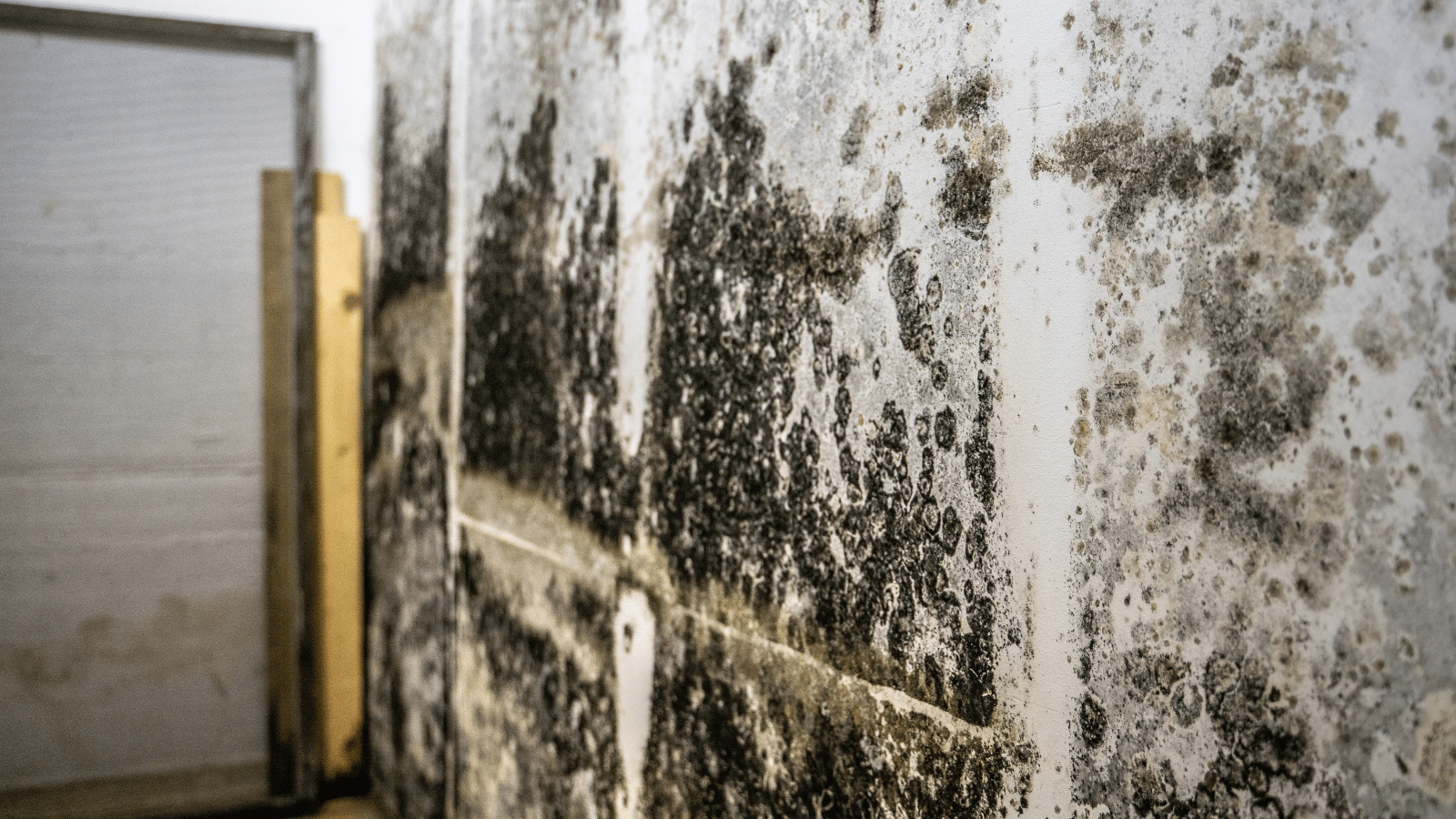
Could a hidden problem above your ceiling be harming your family’s health without you knowing?
I’m Douglas Ray Whitehead, founder of Array of Solutions. For over 20 years in Greenville, SC, I have led more than 1,000 inspections and hundreds of remediation projects. We deliver least-invasive, highly effective air quality solutions so your home stays safe and stable.
We focus on why growth starts and how proper ventilation, quick roof repairs, and targeted cleaning stop it at the source. Expect clear steps from inspection to testing, with negative air containment, HEPA filtration, and dry-ice cleaning when needed.
You will work directly with me on each job, backed by a transferable workmanship warranty. Call (864) 710-6413 or email scmoldremoval@gmail.com to schedule a consult. Your safety is my future.
Key Takeaways
- Timely attic mold removal protects both your health and your home’s structure.
- We diagnose causes—ventilation, moisture, or leaks—before choosing a solution.
- Our approach is least-invasive and centered on air quality during work.
- Douglas personally oversees each project and provides a transferable warranty.
- Testing and targeted remediation prevent repeat problems and offer peace of mind.
Trusted, Least-Invasive Attic Solutions in Greenville, SC — Led by Douglas Ray Whitehead
I lead every job and handle inquiries personally so you always deal directly with an experienced, local specialist. I founded Array of Solutions in 2007 after years of field work and social work training, and I’ve completed more than a thousand inspections and hundreds of remediation projects across the Greenville area.
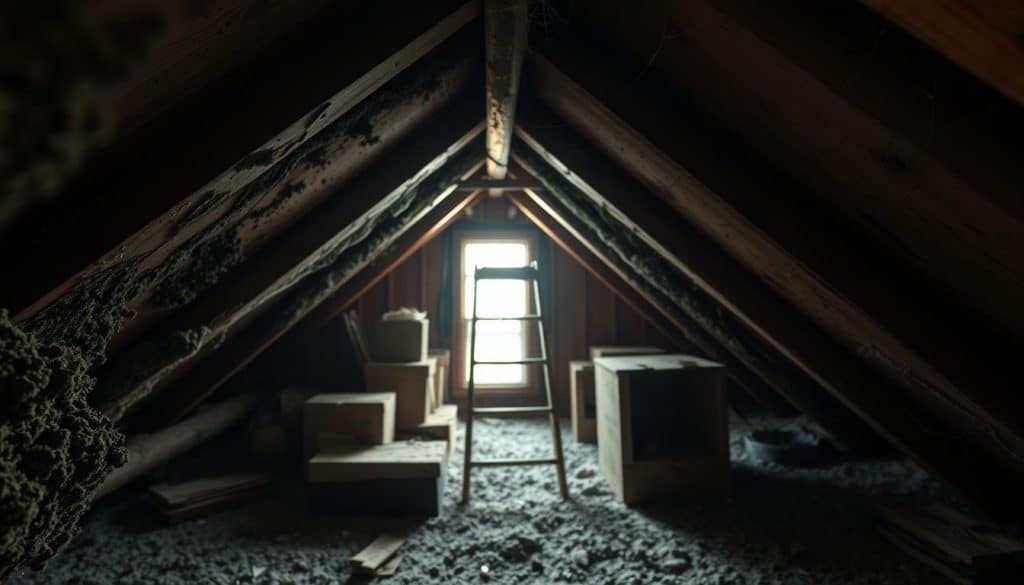
We focus on least-invasive methods that protect your home and daily routine. Our crews stage polyethylene floor protection, set negative air machines, and use HEPA vacuums to contain and capture particles while work is underway.
- I provide direct guidance to homeowners, from inspection through final clearance.
- Dry-ice blasting cleans wood quickly with no added moisture — ideal for sensitive spaces.
- Clear reports, transferable warranty, and court-recognized documentation when needed.
You’ll get straightforward answers about what’s required, what’s optional, and how we can minimize removal while restoring a safe, long-term solution.
How to Recognize Attic Mold Problems and Why They Matter
Spotting early signs saves time and prevents bigger damage later. We see the same warning signals across thousands of inspections, and they are easy to check for during a quick visit.
- Persistent musty odors or damp smells in storage or above the ceiling.
- Dark stains or discoloration on wood surfaces and visible patches on insulation.
- Wet or sagging areas on floors, framing, or insulation that hold moisture.
Health and air concerns:
Poor air quality in that space can raise exposure to mold spores. That exposure may cause respiratory irritation and allergic reactions, especially in sensitive people.
Structural risks to act on:
- Soft or discolored sheathing and weakened rafters that signal moisture damage.
- Reduced insulation performance and energy loss from damp or compacted insulation.
If you notice these problems, limit access and contact us. Early documentation and targeted testing shorten timelines, lower costs, and protect your family’s health and your home’s structure.
What Causes Mold Growth in Attics and How Moisture Gets In
Pinpointing the source of dampness makes fixes faster and less invasive. We focus on cause-and-effect so repairs stop the problem at its origin and reduce repeat work.
Poor ventilation and blocked soffit or ridge vents
When ventilation is limited, warm, humid air stays near cold roof planes. That trapped air leads to persistent moisture and speeds mold growth.
Roof leaks, condensation, and frost from inadequate insulation
Small roof leaks wet sheathing and framing and feed recurring growth. Condensation forms when moist indoor air hits cold surfaces, and frost can melt later and wet materials again.
Improperly vented bathroom or kitchen exhaust fans
Exhaust fans routed into the space add daily water vapor. Over time that extra humidity raises the risk of condensation and long-term dampness.
- We inspect vents, baffles, and insulation to find the true source and prioritize fixes.
- Blocked soffits, flashing failures, and high indoor humidity are common causes we correct first.
- Targeting the entry points for water and vapor keeps solutions least invasive and more durable.
Safety First: Personal Protective Equipment, Containment, and Assessment
Safety is our starting point: every job begins with protocols that protect your home and family. We set up clear barriers and controlled airflow before any investigation or treatment starts.
Proper PPE and setting negative air with HEPA filtration
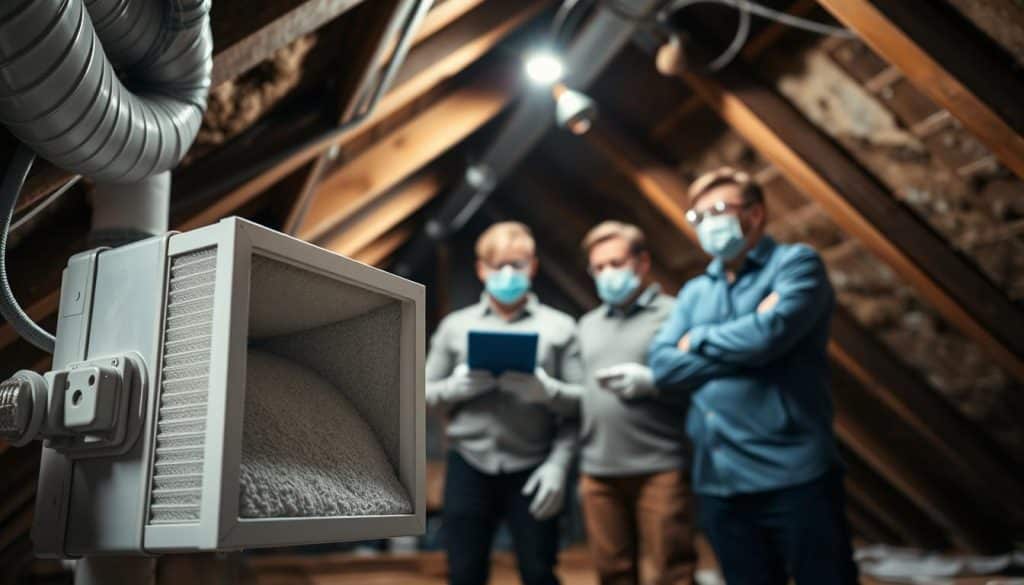
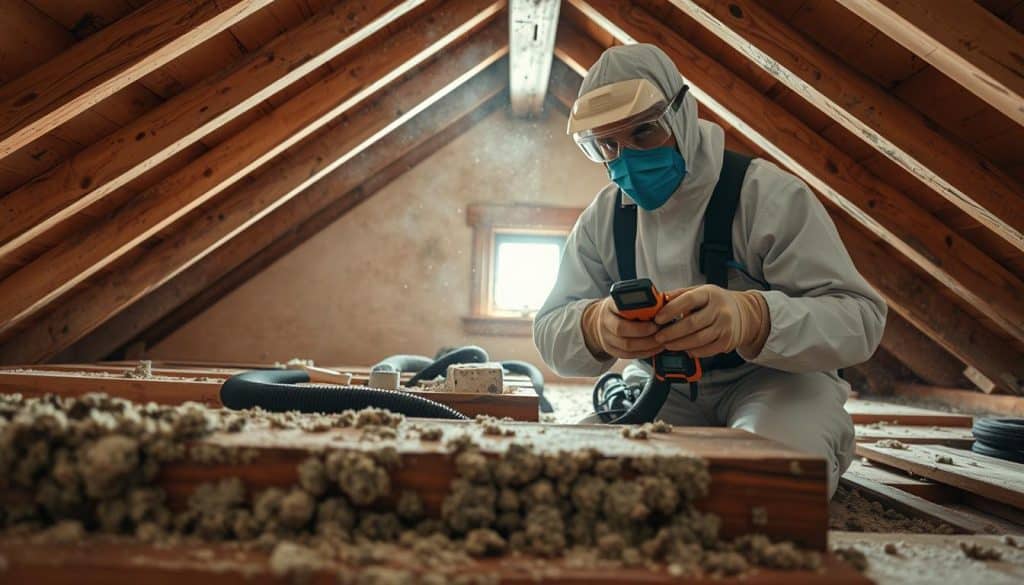
We require gloves, a respirator (N95 or better), goggles, and protective clothing for every crew member. Professionals stage polyethylene protection, then run negative air machines to keep particles from escaping work areas.
HEPA vacuums capture disturbed spores and dust from surfaces while controlled air exchange prevents migration into living spaces. This keeps the environment safer for occupants and workers.
Scope the problem: inspection, moisture source tracing, and when to test
Our process begins with a visual map of affected areas, moisture readings, and a clear scope for homeowners. We trace sources of dampness so corrective work addresses causes, not just symptoms.
- Step 1: Isolate work areas and protect belongings.
- Step 2: Use HEPA capture and negative air to reduce airborne spores during investigation.
- Step 3: Decide on testing when documentation or clarity is needed, such as for real estate or legal records.
- Step 4: Prioritize repairs to stop moisture before any long-term treatment.
We communicate findings in plain language and outline next steps from assessment to treatment. Throughout, containment and airflow are adjusted to maintain protection as work progresses.
Attic Mold Removal: Step-by-Step for Homeowners
A step-by-step plan helps homeowners tackle visible growth with care and confidence.
Preparation: Put on PPE, move stored items out, and stage tools on polyethylene to limit dust tracking. Seal the access and keep ventilation open while you work to reduce airborne particles.
Surface cleaning methods
Scrape loose growth gently using a stiff brush or scraper. Follow label directions if you use borax or an EPA-approved biocide and allow surfaces to dry fully after treatment.
HEPA vacuuming and dust control
After cleaning, run a HEPA vacuum over all surfaces and exposed materials to capture residue and fine particles. HEPA capture reduces the chance of redistributing spores into the home.
Drying and sealing
Use fans and a dehumidifier to remove water and lower humidity; lingering moisture invites repeat growth. Seal obvious gaps, fix venting faults, and repair small water entry points to stop recurrence.
- Set containment and PPE before touching affected areas.
- Scrape, treat, and HEPA vacuum treated surfaces.
- Dry completely, then seal or replace compromised materials as needed.
Know the limits: If the affected area exceeds about 10 square feet, involves structural elements, or the problem keeps returning, call us for a warranty-backed professional plan. We’ll advise which materials to keep and which to remove to keep the work least invasive while helping prevent mold from coming back.
Professional Remediation Methods for Severe Attic Mold
When contamination runs deep, professional techniques preserve structure while clearing affected wood quickly.
Dry-ice blasting strips growth from rafters and sheathing without adding moisture. This fast, residue-free option is ideal for heavy contamination and helps save original wood where possible.
Dry-ice blasting for fast, residue-free wood cleaning
We use dry-ice to remove colonies on wood quickly. It reduces tear-out and limits follow-up repairs.
Soda blasting for delicate surfaces and controlled abrasion
Soda blasting offers gentler abrasion for fragile materials. It removes surface staining while preserving historic or thin substrates.
Fogging and UV light as supplementary treatments
Fogging disperses inhibitors into hidden cavities. UV is used as a supplement to inactivate airborne spores during final staging.
Containment best practices: negative air machines and HEPA vacuums
Containment stays strict: polyethylene protection, negative air directional flow, and HEPA vacuums capture debris at the source.
- We assess roof interfaces and damaged sheathing for repairs after cleaning.
- Documentation is provided for each area and phase for insurance or legal needs.
- When needed, we combine targeted mold removal with repair planning and a transferable workmanship warranty for lasting assurance.
Insulation and Attic Mold: Removal, Replacement, and Better Materials
Not all insulation reacts the same to moisture — picking wisely saves money and prevents future damage.
Fiberglass and cellulose: when removal is necessary
Fiberglass that holds visible contamination usually needs removal and replacement. Cellulose soaks up water and supports new growth, so we often replace it rather than try to salvage it.
Spray foam considerations: hidden moisture and targeted cuts
Spray foam can hide water against sheathing and roof surfaces. We inspect for concealed moisture and make targeted cuts only where access is required to dry and repair underlying conditions.
Choosing replacements: closed-cell spray foam, mineral wool, treated fiberglass
Top replacement choices include closed-cell spray foam for an air and moisture barrier, mineral wool for moisture resistance and fire performance, and treated fiberglass for budget-conscious installs.
- We prioritize minimal demo while removing contaminated materials.
- Repairs to roof interfaces and sheathing are coordinated before rebuilding the assembly.
- Proper ventilation, sealed air pathways, and humidity control complete the upgrade to prevent repeat growth.
We guide homeowners to select materials that match goals for energy efficiency, durability, and long-term protection so the new system keeps your home dry and comfortable.
Prevent Mold Recurrence: Ventilation, Moisture Control, and Local Expertise
Balanced airflow and routine moisture checks are the smartest way to protect your living space. Small, regular steps stop mold growth before it becomes a bigger problem.
Improve attic ventilation
Open ridge and soffit pathways, add baffles where insulation blocks airflow, and use attic fans sparingly to stabilize the space. Proper ventilation equalizes temperature and cuts condensation risk.
Moisture management
Repair roof leaks promptly and route all exhaust outdoors. Use targeted dehumidification in damp seasons and monitor humidity with a hygrometer to spot issues early.
- Keep gutters and downspouts clear so water does not back up at roof edges.
- Seasonal inspections reveal frost or condensation before growth spreads.
- Tailored prevention plans match your roof style, vent layout, and insulation strategy for a lasting solution.
If you suspect renewed mold growth, call immediately so we can fix the source before it escalates. Contact Array of Solutions at (864) 710-6413 or scmoldremoval@gmail.com. As an Expert Witness and local Upstate resident, I design least-invasive plans backed by a transferable warranty you can trust.
Conclusion
Closing the project means more than cleaning — it means fixing the cause and confirming safe air.
Lasting outcomes combine containment, targeted treatment, drying, and source repair. We verify air quality and document each step so you know the process and why it works.
When the scope exceeds simple DIY, professional mold remediation uses negative air, HEPA vacuums, and blasting tools to protect your home and health. Upgrading insulation and improving ventilation reduce future moisture and protect roof sheathing over time.
If you see recurring growth or suspect spores, act quickly. Time matters when water and humidity persist.
Thank you for trusting Array of Solutions. I’m Douglas Ray Whitehead — call (864) 710-6413 or email scmoldremoval@gmail.com. I handle your project personally and back our work with a transferable workmanship warranty.