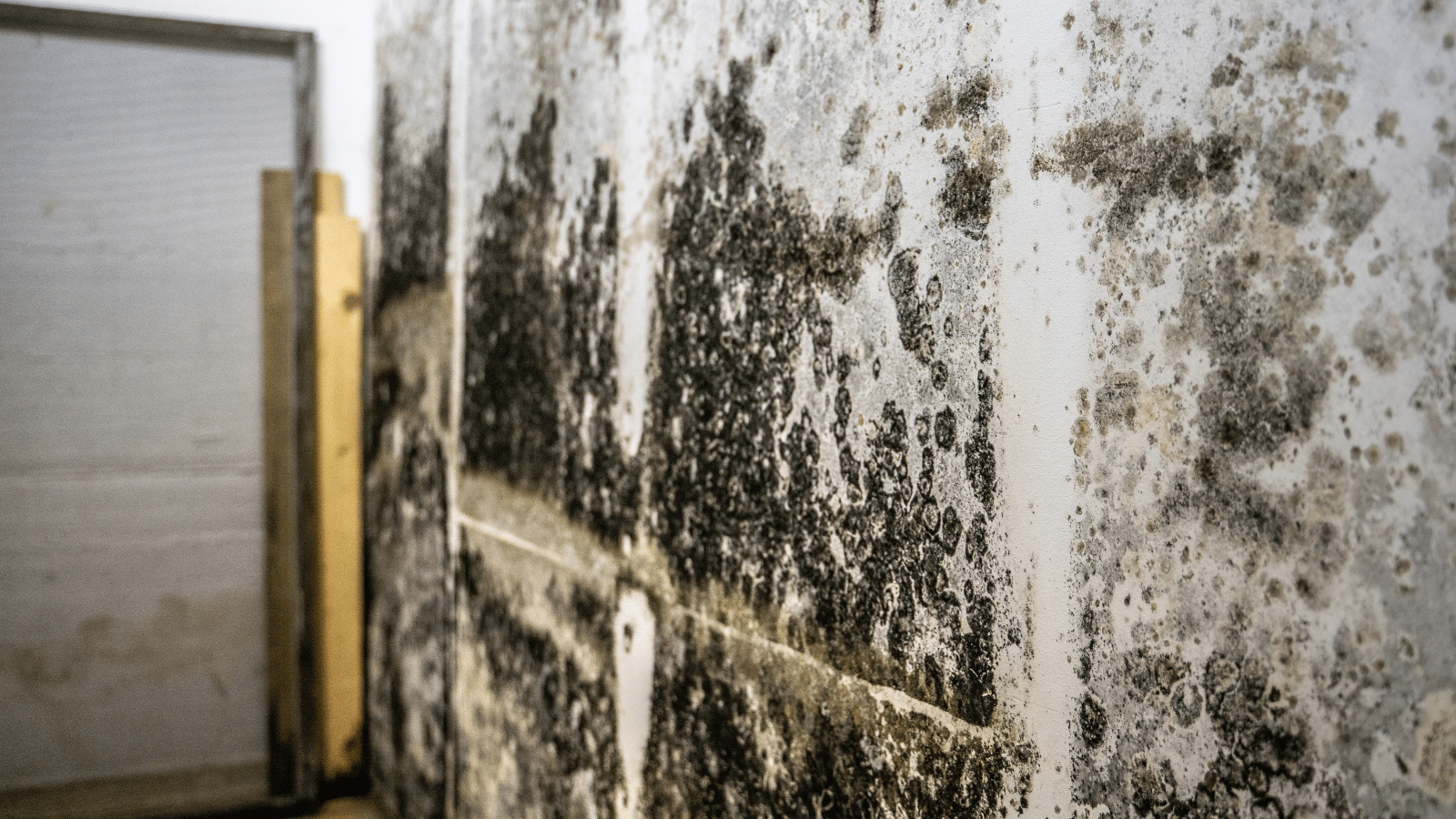
Could something invisible in your living space be harming your family and never show a sign until it’s too late?
I’m Douglas Ray Whitehead, founder of Array of Solutions, and I answer every call personally. For more than 17 years I’ve led hundreds of inspections and remediations around Greenville, SC. My background as a contractor and Expert Witness means I turn complex findings into clear, practical steps.
Call me at (864) 710-6413 or email scmoldremoval@gmail.com for a precise, transferable workmanship warranty and a plan that protects your home with minimal disruption.
We offer the least invasive, most effective methods and back all work with a transferable warranty. Air Quality Testing in Home environments is important because tight houses can trap pollutants, often leading to higher indoor levels than outdoors. Some hazards are silent—radon or hidden mold—so professional testing matters.
Key Takeaways
- Personal service: I handle inquiries directly—no call centers.
- Practical goals: establish baselines, expose sources, track improvements.
- Least invasive fixes prioritized, with transferable warranty.
- Know when to call a pro versus simple do-it-yourself checks.
- Local focus: solutions tailored for Greenville and the Upstate.
Why Indoor Air Quality Matters Right Now
Right now, what you breathe inside your living space can affect how you feel each day. Poor conditions often show as headaches, sore eyes, coughing, or worse, and those signs can point to a problem that needs fast attention.
Health impacts linked to indoor air at the present time
Poor air quality contributes to headaches, throat irritation, shortness of breath, worsening allergies, and asthma flare-ups. High humidity encourages mold and dust mites; low humidity dries skin and airways.

Visible and invisible signs your indoor air needs attention
Look for condensation on windows, stained walls, musty smells, excess dust, and quickly dirty filters. These visible clues often mean ventilation or source control is needed.
- Invisible threats like radon and carbon monoxide need detectors and testing for safety.
- Particulate matter from cooking, candles, or fireplaces raises exposure; better filtration helps.
- Issues often spike after remodeling, moves, wildfires, flooding, or tight weather-related sealing.
If you’re unsure whether symptoms relate to your space, I’ve helped thousands of Upstate residents link what they feel to root causes and fix them with minimal disruption. Call me directly at (864) 710-6413 and I’ll walk you through next steps.
Air Quality Testing in Home: A Practical How-To Overview
Begin with what you notice: smells, headaches, or changes after renovations to guide your next steps. I review your concerns and recent events, then recommend the least invasive path—DIY first when it makes sense and professional assessment when needed.
Decide what to test first
Match symptoms to likely causes. Headaches often point to ventilation or CO buildup. Musty odors suggest humidity and mold. Basements deserve early radon checks after storms or floods.
DIY monitors versus professional assessments
Use consumer monitors to spot trends and brief spikes. They help guide behavior changes like increased ventilation or simpler fixes.
- Start with observations and non-destructive measurements.
- Collect data over typical use periods so results reflect normal conditions, not one unusual instance.
- Bring in a pro when you need definitive answers on specific pollutants, hidden moisture, or inconsistent DIY results.
Call (864) 710-6413 or email scmoldremoval@gmail.com when you want me to review your early data and recommend the next step. I’ll help you get reliable levels without unnecessary disruption.
Know the Pollutants: What You’re Really Breathing Indoors
Every room can hide different contaminants that affect how you feel and sleep. Below I explain the common culprits in Upstate houses and what to do first.
Particulate matter and combustion byproducts
Small particles from cooking, candles, fireplaces, and outdoor smoke travel deep into lungs.
Smaller sizes (PM2.5 and PM1) pose the greatest risk. Use source control and HEPA filtration to cut exposure quickly.
Volatile organic compounds and formaldehyde
Paints, cleaners, and new furniture release organic compounds that irritate eyes and breathing.
Ventilate during work and choose low-offgassing products to reduce levels.
Carbon gases and combustion risks
Carbon monoxide is an emergency hazard from faulty appliances; carbon dioxide signals poor ventilation.
Install detectors, service equipment, and increase fresh air when occupants feel drowsy.
Radon and cancer risk
Radon is a soil gas and a leading cause of lung cancer after smoking.
We measure radon levels and recommend mitigation when results exceed action thresholds.
Mold, moisture, humidity, and pressure
High humidity, leaks, and pressure imbalances drive mold growth and draw soils gases indoors.
- Spot signs: musty smells, condensation, and clogged filters.
- Controls: fix leaks, manage humidity, and balance ventilation.
- We prioritize least-invasive fixes then verify results with follow-up measurements.
Tools and Tests: Choosing Monitors, Meters, and Kits
Start with practical tools and scale up only when precision or documentation is needed. I recommend simple, reliable monitors first and reserve professional instruments for formal reports or unclear results.
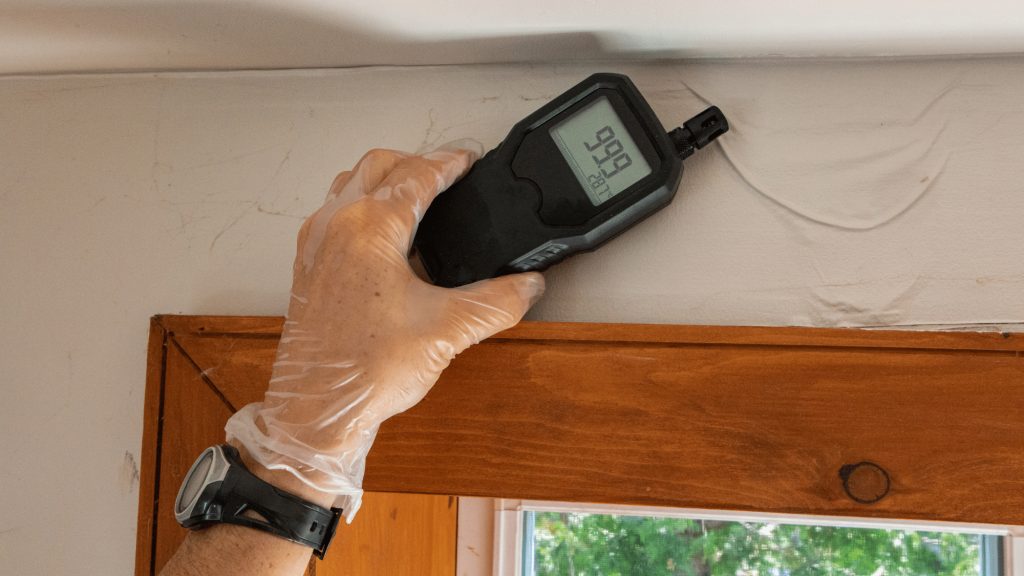
Consumer monitors versus professional-grade instruments
Consumer units track trends continuously and reveal spikes. They help decide if ventilation or new filters are working.
Professional gear offers higher precision and lab sampling for specific pollutants and formal records.
Placement, calibration time, and data connectivity
Place devices at breathing height, away from direct drafts, humid areas, or cooking sources. Let sensors stabilize several hours to avoid early drift.
Ensure connectivity for continuous data capture so you can compare levels before and after fixes.
When a targeted test is better: radon, CO, VOC, and formaldehyde
- Use short- or long-term radon kits when soil gas could be an issue.
- Choose a CO detector for combustion risks and a specific VOC/formaldehyde sample when compounds are suspected.
- Upgrade to professional sampling if results must be documented for real estate, insurance, or medical purposes.
If you need help selecting equipment or interpreting data, call me at (864) 710-6413 and I’ll walk you through it.
Step-by-Step: How to Monitor, Read Data, and Act
Good monitoring starts with placement and patience: set devices correctly and let them settle. Place monitors at breathing height, away from showers or stoves, and allow sensors that need it to stabilize for days to weeks.
Set up, stabilize, and collect reliable data over time
Collect data across normal routines. Run devices during typical days so results reflect usual use, not one unusual event.
Interpreting trends, spikes, and weather or activity impacts
Tag activities and weather shifts when you log readings. Spikes during cooking, cleaning, or wildfire smoke point to sources rather than baseline levels.
Immediate actions: ventilation, filtration, and source control
- Boost ventilation with exhaust fans or short window airing when outdoor conditions allow.
- Upgrade filters and replace them on schedule to cut particulate matter and allergens.
- Seal leaks, repair moisture sources, and use dehumidifiers where humidity stays high.
Routine maintenance: filters, sensors, and system checks
Check filters and device connectivity monthly. Retest after fixes and expect measurable drops before considering more invasive steps. If you want me to sanity-check your plan or data, I can also help — call or email for direct support.
Radon Testing and Mitigation Basics for Homeowners
Because radon moves from soil into living space, measuring it is the only way to know exposure and act. Radon is a radioactive soil gas that can raise cancer risk over time.
Short-term versus long-term checks: Short-term kits run 2–7 days and give a quick snapshot. Long-term kits run 90+ days and capture seasonal swings and weather effects. The Environmental Protection Agency recommends action at 4 pCi/L.
- Basements and first floors often show the highest results.
- Short checks suit quick screens; long tests improve reliability for decision-making.
- If initial results hover near action levels, follow up with a long-term kit before major steps.
When to call a pro: If you see consistently high radon levels, hire a licensed mitigator. A typical reduction system uses a sealed pipe and fan to draw gas from below the slab and vent it outside.
Sealing entry points helps but rarely solves persistent problems alone. We guide you through test selection, interpret your numbers, and coordinate the least-invasive system. Call (864) 710-6413 for a clear plan tailored to your property.
Mold and Moisture: Testing, Confirmation, and Safe Mitigation
Hidden moisture often starts small but can spread quickly behind walls and under floors. That spread causes mold, odors, and sometimes symptoms like wheeze or asthma flare-ups.
Why DIY kits often fall short: swabs and plates can show presence but not species, toxicity, or where the moisture is coming from. Professional sampling uses moisture meters, thermal imaging, and borescopes to locate the cause and map extent.
EPA-aligned small-area cleanup and when to call a pro
For areas under about 10 square feet, a homeowner may clean using approved products and PPE. Stop and call a professional when growth is widespread, odors persist, or HVAC components are involved.
Preventive steps: humidity, drainage, and ventilation
- Target relative humidity at 30–50% to limit regrowth.
- Fix leaks, improve drainage, and manage vapor barriers to remove the source.
- Balance pressure and use proper ventilation and filters to keep damp air out of assemblies.
I’ve completed 1,000+ inspections across the Upstate and hundreds of remediations. We use the least invasive methods, back work with a transferable warranty, and verify results after remediation. Call (864) 710-6413 or email scmoldremoval@gmail.com for a direct plan.
Why Choose Array of Solutions for Environmental Consulting in the Upstate
A local expert who inspects, explains, and stands behind the work changes outcomes fast. I, Douglas Ray Whitehead, personally answer every call and email so your concerns are heard from the first contact.
Personal, professional service you can trust
Seventeen years serving Greenville and the surrounding areas means practical experience. I’ve completed 1,000+ mold inspections and hundreds of remediations, and I serve as an Expert Witness in Greenville County Courts.
Least-invasive approach with a transferable warranty
We prioritize targeted, least-invasive methods that save time and money. When work is required, our workmanship is backed by a transferable warranty so your investment is protected.
Services tailored to your property and goals
- IAQ assessments, mold assessment and sampling, VOC and formaldehyde checks.
- Radon measurement and moisture diagnostics using advanced tools.
- Clear, data-backed reports plus practical remediation paths and system referrals.
I explain results plainly, map them to actions you can take, and provide documentation for real estate or insurance needs when required. For direct help, call (864) 710-6413 or email scmoldremoval@gmail.com — your safety is my future.

Conclusion
Close the loop: measure the problem, apply the least invasive fix, and confirm that it worked.
Ongoing monitoring plus targeted tests build a reliable picture of conditions over time. Long-term radon checks reduce seasonal swings, and small-area mold cleanup suits spots under about ten square feet.
Focus on particulate sources, volatile organic compounds, carbon hazards, radon levels, humidity, filters, and proper ventilation. When issues persist or you see high radon or recurring moisture, escalate to targeted remediation and recheck the results.
I’m here to help you finish strong. Call (864) 710-6413 or email scmoldremoval@gmail.com and I’ll review your plan, interpret results, and recommend the least invasive, most effective steps for your home.