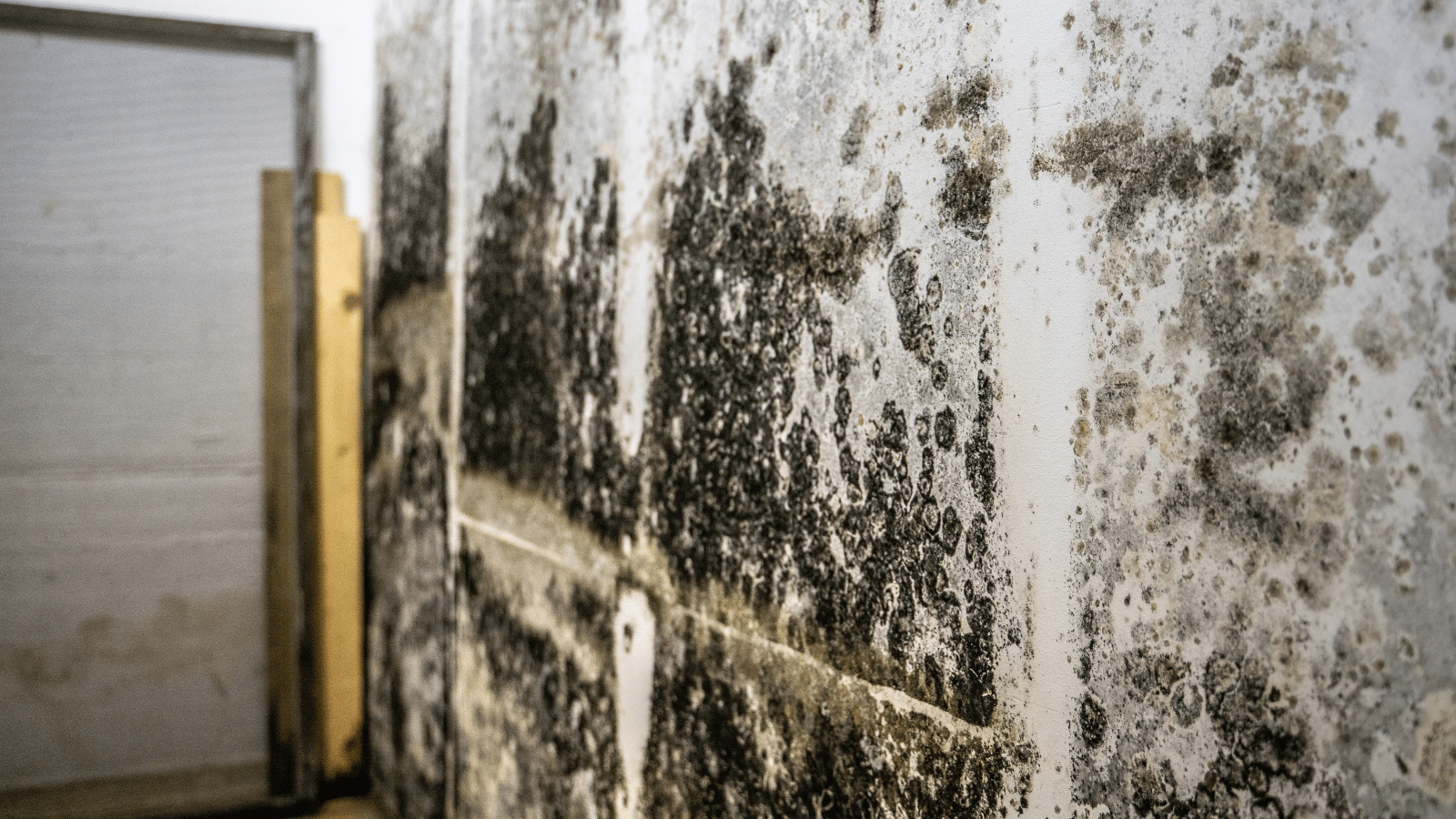
Curious about the real difference between quick cleaning and a full, professional fix?
I’m Douglas Ray Whitehead, owner of Array of Solutions in Greenville, SC. I handle every inquiry personally and bring 17 years of field work, over a thousand inspections, and hundreds of projects to each job.
If you’re asking what is mold removal, it often means cleaning visible growth, while mold remediation is the full process: inspection, containment, cleaning, and addressing moisture to protect your home and health.
My team uses the least invasive methods that meet industry standards. We focus on stopping spread to clean rooms and restoring safe air quality, not on claiming to erase every spore.
Call me directly at (864) 710-6413 or email scmoldremoval@gmail.com for clear next steps and a fast, professional inspection in Greenville and nearby areas.
Key Takeaways
- Removal cleans visible growth; remediation fixes causes and restores safe conditions.
- Complete eradication of all spores is impossible; control and verification are the goals.
- Fast, correct action prevents cross-contamination and protects health and property.
- Array of Solutions offers personal service from inspection to final verification.
- Workmanship comes with a transferable warranty and expert-level documentation.
Understanding Mold Today: Risks, Growth, and Why It Spreads in Homes
Indoor fungal growth favors damp corners and poor ventilation, and knowing its habits helps you act early.
It thrives where humidity and standing water meet porous surfaces. Bathrooms, basements, kitchens, and HVAC components rank highest among common areas in a home.
Small spores ride the air and settle on wet building materials after leaks or high moisture events. Left unchecked, those spores trigger visible growth and hidden colonies behind drywall, insulation, and carpet.
- Signs to watch: musty odors, chronic congestion, coughing, and irritation that ease when you leave the house.
- Sources: leaking plumbing, roof penetrations, poor ventilation, and trapped humidity in energy-efficient homes.
- Materials that hold moisture—porous drywall, insulation, and carpet—often hide ongoing growth long after surfaces look dry.
I recommend quick containment and drying to limit spread and preserve more of your property. Early action reduces the scope of removal and lowers long-term health risk.
Array of Solutions serves homeowners and business owners across Greenville, SC and nearby areas with practical education rooted in thousands of inspections since 2007. If you notice warning signs, prompt assessment guides safe mold remediation and restoration.
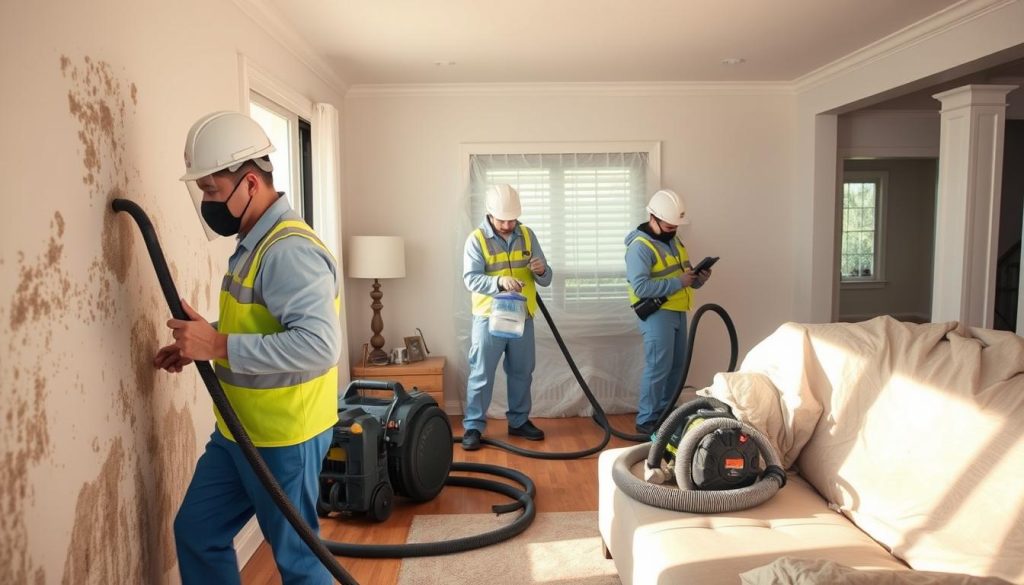
What is mold removal
I’ll explain how surface cleaning differs from the deeper fix that protects your home long term. In plain terms, removal refers to cleaning visible colonies on accessible surfaces while remediation addresses moisture and hidden growth.
Removal often restores appearance quickly, but porous materials like drywall, insulation, and carpet can hide roots below the surface. Without fixing the cause—roof or plumbing leaks, condensation, or poor ventilation—growth commonly returns.
Limits and realistic goals
Complete eradication of spores is impossible; they exist everywhere. Success means returning indoor conditions to healthy levels and stabilizing moisture so recurrence is unlikely.
- We define removal as targeted cleaning of visible growth on surfaces and removal of lightly affected materials.
- We verify moisture correction and use testing when needed to confirm safe outcomes.
- Our least invasive approach still focuses on cause, backed by a transferable workmanship warranty to protect your property and health.
Prompt action prevents damage behind finishes, reduces odors, and protects health. When contamination is extensive, escalation from simple removal to full mold remediation is the responsible next step.
Mold Removal vs. Mold Remediation: The Real Difference That Protects Your Home
A clear plan separates a quick surface clean from a lasting repair that protects your home.
Short-term cleaning focuses on visible growth and may restore appearance quickly. It rarely addresses moisture sources or hidden contamination.
Long-term remediation is a full process. It starts with inspection, adds containment and negative air, then uses HEPA filtration and targeted antimicrobial work.
Typical remediation involves careful removal and safe disposal of damaged porous materials, air scrubbing to capture spores, moisture control repairs, and final verification.
- Inspection and containment to limit spread during work.
- HEPA filtration, targeted disinfection, and safe disposal of affected materials.
- Moisture correction and post-remediation verification to validate results.
At Array of Solutions, we recommend the path that truly solves the problem for your home, not just the quickest method. Documentation and standards-based practice protect health, structure, and future resale value.
When You Need Professional Mold Remediation Instead of a Quick Cleanup
Large patches, lingering odors, or repeated reactions inside the house are signs you should call a pro. Professional mold remediation becomes the recommended path when contamination covers roughly 10 square feet or more.
Red flags include visible growth over about 10 square feet, persistent musty odor, or ongoing symptoms that ease when occupants leave the home. These indicate a deeper problem than a surface wipe can solve.
High-risk areas and hidden sources
Bathrooms, basements, kitchens, and HVAC components hide wet voids and trapped humidity. Those areas often shelter unseen colonies that spread through air and ducts.
- DIY cleaning without containment can push spores into other rooms and affect more property.
- Testing and assessment add value when moisture patterns are complex or occupants have sensitivities.
- Recurring moisture or high humidity usually signals repairs are needed, not just surface removal.
I personally advise calling me when you see larger areas, ongoing odors, or reactions that clear up away from the home. We assess cause, scope, and the appropriate remediation plan to limit disruption and protect indoor air and structure.
How the Mold Remediation Process Works: A Step-by-Step Guide
Here’s a clear sequence of actions I use to contain, clean, and confirm safe indoor conditions. I walk you through every step so you know why we act and how we verify results before we demobilize.
Inspection and containment
We start with inspection and targeted testing to assess mold levels and trace moisture paths. That defines the work area and the type of equipment needed.
Active controls and air management
I set up containment and negative air machines to prevent cross-contamination. HEPA air scrubbers run continuously to lower airborne spores and protect clean rooms.
Cleaning, removal, and repairs
- HEPA vacuuming and EPA-registered antimicrobials for non-porous surfaces.
- Removal and safe disposal of colonized porous materials like drywall and insulation.
- Fixing moisture sources—leaks, drainage, and ventilation—before closing walls.
Encapsulation is applied only after the area is dry and most contamination is removed. I finish with post-remediation verification so you receive documentation showing acceptable mold levels and a clear, safe outcome.
Costs, Scope, and Safety: What to Expect During Professional Mold Services
Knowing likely costs and safety steps helps you plan with confidence when hiring professionals. I provide transparent expectations on budget, scheduling, and how we protect your belongings and indoor air.
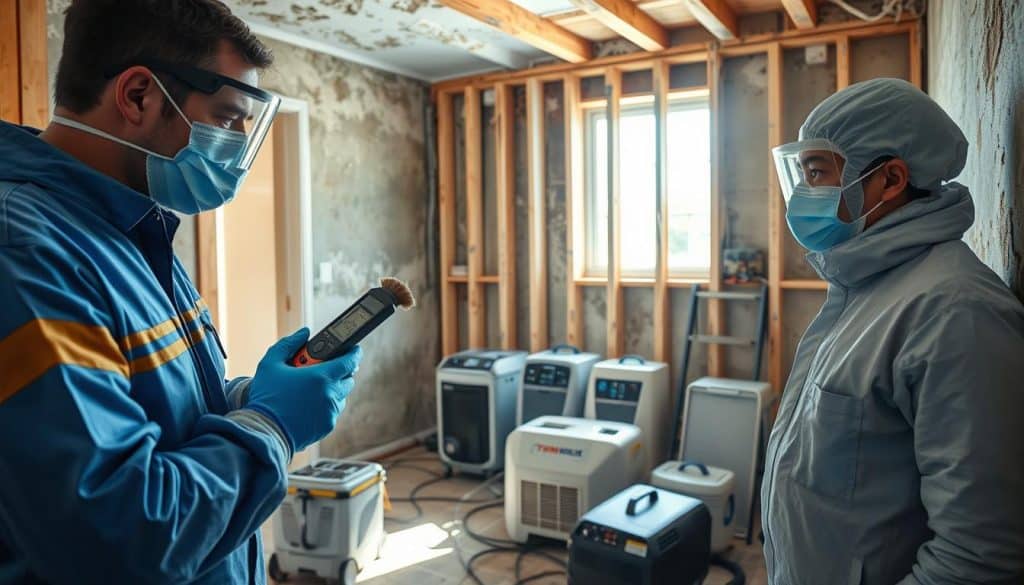
Typical price ranges and per-square-foot estimates
Average mold remediation projects run about $2,360, with common ranges from $1,225 to $3,750.
Per-square-foot pricing usually falls between $10 and $25 per square foot, depending on the type of materials affected and access in the work area.
Insurance, relocation decisions, and protecting unaffected areas
- We document scope and photos to support insurance claims when water or leaks caused the damage.
- Related repairs—drywall replacement (~$20 per 4×8 sheet), flooring, or drainage upgrades (French drains $10–$50 per linear foot)—can affect the final cost.
- Staying in the home depends on severity and toxigenic concerns; we advise temporary relocation when health or containment requires it.
Safety standards: PPE, containment, and maintaining indoor air quality
We follow industry PPE and containment protocols every day. Negative pressure, HEPA filtration, and sealed work zones protect clean rooms and reduce airborne levels.
Daily safety checks, documented procedures, and our transferable workmanship warranty give you confidence that the job restores your property and protects occupant health.
DIY vs. Professional Mold Remediation: Making the Right Call and Preventing Regrowth
A measured approach helps homeowners handle minor spots and recognize when professional containment is required.
Small areas you can tackle safely: Homeowners may address isolated patches under about 10 square feet using proper PPE, HEPA vacuuming, and gentle cleaning. Carefully follow label directions and remove wet textiles promptly to limit spread.
When to call professionals: If growth appears in HVAC, behind walls, or returns after treatment, stop and call a pro. DIY work without containment can aerosolize spores and create bigger problems.
- Skip bleach: Bleach does not qualify as an EPA-registered biocide for porous surfaces. Use approved products and the right equipment for lasting results.
- Prevention tips: Control humidity, run exhaust fans, fix leaks fast, dry wet areas, squeegee showers, and seal grout to reduce trapped moisture.
- When unsure: A short consult can save time and money and steer you toward safe, cost-effective services or a DIY method that actually rid mold without spreading it.
Why Upstate South Carolina Chooses Array of Solutions
Direct accountability from inspection to verification gives homeowners real peace of mind. I founded Array of Solutions in 2007 and I live in the Upstate, so you get local knowledge and fast response when you need trusted services.

Local expertise since 2007: Owner-operated by Douglas Ray Whitehead
I’m Douglas Ray Whitehead, your single point of contact. No handoffs, no call centers—just direct care from inspection through final verification.
Expert Witness experience and a transferable warranty
My Expert Witness background in Greenville County Courts means our documentation and procedures stand up to scrutiny. We back work with a transferable workmanship warranty that protects your property and future owners.
Least invasive air solutions and custom plans
- We prioritize methods that preserve finishes and materials while resolving the source.
- Custom scopes fit a single bathroom or complex, multi-room projects across the area.
- Count on clear communication and compassionate service during remediation and beyond.
Contact me directly at (864) 710-6413 or scmoldremoval@gmail.com to schedule an owner-led assessment for your home. I’ll personally plan the work and verify results so you regain a safe, well-documented outcome.
Conclusion
Decide on a plan that focuses on source control, verified outcomes, and long-term peace of mind.
Complete spore eradication cannot be promised; success means returning indoor conditions to safe mold levels. That happens through a defined remediation process: containment, targeted cleaning, safe disposal, moisture correction, and final verification.
You now understand the difference between simple removal and true mold remediation. Addressing the cause prevents recurrence and protects health and structure.
If the issue is larger than a small patch or involves hidden voids or HVAC, call me for a professional assessment. I’ll explain options and guide you to the safest solution backed by our transferable warranty.
Call (864) 710-6413 or email scmoldremoval@gmail.com for direct, owner-led guidance.