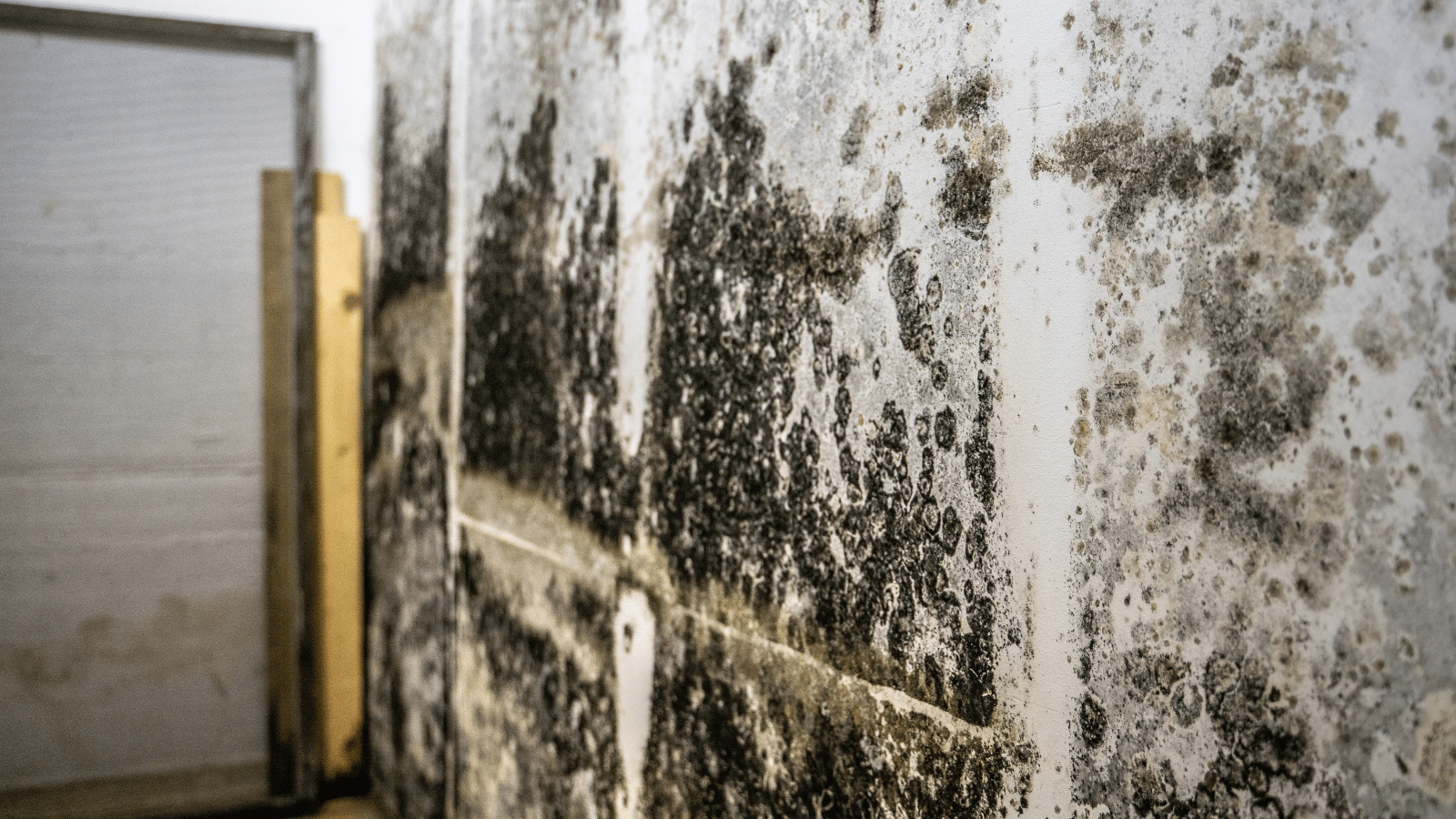
Can a single policy actually protect your home when unexpected flooding or a burst pipe threatens your belongings?
I’m Douglas Ray Whitehead, founder of Array of Solutions, and I’m often asked will house insurance cover water damage. I handle every call personally so you deal directly with the owner. I’ve lived in the Upstate for over 20 years and started this firm in 2007.
Claims for water damage from wet events are among the most common for homeowners. Whether a claim succeeds depends on the policy type, the source of the incident, and if it was sudden or gradual.
Quick scope: I explain which event types typical policies address, where limits and exclusions appear, and when endorsements or separate plans are needed. I also share practical first steps after discovery and how early mitigation limits secondary harm.
Call me at (864) 710-6413 or email scmoldremoval@gmail.com for direct help in Greenville, SC and nearby areas.
Key Takeaways
- Coverage often depends on whether the incident was sudden and accidental.
- Standard policies usually exclude floods and sewer backups without add-ons.
- Dwelling, personal property, and loss-of-use sections can apply, but limits matter.
- Slow leaks and neglect are common denial reasons; document and act fast.
- Contact Array of Solutions early to limit secondary mold risks and preserve claims.
Understanding today’s homeowner intent: protecting your home and your policy
I guide Greenville families through policy terms so they can tell if an inside plumbing event fits covered homeowners insurance. Knowing what counts as a sudden, accidental event matters more than the visible stain. Insurers read cause and timing first.
Standard policies often protect losses from burst pipes and appliance overflows when the incident is rapid and unexpected. Floods and sewer backups normally need a rider to appear under your policy. Gradual leaks from poor maintenance are usually excluded.
What “covered homeowners insurance” means for water issues
- Cause-focused: Insurers check if the event was sudden or due to wear.
- Source matters: Inside plumbing events commonly match coverage; outside flooding does not.
- Endorsements change outcomes: Add-ons for backup or flood shift what policies recognize.
If you’re unsure, call me at (864) 710-6413 or email scmoldremoval@gmail.com. I’ll review what you’re seeing and suggest steps to protect air quality and preserve a claim.
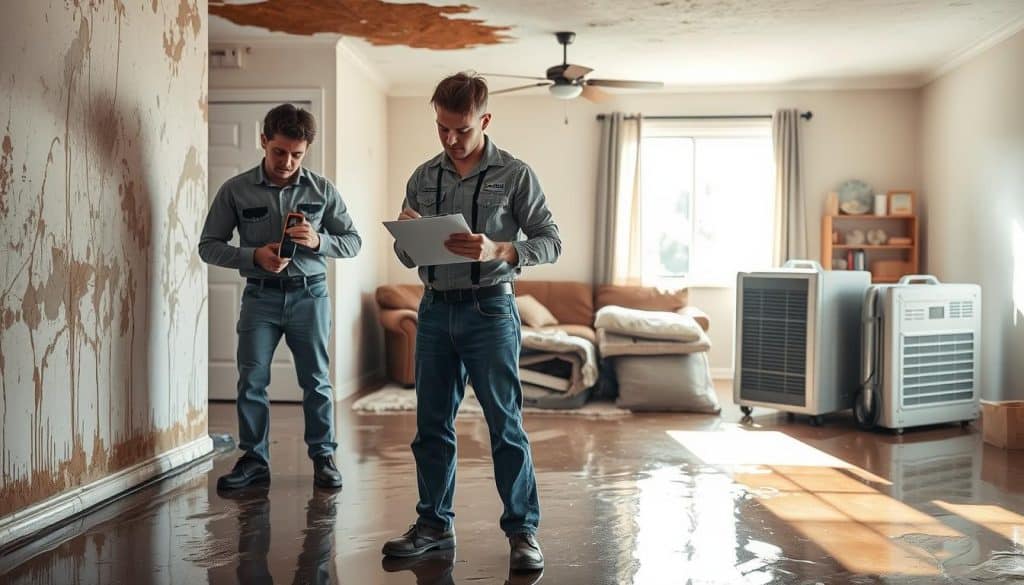
Coverage foundations: policy type, source of water, and “sudden and accidental”
Start by matching the event’s cause to the right type of coverage in your policy. That match often decides whether a loss is recognized.
Policy type and endorsements
Most standard homeowners plans respond to sudden interior events such as a burst pipe or overflowing appliance. A separate flood insurance plan is required for outside flooding and flood damage.
Considering the source
Insurers trace the origin: a ruptured pipe, a roof puncture from wind, or surface water from heavy rain. Each source leads to different outcomes and limits on what is damage covered.
Sudden and accidental vs. gradual issues
The “sudden and accidental” test favors fast, unexpected loss. Long-term seepage or poor upkeep is usually excluded, which is why documentation of the event’s timing matters.
- Tip: Document the origin point and preserve evidence.
- Tip: Endorsements for water backup or sump overflow can change results.
As a former contractor and home inspector, I help clients compare standard homeowners insurance and other policies. Call Douglas at (864) 710-6413 for non-invasive moisture mapping to support your insurance policy file.
What homeowners insurance covers after water damage
A sudden leak can affect both the structure and the things you own, and knowing which policy part applies helps you plan next steps.
Dwelling coverage for structural repairs
Dwelling (Coverage A) typically pays to repair or replace structural elements such as drywall, flooring, framing, and built-in fixtures when a covered event causes harm.
That section also handles repairs for roof leaks tied to a covered peril and water used by firefighters that wets multiple areas.
Personal property coverage and sub-limits for belongings
Personal property (Coverage C) helps replace furniture, clothing, and many household items. Some categories like electronics or jewelry may face sub-limits or require receipts for higher payouts.
Insurers often distinguish between the cost to replace an item and the cost to repair the failed appliance that caused the incident; the former may be recognized while the latter often is excluded.
Examples and practical notes
- Example: a burst pipe behind a vanity — structure and ruined belongings can be eligible.
- Example: a washing machine overflow — personal property claims and structural drying are common.
- Example: firefighting water — wet floors and walls across a level are typically treated as covered loss.
Quick tips: document the event, start mitigation, and save receipts. We coordinate least-invasive drying, moisture verification, and air quality measures. All workmanship carries a transferable warranty.
Call Douglas at (864) 710-6413 or email scmoldremoval@gmail.com for direct help in Greenville, SC.
Common exclusions and gray areas you need to know
Not all wet events are equal; insurers parse cause, timing, and maintenance before they pay. Read the fine print so you can spot exclusions and protect your claim position.
Floods and outside sources: Most standard homeowners policies exclude flood and require separate flood insurance to address rising surface water or river overflow.
Backup and sump overflow endorsements
Sewer or drain backups usually sit outside policy basics. Adding a backup or sump overflow endorsement can be the difference between denied and accepted claims.
Source repairs versus resulting repairs
Insurers commonly pay to restore ruined materials and belongings but do not pay to fix the failed appliance, pipe, or roof component that caused the event.
Negligence, seepage, and long-term wear
Gradual seepage, rot, or neglect often leads to denials. Routine maintenance and quick mitigation help preserve coverage for the damage caused by an event.
- Tip: Keep records of maintenance and any repairs to reduce disputes over negligence.
- Tip: Document the event and costs for mitigation to support your insurance policy claim.
- Tip: Ask about endorsements for backup, sump overflow, and flood insurance to limit future costs.
With 1,000+ inspections and Expert Witness experience, I help clients recognize when to add flood insurance or other endorsements. Call Douglas at (864) 710-6413 for guidance in Greenville, SC.

Will house insurance cover water damage
When a sudden plumbing failure soaks floors or ceilings, an adjuster will focus on cause, timing, and upkeep.
- Origin: adjusters prefer internal, sudden events (a ruptured pipe or appliance failure) over external floods.
- Timing: a clear discovery timeline, shutoff action, and prompt mitigation strengthens a claim.
- Maintenance: records showing reasonable upkeep reduce allegations of neglect.
I personally help Upstate homeowners organize facts so adjusters can see cause, timing, and maintenance history clearly. This can make the difference between a covered loss and a denial.
Assemble photos, video, receipts, and brief notes that link the event to the loss. If a flood from outside is involved, separate documentation supports a flood insurance claim.
Need fast guidance? Call me directly at (864) 710-6413 for help preparing a concise cause-and-effect summary and protecting indoor air quality while your claim is reviewed.
How to respond right now: a step-by-step guide from discovery to claim
Immediate action matters. Take safety steps, document losses, and preserve evidence before you move items. Fast, clear records help your claim and limit secondary issues.
Document and preserve
Photograph and video the scene from multiple angles. Make a short inventory of affected belongings with make, model, age, and estimated value.
Keep damaged items untouched until an adjuster can inspect unless a safety or sanitation need forces removal.
Mitigate further loss
Shut off the source and cut power where needed. Extract standing water, open windows, and run fans to speed drying.
Isolate unaffected rooms to prevent cross-contamination and limit added costs.
Filing your claim and loss-of-use
Contact your agent, describe cause and timing, and request an adjuster visit. Save all receipts for pumps, tarps, and temporary lodging.
Example: note the time you discovered the event, any repairs you made, and expenses for alternate lodging. Loss-of-use may help with short-term living costs.
- Start with safety and clear documentation.
- Build the inventory so property can be evaluated quickly.
- File promptly and preserve evidence for inspection.
I handle every call personally and can walk you through documentation, drying, and air quality protection while you manage the claim. We back our workmanship with a transferable warranty. Call (864) 710-6413 or email scmoldremoval@gmail.com for direct help in Greenville, SC.
Preventing future water damage and claim denials
Simple seasonal checks often stop small failures from becoming costly repairs.
Seasonal prep: We map tasks—insulating exposed pipe runs, clearing gutters, and scanning the roof for loose shingles or worn flashing. These steps reduce ice dam risk and sudden failures.
Appliance and supply line checks: Replace rubber hoses on washers, dishwashers, and fridges regularly. Route lines to avoid kinks and pressure points. Drain water heaters twice a year to cut sediment buildup and extend service life.
Smart monitoring and thermostats: Install leak detectors with automatic shutoff and a smart thermostat to prevent frozen plumbing during travel or cold snaps. Early alerts can stop a small drip before it becomes a major claim that your policy may address differently.
- Keep notes and photos of maintenance to show care of the home and protect future claims.
- We assess moisture-risk points and suggest least-invasive fixes to protect both property and policy standing.
- With 17+ years in the Upstate, we recommend proactive maintenance and monitoring to keep claims clean and straightforward.
Need a walkthrough? Contact Douglas at (864) 710-6413 for a prevention plan tailored to your home and policy.
Mold after water damage: coverage limits and expert remediation
Post-event mold often sits at the intersection of forensics and policy language. Quick proof that mold followed a sudden, accidental interior incident can affect a claim outcome.
When mold may be covered vs. excluded under homeowners policies
Generally, mold is covered only when it results directly from a sudden, covered event. Gradual seepage and long-term moisture are commonly excluded or subject to sub-limits.
- Document timing and cause to link mold to a covered homeowners event.
- Expect caps on mold benefits; itemize personal property and note salvageability.
- If source control isn’t shown, many policies treat mold as pre-existing or maintenance-related.
Least invasive, effective air quality and mold solutions you can trust
We use forensic moisture mapping, containment, negative air, and HEPA filtration to protect indoor air quality during work. Our approach focuses on removing affected materials only when necessary.
I am an Expert Witness in Greenville County Courts with 1,000+ inspections and hundreds of remediations. For rigorous documentation and least-invasive remediation that aligns with policy review, call (864) 710-6413 or email scmoldremoval@gmail.com.

Conclusion
Careful documentation, quick mitigation, and knowing your endorsements make claims simpler and fairer.
Standard homeowners insurance and endorsements often respond to sudden interior events that harm structure and personal property. Flood and sewer backup normally need separate plans or riders.
Keep a short timeline, photos, and receipts. Acting fast limits secondary mold and strengthens your case for covered homeowners insurance or related coverage under your homeowners insurance policy.
I’m Douglas Ray Whitehead at Array of Solutions. Contact me at (864) 710-6413 or scmoldremoval@gmail.com for a direct plan in Greenville, SC. We manage work personally and back it with a transferable workmanship warranty.