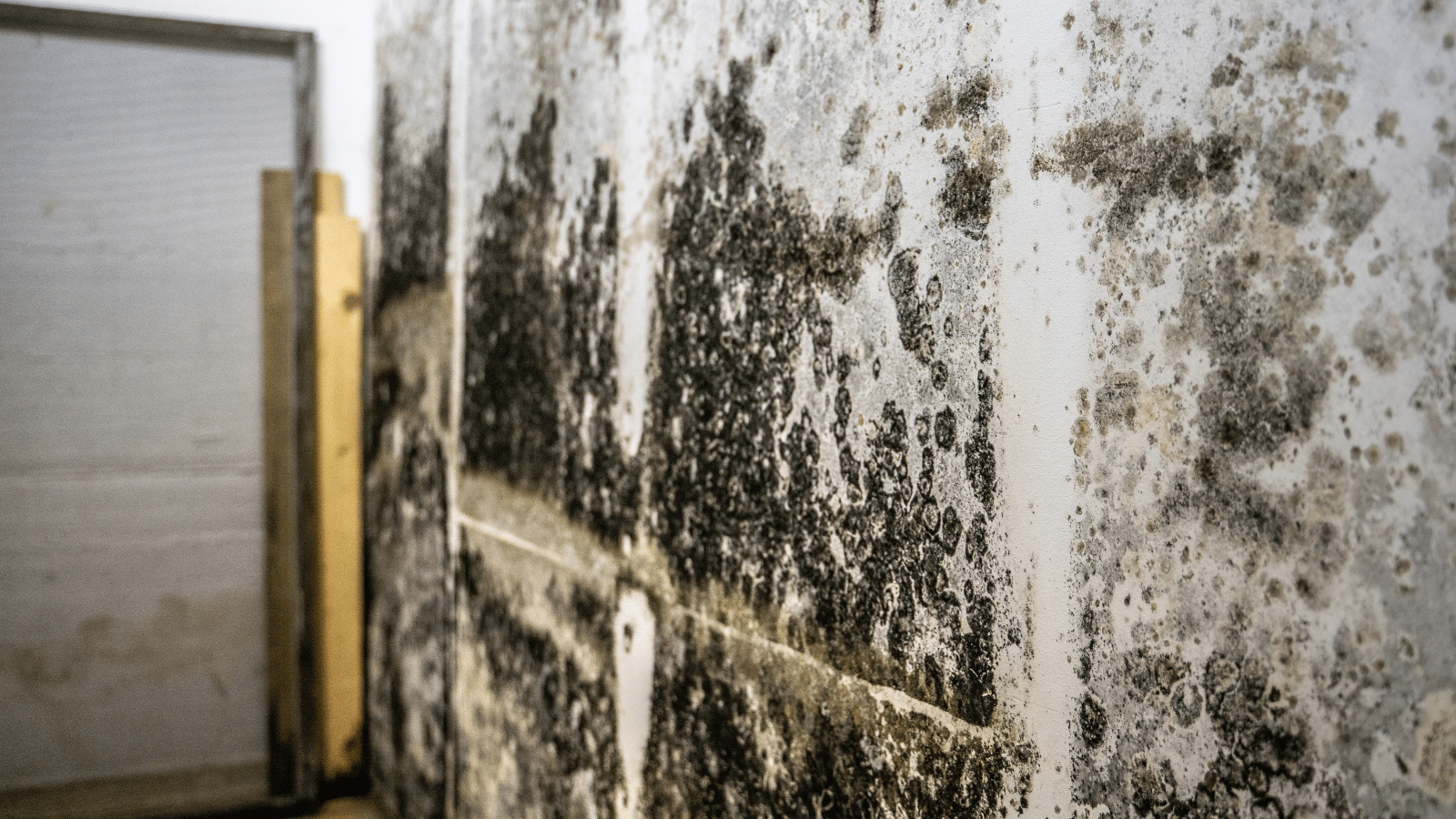
Can a simple trench and the right stone keep your foundation dry and cut mold risk?
I’m Douglas Ray Whitehead, owner of Array of Solutions. I handle every inquiry personally. I’ve worked in the Upstate over 20 years and started this company in 2007.
In this guide we show how a well-designed french drain moves water away from vulnerable structures and landscaping. You’ll see why the stone you choose affects performance, life span, and maintenance needs.
We compare the best gravel for french drain applications and explain the choice criteria: hardness, cleanliness, and shape. You will also learn essential components like filter fabric, trench sizing, pipe placement, and proper backfill.
My approach is plan-first: set the exit point, confirm slope, obey local rules, and protect foundation and interior spaces. If you want personal help, call me at (864) 710-6413 or email scmoldremoval@gmail.com.
Key Takeaways
- Right stone and layout keep water away and reduce mold risk.
- Stone type, cleanliness, and shape drive longevity and flow.
- Filter fabric, trench depth, and pipe placement matter most.
- Plan exit and slope before you dig to meet local rules.
- I personally review sites in Greenville, SC and nearby areas.
Understanding French Drains and Why Gravel Choice Matters
A well‑designed subsurface path turns random groundwater into a predictable exit that protects your home. I bring a building‑science lens from years as a contractor and home inspector, and I focus on how this system preserves indoor air quality while reducing mold risk.
How these drains move water away from foundations:
- A trench lined with filter fabric and filled with clean aggregate creates a permeable channel that lets gravity carry water down a slight slope to a safe outlet.
- A slotted or perforated pipe centered in the bed helps equalize pressure and move captured water along the trench, reducing hydrostatic pressure at the foundation.
- When all parts work together, the system lowers seepage risk and keeps soil moisture from causing leaks and mold growth indoors.
- Voids between angular, hard stone maintain steady water flow and resist collapse under soil pressure.
- Washed, hard material limits silt migration; fabric blocks fines while allowing water to enter the bed.
- Too‑small or mixed fines slow permeability and can trap moisture instead of allowing water to exit the system.
The best gravel for French drain: size, type, and performance
Stone selection and particle size drive how well a trench moves water and resists clogging. We specify washed, hard stone on every project because it preserves flow and lowers long‑term maintenance.
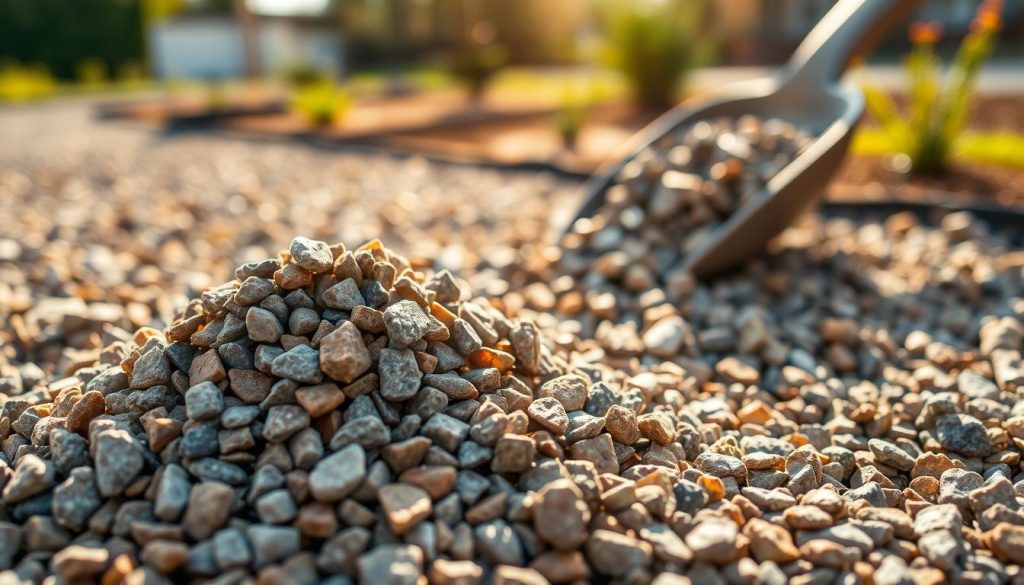
Washed river rock, granite chips, and bluestone compared
Hard materials like washed river rock or granite chips maintain open voids. Bluestone offers larger pieces that pass water freely and look tidy where the bed shows.
Why pea gravel and lime rock are poor choices
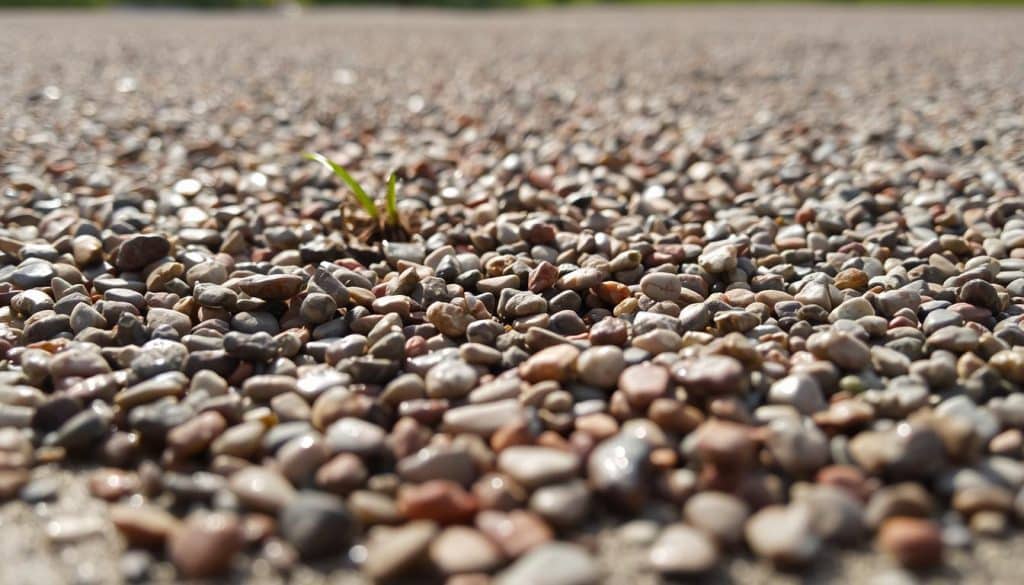
Pea gravel is rounded and packs tightly. That reduces permeability and can hold standing water.
Lime rock crumbles and forms fines that choke flow over time. Skip these if you want low maintenance.
Choosing 1 inch to 1 1/2 inch stone for optimal permeability
- Select washed, hard aggregates to keep channels open and steady.
- Use ~1″ stone for most installs; step up to 1½” if you omit a pipe so the rock itself carries the load.
- If you use smaller crushed stone like RC‑57 with a perforated pipe, wrap the pipe in filter fabric to stop stone ingress.
Match size and type to expected inflow and soil so the system stays free‑draining. This choice protects structures and supports reliable gravel french drainage over time.
Materials and tools checklist for a long‑lasting drainage system
Gathering the right supplies before you dig saves time and prevents costly callbacks. We specify heavy‑duty, non‑woven weed fabric and washed, hard aggregate to protect indoor air quality and reduce maintenance.
Gravel grades, filter fabric, and perforated pipe
Typical layout: line the trench with landscaping fabric, place one‑third depth of ≥3/4″ stone, center a 4″ perforated pipe, add more stone, then wrap the fabric before final cover.
When to use pipe socks and wrapped fabric
- Washed gravel (1″ avg; 1½” if no pipe) paired with heavy fabric to keep soil out and maintain flow.
- Choose a 4″ perforated pipe compatible with fittings; add a filter sock if using smaller crushed stone like RC‑57.
- Tools: trenching shovel, wheelbarrow, tamper, string line, and a hose water level to set slope accurately.
- Stock connectors, downspout adapters, gutter screens, and enough fabric to fully wrap the filled gravel bed.
We stand behind our workmanship with a transferable warranty. Call us to review materials and layout tailored to your soil and water conditions in Greenville, SC.
How to plan your French drain: slope, depth, and exit point
A reliable system begins with a safe discharge point and a measured slope to move runoff. I plan each route to protect neighbors and meet local codes while solving the moisture problem that can lead to mold.
Setting an exit location and complying with local ordinances
Select an outlet based on elevation and soil so water discharges safely and does not erode adjacent yards.
Call for utility locates and check local rules before you dig. Permits or setback rules can affect your route and final design.
Using a hose water level to set a consistent slope
Fill a clear hose until both ends hold water without dripping; those ends are level. Move the uphill end and measure down at the downhill end to set grade.
A steady slope prevents ponding and keeps flow toward the outlet.
Recommended trench width and depth for reliable flow
- Common trench widths: 9–12 inches; minimum practical width is 12 inches in some soils.
- Depth typically starts near 18 inches at the shallow end and increases as site grade requires.
- Match trench size to expected inflows and plan pipe connections, gutter ties, and debris screens.
Step‑by‑step: building the trench and layering the gravel
Start each build by prepping a clean trench and planning how each material layer will manage runoff. A clear plan reduces rework and helps the landscape recover quickly.
Lining with heavy weed fabric (not plastic)
Line the trench with heavy weed fabric so the bed admits water while keeping soil out. Do not use plastic sheeting; it blocks flow and shortens system life.
Bottom trench layer: first third filled with 3/4 inch+ stone
Place washed stone to fill roughly the lower third of the trench. This base creates open voids that collect water and keep the system stable under soil load.
Centering a 4 inch perforated pipe and backfilling
Set a 4″ perforated pipe in the center with holes positioned for your design and a steady slope to the outlet. Backfill over the pipe with more washed stone until you reach the design elevation.
Wrapping, topping with fabric, topsoil, or sod
- Wrap the filled bed with the fabric, overlapping edges to form a continuous barrier that will allow water but resist fines.
- When tying roof runoff, add gutter screens to keep leaves out of the perforations.
- For lawn areas: add a 2″ stone cap, cover with fabric, place 2″ clean sand, add another fabric layer, then finish with >=4″ topsoil before sod.
Keep work tidy. Photograph layers, water the restored surface lightly, and top up any low spots. Clean installation and correct sequencing give immediate performance and long service.
With or without a perforated pipe: how stone size and layers change
Deciding between a pipe or a pipe-free bed shapes how you size the aggregate and layer the trench. We tailor systems to each property: when a pipe adds reliability, we recommend it; when stone-only works, we specify correct gradation so water keeps moving and soils stay protected.
Pipe-free designs: rely on the stone matrix to carry water. Increase stone to at least 1 1/2 inches and fill about two-thirds of the trench depth to form a primary channel that sustains steady flow.
- With a perforated pipe: the pipe equalizes pressure and moves runoff predictably along longer runs.
- Using smaller gradations (RC‑57): always wrap the perforated pipe in filter fabric to prevent stone migration into the holes and to prevent soil ingress.
- Maintain the trench fabric wrap above the bed to block fines and preserve voids that drive water flow.
Verify slope in every layout so water does not stagnate. In silty sites choose angular, hard stone and robust fabric to reduce fines and improve long‑term drainage performance.
Common mistakes to avoid when choosing and installing gravel
Small errors during install cause big headaches later. Follow best practices to protect your home and avoid repeat visits. Our workmanship warranty backs each project so you get lasting results.
- Don’t use pea gravel. Its small, rounded pieces compact and slow water flow. This undermines drainage and invites frequent maintenance.
- Avoid plastic sheeting. Use permeable weed fabric that admits water but keeps soil and fines out. Tears or poor overlaps let dirt intrude and clog the bed.
- Right‑size the trench and verify slope. Typical widths are 9–12 inches and at least 18 inches deep at the shallow end. Check grade with a hose water level so the system actually drains.
- Use washed, hard stone and screen roof inputs. Unwashed material brings fines that pack over time. Add gutter screens when tying leaders into the system to stop debris from entering the pipe.
Plan, mark utilities, and solve upstream issues—gutters and grading—before you dig. Doing so saves time and prevents recurring moisture problems that affect indoor air quality.
Local help in the Upstate: protect your home with Array of Solutions
Keeping water away from a building starts with a clear plan and someone who knows local soils. I combine hands‑on inspections with practical repairs to stop moisture before it harms your property.
Hands‑on expertise: over a thousand inspections since 2007
Since 2007 we’ve completed 1,000+ inspections and hundreds of remediations across the Upstate. I personally evaluate each site, recommend the right drainage system, and oversee work so you get consistent results.
Transferable workmanship warranty and least‑invasive methods
We balance performance with minimal disruption. Our methods preserve landscaping while moving water away and protecting your foundation. Workmanship is backed by a transferable warranty to give you long‑term confidence.
Contact Douglas Ray Whitehead directly
- I answer every call and email: (864) 710-6413.
- Email: scmoldremoval@gmail.com — reach out if you need a second opinion or a full plan.
- Whether adding french drains, improving surface grading, or tying roof runoff, we design to move water away efficiently and protect your foundation in this area.

Conclusion
Proper trench alignment and material choice make water leave the yard, not your basement. Match washed, hard stone to the trench design, wrap the bed with permeable fabric, and confirm a steady slope so water flow stays consistent.
Include a perforated pipe on longer runs and wrap it when using finer crushed stone. That prevents soil and fines from clogging the system and keeps excess water moving without frequent service.
At Array of Solutions, I handle every inquiry personally and back our work with a transferable warranty. Call Douglas Ray Whitehead at (864) 710-6413 or email scmoldremoval@gmail.com for a site review and a practical plan.