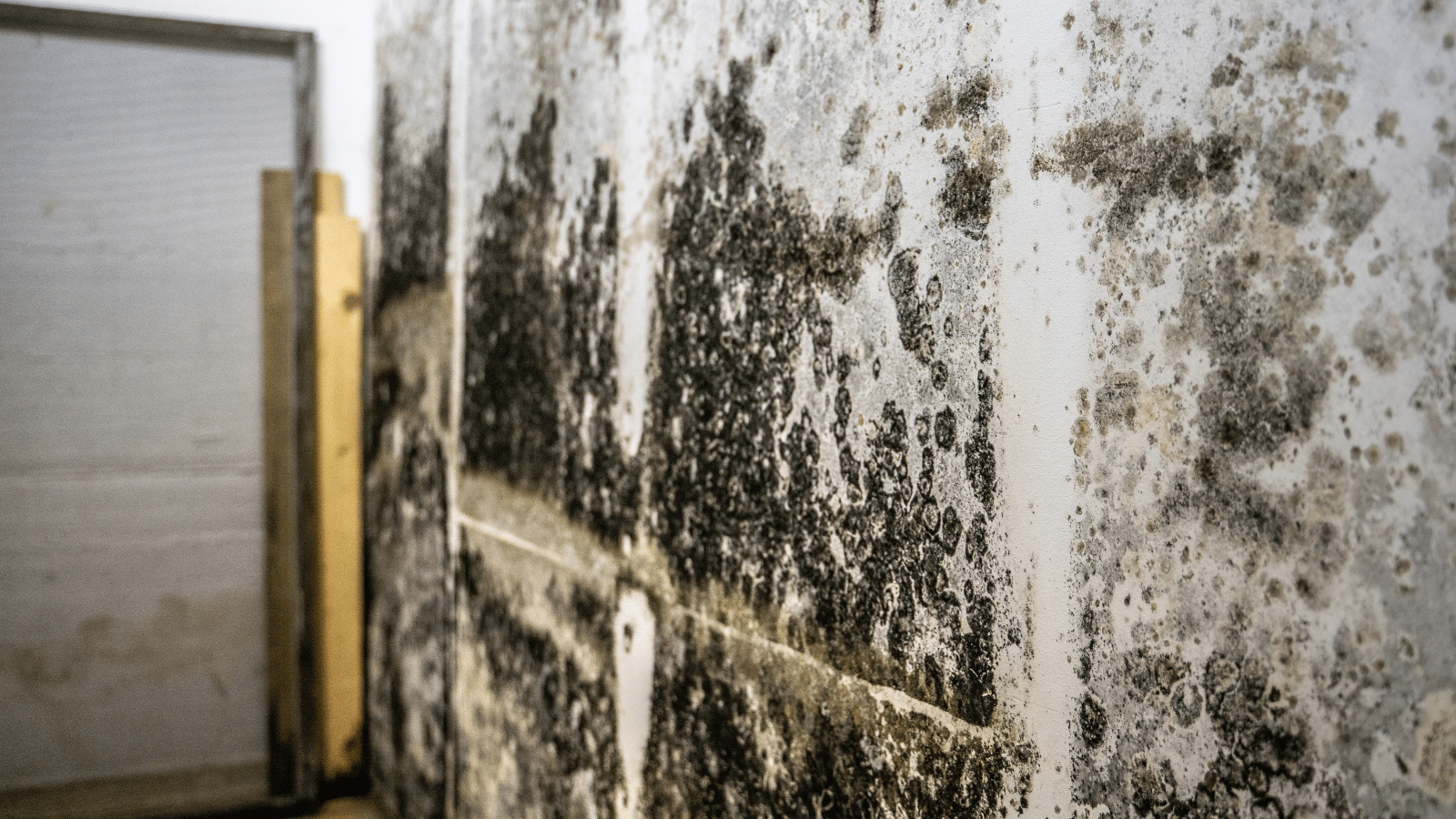
Can a small spot in your bathroom tell a bigger story about your home’s safety and air quality?
I’m Douglas Ray Whitehead, owner of Array of Solutions. I answer every call personally and bring over a thousand inspections and hundreds of remediation jobs to each visit. We serve Greenville, SC and the Upstate with clear, least‑invasive approaches and a transferable warranty.
Mold thrives where moisture and poor ventilation meet. It shows up in basements, kitchens, and bathrooms and can affect breathing and building structure, making timely mold removal essential. You don’t need a lab report to act—see it, address moisture, and follow safe steps for cleanup and prevention.
In this guide, we set expectations and explain how to remove mold, showing which tasks are safe for homeowners and which need a pro. When you need help, call (864) 710-6413 or email scmoldremoval@gmail.com — your safety is my future.
Key Takeaways
- Act on sight: visible mold signals a moisture problem that must be fixed.
- Different surfaces need different removal methods to prevent spread and re‑growth.
- Small, contained areas may be handled safely by homeowners; large or hidden infestations require pros.
- Proper drying and ventilation stop recurrence and protect indoor air.
- Array of Solutions offers hands‑on guidance, warranty, and direct contact with me for assessments.
Understanding Mold, Mildew, and What Causes Growth Indoors
Discolored patches on interior walls are common clues that humidity and poor ventilation are present. These signs point at biological growth that feeds on damp materials and settled spores.
Mold vs. mildew: textures, colors, and where each thrives
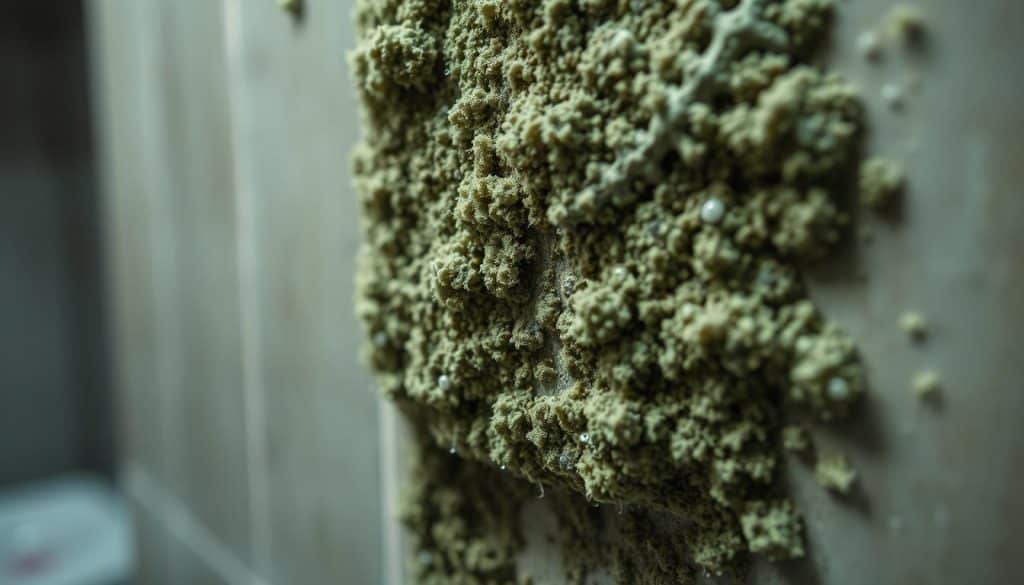
Mold often looks fuzzy or slimy and can be black, green, blue, or red. It prefers warm, damp spots like basements, crawl spaces, and behind furniture.
Mildew tends to be flatter and powdery, usually white, gray, or light brown. You’ll find mildew on moist walls and windowsills where air circulation is poor.
Common household types and why species ID isn’t required
Common indoor genera include Aspergillus, Penicillium, Alternaria, and Stachybotrys chartarum (black mold). The CDC notes species identification rarely changes the needed response.
- Learn to tell growth from dirt by texture and color before choosing a safe solution.
- Small spots on grout, framing, or a surface near leaks often mean repeated moisture events.
- Airborne spores settle on cool, damp surfaces; ventilation and drying are the best defenses.
At Array of Solutions we explain the science plainly so you can decide the next step. Call me at (864) 710-6413 with questions about what’s normal and what’s not indoors.
Health Risks, Structural Damage, and Safety Prep Before You Start
Even a few clustered colonies in a corner can affect breathing and building strength. Your safety comes first; assess symptoms and the size of the affected area before proceeding.
Allergic reactions, asthma concerns, and exposure levels
Mold exposure can cause coughing, wheezing, sore throat, congestion, burning eyes, skin rashes, and headaches. Those with asthma, allergies, or weakened immune systems may have stronger reactions.
The CDC and EPA stress that exposure amount matters more than species. For DIY work, use the EPA guideline of about 10 sq ft as a limit for homeowner cleanup.
How moisture and spores damage wood and porous surfaces
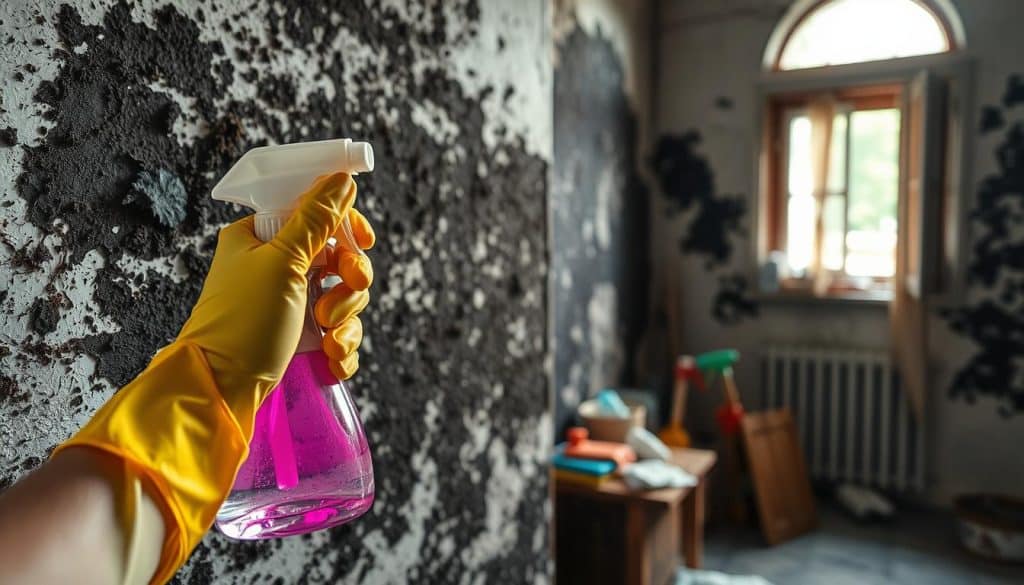
Lingering moisture lets spores colonize wood, drywall, and other porous materials. Over time, fibers break down and structural strength drops.
Protective gear checklist
- N95 mask or respirator
- Non‑vented safety goggles
- Rubber gloves and long sleeves
- Ventilate the room and keep children and pets away
- Plan your workflow to limit disturbance and contain debris
If you’re unsure about the process or see larger areas, call me at (864) 710-6413. As a former contractor and home inspector, I’ll help you decide the safest solution for your environment in Greenville, SC.
How to Remove Mold: Step‑by‑Step by Surface and Severity
Not every spot calls for strong chemicals; many cases respond to gentle cleaning and careful drying. We favor least‑invasive solutions first, then step up only when necessary.
Painted drywall and walls: Start with a mild detergent and water, using a soft sponge and light pressure. Wipe residues, dry quickly with fans, and recheck after 24–48 hours.
Concrete and masonry: These surfaces hold spores deeper. Pre‑wet with your cleaner, scrub with a stiff brush, rinse with clean water, and run dehumidifiers until fully dry. Consider a breathable sealer once cured.
Wood and porous surfaces: Begin with detergent and limited water; avoid soaking. Follow with cleaning‑strength vinegar or hydrogen peroxide if stains persist. If you use bleach, do not exceed 1 cup per gallon of water and ensure strong ventilation.
- Make sure never to mix chemicals and keep good airflow during work.
- If visible spots persist in crevices or fibers, allow full drying between passes; sanding may be necessary with HEPA capture.
- For localized black patches, stop DIY if the area grows, odors intensify, or symptoms worsen — call us for a targeted plan.
Track your time per pass and avoid over‑saturating porous materials; excess water can push spores deeper and extend the process. If removal risks outweigh benefits, I’ll help pivot to a professional plan that protects finishes and indoor air in Greenville, SC.
Choosing the Right Solutions: Bleach, Vinegar, Hydrogen Peroxide, and What Not to Mix
Picking appropriate cleaners helps you balance effectiveness with the least harm to finishes and indoor air. Start with detergent and water on most surfaces. Test any product in an out‑of‑the‑way spot before wider use.
Match the solution to the material: detergents or vinegar for grout, tile, and many painted areas; limited bleach for stubborn stains on non‑delicate masonry; hydrogen peroxide for targeted staining on wood and fabrics.
- Dilution and contact time: follow labels. If you use bleach, do not exceed 1 cup per gallon of water and allow the recommended contact time.
- Ventilation: maintain proper ventilation from setup through the final dry period, especially when you use bleach or oxidizers.
- Never mix: under no circumstances combine bleach with ammonia or other products; dangerous gases form and finishes can be ruined.
Use the mildest effective option first and escalate only if needed. For painted or vintage wood, test first and plan touch‑ups after full drying. Call or email if you need a quick read on what’s safest for your situation in Greenville, SC.
Preventing Mold from Coming Back: Moisture, Ventilation, and Materials
C. “Preventing recurring growth starts with controlling humidity and stopping water at the source.”
Control indoor humidity between 30–50% with dehumidifiers and HVAC settings. Use a hygrometer so you can adjust units and fans with confidence.
Stop water intrusion by fixing leaks, improving grading, and keeping gutters and downspouts clear. Move water away from the foundation to protect basements and low areas.
Materials and condensation
Insulate cold pipes, rim joists, and windows to cut condensation that damages wood and porous surfaces. Only apply mold‑resistant paint or primer after surfaces are fully dry.
Post‑cleanup housekeeping
- Dry all surfaces completely and run continuous ventilation in wet areas.
- Bag contaminated materials, dispose safely, and HEPA vacuum settled dust.
- Build a monthly checklist for humidity checks, gutter cleaning, and fan operation.
We prioritize prevention because it protects your family and investment in Greenville, SC. If you need help tuning equipment or choosing products, call me for practical guidance.
DIY vs. Professional Mold Remediation in the Upstate
Deciding between a homeowner cleanup and a pro job matters for safety, cost, and lasting results.
The EPA suggests a DIY approach when the affected area is about 10 square feet or less. For larger areas, multiple rooms, or recurring spots, call a pro who can contain work and manage drying.
- Use the 10‑sq‑ft rule as a threshold—bigger areas need containment, negative air, and professional drying.
- Red flags: persistent odors, water stains inside walls or on wood framing, or visible mold that returns after attempts get rid mold.
- Hidden colonies in walls, ceilings, or HVAC require specialist equipment and proper ventilation during the process.
- If anyone in the home has asthma, allergies, or immune concerns, choose professional services and post‑work clearance.
Testing for type is rarely necessary; focus on removing visible growth, fixing the water source, and documenting repairs. I’ve completed hundreds of remediations around Greenville and serve as an Expert Witness. If your situation is borderline, call me at (864) 710-6413 or email scmoldremoval@gmail.com — I’ll advise the safest, most cost‑effective route and back the work with a transferable warranty.
Conclusion
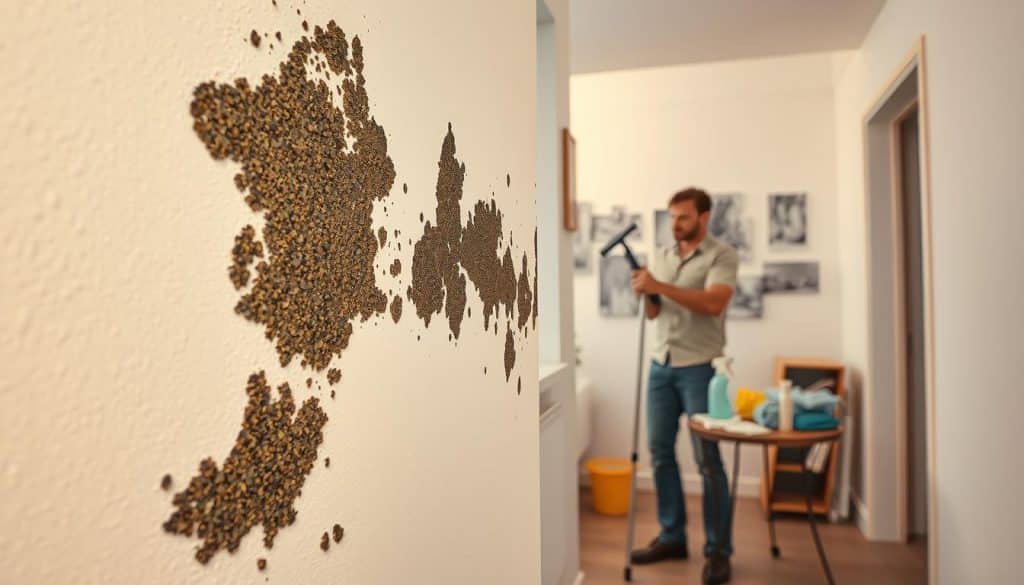
A small, persistent patch can mean a hidden moisture issue that deserves attention. You won’t make a sterile house, but you can remove visible growth and stop the conditions that feed it.
Keep humidity near 30–50%, fix leaks, and dry surfaces quickly. Use the right cleaning products for each surface, wear protective gear and a proper mask during short cleanups, and avoid mixing chemicals.
If stains return, affect wood or walls in multiple areas, or symptoms appear, stop and call for professional support.
I’m Douglas Ray Whitehead. I’ll answer your call personally and guide the least‑invasive path with a transferable warranty. Reach Array of Solutions at (864) 710-6413 or scmoldremoval@gmail.com.