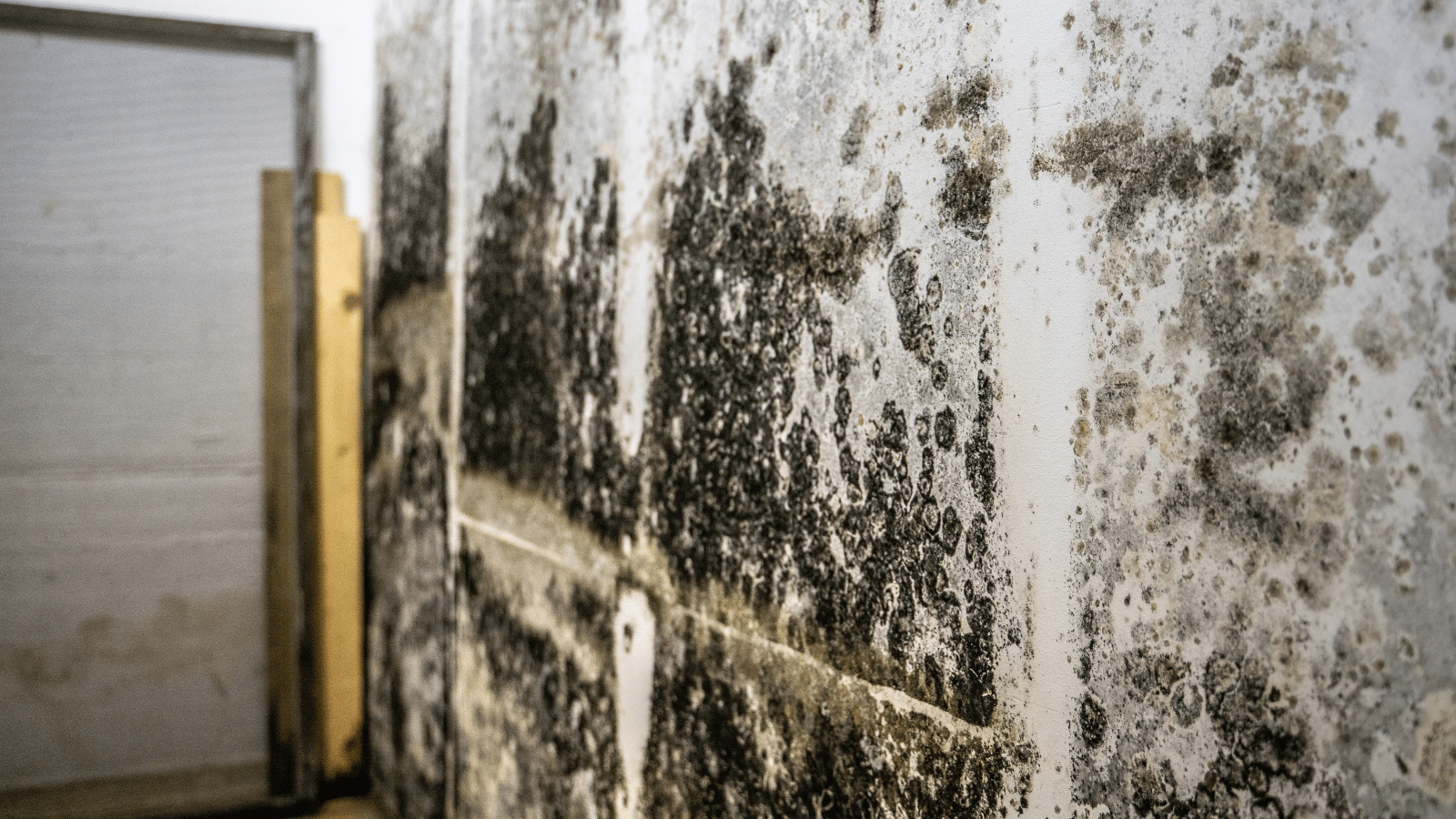
Curious whether a few spots mean a small fix or a major expense that threatens your home’s safety?
I’m Douglas Ray Whitehead, owner of Array of Solutions in Greenville, SC. I handle every inquiry personally and bring 20+ years local experience to each job.
Quick answer: typical professional mold remediation averages near $2,300 with common ranges from about $1,200–$3,750, and prices vary by scope, location, and affected materials.
This introduction will explain when a small, contained issue is manageable and when bringing in a professional is the safer, more cost-effective choice for your family’s health.
I’ll outline what a full remediation includes — containment, negative air, HEPA scrubbing, drying, and antimicrobial cleaning — so you know what you pay for. Call me directly at (864) 710-6413 or email scmoldremoval@gmail.com for straightforward advice.
Key Takeaways
- Average professional remediation is about $2,300; ranges depend on size and damage.
- Small jobs may be under $1,500; whole-house events can reach five figures.
- Professional work includes containment, air control, removal, and drying.
- Fast moisture control lowers long-term expense and protects health.
- As owner I answer your call and provide a clear written scope before work begins.
Buyer’s guide overview: what drives mold remediation cost today
Understanding what drives a remediation estimate helps homeowners plan and avoid surprises. I tailor every estimate to Greenville and the Upstate climate and housing stock so you see realistic ranges up front.
The national average for professional mold remediation sits near $2,300, with many projects between $1,200 and $3,750. Local humidity and older building styles push some jobs higher, and whole-house events may reach $10,000–$30,000.
National averages vs. Upstate realities
National per-square-foot pricing often runs $10–$25. In our area, access, insulation types, and crawl space construction frequently affect that rate.
Average job totals and typical ranges for homeowners
- Small, contained areas: often $500–$1,500.
- Typical professional jobs: $1,200–$3,750 (average ≈ $2,300).
- Severe or whole‑house events: $10,000–$30,000.
Labor—containment, negative air, HEPA cleaning—and material access make up the largest portion of remediation costs. Prior or ongoing water damage raises scope because hidden cavities and multiple rooms may need treatment.
I personally walk clients through every line item so scopes stay clear and predictable. That transparency helps homeowners compare bids and choose the least invasive approach that still protects health and structure.
How much can mold removal cost
Below is a clear breakdown of likely price ranges so homeowners know what to expect before an inspection.
Typical ranges: most professional projects fall between $1,200 and $3,750, with an average near $2,300. Small surface issues may be as low as $500. Major, whole‑house events after significant water damage can reach $30,000.
Per-square-foot guidance: budgeting often uses $10–$25 per square foot, but that rate shifts with access, materials, and complexity. Minimum mobilization and containment raise the apparent per square rate on very small jobs.
- Expect typical professionals to land in the $1,200–$3,750 band for most jobs.
- Per square estimates are useful, but on-site moisture readings and access change the final number.
- I provide a written scope that lists containment, equipment, cleaning, and disposal so you see exactly what you’re paying for.
We also explain when visual assessment suffices and when testing adds value. Correcting the moisture source is essential; without that, the problem—and associated costs—often return. Call or email me directly for an accurate estimate tailored to your home and priorities.
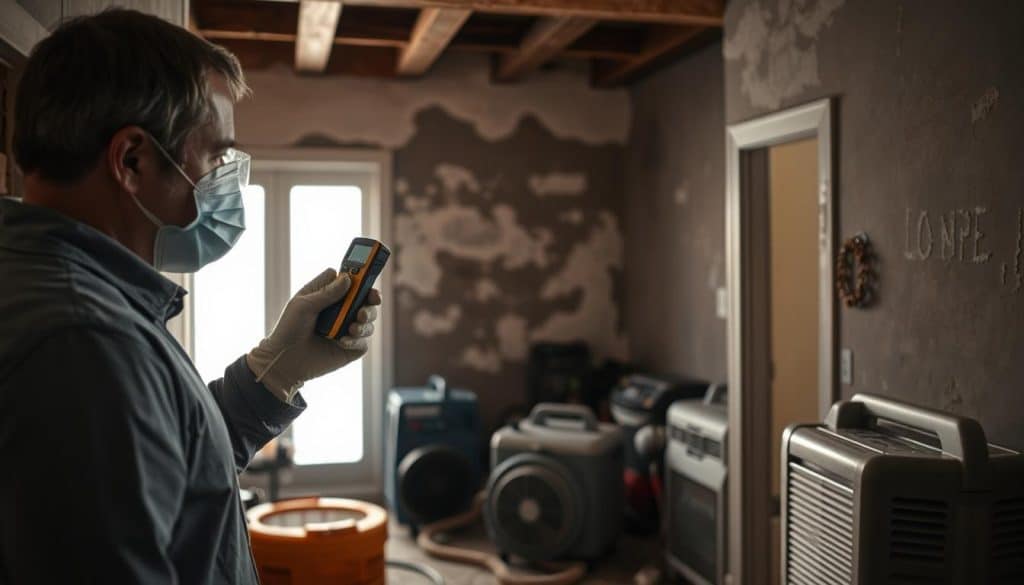
Cost per square foot explained for homeowners
Breaking pricing down by square footage shows where fees rise and where savings appear. This makes bids easier to compare and helps you pick the least invasive plan that still protects your family and home.
$10–$25 per square foot: why size and complexity change the rate
Professional mold remediation typically ranges $10–$25 per square foot. Complexity, access, and materials push a job toward the high or low end.
Small areas up to 50 square feet: minimums and mobilization
Small jobs (up to 50 square feet) often show higher per‑square rates because setup, containment, and minimum mobilization dominate price. Expect roughly $500–$1,250 for this size.
100–200 square feet: moderate containment and material impact
At 100–200 square feet, moderate containment is common. Drywall, insulation, or carpet repairs raise labor and materials. Typical figures run $1,000–$5,000 depending on scope.
Large areas 500–1,000 square feet: economies of scale vs. added repairs
For 500–1,000 square feet, per square rates may fall, but demolition and reconstruction costs climb. Expect $5,000–$25,000 when restoration is needed.
- Materials matter: drywall and insulation cost more to replace than sealed concrete or tile.
- Location matters: bathrooms, HVAC closets, and crawl spaces may require extra containment even with less square area.
- Air control: negative air and HEPA filtration affect per square and final expenses.
I build a tailored scope that balances protection and efficiency, then back it with a transferable warranty so you know exactly what the numbers include.
Mold removal costs by location in your home
Different areas of a house create very different remediation challenges and price ranges. I’ll summarize typical ranges and the main reasons prices vary so you can plan.
Attic: $1,000–$4,000 — insulation matters
Attic jobs rise when insulation is porous and must be removed. Roof leaks often hide contamination in rafters and decking.
Basement: $500–$3,000 — chronic humidity
Basements need humidity control plus treatment. Long‑term dampness expands the affected area and the remediation cost.
Bathroom: $500–$1,000 — hidden plumbing leaks
Surface stains may be small but leaks behind tiles or vanities increase scope. We inspect cavities before quoting.
Crawl space: $500–$2,000 — access issues
Limited clearance raises labor and containment time. Encapsulation or vapor barriers often pair with remediation work.
HVAC & AC systems: $3,000–$10,000 — ductwork complexity
Central systems need specialized cleaning and sometimes component replacement to stop recontamination of living areas.
Whole‑house: $10,000–$30,000 — major water events
Floods or widespread water intrusion lead to broader restoration. This band includes demolition, drying, and reconstruction.
- We detail typical ranges by location and explain why access and ventilation influence the scope.
- If black mold is suspected in high‑use spaces, we take added precautions while staying evidence‑based.
- We choose the least invasive options that still protect your home and indoor air.
Key factors that influence remediation costs
The true price hinges on access, the size of the affected area, and whether porous materials require removal.
Location and accessibility
Access drives labor. Tight crawl spaces or high attics need more time and more technicians. That increases the labor share of the final estimate.
Square footage and spread
The overall square feet and whether mold spores reached adjacent rooms determine the level of negative air and number of HEPA units needed.
Extent of damage and materials
Porous materials like drywall, insulation, and carpet usually require removal. Non‑porous surfaces often allow cleaning.
Labor, containment, and equipment
Equipment—negative air machines, air scrubbers, and dehumidifiers—scales with complexity. Hidden damage or ongoing moisture raises scope to include drying and repairs.
- Access and location affect mobilization and labor.
- Size and spread set ventilation and equipment needs.
- Materials and type mold guide removal versus cleaning decisions.
- We write all assumptions into your scope so the remediation cost matches real site conditions.
Hidden or additional line items homeowners should expect
A clear scope upfront prevents surprise charges when remediation uncovers hidden damage. I flag every potential add-on in writing so you can compare bids apples‑to‑apples.
Structural repairs and material replacement
Porous materials often need removal and rebuild. Expect drywall, flooring, framing, or cabinetry work if underlying damage exists.
HVAC cleaning or component replacement
If ductwork or system components show contamination, we detail cleaning or replacement options to stop reintroduction of spores into your home.
Temporary housing during critical phases
When bedrooms or main systems are affected, temporary housing may be safer for your household. We discuss options before work begins.
Waste handling and disposal fees
Proper bagging and disposal of contaminated materials follows local rules. We include these steps and fees in the written proposal.
Post‑remediation clearance testing
Third‑party testing validates results. We arrange clearance sampling on request so insurers and homeowners have documented proof of successful work.
Permits or third‑party inspections when required
Some municipalities or insurance policies need permits or inspections. We note those potential items and their impact on timeline and costs.
- We separate remediation from reconstruction so you control finish choices and budget precisely.
- Clear inclusions and exclusions reduce change orders and lower total remediation costs by preventing delays.
DIY vs. professional mold removal: cost thresholds and safety
Deciding whether to DIY or call a pro starts with the size and setting of the growth. The EPA suggests DIY only for areas under about 10 square feet. For those small patches, proper PPE and drying usually work.
EPA’s 10 square foot guideline for DIY cleaning
If the spot is less square than 10 square feet and is on hard, non‑porous surfaces, you may safely remove mold using N95 respirators, gloves, goggles, and proper cleaners.
When professional remediation is the safer, more cost‑effective choice
If growth touches HVAC, wall cavities, or spans multiple rooms, hire a professional mold remediation team. Hidden spread, ongoing standing water, or visible rot raise health risks and lead to repeat work.
- DIY basics: stop leaks, remove standing water, ventilate, discard porous items, and clean hard surfaces.
- Warning signs: HVAC involvement, deep discoloration, or rapid return after cleaning.
- Ask me: I’ll review photos and advise whether to try DIY or schedule an assessment.
What a professional mold remediation process includes
Protecting your home begins the moment technicians seal the work area and control airflow. A clear process keeps spores contained and sets expectations for the full scope of work.
Containment, negative air, HEPA air scrubbers, and removal
We establish airtight containment with plastic barriers and zipper doors to protect the rest of your house. Negative air machines create pressure differentials while HEPA air scrubbers reduce airborne spores in the work zone.
Porous items are removed methodically to avoid spread. Non‑porous surfaces receive targeted cleaning and salvaging when safe.
Drying, leak correction, and antimicrobial cleaning
After removal, drying equipment and dehumidifiers restore safe moisture levels. We correct the leak or moisture source before finishing to prevent recurrence.
Final cleaning uses approved antimicrobial agents on hard surfaces. I document the system, equipment used, and each step with photos and notes.
- We match equipment to the size and complexity of your space.
- Third‑party clearance testing is arranged on request.
- Our method is the least invasive that still meets industry best practices.
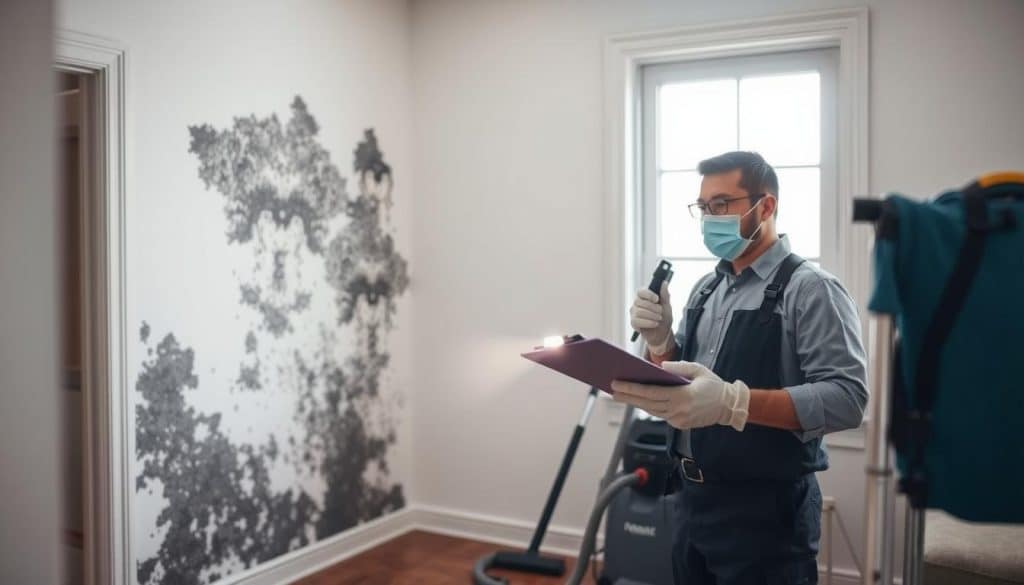
Mold inspection and testing costs before and after the job
I begin every inspection with a straightforward visual walk‑through and moisture readings to set a clear scope. That approach avoids unnecessary tests and helps keep remediation costs predictable.
Visual assessments vs. air or surface sampling
Visual checks and moisture meters often reveal the source and spread. When growth is visible and moisture is obvious, a visual report may be sufficient.
Air or surface sampling is useful when hidden cavities, legal needs, or post‑work clearance are at stake. Samples help measure airborne spores and validate cleaning effectiveness.
Typical pricing for inspections and lab analysis
Basic testing commonly runs $250–$350. More comprehensive sampling with lab analysis typically ranges $450–$800.
- When visual works: proceed and save on testing.
- When to test: hidden issues, insurance, or clearance after cleaning.
- Goal: return indoor air to background levels and document results.
I’ll explain results in plain language, show what they mean for your home, and recommend only the tests that add real value. If black mold is suspected, targeted sampling guides safety steps without exaggerating risk.
Understanding mold types and health risks without the hype
A measured approach sorts real health risk from cosmetic staining and directs appropriate steps.
Black mold vs. common household molds: “black mold” is a term people use for darker colonies, but the EPA does not base cleanup solely on species. Some types may need extra precautions, yet most actions focus on moisture control and containment.
Health considerations that affect scope and timeline: Respiratory irritation and allergic responses are the common concerns. Sensitive occupants—young children, elderly, and those with respiratory conditions—often require slower timelines and stricter containment.
- We explain what “black mold” typically refers to and compare it with other common growth.
- Testing guides the level of PPE and containment we select for a safe job.
- Our scopes prioritize exposure control: containment, negative air, HEPA filtration, and careful disposal.
- We avoid hype and use evidence‑based steps so families remain safe and informed.
Water damage and moisture control: the cost of not fixing the source
Unchecked leaks and trapped humidity turn a small cleanup into a repeating expense and health risk. Source control must come first. I treat leaks as the primary issue before any cleaning or remediation.
If moisture sources aren’t corrected, even thorough mold remediation will fail. Drying within 24–48 hours after an event stops colonies from spreading into cavities and subfloors.
- Unresolved leaks and high humidity erase remediation gains and drive repeat expenses.
- Fast action after water events prevents large‑scale growth; standing water must be removed quickly.
- Keep humidity between 30%–50% and use dehumidifiers in basements and crawl spaces.
- Remove carpet in chronically damp areas and improve ventilation to lower long‑term risk.
I identify building details that trap moisture and coordinate with plumbing or roofing pros when fixes are needed during remediation. Preventing recurrence is the most cost‑effective step to protect your home and preserve the value of any work performed.
Homeowners insurance and mold: when coverage can help
Whether your insurer pays often comes down to the timing and cause of the event. Sudden, accidental water events usually receive different treatment than slow leaks or maintenance issues.
Claims after sudden water damage vs. long‑term issues
Sudden events like a burst pipe or appliance failure often fall under standard homeowners insurance. You should document the event immediately with photos and a clear timeline.
Gradual problems from long-term leaks or poor maintenance are often excluded. If a policy excludes chronic issues, we focus on limiting future costs and stopping the source.
- I provide scopes, photos, and third‑party testing options to support insurance conversations.
- Clearance reports and lab results may strengthen a claim when required by an adjuster.
- Some municipalities or insurers require permits or independent inspections before approving work.
- I coordinate with adjusters, grant site access, and answer technical questions to keep your project moving.
Practical tip: save all invoices and the written scope for your claim file. I’ll help you prepare the documentation so you and your insurer have a clear record of the needed mold remediation and repairs.
Greenville and Upstate SC realities: climate, humidity, and local pricing
Years here taught me that seasonal humidity, not just visible stains, drives most service calls. I built Array of Solutions around these patterns to give practical, local guidance.
Seasonal humidity patterns that drive remediation needs
Warm, humid months push moisture into basements and crawl spaces. That increases the need for timely ventilation and dehumidification.
Local risks and practical steps
- Basements and crawl spaces often need added ventilation or a dedicated dehumidifier to protect the living space.
- Attic leaks may go unnoticed; periodic roof and attic checks prevent larger water issues.
- HVAC settings matter—balanced airflow keeps humidity down and improves indoor air quality.
- Local pricing follows national ranges but shifts with access and seasonal demand in older homes.
Scheduling tip: I recommend off‑peak months for non‑urgent work to improve availability and limit extra mobilization fees.
If you’re unsure where to start, I’ll walk you through a short inspection plan focused on typical Upstate assemblies and problem areas so your home is protected before small issues grow.
Ways to prevent future costs after remediation
A few routine checks will keep indoor humidity and hidden growth from becoming repeated headaches. Our goal is to protect your investment long‑term with a simple maintenance plan you can follow.
Humidity control, ventilation, and rapid leak response
Keep humidity between 30%–50%. Use dehumidifiers in basements and crawl spaces. Run exhaust fans in kitchens and bathrooms during and after use.
Fix plumbing or roof leaks promptly and dry any water‑damaged areas within 24–48 hours.
Material choices in wet areas to reduce risk
Choose tile, sealed concrete, or moisture‑resistant backers in high‑risk areas. Remove carpet in damp zones to limit porous substrates that harbor spores.
- Routine checklist: monitor humidity, change HVAC filters, and schedule seasonal inspections.
- Regular cleaning supports indoor air quality and helps spot early signs like musty odors or bubbling paint.
- Landscaping and proper drainage reduce water intrusion; slope soil away from foundations.
- We give a tailored maintenance calendar for your home and suggest where dehumidifiers or exhaust upgrades help most.
- If growth appears again, call me for a quick assessment before it spreads.
Why choose Array of Solutions for your mold remediation in Greenville, SC
Direct owner contact means decisions get made with experience, not passed through a call center. I personally answer every call and email so your questions are handled quickly and clearly.
Since 2007 we’ve completed over a thousand inspections and hundreds of successful projects across the Upstate. That background gives me Expert Witness credibility and practical field experience.
Direct-to-owner service
- Speak directly with me—no handoffs—so estimates and timelines are precise.
- I blend contractor, home‑inspector, and Expert Witness skills to protect your home.
- Every job includes photo documentation and a clear, written scope.
Proven methods and warranty
- Least invasive approach: we limit demolition while meeting professional mold remediation standards.
- Transferable workmanship warranty: gives lasting protection and resale value.
- We coordinate repairs with trusted trades to finish work efficiently and cleanly.
Contact
Call (864) 710-6413 or email scmoldremoval@gmail.com to schedule an assessment. I’ll review your situation and outline the next steps on the first call.
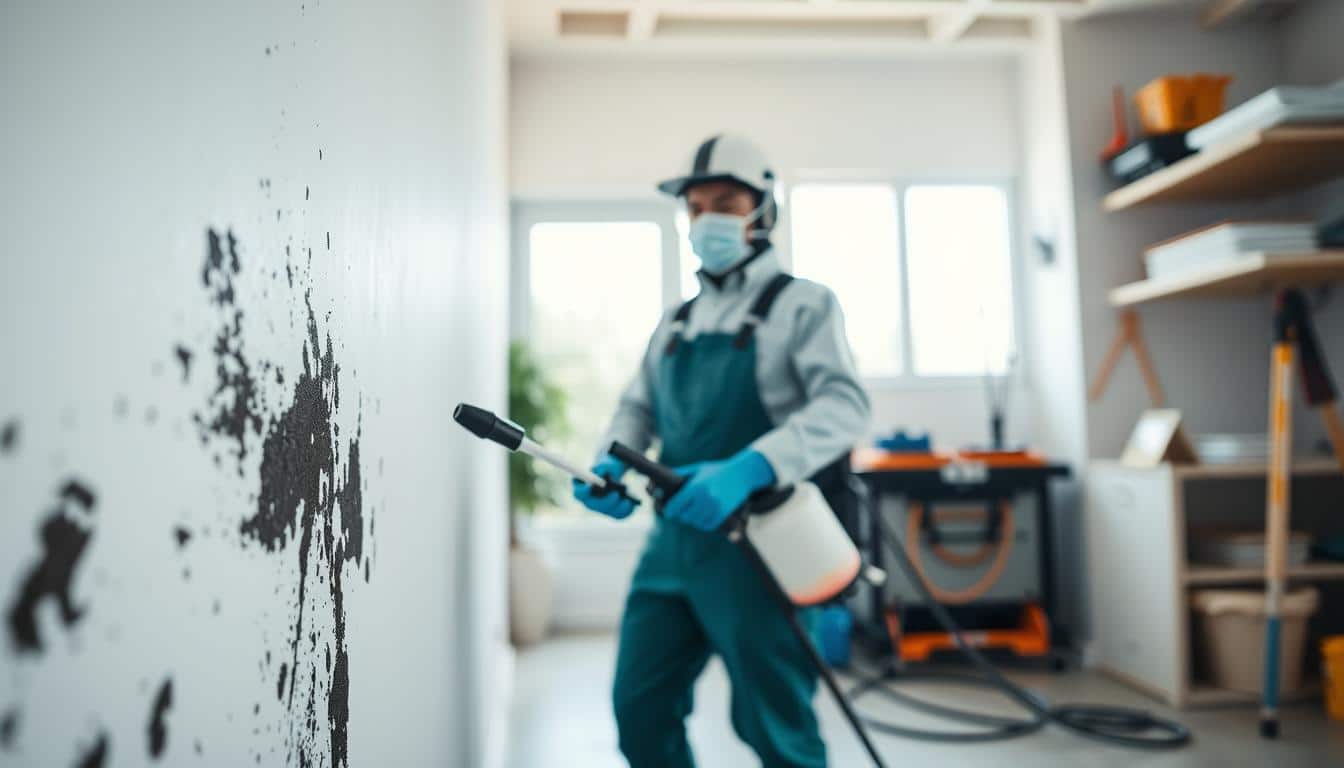
Buyer’s checklist: compare bids and scopes the smart way
Before you sign a contract, use a simple checklist to compare scopes side‑by‑side and avoid hidden surprises. I encourage homeowners to review bids line‑by‑line and ask me to check competitor scopes at no charge.
Containment, equipment, restoration, and testing in writing
Get the full process documented: containment, negative air, HEPA air scrubbers, removal, cleaning, and disposal. Ask for equipment specs and quantities so the proposal matches the space.
Licensing, insurance, and timeline clarity
Confirm licensing and insurance and whether the contractor carries mold remediation coverage. Verify daily work hours, total timeline, and whether your family can remain in the home during work.
- Separate remediation cost from reconstruction to compare apples‑to‑apples.
- Clarify who pays for pre/post testing and lab fees; ask if third‑party clearance is included.
- Verify waste handling and whether permits or municipal inspections are needed.
- I’ll help interpret bids so you choose thorough protection at a fair price.
Conclusion
A clear plan protects your family’s health and stops small problems from growing into major repairs.
Mold remediation done right shields your home and budget. Costs vary with size, location, and materials, so a written scope prevents surprises.
The professional process — containment, negative air, HEPA scrubbing, targeted mold removal, drying, and antimicrobial cleaning — keeps spores from spreading and limits future problems.
Fix the moisture source and follow simple prevention steps to avoid repeat events. Testing is used when it adds value or validates results.
Your safety is my future. I personally manage every step and back work with a transferable warranty. Ready to take the next step? Call (864) 710-6413 or email scmoldremoval@gmail.com for a straightforward plan tailored to your home.
FAQ
How much can mold removal cost for a typical home project?
National averages range widely, but homeowners in the Upstate often see jobs from a few hundred dollars for small, contained work up to tens of thousands after major water events. Typical single-room jobs usually fall between $500 and $4,000 depending on size, materials affected, and repairs needed.
What drives mold remediation pricing today?
Key drivers include square footage affected, accessibility, extent of damage to building materials, required containment and equipment, labor hours, and any needed structural repairs or HVAC work. Local climate and seasonal humidity in Greenville, SC also affect frequency and scope of work.
How do national averages compare with what we see in the Upstate?
National averages provide a baseline, but local costs reflect regional labor rates, higher humidity-related recurrence, and contractor availability. In Greenville-area jobs, homeowners often encounter slightly higher rates for HVAC-related work and whole-house remediation after storms.
What are typical job totals and ranges homeowners should expect?
Small cleanups can be under $1,000. Moderate jobs commonly run $1,000–$6,000. Large or whole-house remediations after major water intrusion often exceed $10,000 and can reach $30,000 when restoration and repairs are extensive.
How is price calculated per square foot?
Per-square-foot pricing depends on containment complexity, materials to remove, and required equipment. A common band is roughly $10–$25 per square foot for standard remediation, with adjustments for difficult access, hidden contamination, or added repairs.
Why do rates differ for small areas up to 50 square feet?
Small jobs still require setup, mobilization of gear, containment, and proper waste disposal. Minimums cover that overhead, so per-square pricing can be higher on tiny patches compared with larger jobs that spread costs across more area.
What about jobs in the 100–200 square foot range?
At this scale, moderate containment and material replacement (drywall, insulation) often factor in. Expect clearer per-foot pricing and predictable labor time, but costs rise if structural drying or plumbing repairs are needed.
How do large areas (500–1,000 sq ft) affect pricing?
Large jobs usually benefit from economies of scale for containment and equipment use, which can lower the per-square-foot rate. However, added repairs, extended drying time, and potential structural work can increase total cost significantly.
What are typical costs by location in the home?
Attics commonly cost $1,000–$4,000 due to insulation and access. Basements range $500–$3,000 for humidity-related growth. Bathrooms often run $500–$1,000, especially with hidden plumbing leaks. Crawl spaces are $500–$2,000 because access complicates work. HVAC and duct remediation can be $3,000–$10,000. Whole‑house jobs fall between $10,000–$30,000 after major water events.
What factors influence remediation costs the most?
Location/accessibility, total square footage, how deep contamination goes, labor and containment needs, and specialized equipment such as HEPA filtration or negative-air machines. Required repairs and time for drying also affect price.
What hidden or additional line items should homeowners expect?
Plan for possible structural repairs, HVAC component replacement, temporary housing for occupants during major work, waste disposal, post‑remediation clearance testing, and any permits or third‑party inspections that local authorities require.
When is DIY cleaning reasonable versus hiring professionals?
The EPA suggests owners handle isolated contamination under about 10 square feet. Larger areas, HVAC contamination, or any sign of significant water damage, ongoing leaks, or health symptoms merit professional remediation to control spores and prevent recurrence.
What does a professional remediation process include?
A full job typically includes containment, negative-air machines, HEPA filtration, safe removal of affected materials, drying and moisture control, leak repair coordination, antimicrobial cleaning, and post‑remediation verification testing.
What are inspection and testing costs before and after remediation?
Visual assessments are less expensive; air or surface sampling and lab analysis increase costs. Expect inspection fees from a few hundred dollars upward, with lab testing adding another few hundred depending on sample count and turnaround.
Do different mold types affect price and approach?
While “black mold” is a common concern, remediation scope is driven by location and extent rather than species alone. Some species require more conservative handling and testing when occupants have health issues, which can increase scope and cost.
How does untreated water damage affect long‑term costs?
Failing to fix the moisture source leads to recurring growth, structural decay, and higher future restoration costs. Proper drying, leak repair, and moisture control now reduce long‑term expenses and protect indoor air quality.
Will homeowners insurance cover remediation?
Coverage depends on your policy and the cause. Sudden water events like burst pipes often qualify, while long‑term neglect or chronic humidity typically does not. Document damage promptly and work with your agent for claim guidance.
How does Greenville, SC climate affect remediation needs and pricing?
Higher seasonal humidity in the Upstate increases mold risk and call volume, which can raise local demand for remediation. That seasonal pressure sometimes affects schedules and pricing during peak months.
What preventive steps reduce future remediation expenses?
Control indoor humidity, improve ventilation, respond quickly to leaks, and use moisture-resistant materials in wet areas. Regular HVAC maintenance and crawlspace encapsulation also lower recurrence risk.
Why choose Array of Solutions in Greenville, SC?
We blend practical experience with least‑invasive methods, offer a transferable warranty, and provide direct-to-owner service. Contact Douglas Ray Whitehead at (864) 710-6413 or scmoldremoval@gmail.com for a clear scope and written estimate.
What should I look for when comparing remediation bids?
Compare written scopes that list containment, equipment, restoration work, and testing. Verify licensing, insurance, timeline, and warranty details so bids are apples-to-apples for a confident decision.