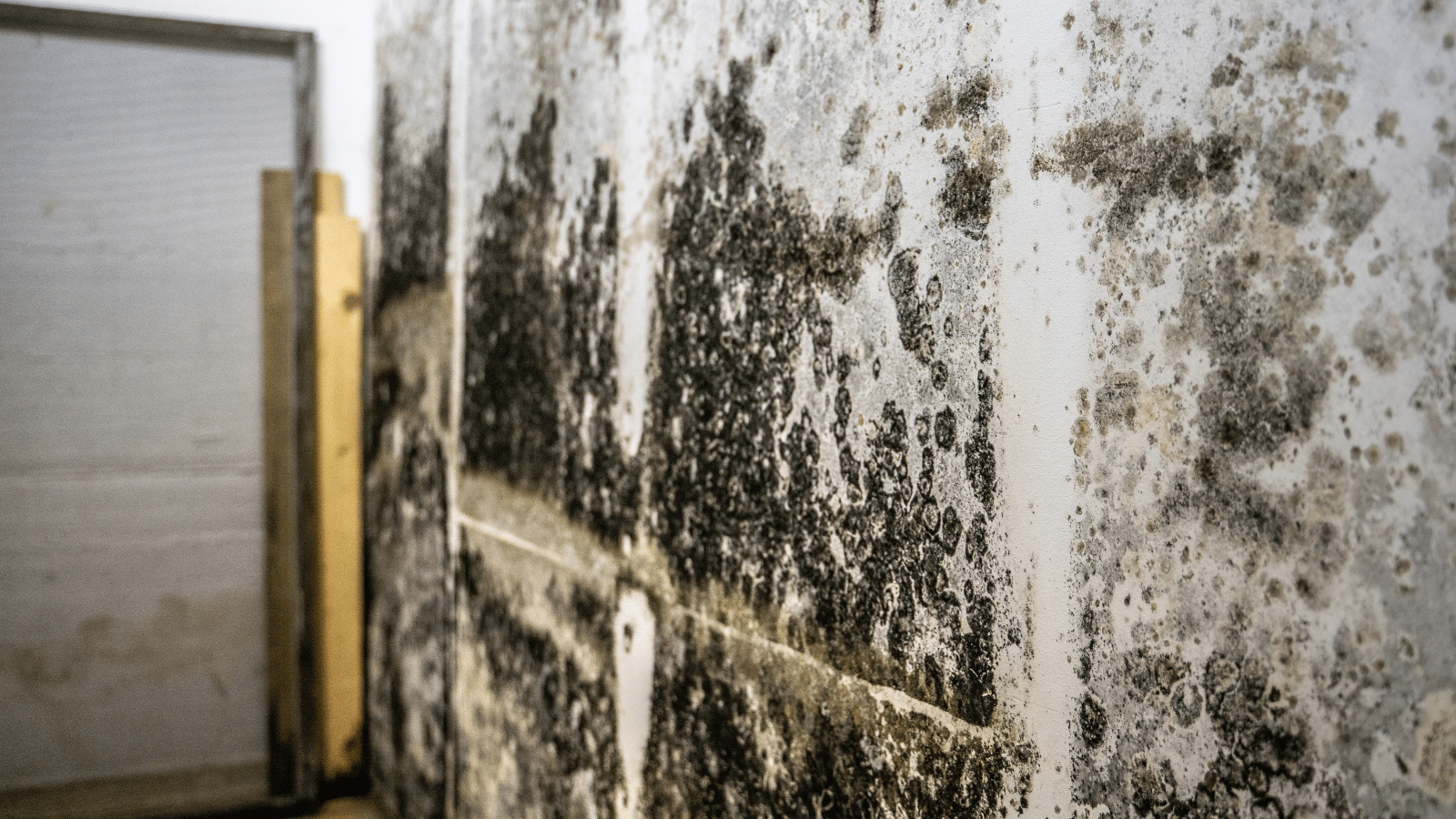
Have you ever wondered if that musty smell is a simple damp patch or a hidden mold and remediation issue that can harm your family and lower the value of your property?
I’m Douglas Ray Whitehead, owner of Array of Solutions, serving Greenville, SC since 2007. I personally answer every call and manage each job from inspection to final verification.
We explain what causes growth in Upstate humidity and why quick action matters for your health. Our local company uses the least invasive air-quality methods and offers a transferable warranty so you know we stand behind our work.
Expect clear communication, step-by-step restoration, and tailored plans for both residential commercial properties. With over a thousand inspections and hundreds of projects completed, our professionals bring trusted experience to your door.
Contact us at (864) 710-6413 or scmoldremoval@gmail.com to schedule an on-site assessment. Your safety is my future.
Key Takeaways
- Owner-led service from Array of Solutions ensures direct communication and accountability.
- We focus on reducing contamination to normal levels using the least invasive methods.
- Prompt assessment limits spread, lowers repair costs, and protects occupant health.
- Services cover both residential commercial properties with clear pricing and documentation.
- Transferable warranty and verified workmanship offer added peace of mind.
Buyer’s Guide: Understanding Mold Risks, Health Concerns, and When to Act
B. Small, discolored spots on walls or ceilings can be the first clue of a bigger indoor air issue.
Common indoor types and what they look like. Aspergillus often appears as green to black flecks. Alternaria shows up on wallpaper or window frames and can trigger asthma or hay fever. Cladosporium grows on damp building materials and near cooling units.
Chaetomium has a musty odor and a cotton-like texture in water-damaged areas. Penicillium looks velvety and blue-green near water intrusion. Stachybotrys—often called black mold—appears dark green to black and hides under tiles, behind walls, or in ceilings.
Early warning signs to watch for
Musty odors, dark patching, fuzzy or slimy surfaces, and warped materials are clear signs mold growth may be present.
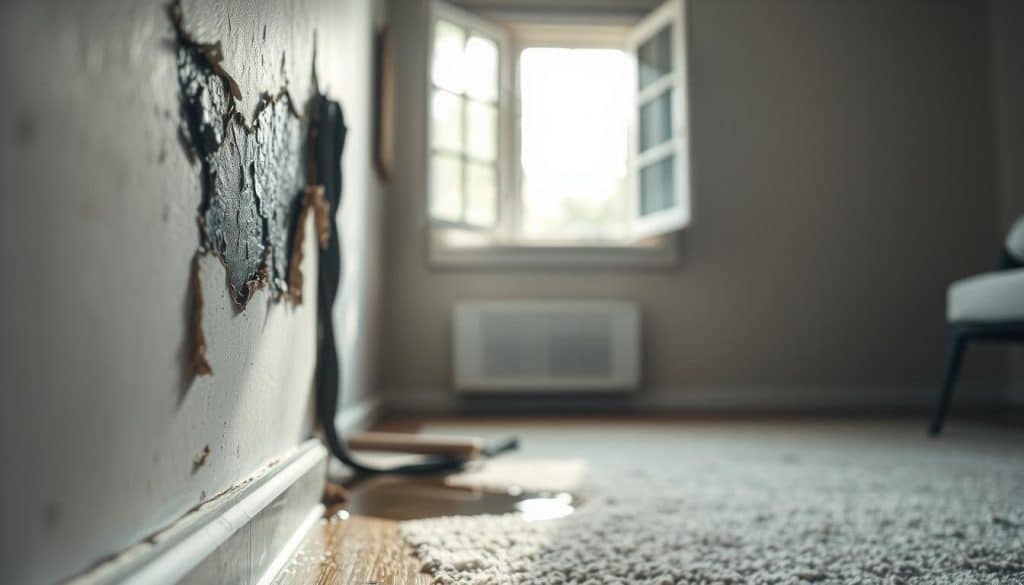
Look for condensation, peeling paint, soft drywall, or unexplained odors near plumbing or HVAC. These red flags often point to an active water issue beneath surfaces.
- Visible spotting usually means no costly testing is needed; treat the source first.
- DIY test kits cost about $10–$15 and return lab results by e-mail in a few days if you need confirmation.
- If you suspect black mold or occupants have health complaints, call us for a professional evaluation.
When to act: For small, contained spots a quick phone consult may suffice. For persistent growth, visible spread, or health concerns, schedule a visual inspection so we can identify cause mold issues and stop further growth.
I’m always available to answer questions at (864) 710-6413 or scmoldremoval@gmail.com.
What “mold and remediation” Really Means
Understanding the difference between reducing airborne spores and removing damaged materials helps you make safer choices.
Remediation vs. removal: getting levels back to normal and preventing spread
Remediation focuses on returning indoor levels to what is normal outside by fixing moisture sources and stopping spread. It is not realistic to eliminate every spore. Sometimes removal of porous materials is the safest option when cleaning won’t work.
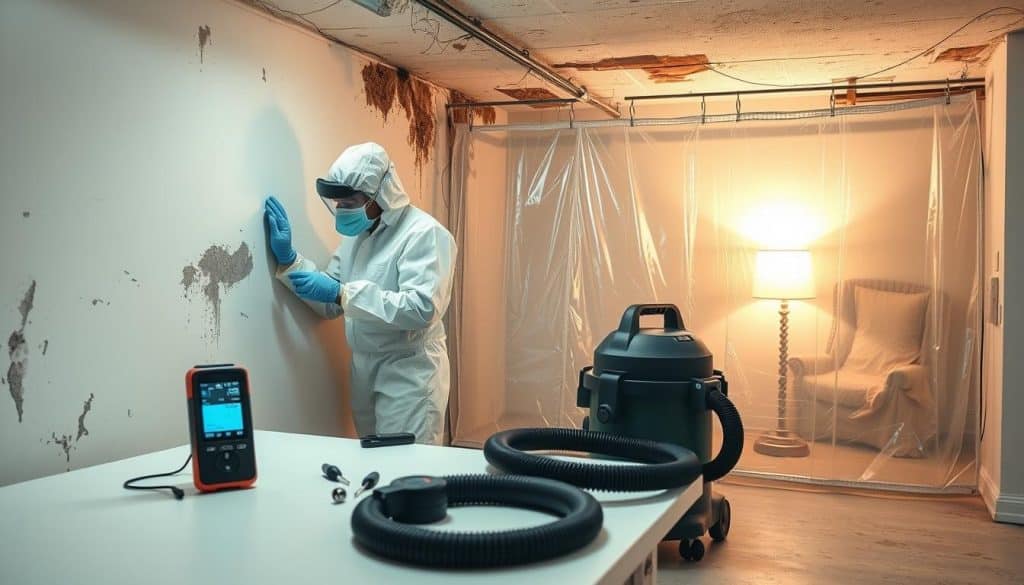
Containment and HEPA air filtration to protect clean areas
We use containment and negative air to limit particle movement. HEPA vacuums and air scrubbers capture fine particles during demolition and cleaning. HVAC and fans are kept off inside containment to avoid cross‑contamination.
- Sequence: containment first, then targeted removal, then cleaning.
- Equipment choices are based on risk and the materials affected.
- Clear documentation explains what was remediated, removed, and protected.
I walk clients through this remediation process so you know when targeted removal is needed and when cleaning will restore safe indoor air. Our professionals answer questions and document each step for your peace of mind.
The Mold Remediation Process Step-by-Step
Starting with a focused inspection helps us target the real source and save your finishes. I begin by locating visible growth, tracing hidden moisture paths, and prioritizing areas that need protection.
Inspection and moisture/source assessment
We perform a visual survey and moisture mapping to find leaks, poor ventilation, or drainage issues. This lets us plan containment and prevent spread before work starts.
Cleaning, disinfecting, and EPA-registered treatment options
We use EPA‑registered cleaners when cleaning will restore safe surfaces. Porous materials like drywall or insulation are selectively removed when cleaning won’t work.
Moisture control and necessary repairs to stop recurrence
Fixing the source is essential. We repair vents, ducts, leaks, and drainage so the conditions that caused the problem do not return.
Encapsulation: when it’s appropriate and when it’s not
Encapsulation is a finishing step only on clean, fully dry substrates. We never seal active, wet growth. After cleanup, we document results and review next steps with you.
- Containment and HEPA filtration are set up before any demolition to protect clean zones.
- Equipment choices balance effectiveness with minimal damage to your property.
- Final cleanup includes HEPA vacuuming, debris removal, and wipe protocols so restoration can proceed.
Costs, Timelines, and Insurance Considerations
Knowing typical costs and what drives them helps you plan repairs without surprises. We provide clear, honest estimates and explain how scope, access, and finishing choices affect price and schedule. I’ll coordinate with your insurer when needed so claims proceed smoothly.
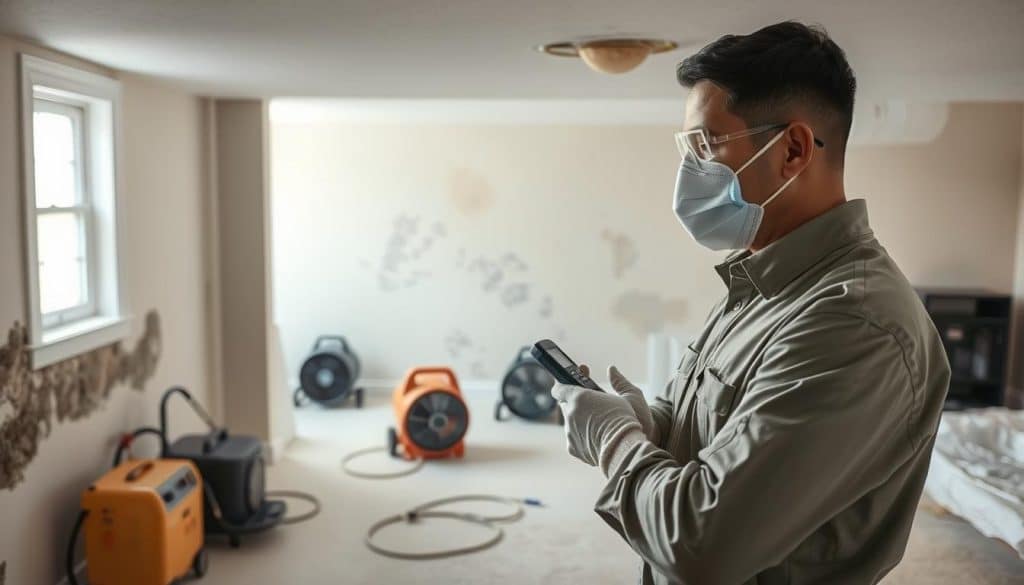
Typical price ranges and what drives the final cost
Average mold remediation runs about $2,360, typically $1,225–$3,750 or $10–$25 per square foot. Major drivers are area size, accessibility, level of contamination, and damage to building materials.
Flooring, drywall, and drainage add-ons you might encounter
- Flooring: small bathroom replacements from ~$335; basements often exceed $5,000.
- Drywall: expect roughly $20 per 4’×8′ sheet for mold‑resistant materials.
- Drainage: exterior fixes such as French drains cost $10–$50 per linear foot and reduce recurrence.
Can you stay in the home during work?
Staying depends on severity. Allergen-level issues often allow occupants to remain. Toxic cases may require temporary relocation for safety.
Contact us for a tailored estimate. We walk you through each line item so cost, timeline, and expectations are clear before work begins.
Choosing a Professional Mold Remediation Company in Greenville, SC
Picking an experienced, owner-led service reduces stress and ensures clear answers from first call to final walkthrough.
Why Array of Solutions: seasoned local expertise since 2007
Array of Solutions is one of the oldest environmental consultants in the Upstate. I’ve completed 1,000+ inspections, hundreds of projects, and serve as an Expert Witness in Greenville County Courts.
Owner-direct service: work with Douglas Ray Whitehead from start to finish
You deal with me at every step. That means consistent communication, clear documentation, and one point of contact for scheduling and final verification.
Least invasive methods, effective air quality solutions, and a transferable warranty
Larger issues are best handled by certified contractors who set up containment, use HEPA filtration, and apply EPA‑registered products. DIY is suitable only for areas under 10 square feet.
- What to look for: local track record, transparent scope, safety-first protocols, and clear final reporting.
- Benefits: owner-direct accountability, preservation of finishes, reduced downtime, and restored indoor air quality.
- Coverage: we coordinate containment and cleaning for both residential commercial clients and back our work with a transferable warranty.
For professional mold remediation and restoration that values your safety, call (864) 710-6413 or email scmoldremoval@gmail.com. We offer honest estimates and tailored remediation services led by experienced professionals.
Water Damage, Moisture Control, and Prevention Best Practices
A few targeted changes to ventilation and dehumidification make a big difference for healthy homes.
I often provide tailored prevention tips after every inspection. Small steps reduce the risk of costly water damage and slow unwanted growth on building surfaces.
Ventilation, dehumidification, and everyday habits that reduce risk
Ventilate rooms by opening windows when practical and run high-capacity bathroom exhaust fans during and after showers. Squeegee shower walls and doors to remove surface water promptly.
Use dehumidifiers in basements and moisture-prone spaces. Choose unit size for the room and target 40–50% relative humidity to discourage growth.
- Remove wet items quickly and dry textiles within 24–48 hours to avoid odor and hidden problems.
- Seal grout lines with a grout sealer to keep moisture out of porous surfaces and simplify cleanup.
- Maintain gutters, improve exterior drainage, and fix leaks fast to stop water from entering walls or floors.
For energy-efficient, tightly sealed homes, consider balanced ventilation systems or ERVs to manage humidity year-round. I’ll share a simple seasonal checklist you can use to spot issues early and avoid larger restoration work later.
What to Expect in Residential and Commercial Remediation Projects
When a water event hits a house or business, quick action sets the tone for how complex the recovery will be.
Our process begins with emergency intake and a focused inspection to find moisture paths and affected areas. We then set containment, turn off HVAC in the zone, and run HEPA filtration to limit spread of mold spores.
Removal of contaminated porous materials follows when cleaning won’t restore safe surfaces. Crews use tested equipment for safe removal, debris handling, and structural cleaning before restoration begins.
- We set clear daily schedules, site protection, and safety rules so your household or operations know what to expect.
- Containment and air filtration keep adjacent spaces cleaner while mold removal and cleanup happen in the work area.
- We coordinate HVAC checks, filter changes, and any needed duct cleaning to protect overall indoor air.
- Communication checkpoints include daily updates, change orders if scope shifts, and a final walkthrough before restoration sign-off.
Quick response within 48–72 hours after water damage reduces spread and keeps repair scope smaller. I coordinate access, hours, and milestones directly so your property returns to normal with minimal disruption.
Conclusion
A careful, documented approach restores safe indoor air and preserves your property value.
We combine containment, HEPA filtration, EPA‑registered cleaning, selective removal, and fixes to the water source so problems do not return. This mold remediation process shortens timelines and limits damage for homes and businesses.
Choosing a local company with long experience speeds restoration and improves communication. Early action keeps costs down and often lets occupants remain during work.
At Array of Solutions, your safety is our future. I, Douglas Ray Whitehead, will guide you from inspection to final walkthrough. Call (864) 710-6413 or email scmoldremoval@gmail.com for fast, professional mold remediation and lasting protection backed by a transferable warranty.