
Remove Mold and Mildew with Greenville’s Trusted Experts

Table of Contents

Have you ever wondered what the safest, fastest way is to remove mold and mildew and protect your family from hidden mold growth?

I’m Douglas Ray Whitehead, owner of Array of Solutions. I am a former contractor, home inspector, and Expert Witness in Greenville County courts. I handle every inquiry personally so you speak with me, not a call center.

Since 2007 we offer the least invasive, most effective air quality solution for water damage and mold. We warrant our work with a transferable warranty to give you long-term peace of mind.

This short guide shows when DIY makes sense, where growth hides, what gear to use, and the right cleaning steps for each surface. You will learn prevention tactics that stop regrowth over time.

Call me at (864) 710-6413 or email scmoldremoval@gmail.com for a quick consult. Your safety is my future.

Key Takeaways

  • Learn the safest way to assess a mold problem at home.
  • Understand gear and techniques for effective cleaning.
  • Know when to act yourself plus when to call a pro.
  • Find long-term prevention tips for better indoor air.
  • Contact Array of Solutions for a personal, warranted service.

Understand the mold problem today and stay safe before you start

Knowing where growth hides and how to protect yourself is the smartest first step. At Array of Solutions, we put safety first. I, Douglas Ray Whitehead, advise Greenville, SC homeowners on spotting risks and choosing the right action.
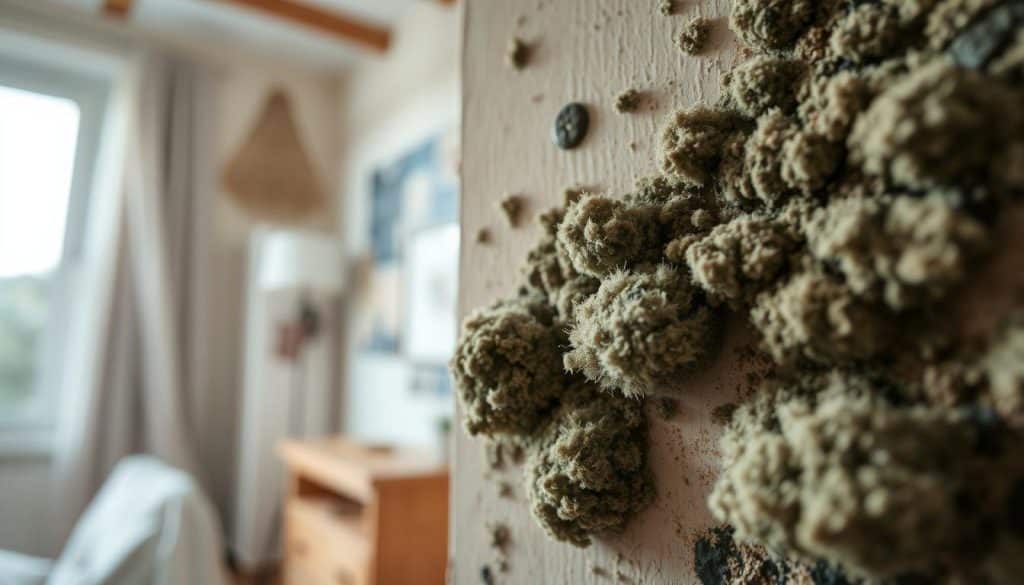
A close-up view of mold signs in a residential setting, showcasing various types of mold growth on damp interior surfaces like walls and ceilings. In the foreground, focus on fuzzy, greenish-black patches of mold, with a slightly textured surface that indicates poor air quality. The middle ground should include a moist corner where the mold thrives, with hints of peeling paint and discoloration indicating water damage. In the background, a softly blurred room with a window allowing natural light to filter in creates an airy atmosphere, contrasting the moldy details. Use soft, diffused lighting to enhance the mood of concern and urgency around the mold issue, capturing attention without overwhelming the viewer.

Spotting signs

Use your eyes and nose: a persistent musty odor, new water stains, or warped materials often signal trouble. Check wet, low-airflow areas like under vanities, around the bathtub, laundry rooms, garages, attics, and basements.

Safety first

Prioritize PPE: wear an N-95 respirator, tight-fitting goggles, and long gloves before disturbing any growth. Increase ventilation—open windows, run exhaust fans, and set up negative airflow away from clean rooms to limit spore spread.

  • Common household species include cladosporium, penicillium, and aspergillus; many cause irritation over time.
  • Pause DIY if someone has asthma, weakened immunity, or new allergy symptoms.
  • Stop work if you find active leaks—fix moisture sources first to prevent rapid return.

If you suspect hidden contamination behind walls or under flooring, or if the issue seems widespread, contact me directly at (864) 710-6413 or scmoldremoval@gmail.com for a least invasive, warranted plan.

Step-by-step to remove mold and mildew on common home surfaces

Start by sizing up the affected area so you know if this is a quick fix or a job that needs pro attention. If the patch is small, visible, and dry, DIY is often fine. If materials feel soft or damp, call me.

Suit up and gather tools

Wear an N-95, sealed goggles, and long gloves. Assemble a soft brush, old toothbrush, sponge, spray bottle, clean rags, and a HEPA vacuum.

Pick the right cleaner

For nonporous bathroom tiles, a measured bleach solution works. For many household surfaces, hydrogen peroxide or rubbing alcohol is safer. For fabrics, use soap first or a non-chlorine remover; the EPA advises against bleach on textiles.

Quick technique guide

  1. Spray the solution, allow a few minutes of dwell time.
  2. Scrub grout with a toothbrush; use light passes on wood to avoid swelling.
  3. Work outdoors for fabrics: HEPA vacuum, spray a 1:1 white vinegar solution if needed, then sun-dry.
  4. Dry areas immediately and double-bag debris.
  5. If stains return or materials remain damp, stop and contact me for a least invasive plan.

We design the least invasive, most effective process for your materials. Call or email me anytime for personal, warranted service in Greenville.
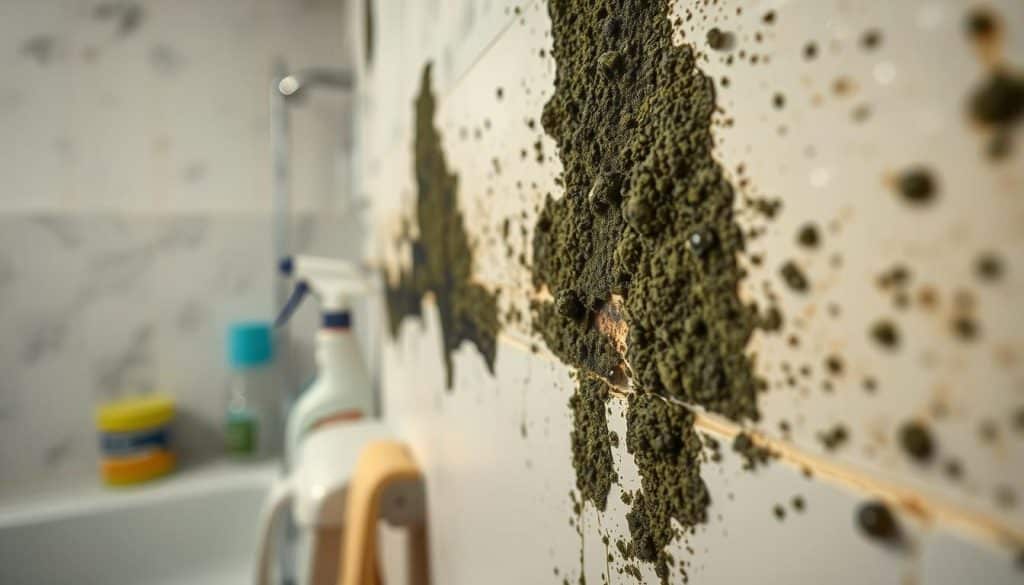
A close-up view of mold growing on a damp bathroom wall, showcasing the intricate texture and dark greenish-black stains of the mold. In the foreground, droplets of water can be seen, hinting at a humid environment. The middle ground features a moldy section of drywall, with some paint peeling away, indicating an ongoing issue. The background contains blurred images of cleaning supplies like a spray bottle and cloth, subtly suggesting the action of cleaning. The lighting is soft and diffused, creating an almost clinical atmosphere, as if in the midst of a clean-up process. The overall mood conveys urgency and professionalism, suitable for a home maintenance scenario.

Prevent mold and mildew from returning with smart moisture control

Keep moisture under control and you stop most household mold before it starts. This is a practical way to protect fragile materials and common surfaces in your home.

Fix water sources: leaks, drainage, and appliance lines

First, repair leaks and poor drainage so cleaned spots stay dry. Check dishwasher and washer hoses, refrigerator lines, and HVAC pans for slow drips.

Ventilation and humidity

Run exhaust fans after showers and cook sessions. Use a dehumidifier with a hose to drain and target the low 40s to limit spores in closed areas like basements and the bathroom.

Clean routine

Dust and vacuum monthly in basements and laundry rooms. Dry textiles completely before storage and avoid stacking damp towels or papers.

  • Repair first—fix leaks or condensation at appliance lines.
  • Control humidity—dehumidify early in damp seasons.
  • Clean smart—simple soap and water removes dust that feeds growth.

We include prevention as part of our least invasive solution. I will help you find moisture sources, size a dehumidifier, and set routines. Call (864) 710-6413 or email scmoldremoval@gmail.com for a prevention plan with a transferable warranty.

DIY or call Array of Solutions? When to bring in a professional

Deciding whether to tackle this at home or call a pro can save time, money, and stress. Small, dry spots on nonporous surfaces are often manageable with basic cleaners and care.

  • Suspected black mold, recurring stains, or persistent odors after prior attempts.
  • Growth on porous materials like drywall, carpet, insulation, or soft wood.
  • Large patches, hidden dampness behind walls or under flooring, or soft wood that shows structural damage.
  • Family members with new respiratory symptoms or visible spores spreading to multiple areas.

Why choose Array of Solutions? I personally manage every inspection and remediation plan. With over a thousand inspections since 2007 and Expert Witness experience in Greenville County Courts, we offer least invasive methods that limit demolition.

We pick the right products and procedures for each surface. Our work includes diagnostics to find unseen water sources, containment when needed, and verification so stains and moisture are truly resolved.

  1. Direct contact with the owner from inspection through completion.
  2. Clear timelines, documentation for insurance or sale, and a transferable warranty.
  3. Practical building-science solutions so the problem does not return.

Call me at (864) 710-6413 or email scmoldremoval@gmail.com for a no-pressure consult. If DIY is safe, I’ll tell you; if not, I’ll propose the least invasive plan to protect your home and health.
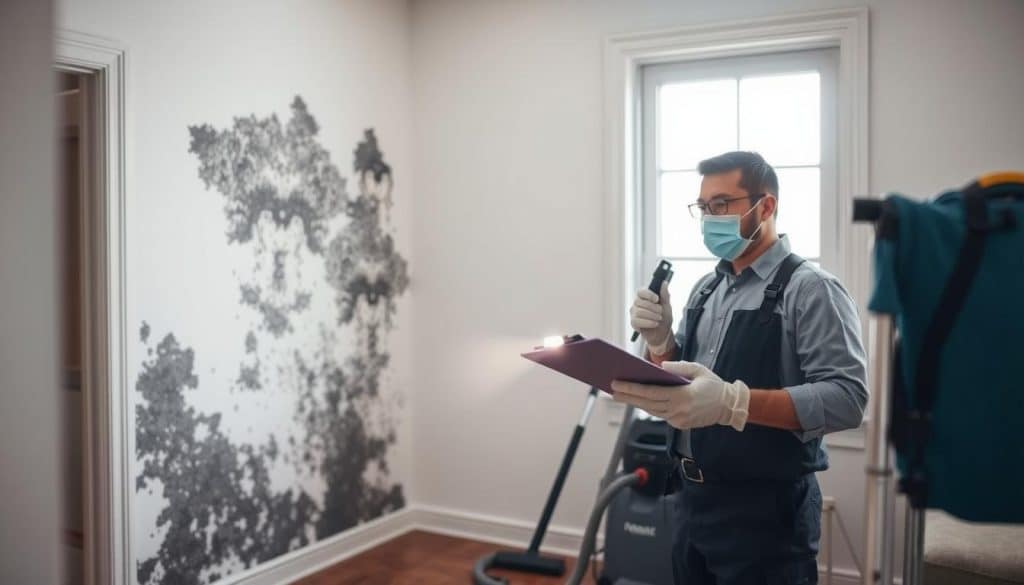
black mold removal cost - mold removal and restoration - mold and remediation - remove mold and mildew

Conclusion

Keep this simple plan as your roadmap for a safer, drier home. Spot signs early, use proper PPE, and match your cleaning to the surface and materials. Small surface issues often respond to careful cleaning with soap, a spray bottle mix, or targeted products like white vinegar, alcohol, or hydrogen peroxide.

Use a soft brush or sponge to scrub stains, allow the proper minutes of contact time, and dry everything fully. For fabrics, start with soap and water and sun-dry before rechecking. Limit water on porous wood and other sensitive materials.

If spots recur, soft wood appears, or hidden moisture is likely, call me for a tailored solution. I’m Douglas Ray Whitehead — call (864) 710-6413 or email scmoldremoval@gmail.com. We design the least invasive plan and back our work with a transferable warranty so your home stays healthy long term.
FAQ

What are the common signs I should look for in my Greenville home?

Look for musty odors, visible staining or discoloration on walls and ceilings, warped or bubbling paint, and soggy or soft building materials. Check behind appliances, inside closets, under sinks, and in basements—these are typical hiding spots. If occupants report frequent allergy-like symptoms in one room, that’s another clue to inspect closely.

What personal protective equipment (PPE) should I use when tackling small areas?

Wear an N95 respirator, chemical-resistant gloves, and safety goggles. Use disposable coveralls or clothing you can wash immediately. Ensure good ventilation by opening windows and running a fan so airborne particles and cleaning vapors leave the space.

How do I decide whether a small patch is a DIY job or needs professional help?

Treat surface-only stains under about 10 square feet as suitable for careful DIY work if there’s no persistent moisture and occupants have no health risks. Call a pro for widespread growth, porous materials affected over large areas, recurrent wetting, or any health symptoms tied to the space.

What tools and equipment are essential for safe cleaning?

Essential items include an N95 respirator, gloves, eye protection, a stiff brush, nonabrasive sponge, spray bottle, and a HEPA vacuum for final cleanup. Have heavy-duty trash bags and disposable rags ready for safe containment and disposal.

Which cleaning solutions are appropriate for different surfaces?

Use cleaners formulated for the material: nonporous surfaces tolerate stronger agents, while wood and fabrics need gentler, pH-balanced products. Hydrogen peroxide and vetted commercial remediation cleaners work well on many finishes. Avoid aggressive treatments on delicate materials without testing a small area first.

What’s the correct scrubbing technique for tile and grout?

Apply the cleaner, let it dwell per label directions, then scrub with a stiff brush following grout lines. Rinse thoroughly and dry with fans. For stubborn staining, repeat once, but avoid over-saturating substrate to prevent hidden moisture problems.

How should I treat soft furnishings, cushions, and fabrics?

Start outdoors—vacuum with a brush attachment, launder per care labels using appropriate detergents, or use specialized upholstery cleaners. For mildew on outdoor/marine textiles, use products designed for those materials. Always sun-dry when possible to inhibit regrowth.

How do I dispose of contaminated materials and cleaning waste?

Seal rags, disposable PPE, and debris in heavy-duty trash bags and discard according to local regulations. Wash reusable tools and clothing separately on hot cycles. Never shake contaminated textiles; keep them contained to limit airborne particles.

What steps stop recurrence after cleanup?

Eliminate moisture sources first—repair leaks, improve drainage, and check appliance lines. Keep indoor relative humidity in the low 40s with dehumidifiers and run exhaust fans in wet rooms. Maintain regular cleaning, quick-dry wet items, and inspect basements and laundry areas on a schedule.

When should I install mechanical controls like dehumidifiers or exhaust fans?

Install them whenever you have persistent humidity above recommended levels, frequent condensation on windows, or repeated dampness in basements and laundry rooms. Continuous mechanical ventilation helps prevent hidden regrowth in susceptible spaces.

What are the warning signs that indicate a serious infestation requiring professionals?

Seek professional help if you spot large or spreading growth, recurring wetting despite repairs, growth inside wall cavities or HVAC systems, or if occupants experience ongoing health complaints. Visible black or dark colonies on porous materials also merit expert evaluation.

Why choose Array of Solutions for remediation in Greenville, SC?

Array of Solutions emphasizes least-invasive remediation, transferable warranties, and clear documentation. We provide expert witness guidance when needed and a personal touch through Douglas Ray Whitehead, who you can reach at (864) 710-6413 or scmoldremoval@gmail.com for assessments and service coordination.

Handling All Of Your Water & Property Damage Emergencies

We are the nation’s premier source for Mold Inspection and Mold Testing. All our mold inspectors are board certified, highly skilled, and experienced mold service professionals

Air Quality Testing

Air quality testing can tell you whether you have a mold problem even if you cannot find the evidence mold growth. We test air samples from your home or business for the concentration of mold spores. Samples are taken from the air and are later examined under a microscope in our labs.

Water Damage Repair

Our water extraction equipment will remove the majority of the water from the affected area(s) including carpets and upholstery. After that we use industrial fans, desiccant drying equipment and dehumidifiers to rapidly dry the still wet areas. We then use a HEPA filtered vacuum to clean up.

Mold Inspections

We visually inspect to pinpoint the problem areas in your home or business. we then try to pinpoint the source of the moisture which is most likely the reason that you may have a mold problem. Swabs and air samples will be taken to our laboratory for analysis and recommendations for remediation.

Mold removal

The source of the water must be identified and corrected . All wet materials (including carpets and upholstery) must be dried completely. Removal of all items including furniture from the infected area. Contaminated area must be sealed off from the rest of the property. Mold growth on surfaces is sanded and cleaned. Contained area must be completely dried, filtered and fumigated

Post Mold Remediation

After mold had been removed, Post Remediation Verification Inspection (PRVI) can assure that the mold cleanup has been done correctly and effectively in the work area and confirm that the cleanup did not accidentally distribute high levels of moldy dust and debris into other areas of the building or into its mechanical systems such as heating or air conditioning systems.

Insurance Handling

Home insurance companies usually don't cover mold damage unless it's directly related to a "covered peril" such as Fire; Lightning; Vandalism or malicious mischief; Damage caused by vehicles; Theft; Falling objects; Weight of ice, snow, or sleet; Accidental discharge or overflow of water or steam; Frozen pipes. Our experts will assist you in filling the insurance claim.

Mold Removal

Mon-Sat: 8:00 am-5:00 pm
24/7 Service Available

Share:

Fast, Certified Mold Testing & Remediation in Greenville, SC

Get accurate inspections and rapid removal from certified technicians. We assist with insurance claims and support property managers.

Request Your Inspection Today